
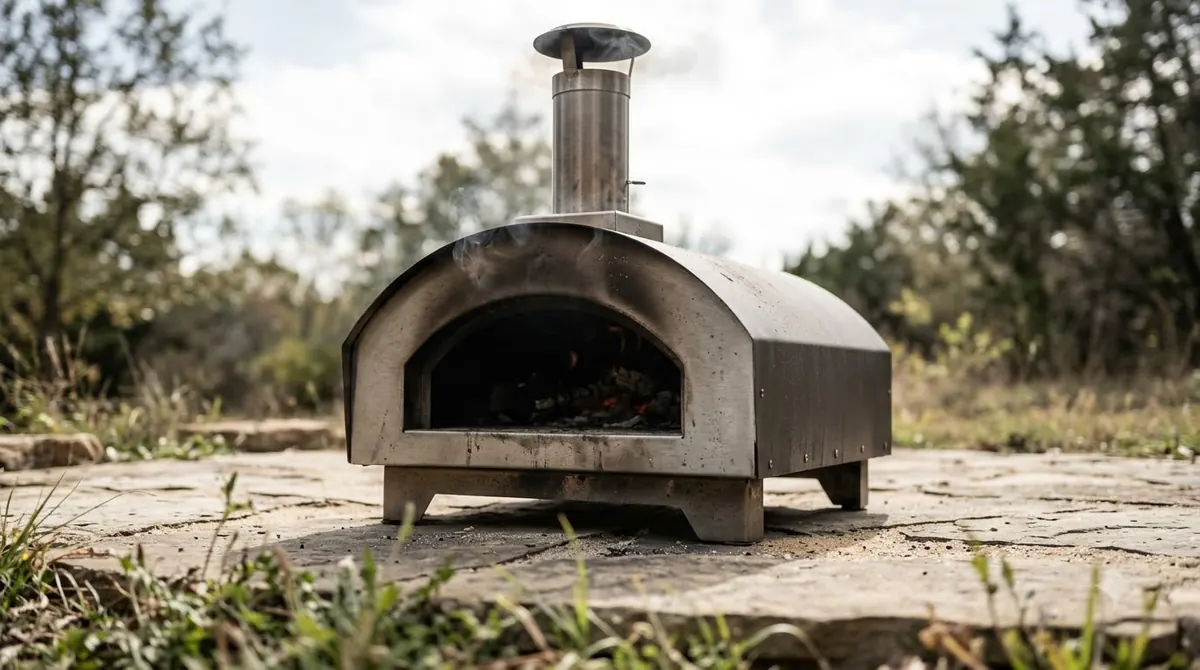

The pellet vs wood pizza oven decision comes down to flavor against convenience. A wood-fired oven burns logs or chunks you feed by hand, while a pellet oven burns compressed wood pellets from a hopper.
Wood gives the most traditional smoke and, in one buying guide, the higher peak heat. Pellets are easier to control and quicker to restart. When you weigh a pellet vs wood pizza oven, choose the fuel you can store and tend consistently.
Pellet vs wood pizza oven: what each one runs on
Pellet ovens burn compressed wood pellets, and European standard pellets contain less than 10% water. Wood-fired ovens burn logs or chunks that you load by hand.
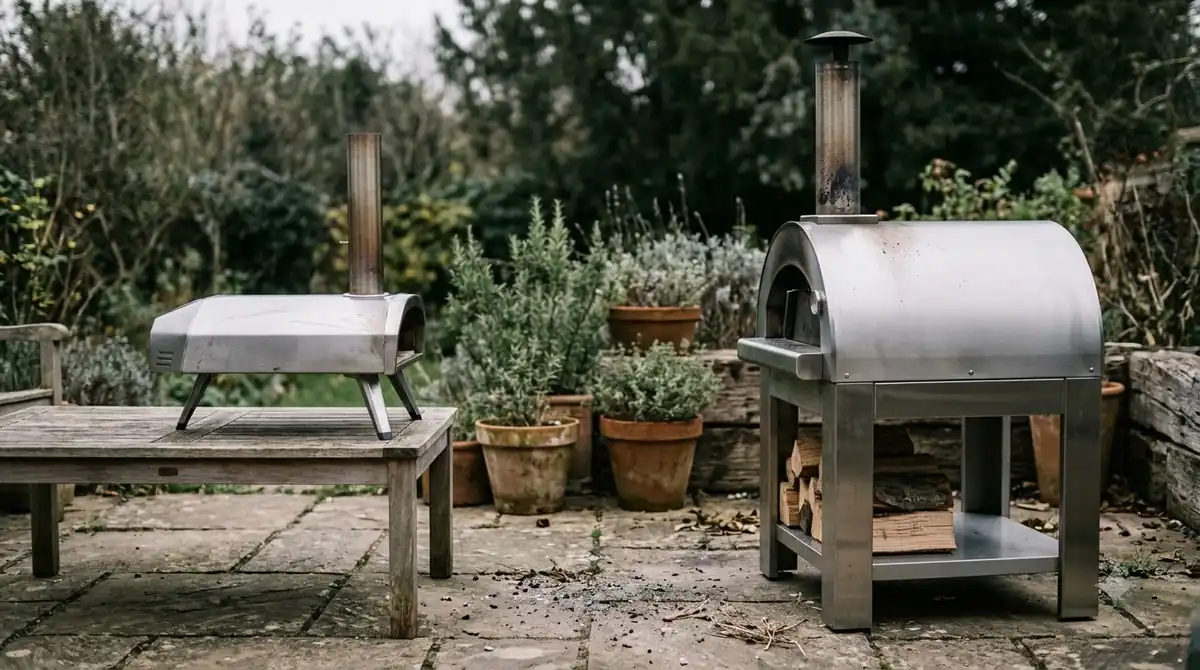
According to the Wikipedia article on pellet fuel, pellet fuel standards set moisture below 10 percent, and pellets carry roughly 4.7 to 5.2 MWh of energy per tonne.
A wood-fired oven needs no feeder. You build the fire on the floor of a masonry chamber, let the dome hold the heat, and manage the flame with the door and the vents. That hands-on control is why many cooks prefer wood, but it also means you have to learn how to tend a fire.
A pellet oven moves the fuel into a hopper and a feed system. The same Wikipedia article describes pellet stoves that store pellets in a hopper, where a mechanical auger feeds them into the burn pot. Pellet pizza ovens use a feed of this kind, so you adjust the fuel rate instead of stacking logs. For setup tips, see how to use wood pellets in a pizza oven.
Heat and control
One buying guide puts peak heat at 800 to 1,000°F for a wood-fired oven and 700 to 900°F for a pellet oven, but that table cites no test data behind it.
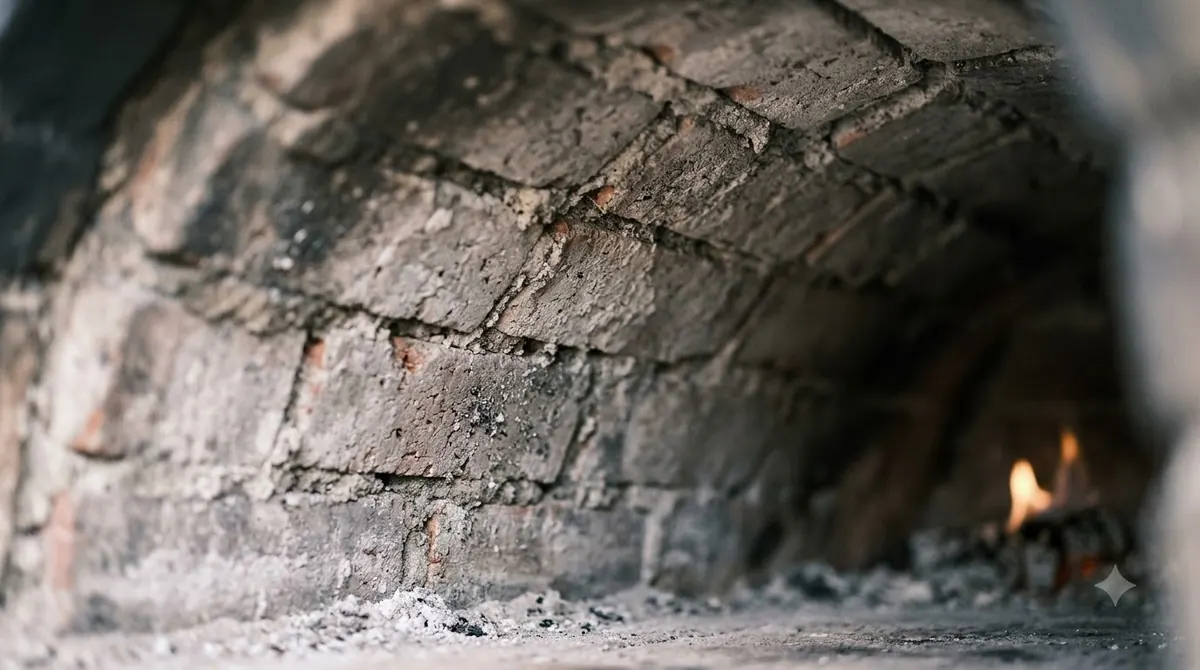
Treat those figures as a starting point, not a spec sheet, and check the temperature range in the manufacturer manual before you compare two models. Wood-specific numbers are covered in wood pizza oven temperature.
The guide also gives preheat times of 45 to 90 minutes for a brick wood oven and 18 to 20 minutes for a pellet oven. Recovery between pizzas is listed as 2 to 5 minutes with wood and 1 to 3 minutes with pellets. No manufacturer page checked for this article confirmed those times, so use them only as a rough comparison.
In a pellet vs wood pizza oven comparison, the bigger practical difference is control. Pellet ovens are usually described as easier to hold at one temperature, because you adjust the feed rate rather than managing a fire by hand. Wood rewards cooks who can read the flame and move logs, and that skill takes practice.
Flavor and authenticity
Wood-fired ovens give the strongest smoky aroma, and pellets give a milder version, but no blind taste study has confirmed the gap.
Wood adds a subtle smoke that many cooks connect with classic pizza. A pellet oven can add some of that smoky character with easier temperature control, according to the same buying guide. The guide notes that the gap narrows above about 750°F, because short cook times leave less time for smoke to reach the crust.
Authenticity also has a legal side. The Wikipedia pizza oven article says that under EU Regulation 97/2010, traditional Neapolitan pizza can only be made in wood-fired brick ovens. The Associazione Verace Pizza Napoletana allows gas or electric ovens when a wood-fired one is impractical. A pellet oven therefore does not meet the strict wood-fired rule that applies to Neapolitan pizza.
Flavor is where a pellet vs wood pizza oven choice gets personal. If you mainly want a smoky crust for everyday pizza, the difference may matter less than how easy the oven is to run every weekend. Cook the same dough on both fuels if you can before you commit.
Fuel cost and storage
One buying guide puts wood logs at $10 to $20 per session and pellets at $3 to $6, but local prices vary and these figures are not verified against a retailer or manufacturer page.
| Fuel | Storage | Cost per session (one guide, unverified) |
|---|---|---|
| Wood logs or chunks | Kiln-dried hardwood, kept dry | $10 to $20 |
| Wood pellets | Sealed, dry container | $3 to $6 |
The same guide lists a 20 lb bag of premium hardwood pellets at $24.99, a price it attributes to Ooni in 2025.
Storage is where a pellet vs wood pizza oven differ most in daily use, and moisture is the main risk for pellets. The guide says damp pellets crumble and clog the hopper, so keep them in a sealed, dry container. It gives far less storage advice for wood, which is a gap to check with your supplier.
For a pellet vs wood pizza oven, fuel cost adds up over a full season, so compare current local prices before you buy in bulk. Fuel cost is one of the clearest differences in any pellet vs wood pizza oven comparison.
Power and placement
Power is one more check in a pellet vs wood pizza oven decision. Most sources say a pellet feeder needs electricity, while a wood-fired oven runs on fire alone. This article did not confirm the power draw for any model in a pellet vs wood pizza oven comparison, so check the manual before you plan the spot.
A wood-fired oven does not need an outlet for cooking. Either type should sit outdoors or in a well ventilated space, clear of walls, overhead cover and combustible materials. Follow the clearance rules in the manufacturer manual, because both fuels produce smoke and carbon monoxide when they burn.
Before you buy, check these points:
- An outlet within reach of the planned spot, if the model uses a pellet feeder.
- Clearance from walls, sheds and overhanging branches, as the manual states.
- Whether the maker approves any indoor use, which most outdoor models do not.
Cleanup and maintenance
Wood-fired ovens need the ash removed after every session, while pellets leave less ash, according to the same buying guide. Cleanup is often the tiebreaker in a pellet vs wood pizza oven purchase if you cook often.
Clean-up routines are similar for both sides of a pellet vs wood pizza oven choice. Let the oven cool fully, brush out the cooking floor, and empty the ash pan or tray. Check the stone and the burn area for buildup before each new session.
- Let the oven cool completely before you touch the floor or the ash.
- Remove ash with a brush and a metal pan, then wipe the cooking surface.
- For pellets, check the hopper and feed for damp or crumbled fuel before the next cook.
Side-by-side comparison
The table below sets out the main differences in a pellet vs wood pizza oven comparison. Figures marked as one guide come from a single buying guide and have not been confirmed by a manufacturer.
| Criteria | Pellet pizza oven | Wood-fired pizza oven |
|---|---|---|
| Fuel | Compressed wood pellets | Logs or chunks |
| Feeding | Hopper and feed system | Added by hand |
| Peak heat (one guide) | 700 to 900°F | 800 to 1,000°F |
| Preheat (one guide) | 18 to 20 minutes | 45 to 90 minutes |
| Flavor | Milder smoke, easier control | Stronger, more traditional smoke |
| Ash | Some ash to clear | Removed after every session |
| Power | Feeder needs electricity (confirm in manual) | Runs on fire alone |
| Fuel cost per session (one guide) | $3 to $6 | $10 to $20 |
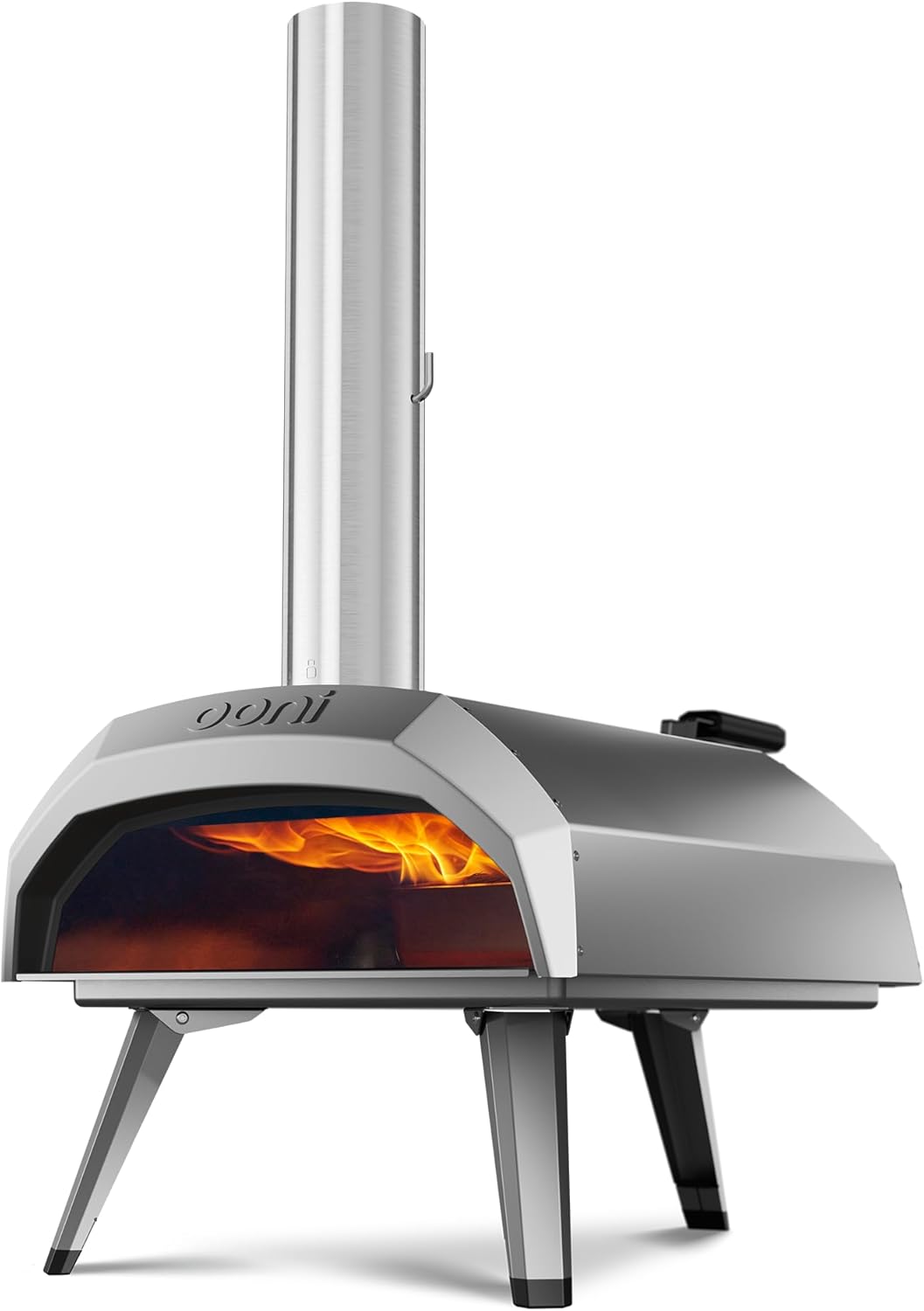
Ooni Karu 12 – Multi-Fuel Outdoor Pizza Oven
Pros & ConsViewHide
Reasons to buy
- Light at about 26 lb, so easy to carry
- Wood or charcoal ready out of the box, gas burner optional
- Reaches 950°F in about 15 minutes, per Ooni
- Strong Amazon rating across roughly 1,500 reviews
Reasons to avoid
- Gas burner is sold separately
- 12-inch pizza limit
- Wood and charcoal take more tending than gas

Pros & ConsViewHide
Reasons to buy
- Blend made for pellet pizza ovens such as Ooni and Big Horn
- 100% natural hardwood, per the seller
- Small 2 lb bag is easy to store
Reasons to avoid
- Only 2 lb, so a long session needs several bags
- 4.2-star average is lower than most other items here
- Only fits ovens built for pellets

Kiln-Dried Oak Wood for Pizza Ovens
Pros & ConsViewHide
Reasons to buy
- Kiln-dried oak sized for compact pizza ovens and Solo Stove style units
- 5-inch barkless logs are easy to load and stack
- 82% of 411 Amazon ratings are 5-star
Reasons to avoid
- About 12 lb per box, so a long session may need a second box
- Hardwood logs cost more per session than pellets or charcoal
Which pellet vs wood pizza oven should you buy?
Choose a wood-fired oven if you enjoy tending a fire and want the most traditional smoke. Choose a pellet oven if you want steadier control, easier restarts and less ash.
A pellet vs wood pizza oven choice usually comes down to how you cook, not which fuel is better in the abstract.
Pick wood if you:
- Enjoy building and tending a fire.
- Want the most traditional smoky flavor.
- Have dry storage for logs and time for ash cleanup.
Pick pellets if you:
- Want steadier temperature control with less hands-on fuel handling.
- Can keep pellets sealed and dry all season.
- Have an outlet near the oven for the feeder, if the model needs one.
Some ovens take more than one fuel, so a multi-fuel model suits cooks who want to choose per session. If gas is also on your list, compare it in gas vs wood-fired pizza ovens.
Before you buy, confirm the fuel type, power draw and temperature range in the manufacturer manual, since the figures in this article come from one buying guide.
Frequently Asked Questions
Do pellet pizza ovens taste like wood?
Pellet ovens give a milder smoky taste than wood, according to one buying guide. That guide also says no blind taste study has isolated the difference. The gap narrows at high temperature, when cook times are short. Cook the same dough in a pellet vs wood pizza oven if you can.
Do pellet pizza ovens need electricity?
If you compare a pellet vs wood pizza oven, note that most sources say the pellet feeder needs power, while a wood-fired oven runs on fire alone. This article did not confirm the power draw of any specific model, so check the manufacturer manual before you buy. Plan an outlet near the spot where the oven will sit.
Can you burn wood chunks in a pellet oven?
A pellet vs wood pizza oven is built around pellets, and forum advice suggests chunks do not suit their feed system. Check the manual for your model before you try a different fuel.
Which heats up faster?
One buying guide reports preheat of 18 to 20 minutes for pellets and 45 to 90 minutes for a brick wood oven. No manufacturer page checked for this article confirmed those times, so treat them as a rough comparison only.
Is one fuel cheaper to run?
One buying guide puts pellets at $3 to $6 per session and logs at $10 to $20. Prices vary by region and season, so the cost gap in a pellet vs wood pizza oven decision may differ where you live. The guide figures are not verified against a retailer page.
Can a pellet pizza oven make Neapolitan pizza?
The Wikipedia pizza oven article says traditional Neapolitan pizza falls under EU Regulation 97/2010, which calls for wood-fired brick ovens. A pellet oven does not meet that strict standard, although it can still make good home pizza.
In a pellet vs wood pizza oven decision, choose the fuel you will actually use most. If you want the traditional smoke and do not mind managing a fire, wood is the better fit. If you want steady control and easier restarts, a pellet oven is the more practical choice, and our best pellet pizza ovens roundup is a good place to start. More fuel and model comparisons are in the reviews and versus guides.
 9 min readReviews & VersusGas vs Wood Fired Pizza Oven: Which Should You Choose?Updated Nov 14, 2026
 8 min readReviews & VersusOoni vs Cuisinart Pizza Oven: Which One Should You Buy?Updated Nov 14, 2026
 8 min readReviews & VersusGozney vs Solo Stove Pizza Oven: Which One Should You Buy?Updated Nov 14, 2026
 9 min readReviews & VersusGozney Arc vs Ooni Koda 16: Which Gas Pizza Oven Should You Buy?Updated Nov 14, 2026
 9 min readReviews & VersusNinja Artisan Pizza Oven Review: Specs, Pizza Results and Who Should BuyUpdated Nov 15, 2026
 8 min readReviews & VersusNinja Woodfire Pizza Oven: Specs, Pizza Fit and Who Should BuyUpdated Nov 15, 2026