


Gozney Arc natural gas is not supported, because the standard Arc runs on LPG only. The official technical manual lists butane, propane or a mixture of both, and it does not list natural gas for the Arc. Check the data plate on your own unit before you connect any gas supply.
Some retailer listings use Gozney Arc natural gas in their titles or descriptions. This guide relies on the manufacturer’s manual and the data plate, so you can confirm the facts yourself.
Gas appliances carry fire and explosion risk. Follow the manual and local rules, and have a qualified person check any gas installation.
Gozney Arc natural gas: does the standard model run on it?
No. The Arc technical manual lists butane, propane or their mixture as the only gas types, and it describes no Gozney Arc natural gas setup for the standard model.
The manual is a single UK edition that covers both the Arc and the Arc XL. The Arc section identifies the model as GOZ-1485, and the gas types it lists are LPG fuels only. In Gozney’s technical manual, natural gas does not appear as a gas category anywhere in the Arc specifications.
The manual also tells owners not to modify the appliance. A natural gas connection would require exactly that kind of change, so the Gozney Arc natural gas question has a clear answer for this model. Anyone searching for Gozney Arc natural gas options should start with the manual, not a retailer title. Gozney’s Dome is a different oven, covered in Gozney Dome natural gas.
Which gas types the Arc data plate lists
The Arc data plate lists butane, propane or their mixture, and both are LPG fuels. The data plate also gives the total nominal burner output, which the manual states as 4.5 kW (300 g/h) for the standard Arc.
| Attribute | Standard Arc | Where the manual states it |
|---|---|---|
| Model number | GOZ-1485 | Data plate |
| Gas type | Butane, propane or their mixture | Data plate |
| Natural gas | Not listed | Data plate and full manual |
| Burner output | 4.5 kW (300 g/h) | Data plate |
| Oven weight | 20 kg | Placement section |
The Gozney Arc natural gas check starts with the data plate. For the oven’s full size and weight, see the Gozney Arc dimensions page. To check your gas type, compare the category on your data plate with the gas your cylinder or supply delivers. The manual asks owners to confirm that the gas in use is specified on the data plate page before any connection is made.
Gas categories differ by regional variant, so read the line that matches your country. If the Gozney Arc natural gas combination is not on your plate, the manufacturer does not describe it.
How to connect an LPG cylinder safely
Because the Arc is an LPG appliance, there is no Gozney Arc natural gas alternative to follow, and the cylinder rules are the ones for any LPG setup. The manual recommends a 9 kg gas bottle as a minimum, with a regulator that meets EN16129 or EN12864 between the cylinder and the oven.
The manual also contains a second figure. Its troubleshooting section gives a 5 kg canister as the minimum, so the two figures conflict. Choose the larger 9 kg size, and confirm the right cylinder with Gozney if your supplier offers only smaller ones.
- Use a cylinder with a safety collar. Do not use one that is rusty, dented or has a damaged valve.
- Fit a regulator that complies with EN16129 or EN12864, and do not force it onto the cylinder.
- Keep the hose no longer than 1.5 m. In Finland the limit is 1.2 m.
- Inspect the hose before every use, and replace it if it shows abrasion, wear, cuts or leaks.
- Keep the cylinder outdoors and upright, never under the oven and never in an enclosed area.
- Run a leak test with soapy water after every connection. Never use a naked flame to check for leaks.
A Gozney Arc natural gas search often starts with a cylinder question, so the cylinder comes first. Check hose replacement rules in your area, because national requirements set the interval.
Where to place the standard Arc
Keep the Arc outdoors with 30 cm clearance at the back and sides and 100 cm at the front from any combustible construction. The manual also sets distances from other hazards, and it asks for a level, stable base. These placement rules apply to every Arc, whichever fuel question brought you here.
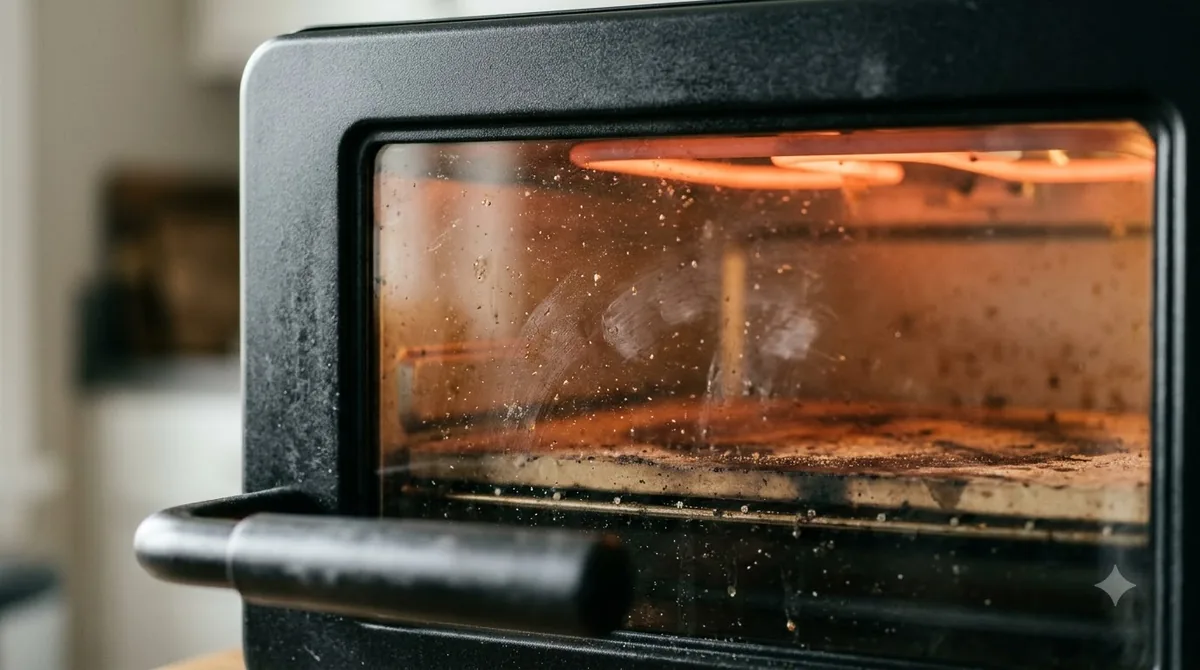
- Leave 30 cm at the back and sides, and 100 cm at the front, from combustible construction.
- Keep 50 mm of clear space around the base of the dock for air intake.
- Stay 1.5 m from any structure, combustible material or other gas cylinder.
- Stay 7.5 m from any flammable liquid.
- Keep the mouth facing away from the wind, and never use the oven in high winds.
- Do not use it under any apartment, balcony or deck.
How to light the burner and run the first firing
Lighting the standard Arc follows one routine, because LPG is the only fuel the manual lists. To light the Arc, press the knob in, turn it to 9 o’clock until the burner clicks, then hold it at 7 o’clock for up to 30 seconds. The steps below follow the manual’s order.
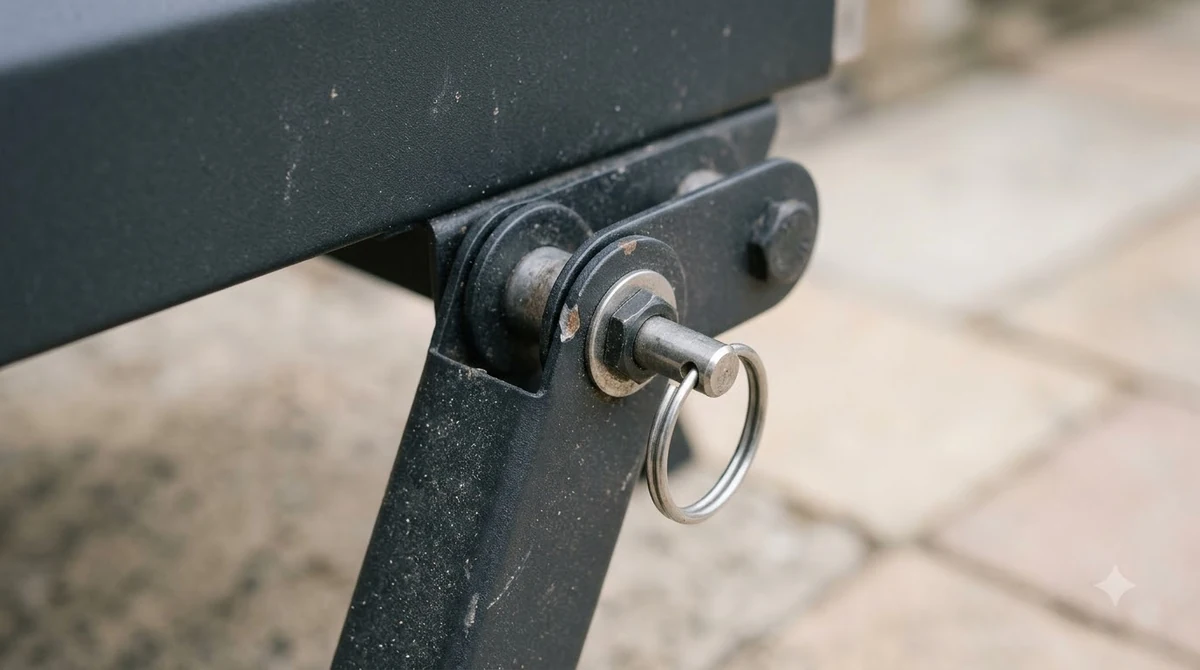
- Remove the stone retention wedges and all packaging from the oven before lighting.
- Install an AAA battery in the ignitor module, negative end first.
- Connect the hose and regulator, then run the leak test.
- Press the control knob in and turn it to 9 o’clock until you hear a click and the burner ignites.
- Turn the knob counterclockwise to 7 o’clock and hold it for up to 30 seconds so the flame failure device engages.
- Push the knob in firmly, release it, and check that the flame is yellow and rolls along the top of the oven.
- For the first firing, run a medium to low flame for 30 minutes to cure the oven before you raise the heat.
If the flame goes out, turn off the knob and the cylinder valve, then wait 5 minutes before you relight.
Temperature ranges for pizza on the standard Arc
Whatever you read about Gozney Arc natural gas, the manual gives 430 to 480°C for Neapolitan pizza, 370 to 430°C for Roman style and 320 to 370°C for New York style. Anything above 480°C is listed as too hot. For how other ovens compare, see pizza oven temperature.
| Style | Range in the manual |
|---|---|
| New York pizza | 320 to 370°C |
| Roman style pizza | 370 to 430°C |
| Neapolitan pizza | 430 to 480°C |
| Over temperature | Above 480°C |
The temperature comes from a probe inside the oven, shown on the digital display. The manual warns that a probe reading above 700°C can damage the unit and triggers an E3 error. In that case, turn the gas burner off and let the oven cool naturally, because rapid cooling can crack the stone.
Gozney Arc natural gas at home: what to do if you only have a natural gas supply
Do not modify the Arc or force a natural gas connection, because the manual describes no natural gas setup or conversion kit for the standard model. Any change to the burner or gas fittings would count as modifying the appliance, which the manual forbids.
Plan the cylinder before you buy. If your home only has a natural gas supply, a Gozney Arc natural gas hookup is not an option, and the practical route is an LPG cylinder kept outdoors, using the regulator and hose rules above. Our guide to propane pizza oven temperature shows what to expect from LPG heat. Ask Gozney or your retailer to confirm the fuel for any Gozney Arc natural gas listing in writing before you buy.
Treat any listing that claims natural gas support as unverified unless the official manual or the data plate supports it.
Gas smell and carbon monoxide: what to do
If you smell gas around the Arc, shut off the gas at the cylinder and turn off the appliance, put out any open flame, and move away from the unit. If the smell continues, call your fire service from a safe distance.
- Shut off the gas at the cylinder and turn off the appliance.
- Extinguish any open flame in the area.
- Keep away from the appliance and the gas supply while the smell lasts.
- Call your gas supplier or fire service if the odor continues.
Carbon monoxide is odorless and colorless, so smell cannot warn you of it. Its symptoms include headache, dizziness, weakness, nausea and vomiting, and severe exposure can be fatal. The manual advises installing a CO alarm where local rules require one, and never covering the oven mouth while a flame is lit.
Frequently Asked Questions
Does the Arc XL change the Gozney Arc natural gas answer?
Not according to its technical manual, as our page on the Arc XL and natural gas explains. The manual covers the Arc and the Arc XL together, and the gas type list shown with the data plate includes butane, propane or their mixture only. Check the data plate on your own unit before you connect any supply.
Is there a Gozney Arc natural gas conversion kit?
The manual does not describe a conversion kit for the Arc. Because the manual says not to modify the appliance, do not attempt a conversion yourself, because no Gozney Arc natural gas conversion is described. Ask Gozney for written confirmation before you assume any natural gas option exists.
How long should I wait before removing the regulator?
Turn off the gas at the cylinder first, then wait three minutes before removing the regulator and turning the control dial to off. This lets gas left in the burner or pipe be used up safely.
What should I do if the burner will not ignite?
Check that the ignitor battery is not empty and that the cylinder has gas. Keep the control knob in for up to 30 seconds so the flame failure device engages. If the burner is blocked, clean it using the manual’s cleaning guidance, then wait 5 minutes before trying again.
Can I use the Arc on a balcony?
The manual says not to use the Arc under any apartment, balcony or deck. Choose a level outdoor spot that meets the clearances above, and check your building rules as well. Gozney Arc natural gas questions do not change the balcony rule.
Before you buy or connect anything for a Gozney Arc natural gas search, match the data plate on your Arc to the gas your cylinder supplies. Follow the manual’s clearances, use a cylinder of at least 9 kg with an approved regulator, and treat any natural gas claim as unverified until Gozney confirms it in writing.