

The Gozney Dome manual is the official Dome Technical Manual, document DOC-0528-03, and it explains how to set up, connect, light and maintain the oven on gas. It also covers wood firing, but the two fuels follow separate procedures and should never be mixed.
Read the gozney dome manual before the first fire up, because the leak test and the 30-minute cure both come before any cooking. The steps below follow the manual closely so you can check each one against your own box.
This article summarizes Gozney’s published manual. Gas installation and service must be done by a qualified installer or gas supplier, and every step must follow your local codes.
What the Gozney Dome Manual Covers
The Gozney Dome manual is document DOC-0528-03, a 78-page technical manual for the Dome model 4555-V1-02. It covers the gas burner in LPG and natural gas configurations, the wood firing chapter, the digital thermometer and general maintenance.
The gozney dome manual is organized in chapters: general advice, product overview, gas specification, operation and installation, set up and accessories, the temperature display, firing up gas, firing up wood and general maintenance. Each fuel has its own firing chapter, so read only the one that matches your oven.
Gozney also sells a newer Dome (Gen 2), so check the model on your data plate against this manual before you follow any step. If you own the Arc XL instead, the Gozney Arc XL manual summary applies. If you would rather use an electric countertop oven, the Breville Pizzaiolo manual guide covers that model. The manual’s own warranty terms say the standard warranty is 1 year from purchase and extends to 5 years if you register within 60 days.
Dome Gas Specifications for LPG and Natural Gas
The gozney dome manual rates both gas builds at 28,000 BTU/hr, but the injector size and gas pressure differ, so each fuel needs its own configuration. The Dome Technical Manual lists these values on its gas specification pages.
| Spec | LPG configuration | Natural gas configuration |
|---|---|---|
| Total nominal heat output | 28,000 BTU/hr | 28,000 BTU/hr |
| Injector size | 1.52 mm | 2.15 mm |
| Gas pressure | 11 in. W.C. | 7 in. W.C. |
The gozney dome manual requires a licensed gas fitter for the natural gas version, and every connection must be leak tested before you operate it. Check that the gas type on the data plate matches the gas you are using before you connect anything. Our Gozney Dome natural gas guide covers that fuel in more detail.
How to Set Up the Dome Before First Use
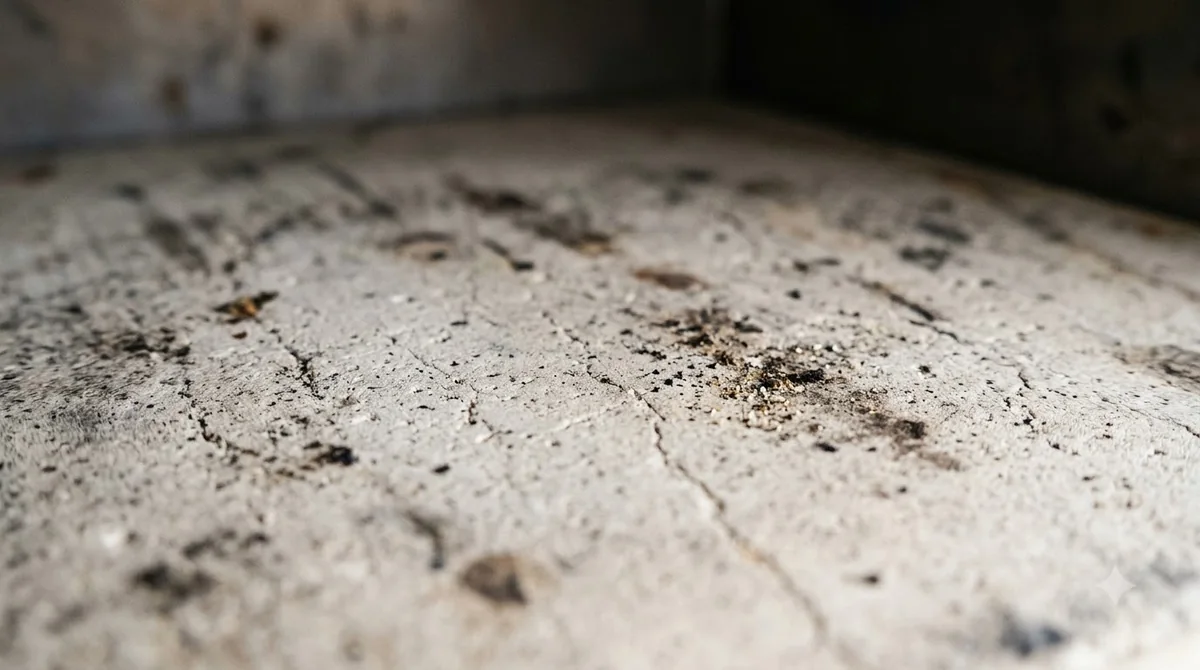
Before the first fire, the gozney dome manual says to remove the blue stone retention wedges and all packaging inside the oven, then check that the stones sit correctly. The stones are not fixed, so they can shift backward during transport.
- Remove the blue stone retention wedges and all packaging inside the oven.
- If there is a large gap at the front of the stones, hook the back of the stone with the stone adjustment tool and pull it forward.
- Remove the ash tray and packaging before firing, then insert the ash tray into its slot whenever the oven is in use.
- Keep the steam plug inserted unless you are using the steamer accessory.
- Place the oven on a flat, level and stable surface that can hold about 130 lb.
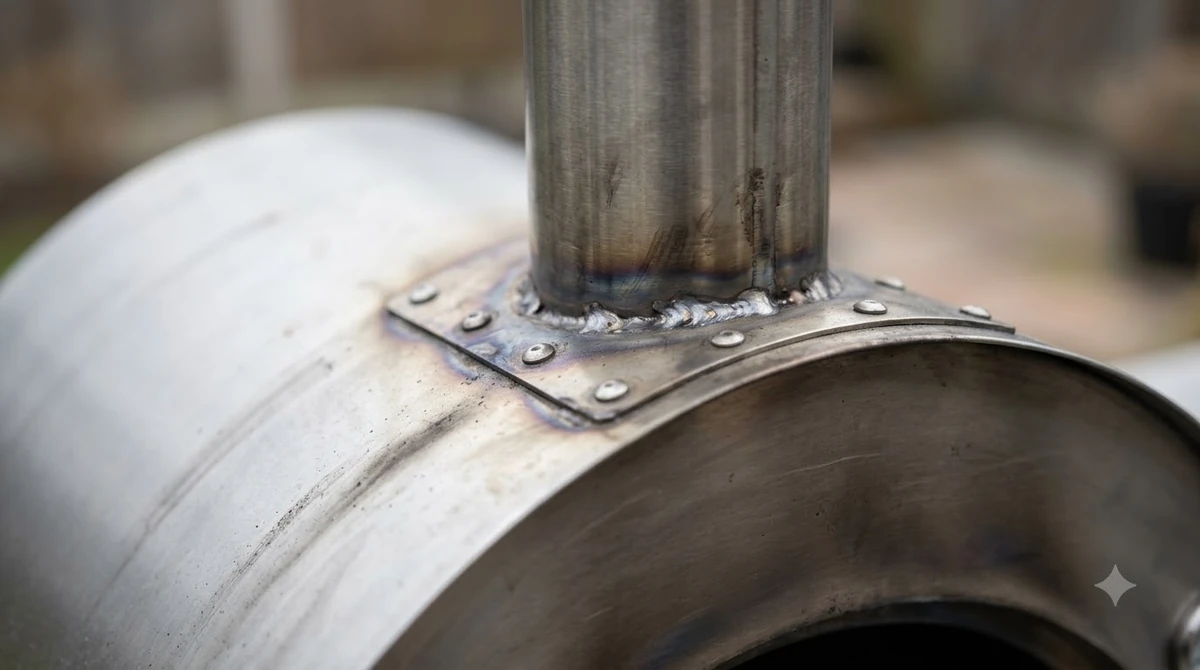
The gozney dome manual asks for 1 ft of clearance at the back and sides and 3 ft 4 in at the front from any combustible construction. Leave about 2 in. (50 mm) around the base of the dock for air intake, and keep the mesh panels unblocked so airflow is not restricted. For weather and storage, see leaving a pizza oven outside.
Two people should lift the oven from under its rounded ends, never by the mouth. The lifting straps on the base are single use, so remove them once the oven is in its final spot. The flue rain cap should go on only when the oven is cool and not in use.
How to Connect Gas and Run a Leak Test
Connect the gas with the cylinder valve closed, then leak test every joint with soapy water before you light the burner. The gozney dome manual repeats this check because a leak is the most serious gas risk for this oven.
- Use a cylinder with a safety collar and no rust, dents or valve damage. The gozney dome manual recommends a 28 lb bottle and says never to fill a cylinder beyond 80 percent.
- Insert the black QCC1 regulator nipple onto the cylinder valve and hand tighten it clockwise. Do not use tools.
- Pull back the hose collar, seat the hose on the gas inlet and release the collar until it returns freely.
- Fit one AAA battery in the ignition module behind the rear dock panel, negative end first.
- Brush soapy water along each connection and the hose. Bubbles mean a leak, and you must never light the burner while you check.
If a leak continues at the valve, remove the cylinder, use a different one and recheck. If it continues at the hose to oven connection, tighten the fitting with a spanner and recheck, and do not operate the oven if the leak persists. The gozney dome manual also requires a leak test once a year and each time a cylinder is connected.
If you smell gas, shut off the gas at the cylinder, turn off the oven switch, put out any open flame and move away from the oven. Call your gas supplier, or the fire service if the smell continues.
Gozney Dome First Firing and Cure Steps
The first firing needs about 30 minutes on a medium to low flame to cure the oven before you raise it to high heat. Cure slowly, because the stone floor can crack from thermal shock.

- Press the control knob in until you hear a constant clicking, then turn it 90 degrees and hold until the pilot light is lit. A new cylinder can need a longer press while gas reaches the pilot.
- With the pilot lit, turn the control dial counter-clockwise until the burner lights. On a first firing, wait up to 30 seconds for gas to flow through the system.
- Hold the burner on a medium to low flame for about 30 minutes to cure the oven.
- After the cure, raise the flame to high. The flame should be yellow and roll along the top of the oven.
- If the oven has sat unused for a long time, cure it again as if it were a first firing.
Gozney’s US warranty page excludes cracks caused by thermal shock or by not following the manufacturer’s heat-up guidelines. Following the cure steps is the practical way to avoid that outcome. Once the cure is done, the Gozney Dome temperature guide explains what heat to expect.
The Dome gets extremely hot and can stay hot for a few hours after use. Keep children and pets away during and after firing, and never leave the oven running unattended.
How to Shut Down and Fix Common Gas Problems
To shut down, turn the gas off at the cylinder first, wait 3 minutes, then turn the control dial to off. This burns off the gas left in the burner and pipe. If the flame goes out, wait 5 minutes before you try to relight it.
| Problem | Possible cause in the manual | What the manual says to do |
|---|---|---|
| Flame looks too small | Cylinder near empty, cylinder too small, ambient below 0 C, blocked burner | Replace an empty cylinder, use a larger one (the manual gives 9 kg as the minimum), and clean the burner |
| Failure to ignite | Empty ignition battery, blocked burner, empty cylinder | Keep the knob pressed until the pilot lights, and replace the battery if there is no click |
| Noisy flame | Incorrect ignition or a blocked burner | Turn the burner to low, then high. If the noise continues, turn it off for 5 minutes and retry |
The digital thermometer shows error E3 when the oven probe passes 700 C (1292 F). The manual says to turn the gas burner off and let the oven cool naturally, because rapid cooling can crack the stone floor or stress the oven.
Cleaning, Maintenance and the Wood Option
Run the oven above 650 F for three hours to burn off food debris, then brush any soot away with a soft brush once it has cooled. The gozney dome manual says the floor starts self-cleaning at that temperature.
Before each fire up, check the burner tube for insects and nests, since a clogged tube can cause a fire beneath the oven. When the oven is off and cool, remove the maintenance hatch and vacuum debris from the venturi with a long plastic nozzle if the flame is overly yellow or louder than usual.
Clean the exterior with a non-caustic, bleach-free spray and warm soapy water. Keep spray away from the thermometer, the control dial and the mesh areas at the base.
The wood chapter is separate. The gozney dome manual recommends kiln dried hardwood with 20 percent moisture or less, and it warns against pine, other soft woods, treated or painted wood, and freshly cut wood. Never use gas and wood at the same time.
Frequently Asked Questions
Does the gozney dome manual cover natural gas?
Yes. The same technical manual includes a natural gas configuration with a 2.15 mm injector and 7 in. W.C. gas pressure. That build must be installed by a licensed gas fitter.
Can I use the Dome indoors?
The gozney dome manual says not to use the oven in enclosed areas and not to use it as a heater. Indoor gas installations need a qualified gas engineer and proper ventilation, so check local codes before you consider it.
How long should the first firing take?
The gozney dome manual recommends about 30 minutes on a medium to low flame to cure the oven. After the cure, you can raise the flame to high and bring the oven up to temperature.
Can the Dome go under a balcony or deck?
No. The gozney dome manual says not to use the Dome under any apartment balcony or deck, and never under or on top of a combustible structure. Keep the area clear of flammable materials, gasoline and liquids.
What flame should I expect on gas?
A correct gas flame is yellow and rolls along the top of the oven. The gozney dome manual says a noisy or small flame usually points to a low cylinder, a blocked burner or a cold ambient temperature.
Keep the gozney dome manual that came with your oven for reference. If your model or fuel differs from DOC-0528-03, the data plate decides which steps apply, so confirm with Gozney before you fire the oven for the first time.