
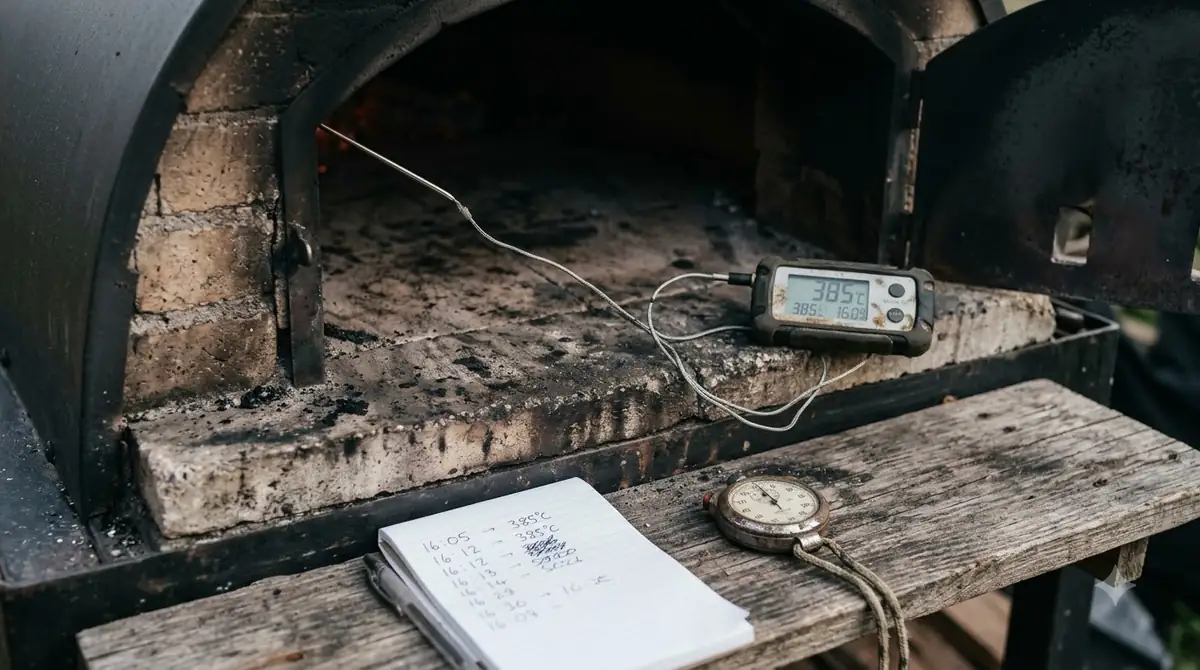

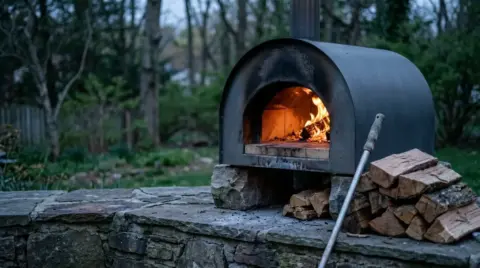
Learning how to cure a wood fired pizza oven means five days of slowly rising fires that drive moisture out of new brick and mortar. Each day has a target temperature, and each fire is held for four to five hours. Rushing the process can crack the masonry, so the schedule matters even when the oven already looks ready.
Why a New Wood-Fired Oven Needs Curing
Curing removes the moisture held in the mortar, so a new brick oven gets a slow series of small fires before its first pizza. Knowing how to cure a wood fired pizza oven starts with understanding why the process is spread over days instead of hours.
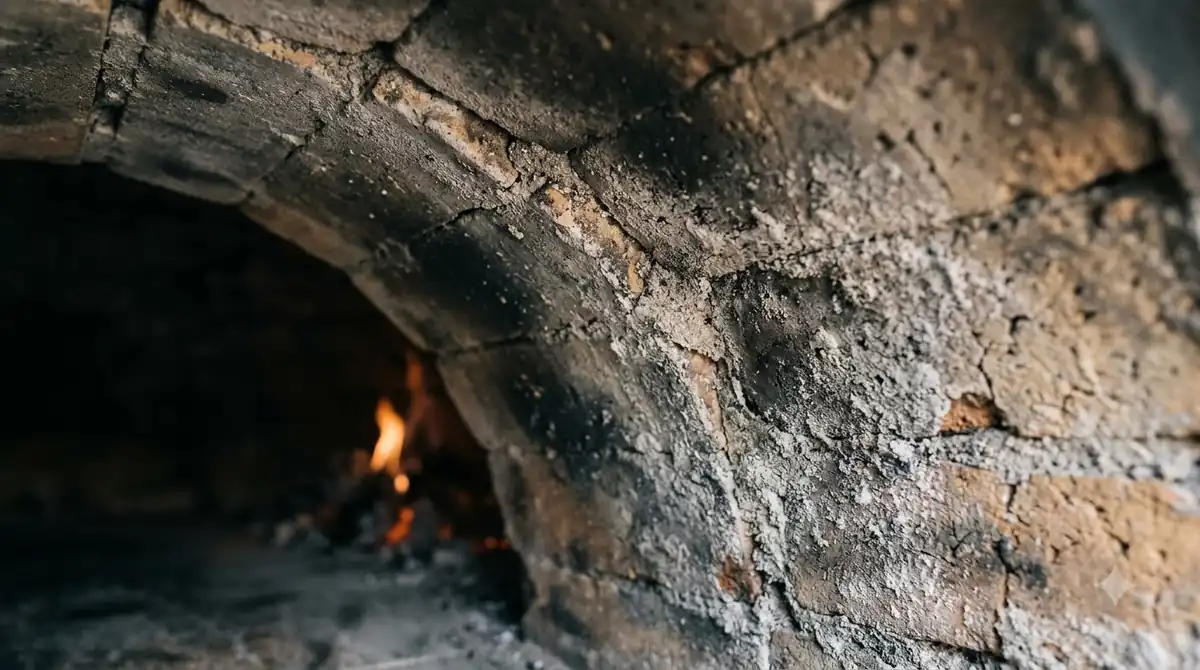
The moisture leaves the masonry gradually. Each day’s hold gives the heat time to work through the structure before the next step up. The Kitchen Whisperer, in its five-day guide, describes curing simply as removing the moisture in the mortar, and The Kitchen Whisperer’s curing guide is the source for the daily routine used here.
Not every oven needs the same treatment for how to cure a wood fired pizza oven. Patio & Pizza’s help center says curing is needed for traditional brick and terracotta ovens, but it is not necessary for portable ones. Patio & Pizza’s curing explainer also advises letting a new oven sit for about a week before the first fire.
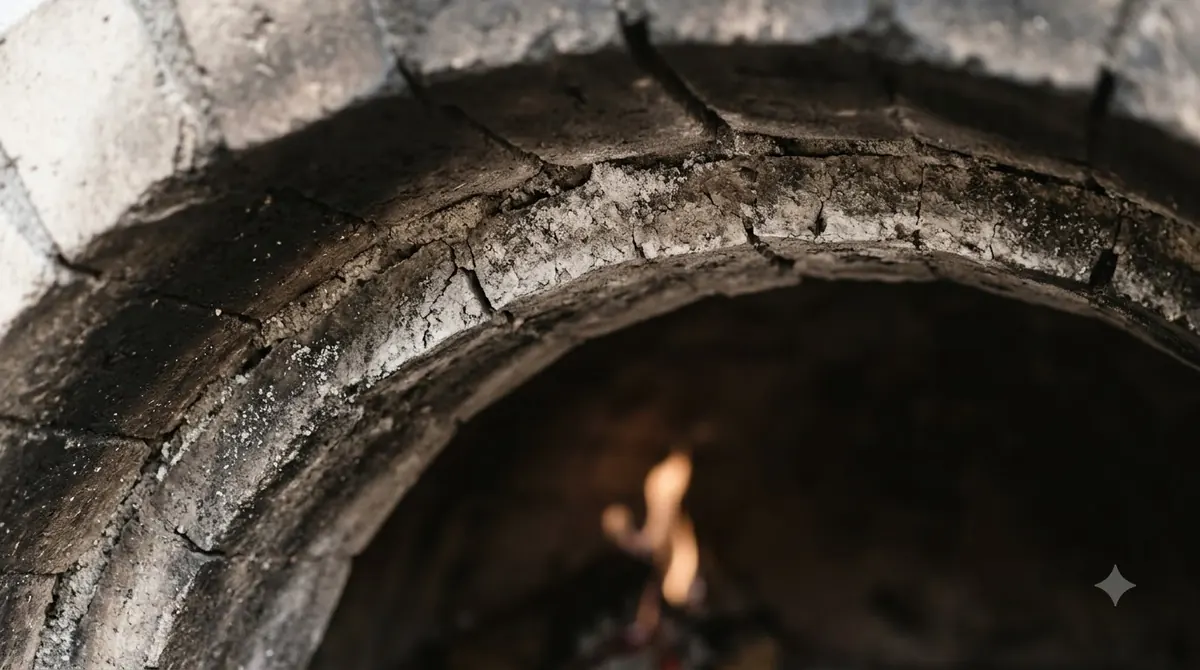
Rushing with a large fire can crack the masonry, and the guide notes that some cracks are normal. That is why the schedule is written as a fixed sequence rather than a suggestion. Skipping ahead to a hotter day to save time puts the structure at risk.
What You Need Before the First Fire
Before you start learning how to cure a wood fired pizza oven in practice, gather dry, seasoned hardwood, a propane torch for lighting and a thermometer whose units you have checked. Each item has a specific job in the schedule.
- Hard, seasoned wood such as oak or maple, stored dry before use.
- A propane torch to light the kindling, held for 30 to 60 seconds or until it catches.
- A thermometer with units you have confirmed, since some ovens read in Celsius.
- A full propane canister on hand if the oven is damp, as Texas Oven Co. advises.
Keep construction lumber, plywood, painted wood and treated wood out of the firebox. The Kitchen Whisperer lists these among the woods to avoid, along with pine, fir and spruce. Dry wood matters for a second reason too when you learn how to cure a wood fired pizza oven: wet wood does not burn well and tends to smoke, which makes the early fires harder to control. For lighting aids, see our picks for the best pizza oven fire starters.
The Five-Day Curing Schedule
The schedule that answers how to cure a wood fired pizza oven climbs from 140°F on day one to 480°F on day five, and each temperature is held for four to five hours. The Kitchen Whisperer and Patio & Pizza list the same five targets, so the schedule is consistent across these two guides.
| Day | Target temperature | Hold time |
|---|---|---|
| Day 1 | 60°C / 140°F | 4 to 5 hours |
| Day 2 | 100°C / 215°F | 4 to 5 hours |
| Day 3 | 150°C / 300°F | 4 to 5 hours |
| Day 4 | 200°C / 400°F | 4 to 5 hours |
| Day 5 | 250°C / 480°F | 4 to 5 hours |
Read the table as a sequence, not a menu. Reaching a higher number early does not replace the hold time, because each day’s target is held for four to five hours before the next day begins.
Oven makers may publish their own schedule for how to cure a wood fired pizza oven of a specific model. Follow that schedule where it exists. The five-day table comes from a food blog and a retailer help page, not from an oven maker, so use it only as a general guide for a brick or masonry oven and follow your maker’s instructions if they differ.
How to Cure a Wood Fired Pizza Oven, Day by Day
Each daily fire in the how to cure a wood fired pizza oven routine follows the same pattern, as The Kitchen Whisperer describes it: small logs first, a torch-lit start, then larger wood as the fire takes hold. Check your oven manual for any lighting or safety instructions that differ. Check the oven about every 30 minutes and add wood as needed.
- Open the door and the air holes, then stack two or three small to medium dry logs at the front middle, leaving gaps for airflow.
- Lay two or three more logs of the same size in the opposite direction, then place one or two on top.
- Tuck small pieces and kindling into the gaps, then light them with a propane torch for 30 to 60 seconds.
- Add progressively larger wood. Full ignition can take 25 to 30 minutes, and a log that is too large can smother the fire.
- Once the first logs form coals, push them toward the middle and build a tee-pee pattern to raise the heat gradually.
- Control the temperature with the door. Open it fully for more air, leave only the air holes open to hold heat, or close it partly to cool down.
- Hold the day’s target for four to five hours, then close the chimney flue, the door and the vents when the fire is finished.
Keep a short written log while you work out how to cure a wood fired pizza oven. Record each day’s start time, target and any problems. Comparing one day with the next makes it easier to spot a fire that is building too fast or burning too cool.
Mistakes That Crack or Stall a New Oven
The guides flag a few mistakes that cause the most trouble: softwood, lumber, oversized fires, an open door at night and wet wood. Each one works against the goal of drying the masonry slowly.
- Burning pine, fir or spruce, which leads to sap, soot and creosote buildup.
- Burning construction lumber, plywood, painted wood or treated wood.
- Building a large fire too early, which can crack the brick and mortar.
- Leaving the door or flue open overnight, since night moisture is exactly what the cure is meant to remove.
- Reading Fahrenheit targets on a Celsius thermometer. One reader did this until Day 3 before noticing.
- Burning wet wood, which does not burn well and may smoke.
If smoke persists, check that the wood is dry and that the air holes are open. If your oven is damp, keep a full propane canister on hand, as Texas Oven Co. recommends. Avoiding these errors is the simplest part of learning how to cure a wood fired pizza oven well.
Reading the Oven as It Cures
Soot makes the vault look dark at first (see also how to clean a wood-fired pizza oven later on), and the brick surfaces turn from black to white as the charcoal burns off the walls. Both changes are part of the normal process for how to cure a wood fired pizza oven.
Texas Oven Co. describes the same darkening and calls it normal. Its author added wood in steps and let each fire establish and burn down before adding more, which keeps the smoke down. The same guide warns against throwing wood against the bricks.
Cracks are a separate question when you study how to cure a wood fired pizza oven. The Kitchen Whisperer says some cracks are normal, but the practical advice is to keep to the schedule rather than rush the next day’s fire. Watching the colour change is a useful check when you study how to cure a wood fired pizza oven, but it does not replace following the temperatures.
When to Cure Again
Ovens on steel bases need more curing time and more frequent cures, according to Texas Oven Co. An oven that has sat unlit for a long time may also need a gentler re-cure before a full fire, so the answer to how to cure a wood fired pizza oven again depends on how long it has been idle.
- Steel-base ovens: plan more curing time and more frequent cures than a masonry base.
- Unused for a while: one Texas Oven Co. author re-cured after about 10 days unlit, starting with low heat from a propane wand.
- Event planning: for an important event, light the oven a couple of days in advance.
Frequently Asked Questions
How many days does it take to cure a wood fired pizza oven?
Five days, according to The Kitchen Whisperer and Patio & Pizza. Each day holds its target for four to five hours. Oven makers may publish their own schedule, so check that first.
Do you need to cure a portable pizza oven?
Patio & Pizza says curing is needed for traditional brick and terracotta ovens and is not necessary for portable ones. Check your model’s instructions before skipping it, since the answer for how to cure a wood fired pizza oven depends on its construction.
What wood should I use while curing?
When you learn how to cure a wood fired pizza oven, use dry, seasoned hardwood such as oak or maple. The Kitchen Whisperer advises against pine, fir and spruce, which leave sap, soot and creosote buildup, and against construction lumber, plywood, and painted or treated wood.
What if the weather is wet or the oven is damp?
The guides read for this article give no fixed rule for rain. Wet wood burns poorly and may smoke, so use dry wood. Texas Oven Co. advises keeping a full propane canister on hand if the oven is damp.
Why does the inside look black during curing?
Soot is normal at first. Texas Oven Co. says the dark vault is expected, and Patio & Pizza says the brick turns from black to white as charcoal burns off the walls.
My thermometer reads wrong. What should I check?
Check the units first. The Kitchen Whisperer notes that some ovens read in Celsius, and one reader followed Fahrenheit targets on a Celsius thermometer until Day 3.
Treat days one and two as the foundation, because the early fires set up everything after them. If the oven reads oddly or the schedule feels off, stop and follow the maker’s instructions rather than guessing. Taking the cure slowly, which is the whole point of how to cure a wood fired pizza oven, gives the masonry the best chance to dry evenly before real pizza goes in. When the cure is done, our guide on how to light a wood-fired pizza oven covers your first cooking fire.
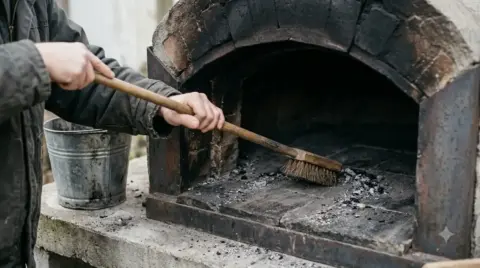 9 min readBy Use & ModelHow to Clean a Wood Fired Pizza Oven SafelyUpdated Nov 11, 2026
 8 min readBy Use & ModelGozney Tread First Use: How to Cure and Light Your OvenUpdated Nov 7, 2026
 9 min readBy Use & ModelGozney Arc XL Manual: How to Set Up, Light and Cure Your OvenUpdated Nov 7, 2026
 7 min readBy Use & ModelOoni Fyra 12 Wood Pellets: What to Burn and How MuchUpdated Nov 8, 2026
 9 min readBy Use & ModelGozney Roccbox Wood Burner: Fuels, Wood Types and SafetyUpdated Nov 10, 2026
 8 min readBy Use & ModelHow to Light Ooni Karu 16 With Wood, Charcoal or GasUpdated Nov 7, 2026