
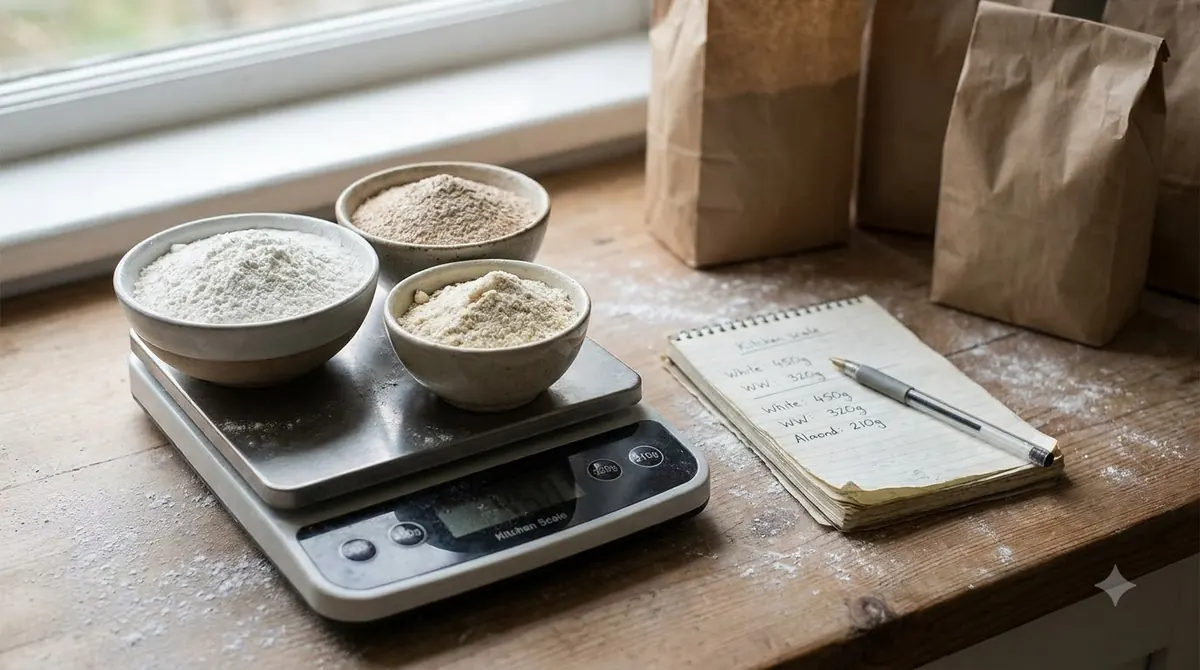

Learning how to make biscotti is mostly about the double bake. Shape the dough into a log, bake it until just set, slice it while warm, then bake the slices again until dry and crisp. The first bake is at 325°F to 350°F, and the second bake dries the cookies enough to dunk in coffee.
Biscotti are simple to mix: flour, sugar, eggs, leavening and a flavoring such as almond or citrus. The method matters more than the ingredient list, because the slicing and second bake decide whether the cookies come out crunchy or soft. The steps below follow the methods from the two recipe sources listed in this guide.
Why Biscotti Are Baked Twice
Biscotti are baked twice because the first bake sets the dough into a firm log, and the second bake drives out moisture so the slices turn crisp instead of cakey.
Skipping the second bake leaves a soft, bread-like cookie. Baking the slices longer makes them crunchy enough to hold up to coffee or dessert wine, which is how the cookie is traditionally eaten in Italy.
How to Make Biscotti Dough
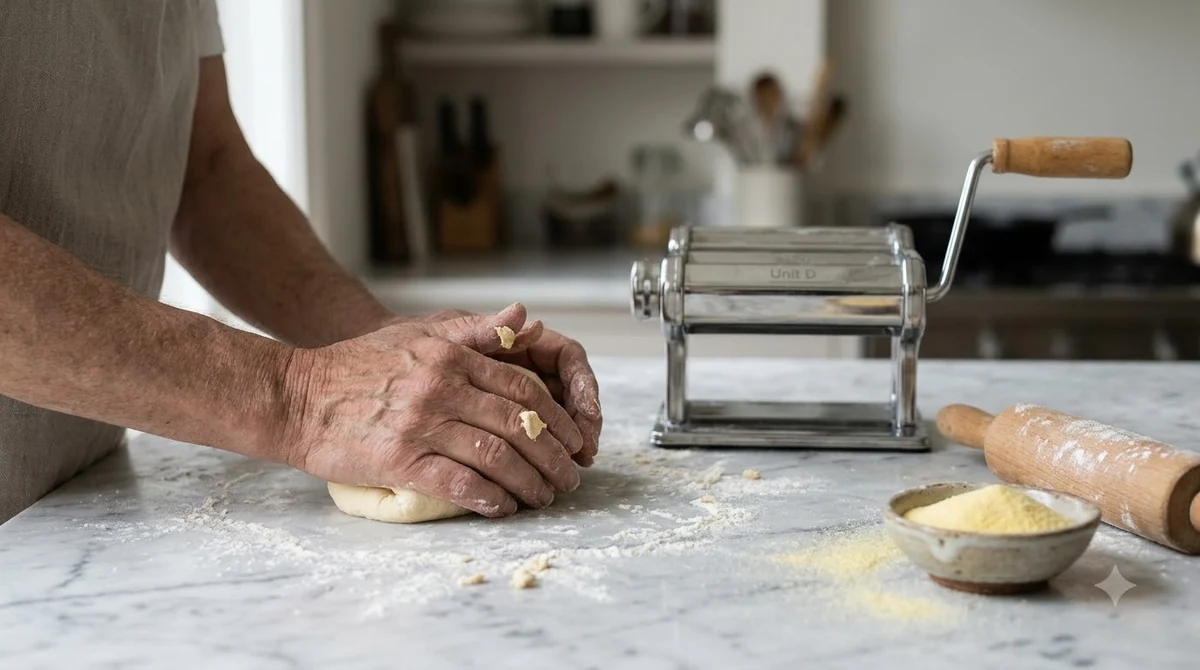
A typical batch uses about 1 1/2 cups of all-purpose flour, 1/2 cup of sugar, 1 whole egg plus 1 egg white, and 1 1/2 teaspoons of baking powder, according to one recipe checked for this guide.
Some versions use butter, while others use a neutral oil or coconut oil. Mix the wet ingredients first, then fold in the flour just until no dry streaks remain. Stir in nuts or chocolate last so the dough stays easy to shape.
| Step | Oven setting | Time |
|---|---|---|
| First bake (log) | 325°F to 350°F | 25 to 30 minutes, until golden and just beginning to crack |
| Cool and slice | Room temperature | Cool 30 minutes, then cut 1/2-inch slices |
| Second bake (slices) | Same oven, flip halfway | About 10 minutes, or until crisp and golden on both sides |
How to Shape and Bake the Log
Shape the dough into one or two flat logs about 2 inches wide on a parchment-lined sheet. Keep the logs spaced apart, since they spread a little as they bake.
Bake the log until it is golden and just starting to crack on top. The America’s Test Kitchen almond biscotti method bakes the loaves at 325°F for 25 to 30 minutes, rotating the pan halfway through. Leave the oven on for the next step.
- Bake the log until golden and just cracking on top.
- Cool on the sheet for about 30 minutes so it can be sliced without crumbling.
- Cut 1/2-inch slices with a serrated knife, using a gentle sawing motion.
- Lay the slices cut side down on a rack and bake until crisp.
How Long to Bake the Second Time
The second bake usually takes about 10 minutes per side at a moderate heat, and the slices are done when both faces are crisp and golden. Flip them halfway through so the color stays even.
Recipes differ on the second-bake temperature. Some keep the same heat from the first bake, while others lower it to 300°F to dry the slices gently. The Tasting Table Italian biscotti recipe bakes the slices for 5 minutes, flips them, and bakes 5 more minutes until lightly browned.
Flavor Changes When You Make Biscotti at Home
Once you know how to make biscotti in the basic form, the flavor is easy to change. Almonds are the classic choice, and they are often toasted before they go into the dough so the cookie tastes deeper. Chopped hazelnuts or pistachios work the same way, but they should be chopped evenly so the slices cut cleanly.
Citrus zest is another simple option. Orange or lemon zest added to the eggs and sugar gives a bright flavor without changing the structure of the dough. Chocolate chips or chopped dark chocolate can be folded in at the end, but they melt a little in the first bake, so keep the amount modest.
Dipping the finished cookies in melted chocolate is a popular finish. Let the chocolate set fully on parchment before storing the biscotti, so the coating does not stick to the container. Keep the dipping step separate from the bake, since heat from the oven will melt the coating.
Tips for Crisp Biscotti
Cool the biscotti completely before storing them, since trapped steam makes them soft. Store them in an airtight jar at room temperature. They keep their crunch much longer than a soft cookie.
If the slices feel soft after the second bake, return them to the oven for a few more minutes and let them cool on the rack. Over-browning is the usual mistake, so watch the color in the final minutes.
Frequently Asked Questions
Why are my biscotti too soft?
Soft biscotti usually mean the second bake was too short or the slices were not dried long enough. Bake them a few more minutes until they feel firm and golden on both sides.
Do you have to slice biscotti while warm?
Let the log cool for about 30 minutes first. A warm log is fragile and crumbles, but a log that is fully cold is harder to cut cleanly. Slice when it is just cool enough to handle.
Can biscotti be made without butter?
Yes. The Tasting Table recipe uses coconut oil in place of butter, and many biscotti are made with oil only. The texture will be slightly different, but the double bake still gives the crunch.
How long do homemade biscotti last?
Store fully cooled biscotti in an airtight container at room temperature. Because the cookies are dry, they keep well for a long time. Check the sources and your own recipe for specific storage advice.
Learning how to make biscotti becomes easy after one batch. Keep the first bake gentle, slice while the log is still slightly warm, and dry the slices until they are crisp. Once you know the timing for your own oven, you can change the flavors freely with almonds, citrus or chocolate.
 9 min readLearnHow to Par Bake Pizza Crust for a Crisp BaseUpdated Nov 10, 2026
 8 min readLearnTimballo Recipe: How to Bake This Italian Pasta Drum at HomeUpdated Nov 11, 2026
 6 min readLearnHow to Make Pasta with Peas and Prosciutto: Crisp and CreamyUpdated Nov 13, 2026
 7 min readLearnMushroom Pizza Recipe: How to Make It Crisp at HomeUpdated Nov 10, 2026
 9 min readLearnSpaghetti and Meatballs Recipe: Classic Italian-American MethodUpdated Nov 10, 2026
 8 min readLearnPuttanesca Sauce Recipe: A Classic Italian MethodUpdated Nov 10, 2026