

A puttanesca sauce recipe is a fast tomato sauce built on garlic, chili, black olives and capers, and the cooking takes about 20 to 25 minutes. The published method uses one can of chopped tomatoes, 100 g of olives and 50 g of capers for 360 g of pasta.
Rome and Naples both claim the sauce, and the main difference between versions is whether anchovies go in. The steps below follow one published puttanesca sauce recipe, with its amounts and timings.
Core Ingredients in a Puttanesca Sauce Recipe
A classic puttanesca sauce recipe is built on canned tomatoes, black olives, capers, garlic, chili and olive oil. Anchovies are the one ingredient that many cooks treat as optional.
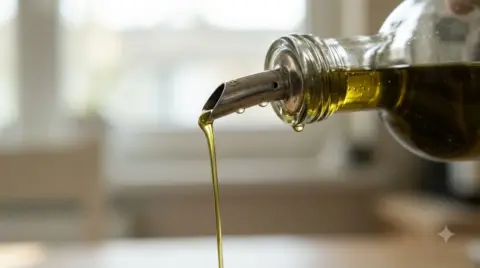
The published method calls for 360 g of spaghetti pasta, bucatini pasta or penne. The sauce uses one can of chopped tomatoes, two finely chopped garlic cloves, two tablespoons of extra virgin olive oil (types of olive oil) and a tiny pinch of crushed chili. Salt is added to taste at the end of simmering.
Olives form the body of this puttanesca sauce recipe. The recipe suggests 100 g of black olives, with Gaeta or Kalamata as the choices named. Capers add a sharp, salty bite, and the recipe gives 50 g as the amount (see best capers for pasta sauces if you want to buy a jar). The Wikipedia entry on the dish describes the sauce as a little salty because of the capers, olives and anchovies, so taste before you add more salt.
- 360 g spaghetti, bucatini or penne
- 1 can chopped tomatoes
- 100 g black olives, Gaeta or Kalamata
- 50 g capers
- 2 garlic cloves, finely chopped, with 2 tablespoons of extra virgin olive oil and a tiny pinch of crushed chili
- 4 anchovy fillets, optional
Where the Puttanesca Name and Recipe Come From
The sauce has no single documented inventor, and the name is still debated. The dish may have been invented in one of the brothels of the Quartieri Spagnoli in Naples, where a quick meal could be made from pantry staples between clients, according to the Wikipedia article on the dish.
An earlier puttanesca sauce recipe of this kind appears well before the name. Ippolito Cavalcanti’s 1844 cookbook lists vermicelli with oil, olives, capers and anchovies under a different title. The name appears in print in Raffaele La Capria’s 1961 novel, and the sauce became popular in the 1960s, according to the Italian pasta makers’ union cited by Wikipedia.
Another account credits Sandro Petti, co-owner of a restaurant on the island of Ischia, with inventing the sauce in the 1950s, based on a 2005 article in the Il Golfo newspaper. Sources do not settle the question, so treat the origin story as folklore rather than fact.
The clearest regional split is the anchovies. The Roman version includes them, while the Neapolitan version is prepared without anchovies, according to The Local’s recipe. In Naples the dish is called “aulive e cchjapparielle,” which means olives and capers. The recipe also dates the dish to the nineteenth century and places its origin in early twentieth-century Naples.
Step-by-Step Puttanesca Sauce Recipe
Follow these steps for a puttanesca sauce recipe that takes about 20 to 25 minutes of cooking, using the timings from The Local’s method. Start the pasta water while the garlic and chili are cooking.
- Heat 2 tablespoons of olive oil, 2 chopped garlic cloves and a tiny pinch of crushed chili slowly in a deep non-stick pan for about 5 minutes.
- If you use anchovies, add the 4 fillets and cook until they melt into the oil. Skip this step for the Neapolitan style.
- Stir in 50 g of capers and 100 g of black olives, then cook over medium heat for about 5 more minutes, stirring now and then.
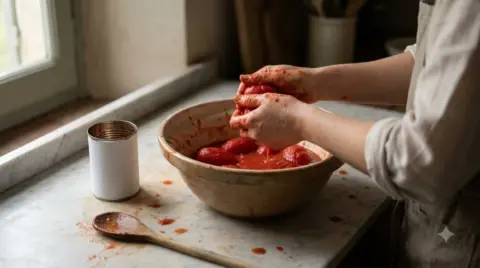
- Add the can of chopped tomatoes and bring the sauce to a boil. Reduce the heat once it bubbles and simmer for 10 to 15 minutes. Season with salt to taste.
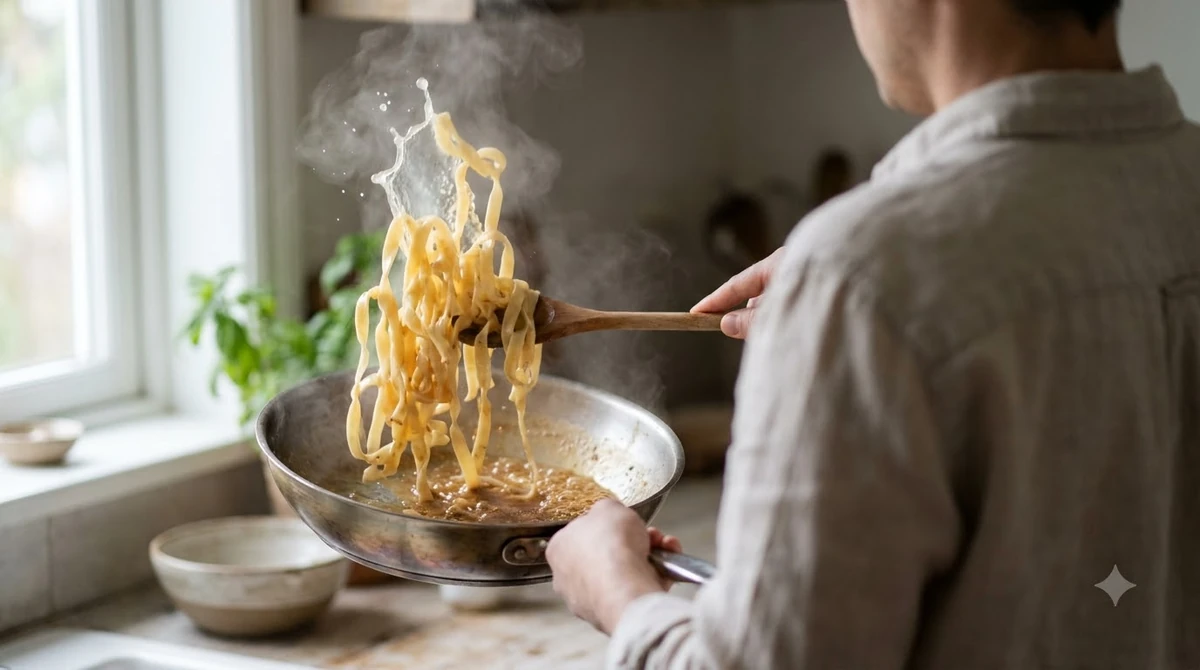
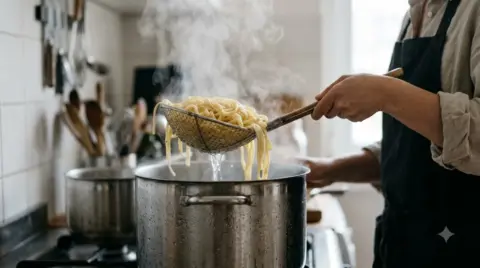
- Cook the pasta in salted water according to the package instructions. Save a ladleful of the cooking water before draining (why starchy pasta water helps sauce), then drain the pasta into the sauce pot.
- Add the reserved water and toss for a couple of minutes until the water evaporates. Serve immediately.
For a deeper flavor, the same method suggests taking the pan off the heat after the capers and olives go in, covering it and letting the oil steep for a couple of hours before you finish the sauce. This make-ahead step is optional but easy to fit around other cooking.
The Wikipedia entry gives a different sequence for the same puttanesca sauce recipe, with oregano added alongside the tomatoes and parsley used as a finish. It gives no quantities for these herbs, so add them to taste if you want them. Both versions end with the sauce tossed through the pasta rather than spooned over the top.

Choosing Anchovies, Olives and Capers
Anchovies, olives and capers each change the flavor of a puttanesca sauce recipe, so choose them by how salty and sharp you want the result. The table below compares the choices the published recipe describes.
| Ingredient | Amount in the method | Effect on the sauce | Choice to make |
|---|---|---|---|
| Anchovy fillets | 4, optional | Melt into the oil for savory depth | Include for the Roman style, skip for the Neapolitan style |
| Black olives | 100 g | Salty, meaty body | Gaeta or Kalamata, as the recipe suggests |
| Capers | 50 g | Sharp, briny bite | Use the given amount, then taste before adding salt |
| Canned tomatoes | 1 can, chopped | Sauce base | Chopped canned tomatoes, as the recipe specifies |
Olives and capers are both salty, which is why the sauce needs careful seasoning. Taste the sauce after it has simmered, and add salt only if it still tastes flat. Adding anchovies makes the sauce saltier, so skip extra salt when you include them.
Common Mistakes and When the Recipe Does Not Fit
The most common mistakes with a puttanesca sauce recipe are adding cheese, skipping the pasta water and leaving the sauce to simmer too long before the pasta is ready.
Heat is the other common problem. The method uses slow heat for the garlic and chili, medium heat once the capers and olives go in, and a boil only to start the tomatoes before reducing the heat. Following those stages in order is the simplest way to cook a puttanesca sauce recipe as written.
The recipe says puttanesca is traditionally served without grated cheese, because the strong flavors of capers and olives clash with it. Serve the sauce plain, with a little parsley if you like.
- Do not drain the pasta without saving some of the cooking water first.
- Do not skip the final toss, since the method cooks the pasta in the sauce for a couple of minutes until the water evaporates.
- Do not simmer the tomatoes for much longer than the 10 to 15 minutes the method gives.
The recipe gives no cooking time for the pasta, so check the package instructions and cook to the time printed there. It lists penne as an option alongside spaghetti and bucatini, so choose the shape you already have on hand.
This sauce suits people who enjoy salty, sharp flavors. If you dislike capers or anchovies, a plainer tomato sauce will fit you better, and the regional variations described above show that the recipe itself is not fixed.
Frequently Asked Questions
Are anchovies required in a puttanesca sauce recipe?
No. In a puttanesca sauce recipe, the published method marks anchovies as optional. The Roman version usually includes them, while the Neapolitan version is prepared without them.
Which olives should I use?
The recipe suggests Gaeta or Kalamata black olives, and it calls for 100 g in total. Any juicy black olive can work if you cannot find either of those two.
What does a puttanesca sauce recipe taste like?
A puttanesca sauce recipe tastes salty and sharp, with savory depth from the anchovies if you include them. The salt comes mainly from the capers and olives, and a tiny pinch of crushed chili adds a light heat.
Should I add cheese to puttanesca?
The published recipe says the sauce is traditionally served without grated cheese. Serve it plain so the capers and olives remain the main flavor.
How long does the sauce take?
The method gives about 5 minutes for the garlic and chili, about 5 minutes once the capers and olives go in, and 10 to 15 minutes of simmering after the tomatoes. Cook the pasta while the sauce simmers.
Can I make the sauce ahead?
Yes. For a puttanesca sauce recipe, the method suggests covering the pan and letting the oil steep for a couple of hours after the capers and olives go in, then finishing the sauce later.
Choose anchovies or leave them out based on the flavor you want, and keep the rest of the puttanesca sauce recipe as written. Start the pasta when the sauce is almost ready, then serve both straight away while they are hot. Because the ingredients are mostly pantry staples, this puttanesca sauce recipe works well as a weeknight dinner when you want a full-flavored plate in under half an hour. Another pantry dinner built on canned fish is our tuna pasta recipe.
 7 min readLearnHow to Make Pasta Puttanesca: A Quick Classic RecipeUpdated Nov 13, 2026
 9 min readLearnSpaghetti and Meatballs Recipe: Classic Italian-American MethodUpdated Nov 10, 2026
 8 min readLearnItalian Salsa Verde Recipe: A Classic Parsley SauceUpdated Nov 11, 2026
 6 min readLearnItalian Cream Cake Recipe: Southern Classic With Pecans and CoconutUpdated Nov 13, 2026
 8 min readLearnBolognese Sauce Recipe: How to Make a Classic Ragu at HomeUpdated Nov 10, 2026
 8 min readLearnCacio e Pepe Recipe: Simple Method for a Creamy SauceUpdated Nov 10, 2026