
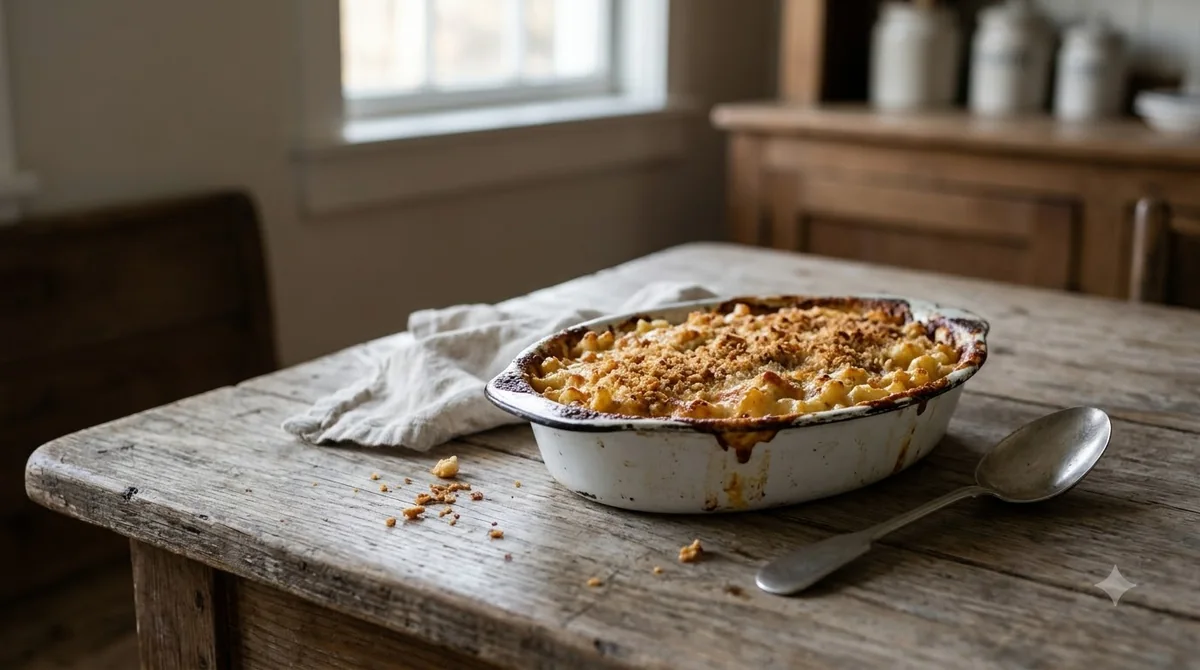

A timballo recipe produces a baked Italian pasta drum built from pasta or crêpes, meat sauce, cheese and béchamel. Cooks bake it in a dome or springform pan, then slice it into wedges. Recipes vary by region, so the method below follows published versions.
The base changes from place to place. Abruzzo uses crêpes, while other regions use dried pasta, so pick one style and follow its bake and rest times.
What is a timballo recipe?
A timballo is an Italian baked dish of pasta, rice or potatoes combined with other ingredients, and the name comes from the French word for kettledrum.
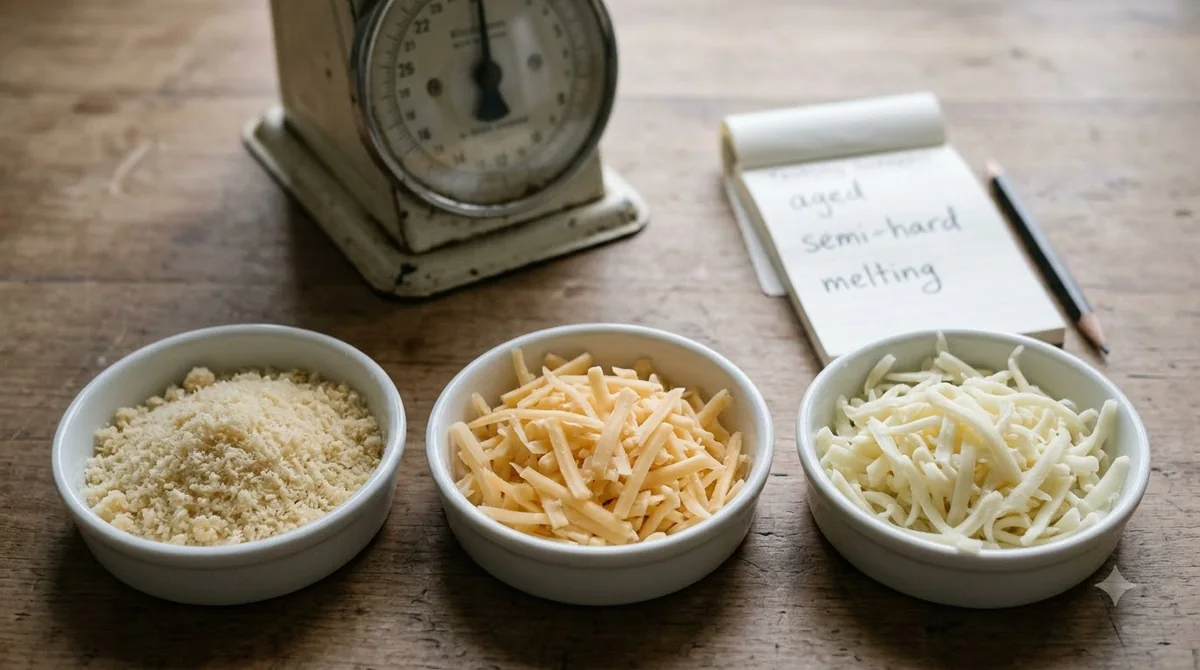
According to Wikipedia’s timballo entry, cooks often use eggs or cheese as a binder and prepare the dish in a dome or springform pan. Any timballo recipe starts with a base, a filling and that binder, so the steps below apply across most versions.
The dish is older than its film fame. Wikipedia notes that it appears in Giuseppe Tomasi di Lampedusa’s 1958 novel The Leopard, and that the 1996 film Big Night calls it timpano. Béchamel sauce is the ingredient that appears most consistently, according to Anna Del Conte, as cited on the same page.
A timballo is a dish for a crowd. The Almanac timpano recipe is written for 16 servings, which shows how large one bake can be.

Timballo vs timpano: is it the same dish?
Timballo is the Italian term, and timpano is the name used for the dish in Big Night. The two words usually describe the same baked drum shape, although recipes that use the name timpano often build a different shell.
The Old Farmer’s Almanac timpano recipe uses a pasta dough shell made from 4 cups flour, 4 eggs, 1 teaspoon salt, 3 tablespoons olive oil and 1/2 cup water. Its filling includes ziti, meatballs, salami, provolone and hard-boiled eggs. The Teramo timballo, by contrast, is built with crêpes instead of a dough shell.
If you search for a timballo recipe online, you will see both names. Match the name to the method, not the title, before you decide which steps to follow.
Regional versions across Italy
Each region builds its timballo recipe from a different base. The table compares the versions described in the sources used for this guide.
| Version | Base | Filling |
|---|---|---|
| Teramo, Abruzzo | Crêpes | Meat sauce, meatballs, binder, pecorino |
| Emilia-Romagna (bomba) | Dried pasta | Pigeon or other game bird, peas, local cheese |
| Sicily | Pasta | Eggplant |
| Parmigiana style (Campania) | Ziti or zitoni | Tomato sauce, fried eggplant, mozzarella |
In Teramo, the crêpe batter is made from 6 eggs, 200 g flour, 200 ml water, olive oil and pecorino. The Emilia-Romagna version, called bomba, sits on dried pasta and holds a game bird filling, according to Wikipedia. Other named versions include timballo alberoni, with a mushroom and shrimp sauce, and timballo pattadese, with veal and tomato sauce.
The origin of the Neapolitan-style version is disputed. The Pasta Project notes that some historians credit the Arabs, others the Renaissance, and others French chefs working in the Kingdom of Sicily during the 18th and 19th centuries. Those chefs were called monzù.
Each version of the timballo recipe names its own base and filling, so compare the ingredient list before you shop.
Ingredients for a timballo recipe
A timballo recipe needs a base, a meat sauce, a binder and a pan that fits its dome shape. The quantities below come from the Pastagrammar teramano recipe, which makes a 10-inch timballo.
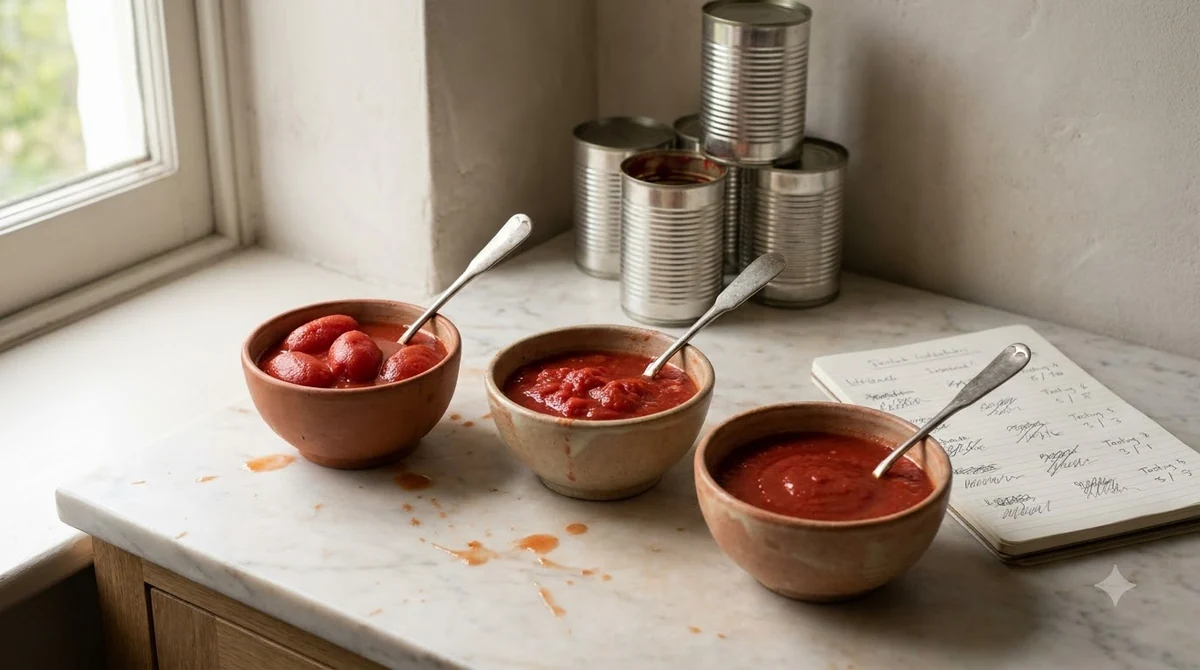
- Base: 6 eggs, 200 g flour, 200 ml water, 1 tablespoon olive oil, a pinch of salt and a generous grating of pecorino for the crêpe batter.
- Meat sauce: 565 g pork loin, 3 pork spare ribs, 680 g tomato purée, 3/4 cup white wine and 355 ml water, simmered for 2 to 3 hours.
- Meatballs (optional): 170 g ground beef, 170 g ground pork, 28 g grated pecorino, 1 egg and about 85 g dry breadcrumbs, rolled small and fried.
- Binder: 2 tablespoons unsalted butter and 120 ml whole milk, whisked with 2 eggs and poured into the holes in the timballo.
- Pan: a dome or springform pan. Check the pan size against the recipe, since the Teramo version is written for a 10-inch timballo.
Measure your pan before you shop. Our ragù alla napoletana recipe is another meat sauce to consider. The Teramo quantities are written for a 10-inch timballo recipe, and a different size changes how many layers fit.
How to assemble the timballo
Layer the base, sauce and filling in order, then add the binder before baking. The base, sauce and filling layers are the core of any timballo recipe. The Pasta Project’s parmigiana timballo is layered like lasagna and baked in the oven. For the eggplant side of that style, see our eggplant parmesan recipe.
- Make the crêpe batter and the meat sauce, then let both cool to room temperature before you assemble.
- Fry the meatballs until browned on all sides and set them aside.
- Build the layers with the base, sauce and filling until the pan is full.
- Pour the 2 eggs whisked with the butter and milk into the holes in the timballo.
- Finish with a final layer of base, then cover the top before baking.
Baking and resting the timballo
A Teramo timballo recipe bakes at 350°F (175°C), covered for 30 minutes and uncovered for 30 more, until the top is crispy and slightly browned.
- Preheat the oven to 350°F (175°C).
- Cover the timballo with aluminum foil and bake for 30 minutes.
- Remove the foil and bake for 30 more minutes, until the top is crispy and slightly browned.
- Let the timballo cool for 30 minutes before you serve it.
The Old Farmer’s Almanac timpano recipe runs longer. It bakes at 350°F until lightly browned, about 1 hour, then covers with foil for about 30 more minutes until the internal temperature reaches 120°F. The article advises resting it 30 minutes or more, then inverting it onto a platter and cooling it 20 minutes before cutting.
Check the timballo recipe you follow for its exact time and temperature. The two recipes above use different doughs and sizes, so their bake times do not match.
Common mistakes and make-ahead tips
A timballo recipe holds its shape best when the filling is not wet and the dish rests before you cut it. Taste the sauce before you layer it, because seasoning is hard to correct once the pan is full.
- Too much sauce: the Almanac timpano recipe advises adding only enough sauce to keep the pasta together, because extra liquid can make the dish wet and cause it to collapse.
- Cold components: set everything out at room temperature before filling, since the dough can dry out while you layer.
- Slicing too early: rest at least 30 minutes after baking, which the Almanac calls critical for holding the shape.
- Make-ahead prep: make the sauce, pasta and meatballs the night before, then assemble on baking day.
Frequently Asked Questions
Is timballo the same as timpano?
They describe the same style of baked pasta drum. Timballo is the Italian term, while timpano is the name used in the 1996 film Big Night. Recipes differ in base and filling, so check which version you are following.
What oven temperature does a timballo recipe use?
The Pastagrammar teramano recipe uses 350°F (175°C), with 30 minutes covered and 30 minutes uncovered. The Almanac timpano recipe also uses 350°F, but bakes about an hour before covering with foil for 30 more minutes.
How long should a timballo rest?
Published recipes suggest at least 30 minutes after baking. The Almanac advises resting 30 minutes or more, then cooling 20 minutes after inverting the dish onto a platter.
Can I make a timballo ahead?
Yes, the Almanac timpano recipe suggests preparing the sauce, pasta and meatballs the night before. Assemble and bake the dish on the day you plan to serve it.
Which pan works for a timballo?
Wikipedia says the dish is prepared in a dome or springform pan. The Almanac suggests a wide, round enamelware bowl or a deep enameled Dutch oven gives the dome shape.
How many people does a timballo recipe serve?
The Almanac timpano recipe is written for 16 servings in a 6-quart enamelware bowl, and the article notes there may be leftovers. The Pastagrammar teramano recipe makes a 10-inch timballo but does not give a serving count.
Can I use ziti in a timballo?
Yes, the Almanac timpano recipe uses 3 pounds of ziti cooked very al dente, about half the package time. The Pasta Project’s parmigiana version uses zitoni that are 25 cm long, and it is layered like lasagna. For a simpler ziti bake, see our baked ziti recipe.
Start with the Teramo crêpe timballo recipe if you want a 10-inch dish, or the Almanac timpano if you are feeding a larger group. Either way, bake at 350°F and let the timballo rest before you slice it.
 8 min readLearnWhat Is Scamorza? A Guide to This Southern Italian CheeseUpdated Nov 11, 2026
 7 min readLearnWhat Is Caciocavallo? A Practical Guide to This Italian CheeseUpdated Nov 11, 2026
 9 min readLearnWhat Is Grana Padano? A Simple Guide to This Italian Hard CheeseUpdated Nov 11, 2026
 7 min readLearnWhat Is Provolone? A Practical Guide to This Italian CheeseUpdated Nov 10, 2026
 8 min readLearnPizza Pasta Bake Recipe: A Six-Serving Pepperoni VersionUpdated Nov 12, 2026
 5 min readLearnHow to Make Biscotti: Double Bake Method for Crisp Italian CookiesUpdated Nov 13, 2026