
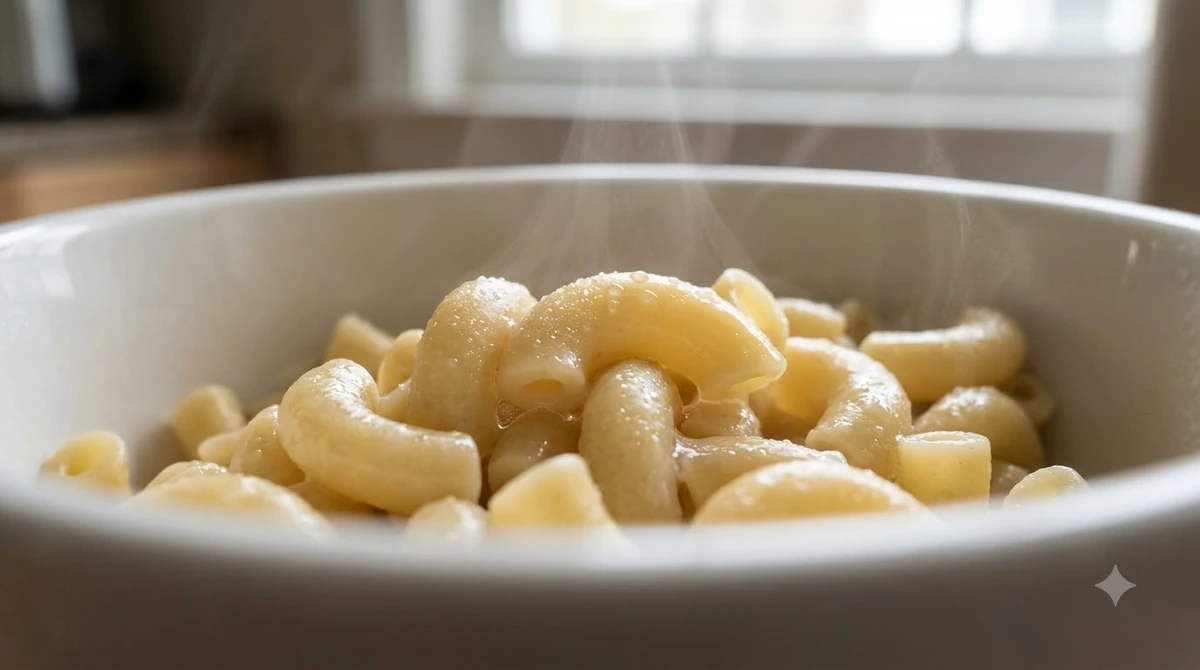

Here is how to make lemon ricotta pasta: cook short pasta in well-salted water, save a cup of the cooking water, then stir whole milk ricotta, grated Parmesan, lemon zest and juice, garlic and herbs into a creamy sauce that coats every piece. The sauce is built in the same pot as the drained pasta, so the heat melts the cheese without any cooking down. The whole dish takes about 20 minutes and needs only one pot and one bowl for the herbs.
What You Need for Lemon Ricotta Pasta
A dinner for four to six uses one pound of short pasta, a 15-ounce tub of whole milk ricotta, half a cup of grated Parmesan, one small lemon, two garlic cloves, and fresh basil plus another herb such as dill, chives or parsley.
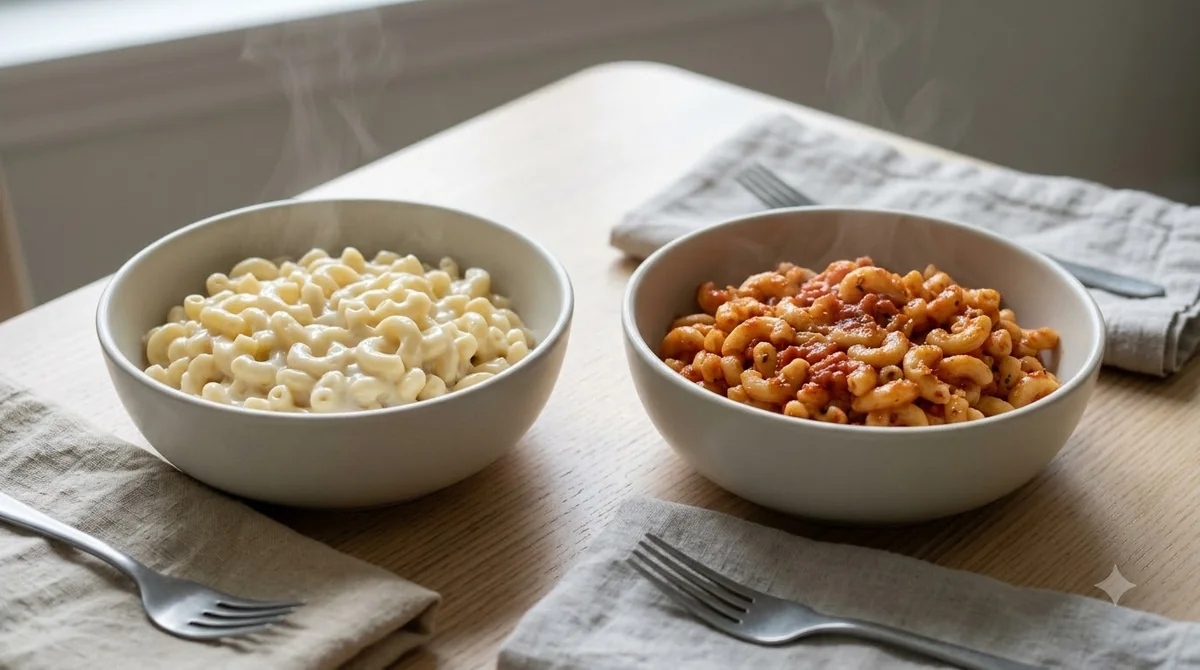
Whole milk ricotta gives the sauce body. Part-skim versions are thinner and can look grainy once the pasta is tossed through, so pick the full-fat tub when you can. Use kosher salt for the pasta water and a separate half teaspoon for the sauce, and add black pepper and red pepper flakes to taste. A recipe developer’s ingredient list uses this same balance of cheese, lemon and herbs.
How to Make Lemon Ricotta Pasta Step by Step
Cook the pasta in one pot, reserve the water, and build the sauce in the same pot after draining. This keeps the sauce warm and lets the starch in the water bind everything.
- Bring a large pot of water to a boil and salt it well. Cook the pasta until just al dente, following the package time.
- Before draining, scoop out about 1 to 1½ cups of the pasta water and set it aside.
- Return the empty pot to low heat. Add the ricotta, Parmesan, grated garlic, salt, pepper and red pepper flakes, then stir until smooth.
- Zest the lemon over the pot, then add the juice. Stir in about one cup of the reserved water until the sauce is glossy.
- Add the drained pasta, chopped basil and the second herb. Toss over low heat for a minute or two until the sauce clings to the noodles.
- Taste, adjust the salt, and add more pasta water a splash at a time if it looks tight. Serve right away with extra Parmesan and herbs.
Keeping the Ricotta Smooth Instead of Clumpy
Cold ricotta is the most common reason this sauce turns grainy. Let the tub sit on the counter while the water heats, and whisk it smooth before it goes near the heat.
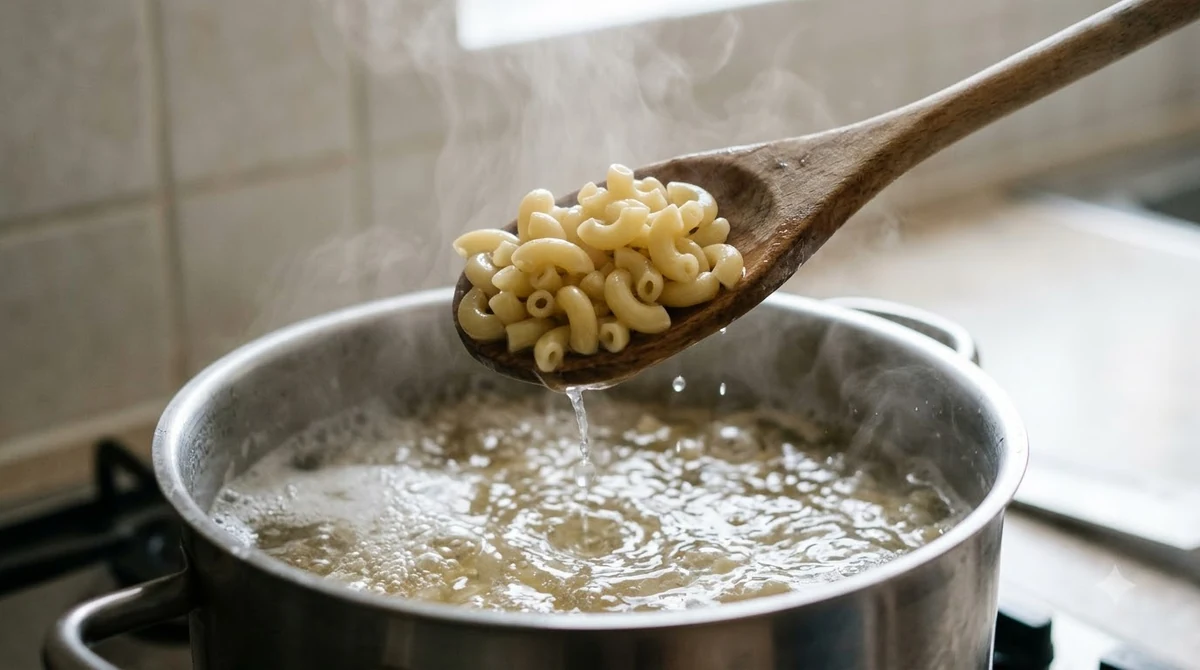
Adding the pasta water in small splashes works better than pouring in a large amount at once. The starch in the water helps the cheese emulsify, so the sauce turns creamy rather than watery. If the sauce still looks thick after tossing, add another spoonful of water. A second source, Don’t Sweat the Recipe, describes the same method: reserve the water first, then add it little by little until the noodles are glossy.
Using Lemon Zest and Juice Correctly
Zest carries the aroma and juice gives the sharp finish. Add both at the end so the bright flavor does not cook off.
Zest the lemon directly over the pot so the oils fall into the sauce. Start with the juice of one small lemon and taste before adding more, because a lemon’s acidity varies. If the sauce tastes flat, add a pinch of salt before adding more lemon. Keep the lemon out of the pot while the pasta is still boiling, since heat dulls the flavor.
Variations and Serving Ideas
The base sauce for how to make lemon ricotta pasta is flexible. Dill, chives or parsley can replace basil, and long pasta such as bucatini or spaghetti works just as well as short shapes.
For a heartier plate, stir in blanched peas or sauteed spinach at the end. Serve with a grind of black pepper and a little more Parmesan. The sauce is best eaten fresh because ricotta thickens as it sits, so plan to serve it right after tossing.
Common Mistakes to Avoid
Most failed batches of how to make lemon ricotta pasta come down to three habits: draining the pasta without saving water, adding the lemon to a boiling pot, and letting the sauce sit too long before serving.
Draining everything is the first mistake. Once the water is gone, the sauce has nothing to loosen it, and the cheese can tighten into a dense paste. Keep the cup of cooking water within reach and use it in small amounts. Another common error is putting the lemon juice in while the pot is still very hot. Heat can make the citrus taste dull and can also make the cheese seize, so pull the pot off the burner or keep the heat very low when the lemon goes in.
The third mistake is waiting. The sauce tightens within a few minutes, so have the plates or bowls ready before the pasta is tossed. If you need to hold it briefly, cover the pot off the heat and loosen it with a splash of water just before serving. Tasting at each step also helps, because the saltiness of the Parmesan and the pasta water changes the flavor, so a final pinch of salt is often the difference between a good plate and a great one.
Frequently Asked Questions
Can I use part-skim ricotta for lemon ricotta pasta?
You can, but the sauce will be thinner and less rich. Whole milk ricotta holds together better when it is heated and tossed with pasta water.
Why does my ricotta sauce look grainy?
The usual causes are cold ricotta, too much heat, or skipping the pasta water. Let the ricotta come to room temperature, keep the heat low, and whisk in the water slowly.
How much lemon should I use?
Start with the zest and juice of one small lemon, then taste. Add more only if the dish needs brightness, because too much lemon can overpower the cheese.
What pasta shape works best?
Shapes with ridges or hollows, such as cavatappi, penne or shells, trap the sauce well. Long pasta like bucatini also works if you toss it in the pot with the sauce.
Knowing how to make lemon ricotta pasta is one of the easiest ways to get a bright, creamy dinner on the table in under half an hour. Keep the ricotta at room temperature, save the pasta water before you drain, and add the lemon last. Once you have the method down, swap the herbs or add a vegetable to make it your own.
 7 min readLearnHow to Make Pasta Puttanesca: A Quick Classic RecipeUpdated Nov 13, 2026
 6 min readLearnHow to Make Pasta with Zucchini and Lemon: Light and FreshUpdated Nov 13, 2026
 9 min readLearnSpinach and Ricotta Pizza Recipe: How to Build a Creamy, Dry-Bottomed PieUpdated Nov 10, 2026
 6 min readLearnHow to Make Pasta with Peas and Prosciutto: Crisp and CreamyUpdated Nov 13, 2026
 8 min readLearnPink Sauce Recipe: How to Make Creamy Tomato Pasta Sauce at HomeUpdated Nov 11, 2026
 10 min readLearnVodka Sauce Recipe: How to Make Creamy Pasta Sauce at HomeUpdated Nov 10, 2026