
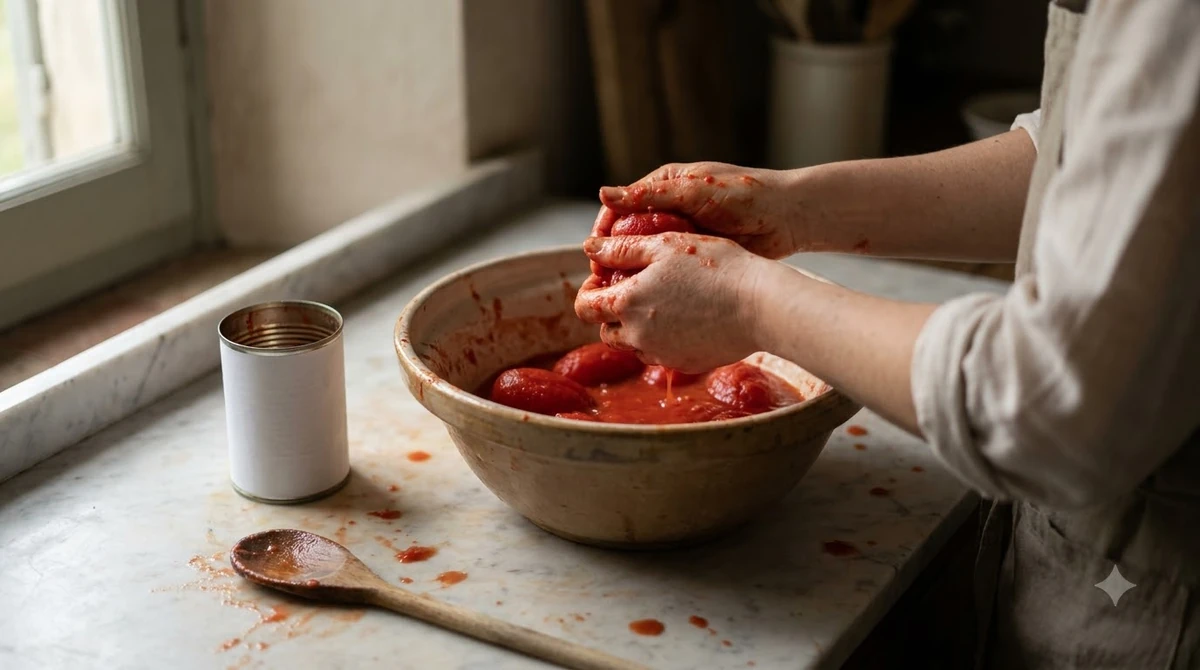

This vodka sauce recipe makes a creamy tomato sauce for pasta, with vodka added to the tomato and cream base. The sauce is usually built on pancetta, garlic and hot pepper flakes, then finished with grated cheese. Penne is the classic shape to serve it with.
The vodka is what separates this vodka sauce recipe from a plain tomato cream sauce. Cream is the ingredient most likely to go wrong, so read the method section before you start cooking.
What Is Vodka Sauce?
Vodka sauce is a tomato and cream sauce with vodka, usually made with pancetta, garlic and hot pepper flakes, and served over penne. Another creamy option without vodka is Tuscan cream sauce pasta.
The exact origin of the dish is unclear. Wikipedia’s vodka sauce article says the first attested recipe appears in a 1974 Italian cookbook by Ugo Tognazzi, who called the dish pasta all’infuriata. The dish may have been common in Italy before it became popular in America in the early 1980s.
Because the history is disputed, you will find several origin stories. One author claims the dish was invented at a restaurant in Bologna, and one cookbook says a Roman chef created it in the 1980s for a vodka company. None of these claims is settled, so think of the dish as a classic that developed over time rather than one person’s invention.
Once you know what the sauce is, the recipe is straightforward. This vodka sauce recipe uses a short list of pantry staples and fresh cheese, and most of the work happens in one pan. That makes it a practical choice for a weeknight dinner.
What Does the Vodka Actually Do?
The vodka helps the tomato and cream blend into one sauce, and it balances the flavor while most of its alcohol cooks off.
The alcohol does more than add a note of taste. According to Wikipedia’s vodka sauce article, the ethanol in vodka enhances and balances the flavors of the tomato and cream, and the vodka emulsifies the sauce. In plain terms, emulsifying helps the fat from the cream and the watery tomato base stay together as one smooth sauce.
Most of the vodka does not stay in the pan. Half or more of it evaporates during cooking, so the finished sauce carries only a small amount of alcohol. Ethanol boils at about 78.2 °C (172.8 °F), so it starts leaving the sauce as soon as the pan is hot enough to simmer.
This is why the reduction step matters in any vodka sauce recipe. If you add the vodka at the very end, the sauce keeps more of the sharp alcohol taste. Letting it cook down first gives the tomato and cream time to blend with it.
- Flavor: it enhances and balances the tomato and cream.
- Texture: it helps the sauce come together smoothly.
- Alcohol: most of it cooks off, leaving only a small amount behind.
Ingredients for a Vodka Sauce Recipe
A vodka sauce recipe usually combines a tomato base, heavy cream, pancetta or bacon, garlic, hot pepper flakes, vodka and a hard grating cheese.
Most versions of a vodka sauce recipe use the same core set of ingredients. Recipes differ mainly in proportions and in the balance of tomato to cream. For scale, Taste of Home’s vodka sauce recipe makes about 3 cups in 25 minutes (10 minutes of prep, 15 of cooking) from 3 tablespoons of butter, 2 garlic cloves, 3 ounces of prosciutto, 1 tablespoon of tomato paste, one 28-ounce can of whole plum tomatoes, 1/4 cup of vodka, 1/2 teaspoon of salt, 1/2 teaspoon of red pepper flakes and 1/2 cup of heavy whipping cream. It uses prosciutto where many recipes use pancetta, so treat it as one version rather than the standard.
- Tomato base: the body of the sauce (see tomato paste vs tomato puree).
- Heavy cream: adds richness and body.
- Pancetta: the savory base cooked first in the pan.
- Garlic and hot pepper flakes: aroma and heat.
- Vodka: the ingredient that gives the sauce its name.
- Parmesan or Pecorino romano: grated over the finished pasta.
- Black pepper: a finishing seasoning.
Wikipedia’s heavy cream entry lists US heavy whipping cream at 36 percent butterfat or more. Whipping cream, at 30 to 36 percent, is the lower-fat option and is used in sauces and soups.
Cream is the ingredient most likely to split. The same source notes that double cream or full-fat crème fraîche is often used when cream goes into a hot sauce, to prevent splitting. If you use regular heavy cream, keep the heat low when it goes in.
For the pork, pancetta is the traditional choice (compare pancetta vs guanciale). In the US, bacon or guanciale is often substituted, which changes the smoke and fat level slightly. Choose whichever you can find, and taste the sauce before adding salt, because cured pork and hard cheese both add salt.
Step-by-Step Method for a Vodka Sauce Recipe
You make this vodka sauce recipe by rendering the pork, softening the aromatics, reducing the vodka, adding the tomato base and finishing with cream on low heat.
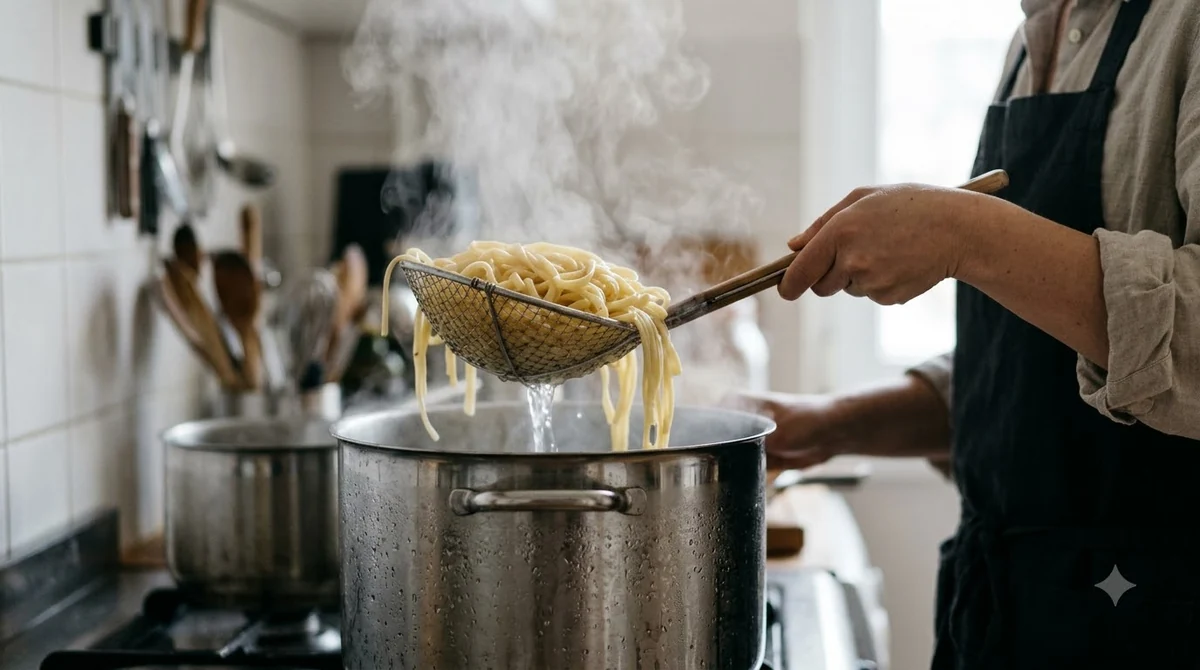
The method is short, but the order matters. Every vodka sauce recipe follows the same logic: each stage builds flavor or sets the texture, so do not skip the reduction or rush the cream.
- Cook the pancetta, bacon or guanciale until the fat has rendered and the meat is crisp at the edges.
- Add the garlic and hot pepper flakes and stir briefly, until the garlic smells toasted but has not turned brown.
- Pour in the vodka and let it simmer until it has reduced. Half or more of it evaporates during cooking, so give this stage time. (Taste of Home instead adds the vodka together with the tomatoes and simmers the sauce for 5 minutes, so either order works as long as the alcohol cooks off.)
- Stir in the tomato base and simmer until the sauce thickens slightly. Then lower the heat before you add the cream.
- Add the cream on low heat, stir until smooth, and season with black pepper. Toss with drained pasta and finish with grated Parmesan or Pecorino romano.
Wikipedia’s infobox lists the cooking time for penne alla vodka as 8 to 10 minutes. That figure describes the dish, not a rule for your pasta, so follow the timing on your package. Drain the pasta a little before it is fully tender, since it keeps cooking when it joins the sauce (how to cook pasta al dente). For the finishing cheese, see what pecorino romano is.
Why the Cream Needs Gentle Heat
Cream is the step most likely to go wrong in a vodka sauce recipe. A gentle heat keeps the fat and the water-based tomato base blended, while a hard boil can push them apart. Add the cream slowly, stir steadily, and keep the sauce below a rolling boil.
If the sauce looks grainy or too thick after the cream goes in, take the pan off the heat for a moment and stir. A spoonful of the pasta cooking water can loosen it. Work in small amounts, so you can stop when the texture looks right.

Which Pasta Works Best With Vodka Sauce?
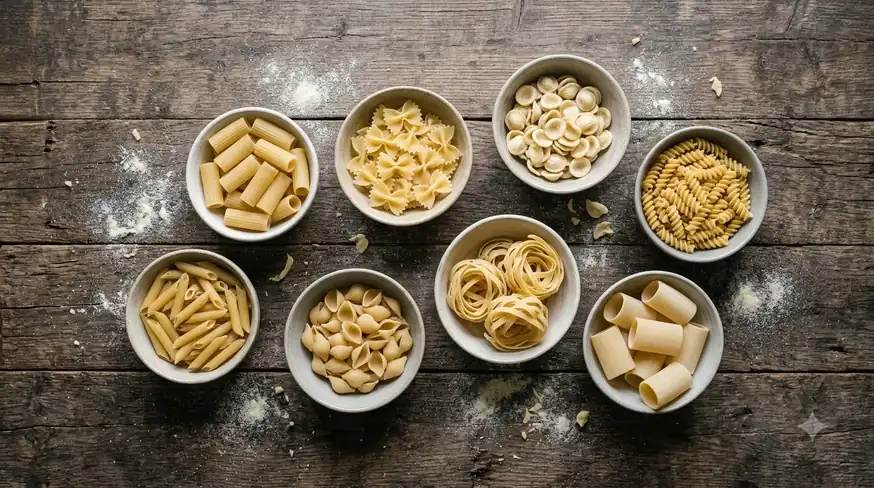
Penne is the classic pairing for vodka sauce, because its shape is particularly suited to sauces.
Penne pasta is made of tubes with the ends cut at an angle. Wikipedia’s penne entry says the shape dates to an 1865 patent for a diagonal cutting machine, granted to Giovanni Battista Capurro of Genoa. The name comes from penna, the Italian word for feather or pen, because the shape resembles a steel pen nib.
The same entry notes that penne come in two main styles. Smooth penne, called penne lisce, has a plain surface. Ridged penne, called penne rigate, has grooves running along its length. Either style works for a vodka sauce recipe, so choose whichever you can find.
A classic vodka sauce recipe is served as penne alla vodka, so penne is the default. If you choose another short tube or a ridged shape, it will still hold the sauce, but the cooking time may change, so check the package before you start.
Common Mistakes When Making Vodka Sauce
The most common mistakes in a vodka sauce recipe are boiling the cream, skipping the vodka reduction and overcooking the pasta before it joins the sauce.
- Boiling the cream: a hard boil can split the sauce, so keep the heat low.
- Skipping the simmer: the vodka needs time to cook off, or the sauce tastes sharper.
- Adding all the cream at once: adding it gradually helps it blend.
- Overcooking the pasta: it keeps cooking in the sauce, so drain it before it is fully tender.
- Salting too early: pancetta and cheese already add salt, so taste first.
Most problems with a vodka sauce recipe come from rushing. Give the vodka time to cook down, keep the cream on low heat, and taste before you season. A calm pan is the best fix for a sauce that looks off.
Substitutions for Vodka Sauce
You can drop the vodka or swap pancetta for bacon or guanciale, and the sauce still works as a tomato cream sauce.
The vodka is the biggest change you can make. Without it, the sauce becomes a plain tomato and cream sauce. Wikipedia notes that similar versions without vodka are sometimes called parma rosa or rosatella, and that bacon or guanciale are often substituted for pancetta in the US.
| Option | What changes | Note |
|---|---|---|
| Classic vodka and pancetta | Standard flavor of the dish | Vodka cooks down during simmering |
| Bacon in place of pancetta | Different smoke and fat level | Common swap in the US |
| Guanciale in place of pancetta | Different cured pork flavor | Often substituted in the US |
| No vodka | Tomato and cream flavor only | Sometimes called parma rosa or rosatella |
Choose the option that suits your pantry. If you leave out the vodka, a vodka sauce recipe still needs the same seasoning steps, and you should taste before you add salt. If you use bacon, you may need less salt elsewhere in the dish.
Frequently Asked Questions
Does vodka sauce have alcohol left in it?
Some alcohol remains, but half or more of the vodka evaporates during cooking, according to Wikipedia’s vodka sauce article. In a vodka sauce recipe, the amount left depends on how long the sauce simmers after the vodka goes in, so a longer reduction leaves less alcohol behind.
Is vodka sauce the same as pink sauce?
Not exactly. Vodka sauce is a tomato and cream sauce with vodka added. Similar sauces without vodka are sometimes called parma rosa or rosatella, so check the menu or recipe name to see which version you are getting.
What pasta goes best with vodka sauce?
Penne is the classic choice, and Wikipedia describes its shape as particularly suited to sauces. Smooth and ridged penne both work, so use whichever is easier to find in your store.
Why did my vodka sauce split?
Cream can split when it is added to a hot sauce. Wikipedia notes that double cream or full-fat crème fraîche is often used for this reason. If your vodka sauce recipe splits, keep the heat low when the cream goes in, stir steadily, and avoid a hard boil.
How long should the pasta cook?
Wikipedia lists the cooking time for penne alla vodka as 8 to 10 minutes. Follow the timing on your pasta package, since cook times vary by shape and brand, and drain the pasta before it is fully tender.
If this is your first time making a vodka sauce recipe, focus on the cream and the vodka reduction, because those two steps shape the texture and flavor most. Use the Taste of Home amounts above as a starting point and adjust to taste. Serve it with penne, and keep the heat low once the cream is in.
 9 min readLearnVodka Sauce Pizza Recipe: A Creamy Homemade GuideUpdated Nov 10, 2026
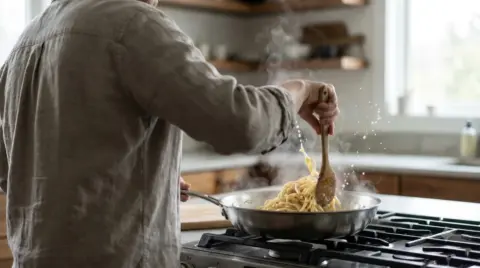 8 min readLearnPink Sauce Recipe: How to Make Creamy Tomato Pasta Sauce at HomeUpdated Nov 11, 2026
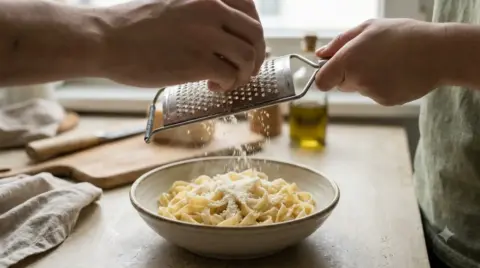 9 min readLearnAlfredo Sauce Recipe: How to Make Creamy Alfredo at HomeUpdated Nov 10, 2026
 8 min readLearnWalnut Sauce for Pasta Recipe: A Creamy Ligurian Sauce Made at HomeUpdated Nov 11, 2026
 8 min readLearnCacio e Pepe Recipe: Simple Method for a Creamy SauceUpdated Nov 10, 2026
 8 min readLearnChicken Alfredo Bake Recipe: Creamy, Cheesy and Easy to Make AheadUpdated Nov 11, 2026