
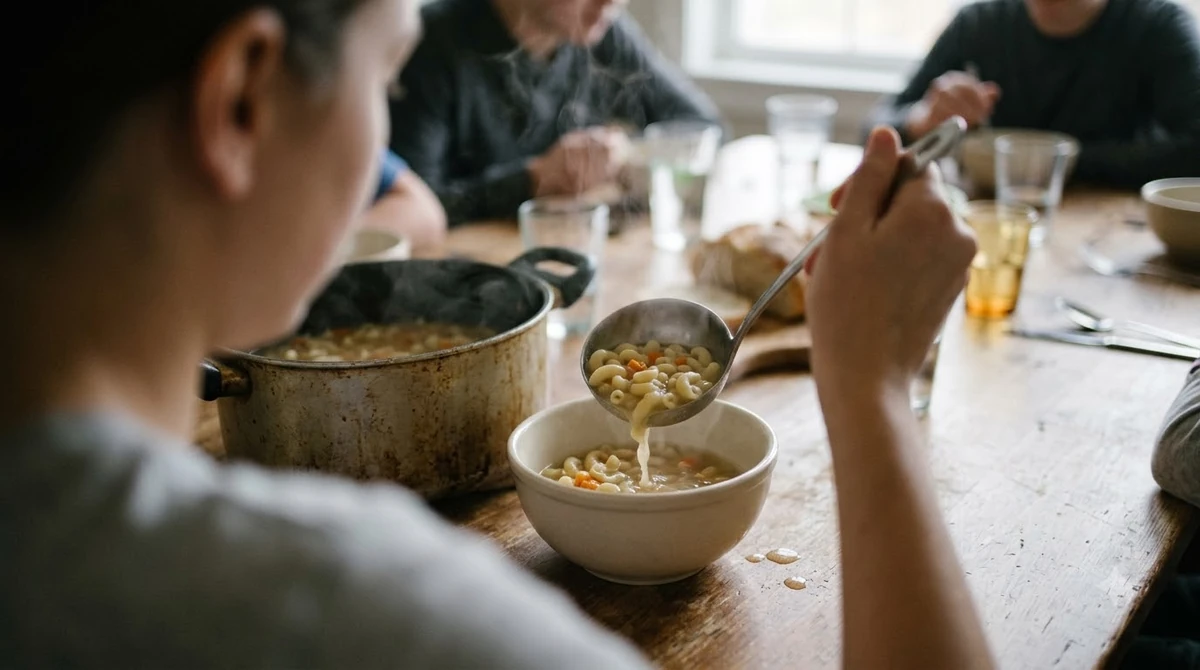

Learning how to make ribollita means building a thick Tuscan vegetable soup around cannellini beans, dark greens and stale bread. Simmer the beans with aromatics and vegetables until they are tender, stir in the bread so the soup thickens, and let it rest before serving. The result is hearty, mostly vegetarian, and better the next day.
Ribollita means “reboiled” in Italian, a name that points to the old habit of cooking the soup once, cooling it, and heating it again. The method is forgiving, so the steps below focus on what matters most: the base, the beans, the bread and the rest time.
What Goes Into a Traditional Ribollita?
A traditional ribollita is built on a soffritto of onion, carrot and celery cooked in olive oil, with garlic, tomatoes and cannellini beans added next. Dark leafy greens such as cavolo nero, also called Tuscan kale, give the soup its color and bite.
Stale country bread is the feature that sets ribollita apart from a regular minestrone. It is torn into the pot near the end, where it soaks up the broth and turns the soup thick enough to hold a spoon upright.
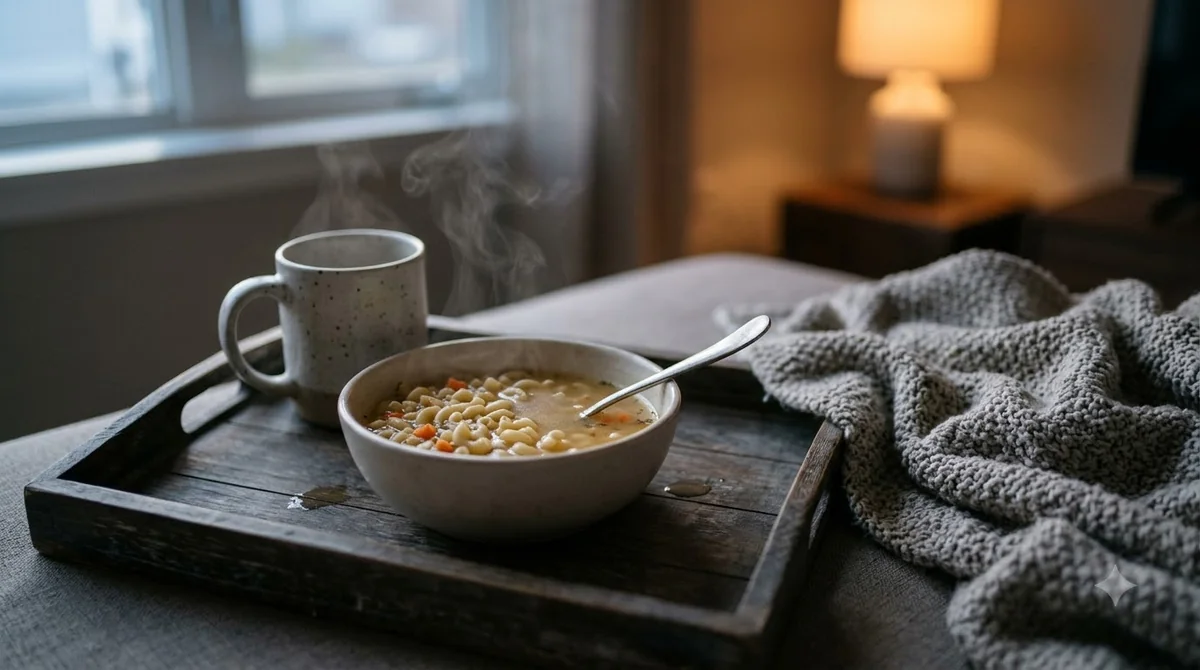
How to Make Ribollita Step by Step
Start with a slow sauté of the soffritto in olive oil until the vegetables are soft and sweet, then build the soup in layers. Each stage adds flavor, so give the onions and carrots enough time before the liquid goes in.
The sources used for this guide describe the same pattern as minestrone: sauté the vegetables, add the stock, tomatoes and beans, then simmer covered until everything is tender. The Once Upon a Chef minestrone method sautés the vegetables for 6 to 8 minutes and simmers the covered pot for about 20 minutes before finishing, a rhythm that transfers well to ribollita.
- Sauté onion, carrot and celery in olive oil until soft and lightly golden.
- Add garlic, tomatoes and the cavolo nero, cooking until the greens wilt.
- Add the beans and enough stock or water to cover, then simmer covered until the beans are tender.
- Mash or purée part of the beans for body, leaving some whole.
- Stir in torn stale bread, let it soften, and simmer gently until the soup is thick.
How to Cook Cannellini Beans for Ribollita
Dried cannellini beans need to be soaked and cooked until tender before they go into the soup, or the texture will be firm and uneven. Cooking times depend on the age of the beans and the water, so check the package and taste a bean with a fork rather than follow a fixed clock.
Canned cannellini beans are a shortcut that works well. Drain and rinse them, then add them later in the cooking so they do not break down. Canned beans cook faster, so simmer them only long enough for the flavors to meld.
| Ingredient | Role in the soup | Tip |
|---|---|---|
| Cannellini beans | Body and protein | Purée part of them for a creamy base |
| Cavolo nero | Color and earthy flavor | Strip the tough stems before chopping |
| Stale country bread | Thickens the broth | Add near the end, not at the start |
| Olive oil | Base for the soffritto and finish | Drizzle a little raw oil over each bowl |
Why Ribollita Tastes Better the Next Day
Ribollita is usually made ahead, because the flavors deepen and the bread keeps softening as the soup rests. Cool it, refrigerate it in a covered container, and reheat it gently on the stove.
When reheating, add a splash of water or stock if the soup has thickened too much. Bring it to a simmer and stir often so the bread does not stick to the bottom of the pot. The Once Upon a Chef minestrone guide also recommends refrigerating soups in an airtight container and reheating them gently, which applies well here.
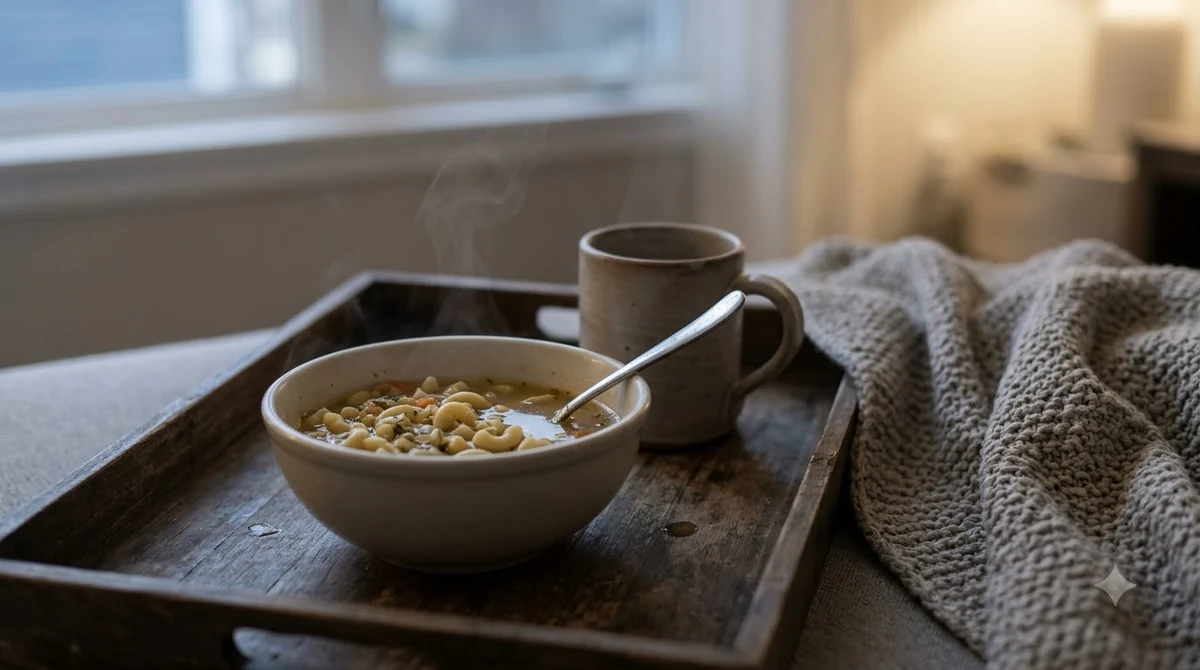
Common Mistakes When You Make Ribollita
The most common mistake is rushing the soffritto. Onions and carrots that are only lightly softened leave a flat, raw taste in the finished soup, so give them time to turn sweet before adding anything else.
Another frequent problem is adding the bread too early. If it goes in at the start, it can dissolve into a paste and lose the texture that makes the soup distinctive. Add it near the end and let it soften in the hot broth.
Finally, do not season only at the end. Taste as the soup simmers and adjust salt in stages, since the beans and bread absorb seasoning as they cook. A pinch of red pepper flakes is optional but common in Tuscan kitchens.
Serving and Finishing Ribollita
Serve ribollita in warm bowls with a generous drizzle of extra-virgin olive oil and a grind of black pepper. Grated Parmesan or Pecorino is a common finish, although many Tuscan cooks serve it plain.
Toasted bread rubbed with garlic makes a good side. A simple green salad or a glass of Chianti pairs well with the soup, which is rich and filling on its own.
Frequently Asked Questions
Is ribollita the same as minestrone?
No. Both are Italian vegetable and bean soups, but ribollita is Tuscan and is thickened with stale bread, while minestrone is often thinner and may include pasta or rice.
Can I make ribollita without bread?
You can, but the soup will be a thinner vegetable and bean stew. The bread is what makes it ribollita, so keep it if you can, even if the bread is only a few slices.
Can you freeze ribollita?
Yes. Freeze it in portions and thaw it in the refrigerator before reheating. The bread will soften further, so add a little stock when you reheat.
What kind of greens can I use instead of cavolo nero?
Savoy cabbage or other sturdy greens are common substitutes. Add them at the same stage as the cavolo nero, and cook them until tender before the bread goes in.
Learning how to make ribollita is mostly about patience. Let the soffritto turn sweet, cook the beans until tender, and give the soup time to rest with the bread before you serve it. Make a double batch, because the leftovers are often the best bowl of the week.
 9 min readLearnPasta e Fagioli Recipe: A Simple Italian Bean and Pasta SoupUpdated Nov 10, 2026
 6 min readLearnPanzanella Recipe: Tuscan Bread Salad with Tomato and BasilUpdated Nov 13, 2026
 6 min readLearnHomemade Pici: Hand-Rolled Tuscan Strands and Dough StepsUpdated Nov 13, 2026
 8 min readLearnMinestrone Soup Recipe: Ingredients, Steps and Storage TipsUpdated Nov 12, 2026
 8 min readLearnTortellini Soup Recipe: Ingredients, Steps and Leftover TipsUpdated Nov 11, 2026
 8 min readLearnPizza Dough in a Bread Machine: A Simple Step-by-Step MethodUpdated Nov 10, 2026