
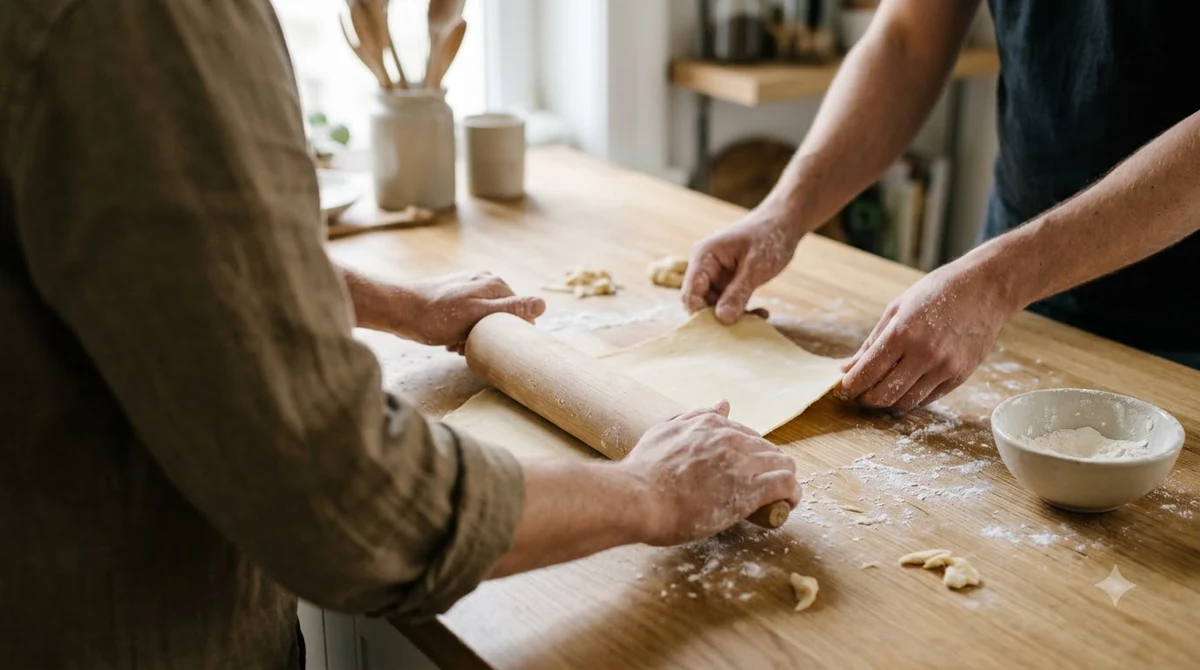

Homemade pici is a hand-rolled Tuscan pasta made from flour, water and a little oil, rolled into thick strands with your palms. Unlike pasta cut from a sheet, each strand is shaped by hand, so the pieces are slightly irregular and hold sauce well.
This guide focuses on the rolling technique for homemade pici: how to bring the dough together, how to roll the strands evenly and how to cook them. The dough is simple, but the rolling is where most beginners need practice.
What Goes Into Homemade Pici Dough
Homemade pici dough uses flour, water, salt and usually a small amount of olive oil, and some versions add semolina for a firmer bite.
America’s Test Kitchen builds its handmade pici recipe on a mix of all-purpose flour and semolina, with 1 1/4 cups (177 grams) of all-purpose flour, 1 cup (163 grams) of semolina, 2/3 cup of room-temperature water and 2 tablespoons of extra-virgin olive oil.
Other home recipes skip the semolina. The Reluctant Gourmet pici recipe uses 2 cups of all-purpose flour alone, which gives a softer dough that is easier to roll but can tear more easily.
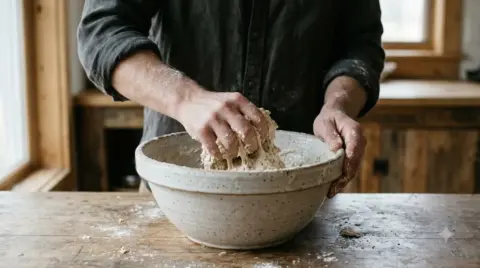
Add the water gradually. You want a dough that holds together without sticking to your hands. If it is dry and crumbly, add a little more water, and if it is wet, dust in a little flour.
How to Rest the Dough Before Rolling
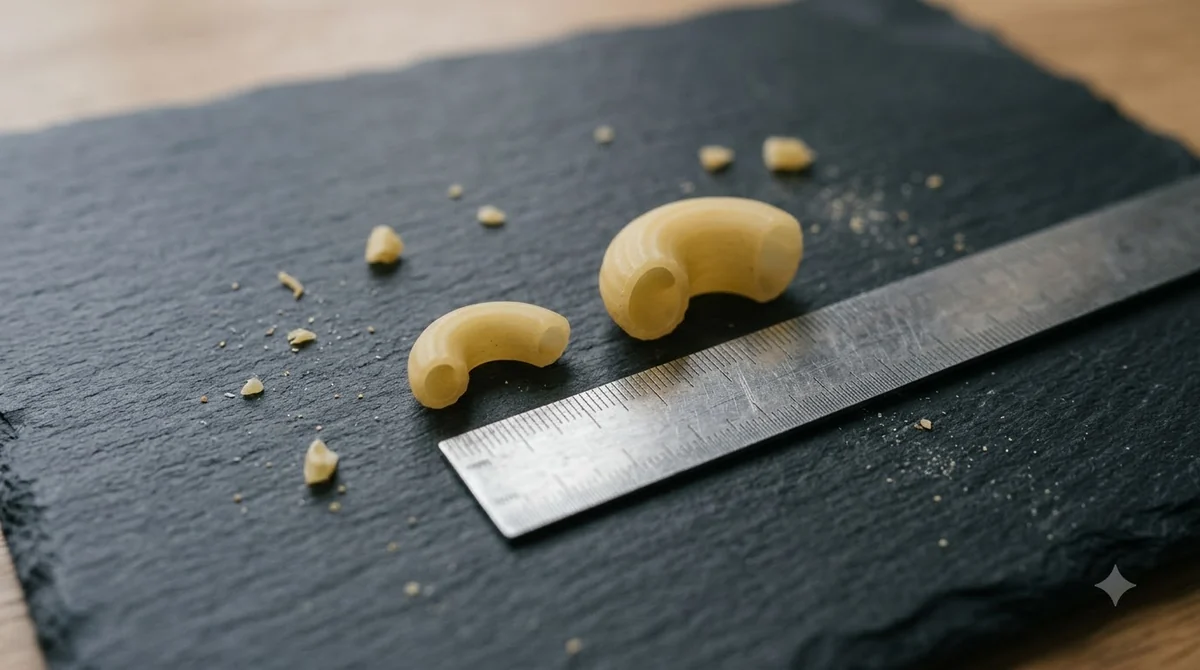
Rest the dough for 30 minutes wrapped in a damp towel or plastic wrap before rolling, so it relaxes and becomes easier to stretch into strands. For where the shape comes from, read our pici pasta guide.
Both recipes above call for a 30-minute rest at room temperature. America’s Test Kitchen also notes that the wrapped dough can rest in the refrigerator for up to 2 days if you want to make it ahead.
Keep the dough wrapped until you are ready to roll, and bring it back to room temperature if it has been chilled. Cold dough is stiff and will crack when you shape it. A well-rested dough is the single biggest help for homemade pici, because it stretches into long strands instead of snapping back.
How to Roll Pici by Hand
Divide the rested dough into pieces, roll each one into a thick rope on the counter, then roll it under your palms until it forms a long, even strand. A shorter hand-rolled shape is described in rolling trofie with the palm.
Start With a Thick Rope
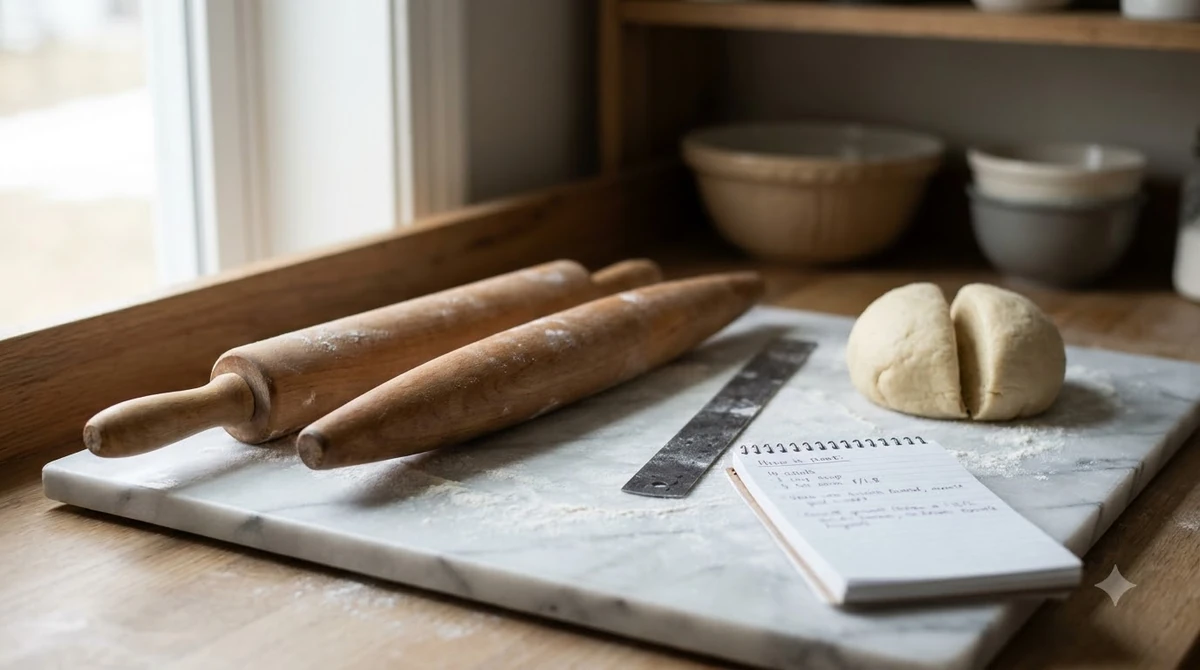
Cut off a section of dough and roll it into a rope about 1/4 inch in diameter. The Reluctant Gourmet recipe cuts these ropes into 8-inch lengths before the next step, which makes them easier to handle.
Roll to an Even Width
Pici is a rustic pasta, and some variation in width is part of its character rather than a flaw. Aim for consistency along each strand, so that it cooks evenly from end to end, rather than trying to make every strand identical across the batch.
Place the rope on a lightly floured counter and roll it with both palms, moving outward from the center. America’s Test Kitchen aims for strands about 1/8 inch wide and at least 24 inches long, and notes that consistent width matters more than consistent length.
Keep the strands moving and do not press too hard in one spot, or the dough will thin out and tear. Dust with a little flour or semolina if the strands start to stick, and keep the finished strands spread out on a floured tray.
How Long to Cook Homemade Pici
Cook homemade pici until it is tender but still springy. The sources differ on the time, with America’s Test Kitchen giving about 3 minutes for its thinner strands and the Reluctant Gourmet recipe giving 6 to 8 minutes for thicker ones. General tips on dough and resting are in making pasta by hand.
Start tasting at the shorter time and keep testing until a strand is tender with a slight chew. Thicker strands need longer, so the rolling width you choose decides how long to cook them.
Salt the water well, add the pici once it is boiling again, and stir gently so the strands do not clump. Reserve a splash of the cooking water before draining. Because homemade pici is thick and irregular, pull a strand from the pot early and check it, rather than waiting for the timer alone.
Sauces That Suit Hand-Rolled Pici
Hearty, slightly chunky sauces suit pici best, because the thick, irregular strands grab onto sauce in the folds and along the length. A simple sauce keeps the texture of the homemade pici in focus, which is often the point of making it by hand.
A simple tomato sauce, a ragu or a garlic and olive oil sauce with a little of the reserved cooking water all work well. Toss the drained pici in the sauce over low heat for a minute so the strands absorb the flavor.
Frequently Asked Questions
How thick should homemade pici be?
The two recipes differ. America’s Test Kitchen aims for strands about 1/8 inch wide, while the Reluctant Gourmet recipe starts from a rope about 1/4 inch thick. Thinner strands cook faster and feel more delicate, while thicker strands hold a chunky sauce well and need more time in the water.
Do I need a pasta machine to make pici?
No. Pici is traditionally rolled by hand, and both recipes above are written for hand rolling on the counter.
Can I make pici with only all-purpose flour?
Yes. The Reluctant Gourmet recipe uses all-purpose flour alone. The dough is softer and rolls more easily, though the texture is less firm than a semolina version.
Why do my pici keep breaking?
The dough is often too dry or has not rested long enough. Let it rest for the full 30 minutes, and add water a little at a time if it cracks when you roll it.
How do I store homemade pici?
Keep the unshaped dough wrapped in the refrigerator for up to 2 days, as America’s Test Kitchen suggests. Dust rolled strands with flour so they do not stick, then cook them as soon as possible.
Hand-rolled pici takes patience, but the dough is forgiving and the strands get more even with practice. Roll a small batch first, cook a test strand, and adjust the thickness until the texture suits the sauce you have in mind.
 6 min readLearnHow to Make Pici: Hand-Rolled Tuscan Pasta GuideUpdated Nov 13, 2026
 6 min readLearnHow to Make Trofie: Hand-Rolled Dough and Shaping StepsUpdated Nov 13, 2026
 6 min readLearnHomemade Paccheri: Hand-Rolled and Extruder MethodsUpdated Nov 13, 2026
 7 min readLearnUmbricelli Pasta: The Thick Hand-Rolled Noodle of UmbriaUpdated Nov 6, 2026
 5 min readLearnHomemade Cavatelli: Ricotta Dough and Hand Shaping GuideUpdated Nov 13, 2026
 5 min readLearnHomemade Pappardelle: Dough, Rolling and Cutting by HandUpdated Nov 13, 2026