
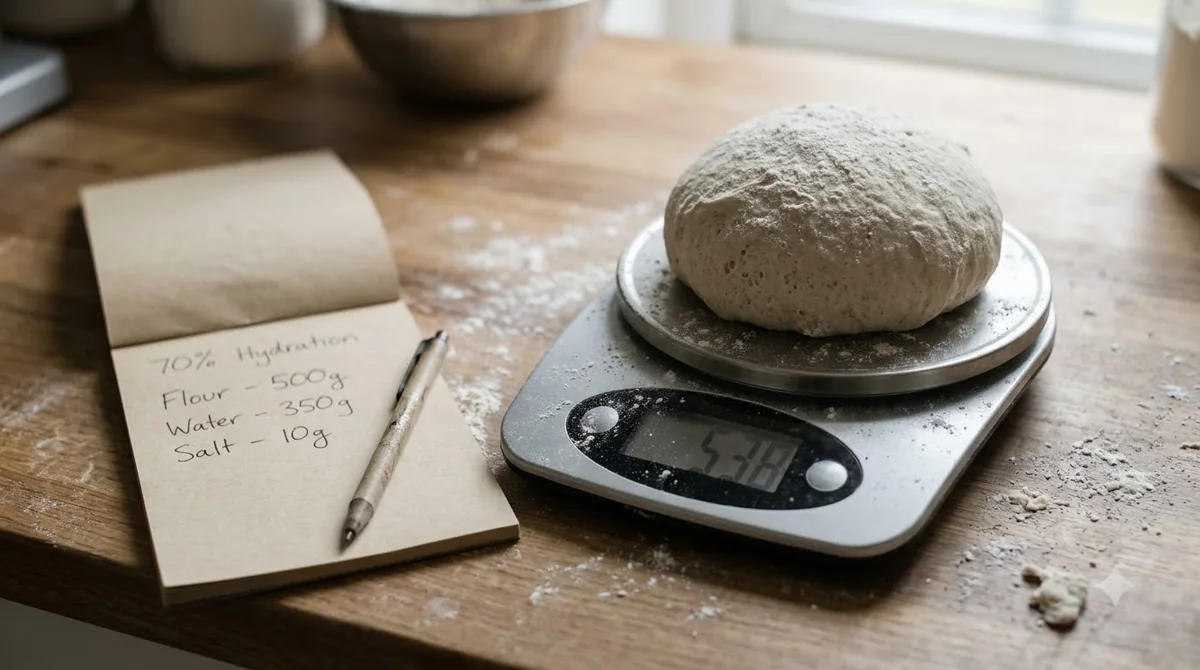

You can make pizza dough in a bread machine by running the dough or pizza setting and finishing the dough by hand. The machine handles mixing, kneading and the first rise, which removes most of the hard work. The rest of the process is simple, but the flour, water and cycle choices still decide how pizza dough in a bread machine turns out.
What a Bread Machine Does With Pizza Dough
A bread machine dough cycle mixes, kneads and gives the dough its first rise, but you still shape and bake the pizza yourself.
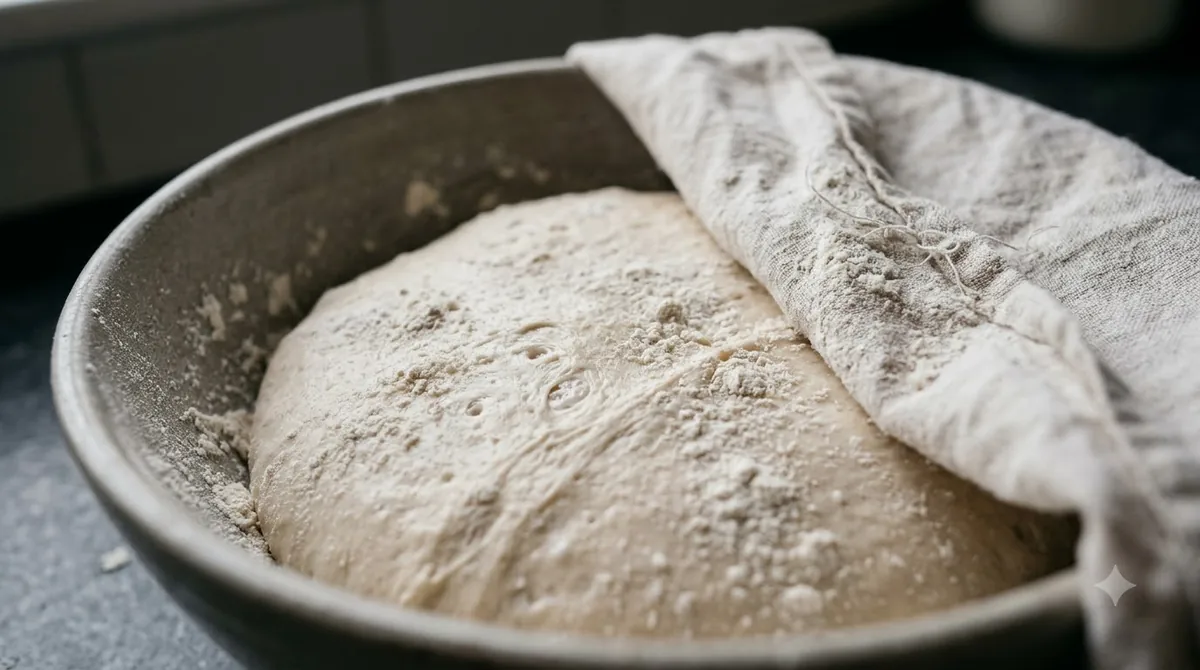
The dough or pizza setting on most machines runs through mixing, kneading and an initial rise, then stops. It does not shape or bake the dough, so those steps happen on your counter and in your oven. King Arthur’s bread machine guide says to use the manual or dough setting for this purpose, since that setting is built for the first part of the process.
Once the cycle ends, the dough is ready to take out. King Arthur also advises against opening the lid during a second rise or bake cycle, and against poking the dough while it rises. Leave the machine alone once the first rise is done and handle the dough by hand from there.
Cycle length for pizza dough in a bread machine is not the same on every model. The Food Network recipe lists 45 to 90 minutes for the dough cycle, depending on the machine. Check the manual for your model before you start, so you know which button to press and how long to wait.
Pizza dough in a bread machine follows the same basic logic as bread dough. The dough setting covers the first steps, and the shaping and baking remain in your hands. Food Network’s tips also say to watch the dough for visual proofing cues rather than rely only on the clock, so treat the cycle time as a guide.
Ingredients for Pizza Dough in a Bread Machine
For pizza dough in a bread machine, the Food Network recipe uses a 2-pound machine and 3 cups all-purpose flour, 1 cup warm water, 2 tablespoons extra-virgin olive oil, 2 teaspoons sugar, 1 1/2 teaspoons kosher salt and 1 teaspoon active dry yeast.
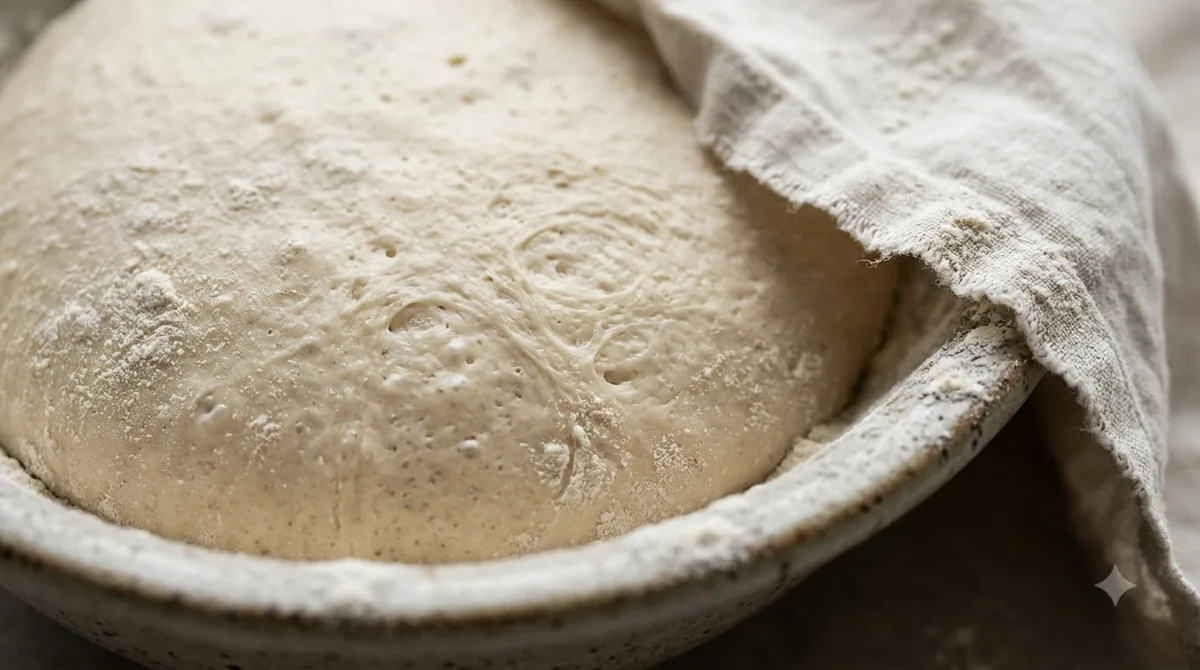
King Arthur advises keeping yeast separate from salt, and the Food Network order keeps them apart. Add the ingredients to the bread pan in this order:
- Warm water, about 80°F
- Extra-virgin olive oil
- All-purpose flour, spooned into a dry measuring cup and leveled
- Sugar
- Kosher salt
- Active dry yeast
Then select the pizza or dough setting and start the machine. The full recipe, including the pizza sauce and mozzarella amounts, is in Food Network’s tested recipe, which the kitchen team wrote for an 8 to 10 serving batch.
Pick the Right Setting and Flour
Use the pizza or dough setting on your machine, and choose a high-protein flour, because King Arthur says whole grain flour alone makes dense dough.
King Arthur recommends high-protein flour for bread machines and names its Unbleached All-Purpose Flour as an excellent choice. The Food Network recipe uses all-purpose flour as well, so a standard all-purpose flour is a workable starting point for a pizza dough. For a closer comparison, read bread flour vs all-purpose flour for pizza.
Yeast also changes the result. King Arthur prefers instant yeast, although active dry yeast is also listed as a good option. It warns that too much yeast makes the dough rise and then collapse, and it advises avoiding rapid-rise yeast because a longer fermentation gives better flavor. The instant yeast vs active dry yeast guide covers the other differences.
For pizza dough in a bread machine, flour is the biggest variable you control. Choose one brand, measure it the same way each time and note how the dough feels, so the next batch is easier to adjust.
| Machine size | Flour amount | Source |
|---|---|---|
| 1-pound machine | About 2 to 3 cups | King Arthur guide |
| 1 1/2-pound machine | About 3 to 4 cups | King Arthur guide |
| 2-pound machine | 3 cups all-purpose flour | Food Network recipe |
Check the Dough During the Cycle
Open the lid during kneading and look for a smooth, soft ball, then add liquid a little at a time if the dough looks dry.
King Arthur says that looking at the dough during kneading is the only reliable way to judge pizza dough in a bread machine. Poke it and check the texture. The target is a smooth, soft ball, and a dough that looks dry needs more liquid. Add water one spoonful at a time, because too much liquid causes its own problems.
King Arthur gives a base ratio of 2 1/2 to 3 cups flour to 1 1/4 cups liquid, and advises using more flour in summer and less in winter, since humidity changes how much flour the dough needs. On a humid day, pizza dough in a bread machine may need a little extra flour. The Food Network recipe uses less liquid, 1 cup of water for 3 cups of flour. The two sources differ, so start with the recipe amounts, check the dough early in the cycle and adjust from there.
Salt follows a simple rule in King Arthur’s guide: about 1/2 teaspoon per cup of flour. Keep salt away from the yeast when you load the pan, since high salt concentration can harm the yeast.
After the Machine Stops
Rest the dough for about 30 minutes, press it onto an oiled rimmed pan, then bake at 375°F for 30 to 35 minutes until the crust is golden.
When the cycle finishes, the dough will look puffy but it is not yet ready to stretch. Cover it and let it rest about 30 minutes, until it is relaxed and at room temperature. The Food Network recipe notes the dough can be a little small at first, since it stretches more easily after resting. If you would rather portion it into rounds, see how to shape pizza dough balls.
- Preheat the oven to 375°F.
- Drizzle a rimmed baking sheet with 2 tablespoons olive oil and press the dough to fit.
- Dock the dough all over with a fork.
- Spread 1 cup pizza sauce and top with 1 pound grated part-skim low-moisture mozzarella.
- Bake 30 to 35 minutes, then let stand 5 minutes before cutting.
The Food Network recipe notes the dough can also be pressed into a deep-dish skillet, so pizza dough in a bread machine can suit a pan as well as a baking sheet. Watch a skillet crust closely, since the 30 to 35 minute range was written for a baking sheet. The recipe says the crust should be golden on the sides and bottom, and the cheese bubbly. Those are the visual cues to watch, since oven results vary from one home oven to another; the guide to baking pizza temperature in a home oven helps if you want a hotter bake.
Common Mistakes With Bread Machine Dough
Most problems with pizza dough in a bread machine come from too much yeast, too much liquid or flour that was packed into the cup. If you prefer a mixer to a bread machine, how to make pizza dough in a stand mixer covers that route.
- Scooping flour straight from the bag packs it, and the Food Network recipe notes this can make baked goods dry. Spoon it into the cup and level it off.
- Too much yeast makes the dough rise and collapse, according to King Arthur.
- Very slack, wet dough is hard to handle by hand, according to King Arthur, so add flour a spoonful at a time if pizza dough in a bread machine comes out too loose.
- Dough that rises and then collapses in the oven usually has too much liquid.
- Cycle settings differ by brand, so the manufacturer’s guide for your model is the final word on timing.
Frequently Asked Questions
Can I use all-purpose flour for pizza dough in a bread machine?
Yes. For pizza dough in a bread machine, the Food Network recipe uses all-purpose flour and gives a full method for it. King Arthur recommends high-protein flour for bread machines, and names its Unbleached All-Purpose Flour as an excellent choice, so all-purpose flour is a sound starting point.
How long does the dough cycle take?
The Food Network recipe gives 45 to 90 minutes for the dough cycle of pizza dough in a bread machine, depending on the machine. The manual for your model gives the exact time for its dough setting, so check that before you start.
Should I open the lid while the machine runs?
Yes, during kneading, to check the texture of pizza dough in a bread machine. King Arthur advises against opening the lid during a second rise or bake cycle, and against poking the dough as it rises, because that disturbs the rise.
Why did my pizza crust collapse after baking?
King Arthur says dough that rises and then collapses in the oven has too much liquid, and too much yeast causes the same result. Next time, measure flour by spooning it into the cup, and add liquid only as needed during kneading.
What if my dough is too dry during the cycle?
Add liquid a spoonful at a time while the machine kneads, then check the texture again. King Arthur says to check the dough during kneading and add more liquid if necessary, aiming for a smooth, soft ball.
Making pizza dough in a bread machine is a good shortcut when you want a homemade base without hand kneading. Follow the loading order, check the texture early in the cycle and give the dough its full rest before you shape it. The machine does the mixing, and your hands and oven finish the job.
 8 min readLearnPizza Dough With Bread Flour: How to Make a Chewy Crust at HomeUpdated Nov 6, 2026
 9 min readLearnHow to Use a Pasta Machine: A Simple Step-by-Step GuideUpdated Nov 7, 2026
 6 min readLearnHow to Make Ribollita: Tuscan Bread and Bean Soup Step by StepUpdated Nov 13, 2026
 8 min readLearnPizza Dough with Olive Oil: Simple Recipe and MethodUpdated Nov 11, 2026
 8 min readLearnHow to Knead Pizza Dough by Hand: A Simple Method for Home CooksUpdated Nov 11, 2026
 9 min readLearnBBQ Pizza on the Grill: Dough, Heat and MethodUpdated Nov 10, 2026