
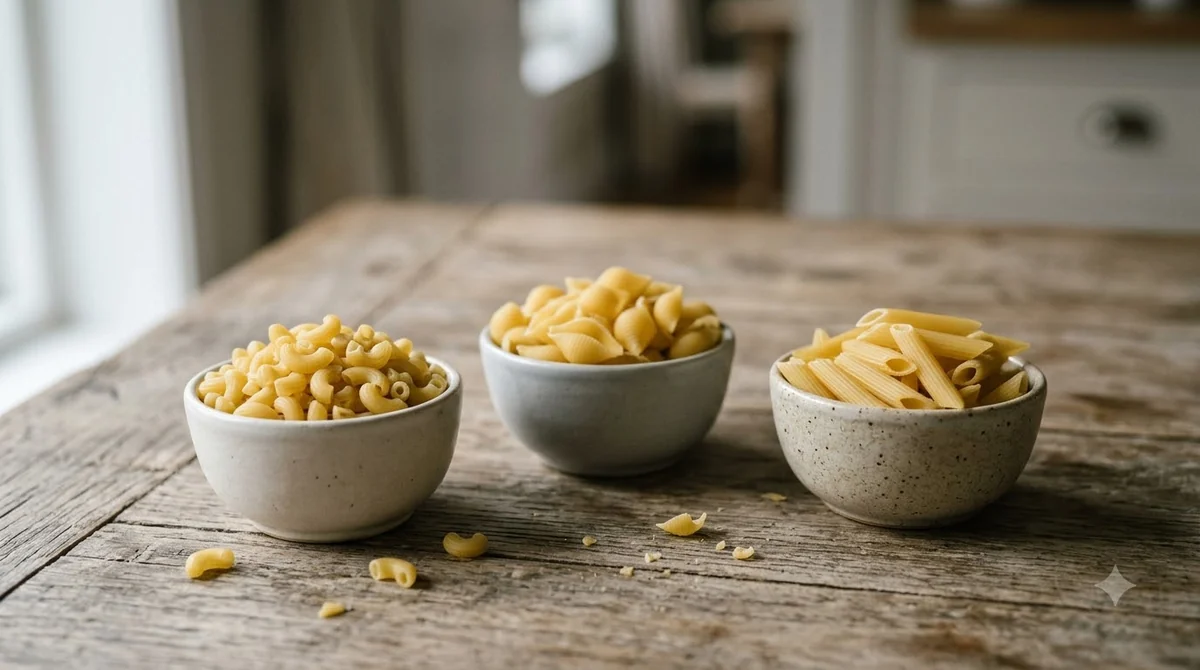

Learning how to make sacchetti is simpler than it looks. Roll a simple egg and flour dough, cut it into small squares, add a small spoonful of filling to the centre of each square, then gather the corners into a little purse and boil until the pasta is firm to the bite. When you learn how to make sacchetti, the name tells you the shape: it means “little bags” in Italian, and the shape is exactly that: a small pouch with the dough gathered at the top. The steps below follow the dough and filling amounts from a homemade recipe and the shape description from pasta reference sources.
What Sacchetti Pasta Looks Like
Sacchetti are small stuffed pouches, made from dough circles or squares that are gathered at the top around the filling. They are sometimes called fagottini, and in some sources they are described as “beggar’s purse” pasta.
Wikipedia describes the shape of sacchettoni, a related pasta, as small pouches or purses with the dough gathered together at the top. Wikipedia The same gathered shape is what makes sacchetti look so neat on the plate, and it is also what makes them easy to recognise on a menu.
How to Make Sacchetti: Start With the Dough
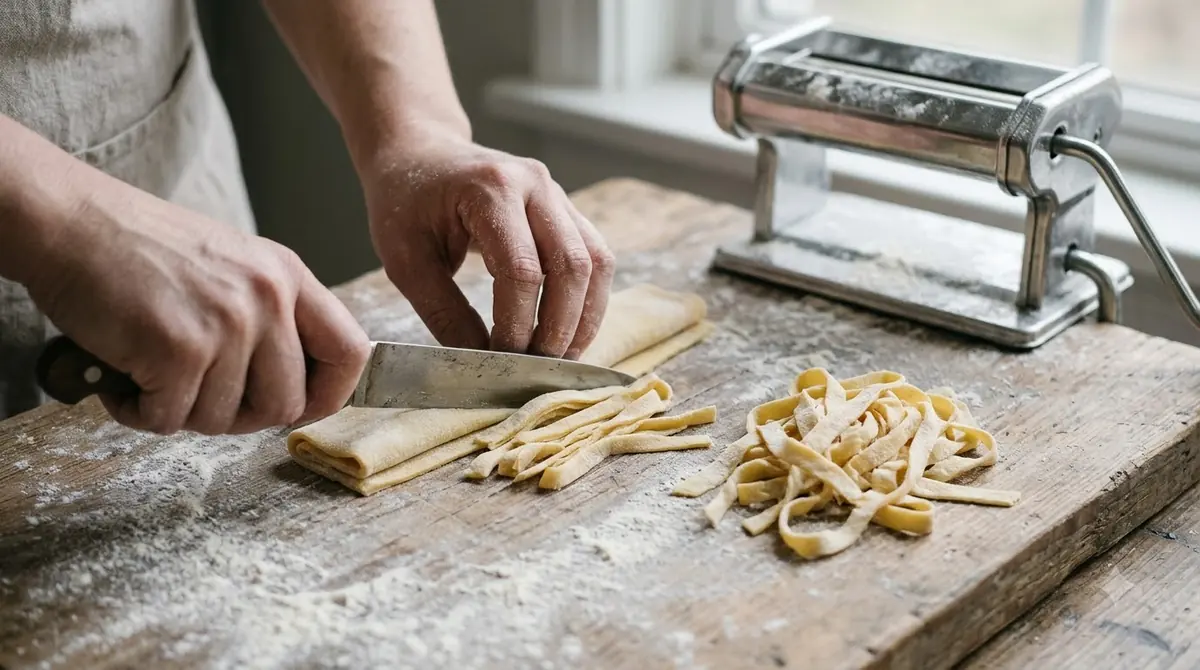
A sample recipe from The Pasta Project uses 7 ounces (200 g) of “00” flour, 3.5 ounces (100 g) of semolina, 3 large eggs and a pinch of salt. The flour and semolina give the dough a firm, slightly sandy structure that holds a filling well.
- Mound the flour and semolina on a clean counter and make a well in the centre.
- Add the eggs and salt to the well and mix with a fork, then bring the dough together with your hands.
- Knead for several minutes until smooth and elastic, then wrap the dough in plastic wrap.
- Rest the dough for at least 30 minutes so it relaxes and is easier to roll.
Roll the dough as thin as you can without tearing it, since the thickness of the sheet decides how the finished pouches feel to eat. Thin sheets are easier to gather, but they need to be sturdy enough to hold a filling without splitting during cooking.
Cut and Fill the Sacchetti for Best Results
Cut the sheet into squares of about 4 to 5 cm (1.5 to 2 inches). The Pasta Project uses this size, which gives a pouch that is easy to fill and close without too much dough at the top.
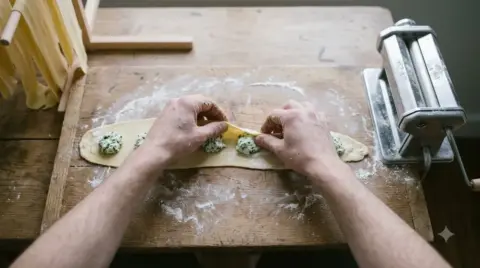
Place a small amount of filling, about the size of a grape, in the centre of each square. Overfilling makes the pouch harder to close and can cause it to open during cooking, so less is usually better.
- Lay a square on your palm or the counter and place the filling in the middle.
- Lift the four corners and bring them together over the filling.
- Press the top firmly to seal, twist slightly if needed, and make sure there are no gaps.
- Set the finished sacchetti on a floured tray in a single layer so they do not stick.
Fillings for Sacchetti
A soft, mild cheese is the classic filling. Spice and Life lists ricotta, cream cheese and goat cheese as typical choices, and each one gives a creamy centre that suits a delicate pouch.
Keep the filling thick enough to hold its shape, which is one of the most important habits for anyone learning how to make sacchetti. A loose filling will soften the dough from inside and make the pouch more likely to split. Drain ricotta well, and season it with salt, pepper and a little finely grated hard cheese before filling.
Cook and Serve Sacchetti
Boil the sacchetti in plenty of salted water until they rise to the surface and feel firm to the bite. Spice and Life describes this as the signal that they are done, although the sources give different cooking times, so taste one piece to check.
Lift them out gently with a slotted spoon, since the filled pouches are more fragile than plain pasta. Toss them in the sauce while still warm so they stay together and the sauce clings to the dough.
Sauces That Suit Sacchetti When You Make Them at Home
Creamy and buttery sauces are the usual match for sacchetti. Spice and Life mentions creamy sauces and Alfredo, while The Pasta Project suggests a plain butter sauce or butter with sage.
- Plain butter, melted until just golden and tossed with the pasta.
- Butter and sage, with the sage leaves fried briefly until crisp.
- A light cream sauce with grated hard cheese and black pepper.
- A simple Alfredo-style sauce for a richer finish.
Common Problems When You Make Sacchetti
Most problems with homemade sacchetti come from dough that is too dry, too much filling, or pouches that were not sealed well. Each one has a simple fix.
Both problems are normal when you are still learning how to make sacchetti, and they usually improve after two or three batches. If the dough cracks as you roll it, let it rest a little longer and add a few drops of water. If the pouches open in the pot, check that the corners were pinched together firmly and that the filling was not too wet or too heavy.
Frequently Asked Questions
What does sacchetti mean?
Spice and Life gives the name as “little bags,” which matches the small gathered pouch shape of the pasta.
What is the best filling for sacchetti?
Ricotta, cream cheese and goat cheese are the typical fillings named in the sources, and a well-drained ricotta is the easiest to work with at home.
Can I make sacchetti without a pasta machine?
Yes. The dough can be rolled by hand with a rolling pin, which takes more effort but gives you full control over the thickness of the sheet.
How long should sacchetti cook?
The sources give different times, so do not rely on one number. Start checking when the pouches rise to the surface, and taste one piece to see whether it is firm to the bite.
Make one small batch first, with a filling you already enjoy, because practice is the fastest way to learn how to make sacchetti well. Once the sealing feels natural, you can try other fillings and sauces, and the pouches will look more even with each batch.
 8 min readLearnSacchetti Pasta: What It Is and How to Make ItUpdated Nov 6, 2026
 9 min readLearnButternut Squash Ravioli Recipe: Dough, Filling and SauceUpdated Nov 11, 2026
 6 min readLearnHow to Make Tortelloni at Home: Dough, Ricotta Filling and SealUpdated Nov 13, 2026
 6 min readLearnHow to Make Tortellini by Hand: Dough, Filling and ShapingUpdated Nov 13, 2026
 5 min readLearnHow to Make Ravioli Filling With Ricotta and CheeseUpdated Nov 13, 2026
 8 min readLearnTortellini Pasta: Shape, Filling and How to Make It at HomeUpdated Nov 6, 2026