
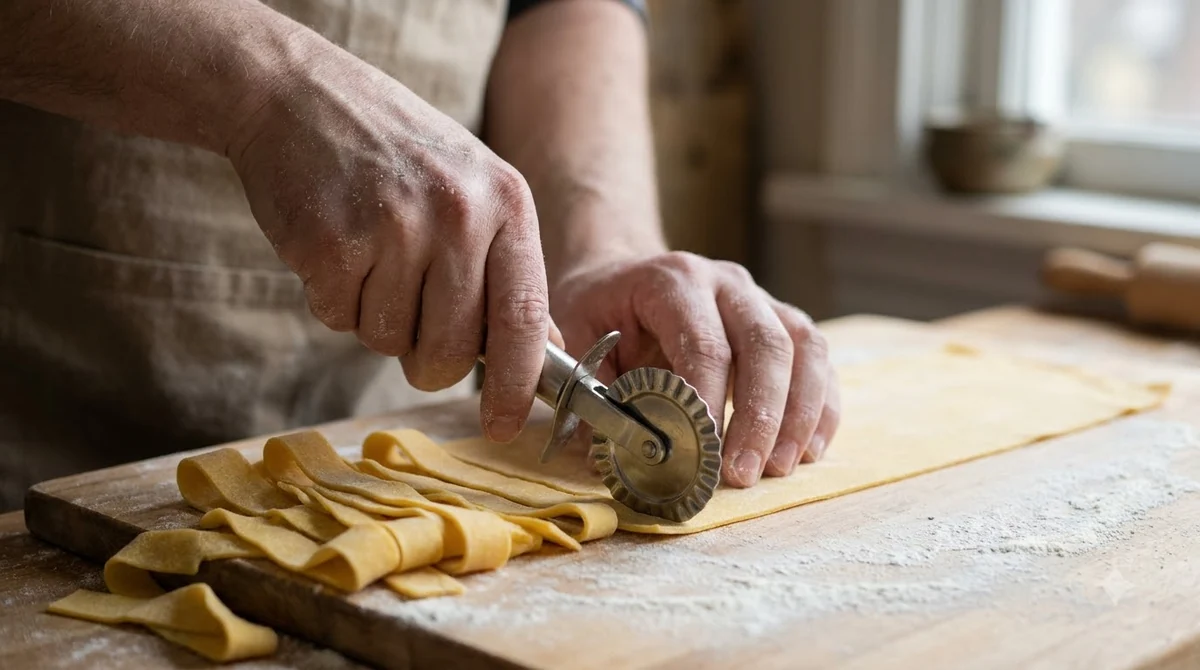

To learn how to make ravioli filling, mix well-drained ricotta with grated Parmesan or pecorino Romano, a little egg or flour to bind it, and fresh herbs for flavor. Drain the ricotta first, because excess liquid makes the filling soggy and can tear the dough when you seal it. A classic batch uses about 2 cups of ricotta, which fills roughly 28 to 30 ravioli.
The filling is where most homemade ravioli succeed or fail. Too wet, and the pasta turns gummy. Too dry, and the filling crumbles. The ratios below come from two tested recipes, so you can adjust the batch to your own taste.
How to Make Ravioli Filling: The Core Ingredients
A ricotta filling has three jobs: it needs body, salt and sharp cheese flavor, and something to hold it together. Ricotta provides the body, hard cheese provides the flavor, and a small amount of egg or flour provides the binding.
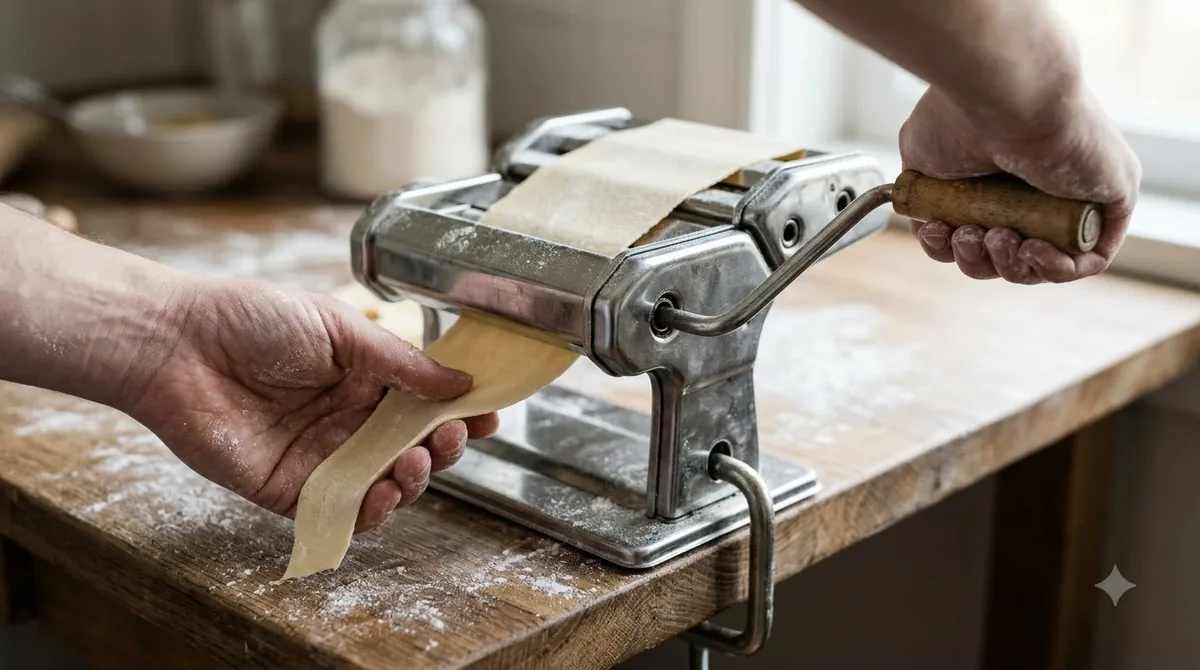
King Arthur’s cheese ravioli recipe uses 2 cups (454 g) of ricotta, plus 1/2 cup and 1 tablespoon (56 g) of grated Parmesan or pecorino Romano. It adds 1/4 cup (30 g) of all-purpose flour as a binder, 4 tablespoons (12 g) of fresh herbs, 1/4 teaspoon each of pepper and salt, and 1/8 teaspoon of nutmeg.
The Slow Roasted Italian version is simpler. It uses 16 ounces of ricotta, 1 cup of grated Parmesan, 1 large egg, 1/4 teaspoon of sea salt, and 2 tablespoons of chopped basil. The egg does the binding work that the flour does in the King Arthur recipe.
How to Drain and Prepare the Ricotta
Draining is the step that makes the biggest difference. Ricotta releases whey as it sits, and that liquid turns a firm filling into a loose one. Place the ricotta in a fine mesh sieve over a bowl and let it drain before mixing.
- Set a fine mesh sieve over a bowl and spoon in the ricotta.
- Let it drain until no more liquid collects in the bowl. The Slow Roasted Italian recipe uses this same sieve step.
- Stir in the cheese, egg or flour, herbs, salt and pepper until smooth.
- Taste a small spoonful, then adjust the salt before filling the pasta.
If the mixture feels soft, check it for liquid again before filling. Draining is the step both recipes above depend on.
Filling Variations That Still Work
Once you know the ricotta base, you can change the flavor without changing the structure. The key is to keep the wet ingredients balanced with a dry or binding ingredient, so the filling holds its shape when boiled.
Spinach is a common addition. Squeeze cooked spinach dry before stirring it in, because leftover water makes the filling soggy. Fresh herbs such as basil, parsley or chives also work, and a small amount of lemon zest brightens the mixture without adding liquid.
| Recipe | Ricotta | Cheese | Binder |
|---|---|---|---|
| King Arthur cheese ravioli | 2 cups (454 g) | 1/2 cup + 1 tbsp (56 g) grated Parmesan or pecorino | 1/4 cup (30 g) all-purpose flour |
| Slow Roasted Italian ravioli | 16 oz | 1 cup grated Parmesan | 1 large egg |
Mistakes to Avoid When You Make Ravioli Filling
The most frequent problem is a filling that is too wet. Learning how to make ravioli filling starts with draining the ricotta, because the water that remains will soften the dough from the inside and make the seal weak. If the mixture still looks loose after draining, add a little more grated cheese or the binder from the recipe and mix again.
The second mistake is over-seasoning. Hard cheese is already salty, so taste the filling before adding extra salt. The third is filling the pasta too full. A small spoonful is enough, and the seal has to close around it without trapping air. Knowing how to make ravioli filling well means keeping the portion small and the mixture dry.
Storing the Filling Before You Use It
You can prepare the filling ahead of a dinner, which is useful if you plan to make a full batch. Keep the drained mixture covered in the refrigerator and bring it closer to room temperature before spooning it into the dough. Stir it once more, because the filling can separate slightly while it rests. A filling made the day before is often easier to portion than one made just before rolling.
Once you know how to make ravioli filling in one basic form, you can adapt it to what is in your kitchen. Swap the herbs for chives or parsley, add a small amount of cooked spinach that has been squeezed dry, or use pecorino in place of Parmesan for a sharper taste. Each change still follows the same rule: drain first, season carefully, and keep the filling thick enough to hold its shape.
Frequently Asked Questions
How much filling does one batch make?
King Arthur’s recipe yields 28 to 30 square ravioli, about 2 1/4 inches on a side, from its dough and filling. A heart-shaped version yields about 18. Plan the dough and filling together so you do not run short.
Do I need an egg in the filling?
Not always. The King Arthur version binds with flour, and the Slow Roasted version uses an egg. Either works, as long as the filling is drained and holds a spoonful without running.
Can I make the filling a day ahead?
Yes. Store the drained filling covered in the refrigerator and let it come close to room temperature before spooning it, so it is easier to portion. Check it for excess liquid before using.
How much filling goes in each ravioli?
Use a small spoonful or a 1 1/2 tablespoon scoop, and space the mounds about 1 1/2 inches apart, as the Slow Roasted Italian recipe does. Overfilling makes the seal fail during cooking.
A good ravioli filling is balanced, well drained and seasoned to taste. Start with the ricotta ratio from one of the recipes above, drain it properly, and taste before you fill. Once the base works, swap herbs or cheeses to match the sauce you plan to serve.
 8 min readLearnRicotta Ravioli Recipe: Egg Dough, Filling and Cooking StepsUpdated Nov 11, 2026
 6 min readLearnHow to Make Tortelloni at Home: Dough, Ricotta Filling and SealUpdated Nov 13, 2026
 6 min readLearnHow to Seal Ravioli: Press Out Air and Keep Filling InsideUpdated Nov 13, 2026
 9 min readLearnButternut Squash Ravioli Recipe: Dough, Filling and SauceUpdated Nov 11, 2026
 8 min readLearnTortellini vs Ravioli: Shape, Filling and Cooking ComparedUpdated Nov 12, 2026
 6 min readLearnRicotta vs Cottage Cheese: What Changes in Your RecipeUpdated Nov 13, 2026