
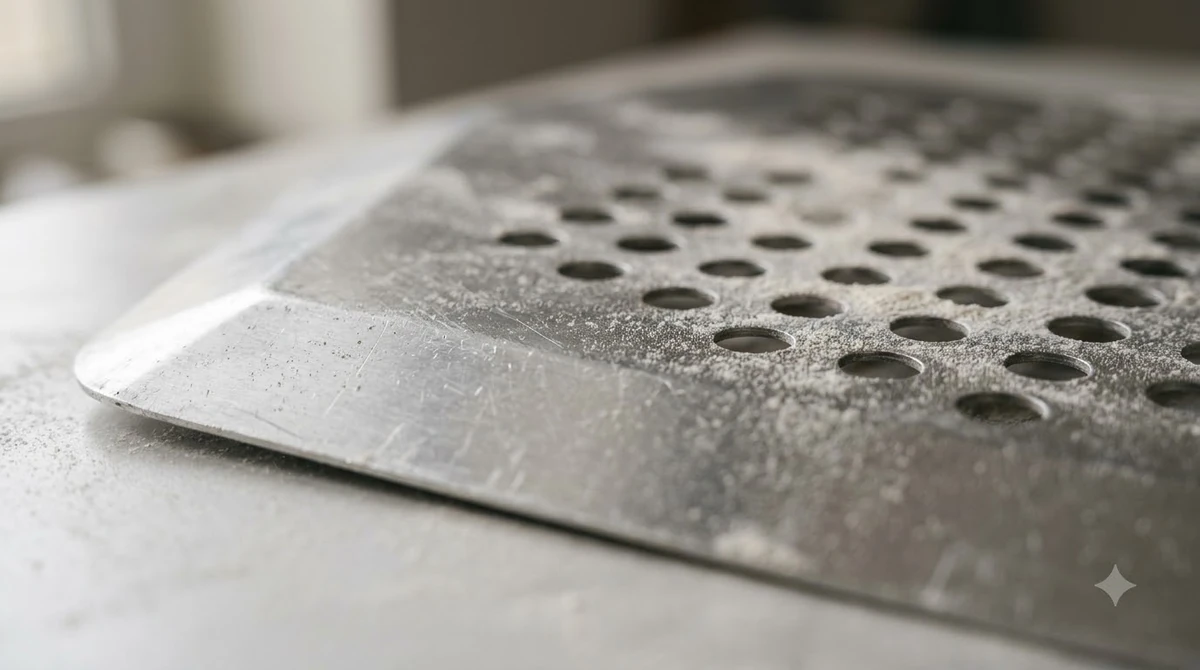

To learn how to use a pizza screen, season it with oil, build the pizza directly on the mesh, and bake it on an oven rack. A pizza screen is a flat aluminum mesh disc that holds the dough while it bakes. The open base changes how the crust cooks, which suits thin pizzas and home ovens without much space.
What Is a Pizza Screen and How Does It Differ from a Pan?
A pizza screen is a round, low-lipped aluminum mesh disc, and its open base is what sets it apart from a solid pan.
The bottom of a pizza screen is metal mesh, with a crisscross pattern similar to a sieve. Tasting Table’s pizza screen explainer describes its shape as close to a low-lipped circular pan used for Neapolitan-style pies, so it suits a thin, round base. The real difference is the floor. A solid pan or a stone covers the whole bottom of the pizza, while a screen leaves open gaps that let air move under the dough.
That air movement is the main reason to learn how to use a pizza screen. According to the same article, the mesh boosts air circulation around the base of the pizza as it bakes, and the openings let hot air reach the dough. The result is a base that tends to crisp and pick up light char. You do not need a heavy pizza stone to get that effect, which matters if you have little storage space.
Do not confuse a screen with a perforated pizza pan. A pan is a solid sheet with holes punched through it, while a screen is mesh throughout. Both let air reach the base, but cleaning and handling can differ, so read the product description and care instructions for the item you own.
How to Use a Pizza Screen: Season It Before the First Bake
Yes. The manufacturer recommends oil or a release agent before the first use, which keeps the dough from sticking to the aluminum.
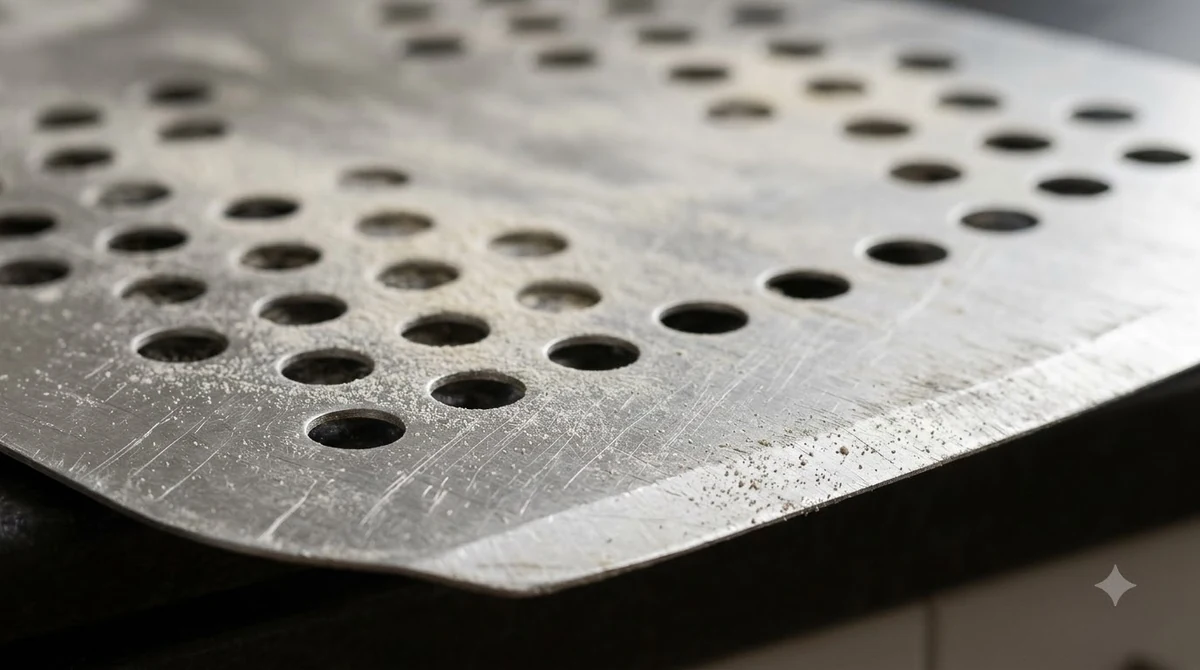
The American Metalcraft care guide for its aluminum pizza screens gives a simple seasoning sequence:
- Wipe oil across the surface of the screen.
- Let the oil soak for 30 minutes.
- Bake the screen at regular cooking times and temperatures.
- Let it cool. The screen is then ready for use.
Tasting Table suggests a similar approach: a light coat of oil, then baking the screen with nothing on it. It also advises repeating the step once the screen cools, to build a nonstick surface. The two sources agree on the core idea, but only the manufacturer gives a soak time.
One detail is easy to get wrong. The care guide says not to wash off the excess oil, just wipe it. The residue left on the aluminum is what helps the screen resist sticking, so a rinse before baking undoes part of the seasoning.
How Do You Load Dough onto a Pizza Screen?
When you learn how to use a pizza screen for loading, build the pizza on the screen itself, spreading the dough evenly so the mesh supports the whole base before it goes into the oven.
The verified sources do not describe a loading method step by step, so the sequence below is a practical one based on how the mesh works. Adjust it to your dough and your oven.
- Stretch or press the dough into a round that fits the screen with a small margin around the edge (see how to shape pizza dough balls for the first step).
- Place the dough on the screen and let it lie flat, so the mesh holds an even layer.
- Add sauce and toppings in light layers, since heavy toppings can weigh down a thin base.
- Lift the screen with both hands once it is loaded, and slide it into the oven.
Because the screen is lightweight, it is easier to handle than a stone, and it is easier to rotate in an oven with hot spots. Tasting Table also points out that you can check the underside for doneness without lifting the crust, which is a practical advantage of the open design.
Where Do You Bake a Pizza on a Pizza Screen?
Bake the loaded screen on an oven rack, because the mesh conducts heat quickly to the center of the base.
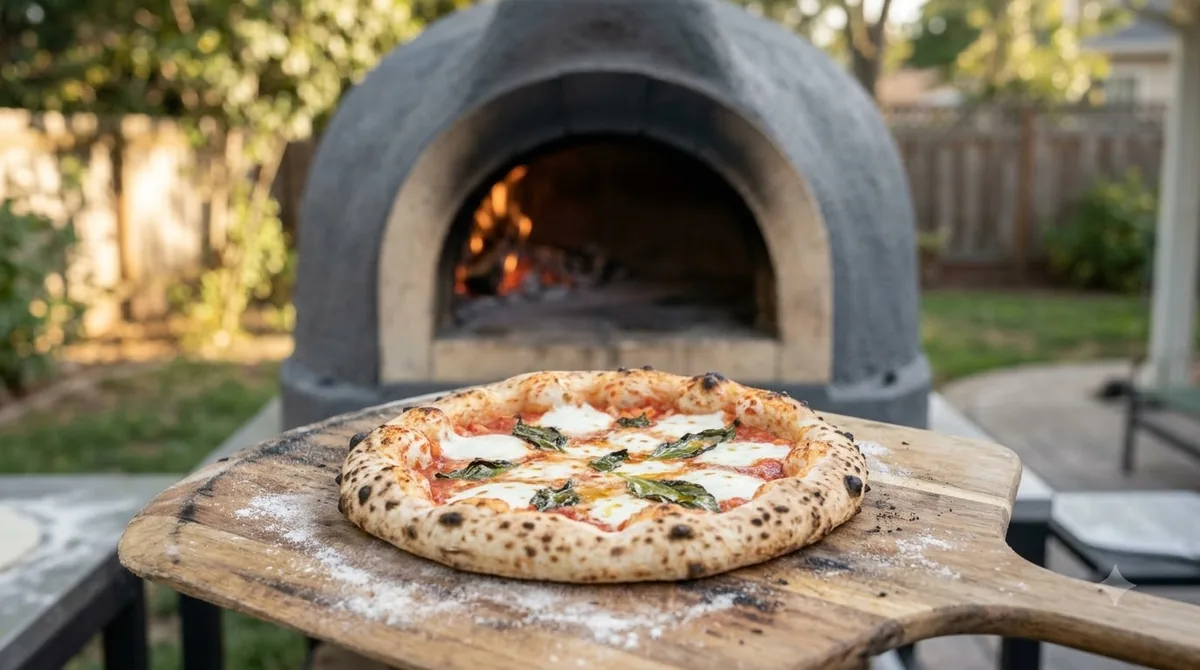
Tasting Table says the mesh conducts heat to the center quickly, which helps the dough rise fast and form chewy air pockets, and it also helps the bottom crisp. Those are the reasons the screen suits home ovens.
Tasting Table presents the screen as an alternative for cooks who lack space for a heavy stone, and it mentions turning a pizza around on the rack for even color. The sources do not describe placing the screen on a stone, so the sourced option is the oven rack. Where you bake is a key part of how to use a pizza screen.
Neither source gives a bake time or oven temperature for pizza on a screen. The care guide only says to bake the screen at regular cooking temperatures, so use the preheat and bake settings in your oven manual for a thin pizza.
Check the color of the underside near the end of the bake. The mesh lets you judge the base without lifting the crust. Rotate the screen halfway through if one side of your oven runs hotter, since the light weight makes that simple.
How Do You Clean and Store a Pizza Screen?
Wash the screen by hand with a mild detergent, pat it dry, and store it in a rack, because aluminum does not suit the dishwasher or harsh cleaners.
The American Metalcraft care guide gives a routine for aluminum screens. Follow it after every wash, not only after the first use, because care is part of how to use a pizza screen over time:
- Wash by hand with a mild detergent, ideally one made for aluminum.
- Pat the screen dry.
- Heat the screen in the oven to cooking temperature to sanitize it.
- Reapply oil or release agent before the next bake.
- Store the screen in a pizza screen rack so it is not accidentally bent.
The same guide lists three things to avoid. Do not expose aluminum screens to dishwashers or high alkaline or acidic detergents. Do not use abrasive pads, because they can scratch the aluminum and create rust.
Storage matters more than it seems. A bent screen will not sit flat under the dough, and a rack protects the screens while keeping them easy to reach.
Is a Pizza Screen Better Than a Pizza Stone or Pan?
Knowing how to use a pizza screen helps you decide whether it beats your current setup. A screen suits cooks who want a crisp, thin base without a heavy stone, while a stone or solid pan suits other styles of baking.
| Feature | Pizza screen | Pizza stone |
|---|---|---|
| Base contact | Open metal mesh | Solid heated surface |
| Weight | Lightweight | Heavy |
| Checking the underside | Possible without lifting the crust | Not covered by the sources |
| Cleaning | Hand wash, no dishwasher | Follow the maker’s care guide |
Choose a screen if you want a thin, crisp base, have limited space, or want to check the bottom easily. Choose a stone if you already own one and want a solid heated surface under the crust; our guide on how to use a pizza stone covers that method. To compare screens, see best pizza screens. The sources here do not compare heat storage numbers, so judge the difference with your own oven.
Common Mistakes and What the Sources Do Not Cover
The most common problems in how to use a pizza screen are sticking from skipped seasoning and damage from dishwashers or abrasive pads, and the verified sources give no oven temperature or bake time.
- Skipping the seasoning, so the dough sticks to the aluminum.
- Rinsing off the excess oil, which removes the residue that helps prevent sticking.
- Putting the screen in a dishwasher or using a harsh detergent.
- Scrubbing with abrasive pads, which scratch the aluminum and can cause rust.
- Stacking screens without a rack, which can bend them.
What the Sources Do Not Cover
The two verified sources give no preheat time, bake time or oven temperature for pizza on a screen. Tasting Table gives no cleaning method and no drawbacks. Use the settings in your oven manual and the dough recipe, and check the package or the manufacturer’s care sheet for your exact screen before relying on any number.
Treat your first bake as a test. Note the color of the base, then adjust the next pizza. Keep the screen seasoned by repeating the oil step after each wash.
Frequently Asked Questions
Do you need to season a pizza screen before use?
Yes. When you learn how to use a pizza screen, note that the American Metalcraft care guide recommends oil or a release agent before the first use to prevent sticking. Wipe the oil on, let it soak for 30 minutes, then bake the screen before the first pizza. Do not rinse the excess oil away, because the residue helps the screen resist sticking.
Can you put a pizza screen in the dishwasher?
No. The care guide says not to expose aluminum screens to dishwashers or high alkaline or acidic detergents. Wash the screen by hand with a mild detergent, ideally one made for aluminum, then pat it dry before storing it.
Can you bake pizza on a pizza screen on the oven rack?
Yes. The screen can sit on an oven rack, and Tasting Table describes the mesh as helping heat reach the base. The verified sources do not give rack-specific temperatures, so follow your oven manual for preheat and bake settings.
How do you know when the pizza is done?
Check the color of the base near the end of the bake. Tasting Table notes that the mesh lets you check the underside without lifting the crust. The verified sources give no bake time, so use your first bake as a test and adjust from there.
Is a pizza screen the same as a perforated pizza pan?
No. A screen is built from mesh throughout, while a perforated pan is a solid sheet with holes. Both allow air to reach the base, but cleaning and handling can differ, so read the product description and care instructions for the item you own.
Does a pizza screen need a pizza stone?
Not necessarily. Tasting Table says the screen can produce a crisp, lightly charred thin base without a heavy pizza stone. If you already own a stone, the sources do not cover combining the two, so follow your oven manual.
Learning how to use a pizza screen takes only a bake or two once you season it, load it evenly and keep it clean. If you are new to pizza at home, start with how to make pizza at home. Watch the color of the crust on your first bake, and set the oven from your manual rather than from a guess. If you want a light, crisp base and do not own a stone, a screen is a practical choice.
 8 min readGear & PantryWhat Is a Pizza Screen and How Do You Use One?Updated Nov 16, 2026
 9 min readGear & PantryHow to Use a Pizza Steel for Crisp Home PizzaUpdated Nov 10, 2026
 8 min readGear & PantryBest Pepperoni for Pizza: Picks That Cup and CrispUpdated Nov 12, 2026
 8 min readGear & PantryBest Garlic Press for Even Mincing and Easy CleanupUpdated Nov 12, 2026
 9 min readGear & PantryBest Meatball Scoop for Even, Round MeatballsUpdated Nov 13, 2026
 8 min readGear & PantryBest Panini Press for Crisp, Evenly Pressed SandwichesUpdated Nov 12, 2026