
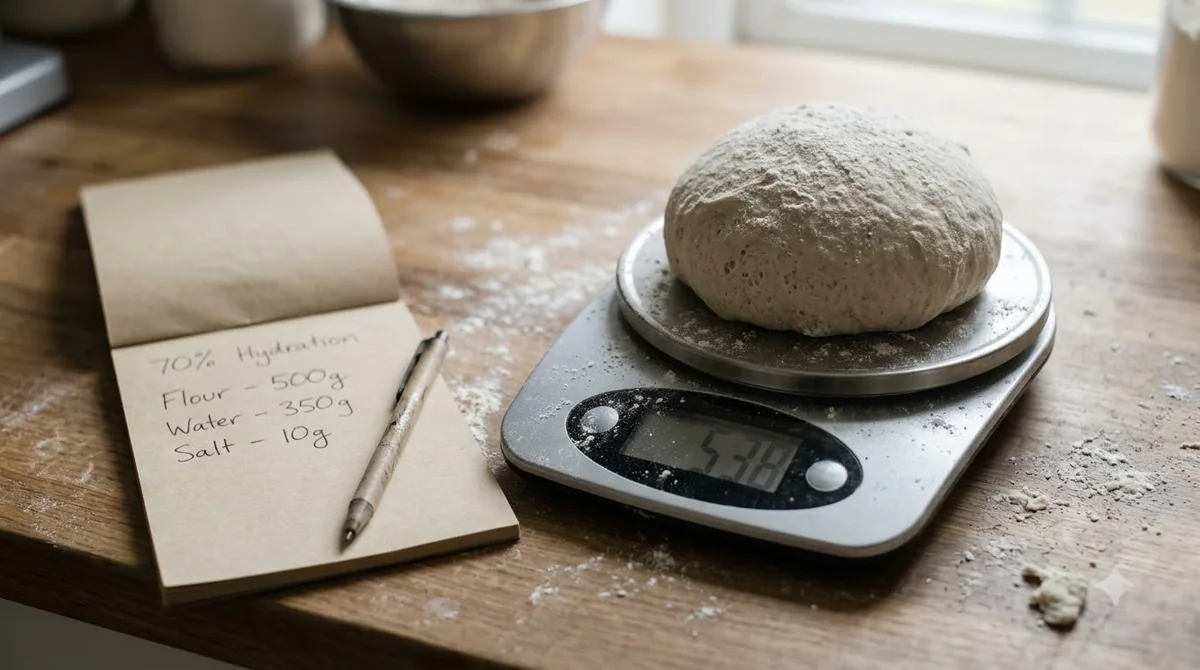

Italian Easter bread is an enriched, lightly sweet dough made with flour, eggs, sugar, butter and yeast, and it changes shape from region to region. The best-known version is colomba pasquale, a dove-shaped bread from Milan topped with pearl sugar and almonds. In southern Italy and Sardinia, the bread often carries eggs or symbols of the season, while other regions bake savory versions instead.
This guide explains the main Italian Easter breads, what goes into them, and how their traditions differ. It is a background guide rather than a full recipe, so for exact amounts, rising times and oven settings, follow a tested recipe for the bread you want to make.
What Is Italian Easter Bread?
Italian Easter bread is a family of festive loaves and cakes, made for the Easter table and often shaped or decorated to mark the season.
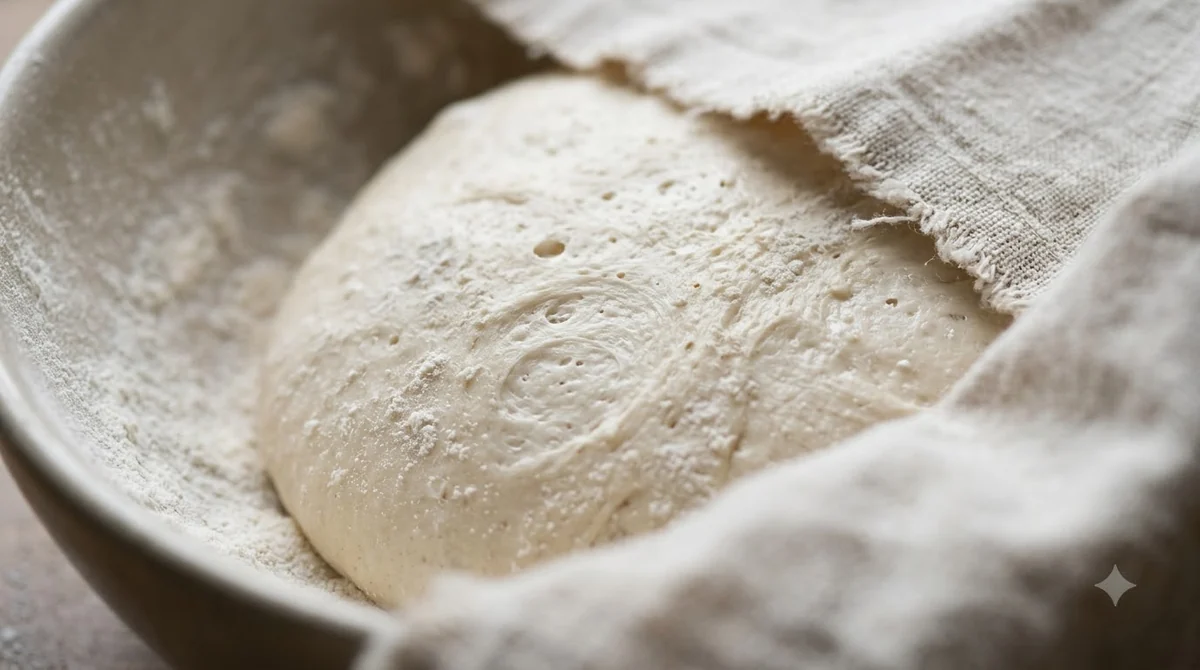
Colomba pasquale is the best-known example, and the Wikipedia entry on colomba di Pasqua gives its history. It is described as the Easter counterpart of the two well-known Italian Christmas desserts, panettone and pandoro. Its dough is similar to panettone, but it is usually made with candied peel and has no raisins. The bread was commercialised in the 1930s by the Milanese company Motta, and another Milanese company, Vergani, began making it in 1944.
Sources differ on who first proposed the bread. Some accounts credit the advertising director Dino Villani with the idea of an Easter bread made with the same dough and machinery as panettone, while others name Motta’s owner, Angelo Motta, who sent the cake to journalists and writers.
Common Ingredients in Italian Easter Bread
Most Italian Easter breads are enriched doughs built on flour, eggs, sugar or honey, butter or lard, and yeast or natural leaven.
Colomba uses candied peel in place of raisins and is finished with pearl sugar and almonds before baking. Some manufacturers also make a chocolate-topped version. Other breads add cheese, cured meat or citrus, depending on the region.
- Enriched dough: eggs, sugar or honey, and fat such as butter or lard give the bread its soft crumb.
- Leavening: yeast or a natural starter lifts the dough, and the rising time sets the final texture.
- Flavorings: candied peel, citrus, anise or vanilla are common choices.
- Toppings: pearl sugar, almonds or an egg wash give colour and crunch.
Regional Italian Easter Breads to Know
Italy has many Easter breads, and the names and shapes change from one region to another.

The table below sets out several of the traditional breads and cakes described in the Wikipedia overview of Easter breads.
| Bread | Region | Style |
|---|---|---|
| Colomba pasquale | Milan, Lombardy | Sweet, dove-shaped, candied peel |
| Casatiello | Naples | Savory, with cheese, salami and eggs |
| Pizza di Pasqua | Central Italy (Marche and Umbria) | Savory cake, panettone-shaped |
| Sardinian Easter bread | Sardinia | Egg baked into the loaf, with a cross or “BP” shape |
| Penia | Rural Italy | Sweet, with anise seeds and lemon |
Casatiello from Naples is a good example of a savory Easter bread. It is made with flour, lard, cheese, salami, cracklings, eggs and black pepper, and its name is thought to come from the Neapolitan word for cheese.
Pizza di Pasqua, from central Italy, is another savory option. Its sweet variant has candied fruit or a meringue-like glaze, and boiled eggs are often blessed and served alongside it rather than baked inside.
Eggs and Symbols in the Bread
In Sardinia, eggs are baked into the bread itself, and the shapes carry meaning tied to the season.
One Sardinian loaf has two points with an egg set on top and a cross, a shape linked to fertility. Another is shaped to encircle an egg and carries the initials “BP,” short for buona Pasqua, meaning happy Easter. Bread in Sardinia is described as a symbol of life and a carrier of meaning, so the decoration matters as much as the taste.
Similar Easter breads appear across Europe. Paska from Ukraine is often a rich white bread decorated with crosses and braids, and Tsoureki from Greece and Armenia is a sweet braided loaf. The shared thread is a rich, egg-enriched dough shaped for the holiday.
How to Approach Italian Easter Bread at Home
Planning matters more for Italian Easter bread than for a quick loaf, because the dough is rich and rises slowly. Set aside a full day, or make the dough the day before and shape it in the morning.
Shaping is where the bread takes on its identity. A dove, a braid or a ring each suits a different tradition, so decide on the shape before you start and buy any decorations, such as pearl sugar or whole almonds, in advance.
Choose the bread first, because each one has its own dough and method, then follow a recipe written for that bread.
Colomba is a panettone-style dough, so it needs patience and several rises. Casatiello and pizza di Pasqua are closer to savory breads, and they depend on the right balance of cheese and fat. For exact amounts, rising times and oven settings, use a recipe that gives them clearly. Treat a single source with care, and compare two tested recipes before you start.
Frequently Asked Questions
What is the most popular Italian Easter bread?
Colomba pasquale is the best known. It comes from Milan and is shaped like a dove, with pearl sugar and almonds on top.
Is Italian Easter bread the same as panettone?
They are related. Colomba uses a dough similar to panettone, but it is shaped as a dove, usually has candied peel and no raisins.
Are there savory Italian Easter breads?
Yes. Casatiello from Naples and pizza di Pasqua from central Italy are savory, and both are made with cheese and eggs.
Where do the eggs go in Sardinian Easter bread?
In Sardinia, eggs are baked into the bread itself, held in the shape of the loaf.
Serve slices of an Easter loaf plain or lightly buttered, and keep leftover bread wrapped so the crumb does not dry out before the next day.
Italian Easter bread is more about regional tradition than a single recipe. Start with colomba for a sweet, panettone-style loaf, or try a savory casatiello if you prefer cheese and cured meat. Pick one bread, follow a tested recipe closely, and let the symbols and shapes do the rest of the work at your table.
 6 min readLearnItalian New Year Lentil Tradition: Luck, Cotechino and ZamponeUpdated Nov 13, 2026
 8 min readLearnPizza Rustica Recipe: Italian Easter Pie, Step by StepUpdated Nov 11, 2026
 6 min readLearnBest Sauce for Garganelli: Ragù and Regional PairingsUpdated Nov 13, 2026
 6 min readLearnPanzanella Recipe: Tuscan Bread Salad with Tomato and BasilUpdated Nov 13, 2026
 6 min readLearnHow to Make Ribollita: Tuscan Bread and Bean Soup Step by StepUpdated Nov 13, 2026
 7 min readLearnHow to Make Ciabatta Bread at Home with a BigaUpdated Nov 13, 2026