

Learning how to make ciabatta bread comes down to a wet dough, a long slow rise and a very hot oven. Build a pre-ferment the night before, mix a dough that is soft and sticky, fold it during the first rise, then bake at high heat with steam until the crust is golden. King Arthur’s home recipe uses a biga that rests 12 to 16 hours, which makes the bread easier to handle than a same-day dough.
The open, holey crumb is what people usually want from ciabatta. It comes from high water content, gentle handling and enough time for the gluten to develop, not from any special flour or equipment. A home oven and a sheet pan can get you most of the way there.
What Makes Ciabatta Different From Other Bread?
Ciabatta is a wet, open-crumbed Italian loaf, and its dough is much softer than a standard sandwich bread. The dough is sticky enough that it needs folding rather than kneading to build strength.
The hydration is the main difference. The Perfect Loaf’s version of the recipe sits at about 80 percent hydration, meaning the water weighs 80 percent of the flour, which is far wetter than most loaves. That amount of water is what opens up large irregular holes once the bread bakes.
Expect the dough to stick to your hands and bowl. Wet your hands or lightly flour the surface instead of adding more flour to the dough, or the loaf will turn dense.
How to Make Ciabatta Bread: The Biga Starter
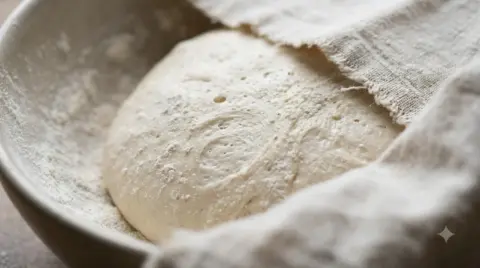
A biga is a simple pre-ferment of flour, water and a tiny amount of yeast. Mix it the evening before and let it rest at room temperature for 12 to 16 hours, until it is bubbly and has risen.
In the King Arthur Rustic Italian Ciabatta recipe, the biga uses 3/4 cup of cool water, about 226 grams of bread flour and just 1/8 teaspoon of yeast. The long rest develops flavor and gives the dough more structure before the final mix.
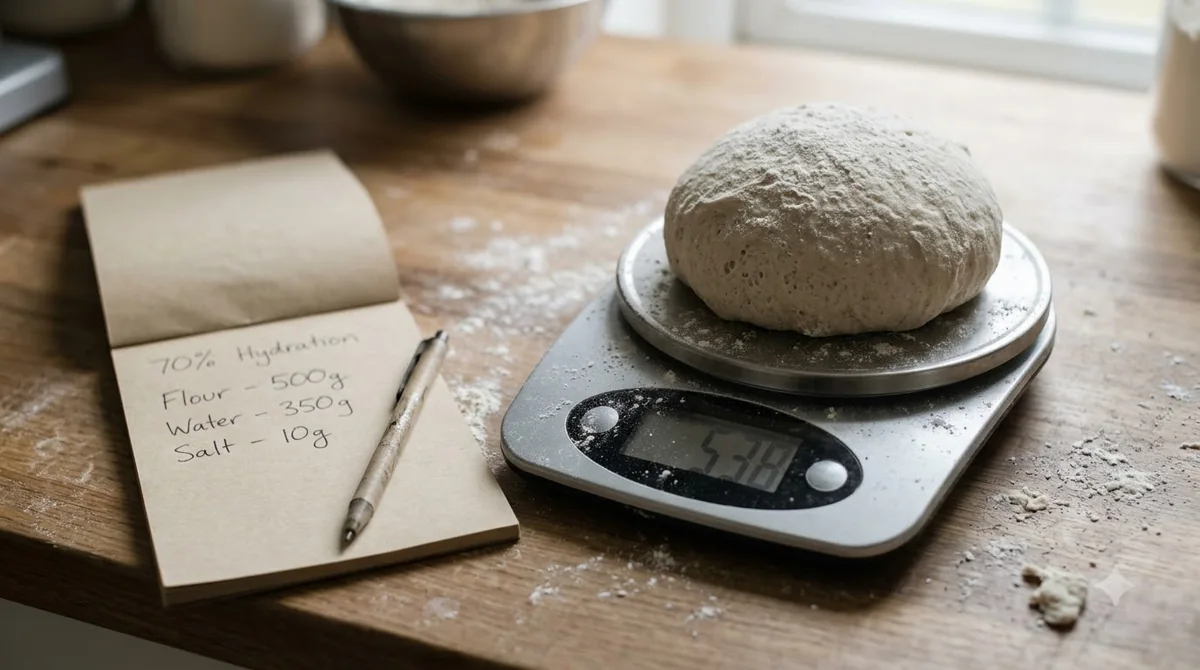
Some bakers use a faster pre-ferment instead. The Perfect Loaf builds a levain with equal weights of flour, water and ripe starter and lets it ferment at about 74 to 76°F for 3 to 4 hours before mixing.
How Do You Mix and Fold Ciabatta Dough?
Mix the biga with the rest of the water, flour, salt and yeast until the dough comes together, then build strength with folds rather than hard kneading. The dough should look shaggy and sticky at first and smoother after a few rounds of folding.
- Combine the biga with the lukewarm water, then add the flour, yeast and salt. Mix on low speed for about 2 minutes, then on medium for 3 to 4 minutes until elastic and sticky.
- Cover the bowl and let the dough rise for one hour.
- Do a bowl fold: wet one hand, lift a section of dough from one side, and press it into the middle. Turn the bowl a quarter turn and repeat 8 to 12 times.
- Let the dough rise for another hour before shaping.
The Perfect Loaf uses a longer schedule with three sets of stretch and folds about 30 minutes apart during a 3.5-hour bulk rise. Either way, the goal is the same: strengthen the dough gently and keep the air in it.
How Do You Shape and Proof Ciabatta Loaves?
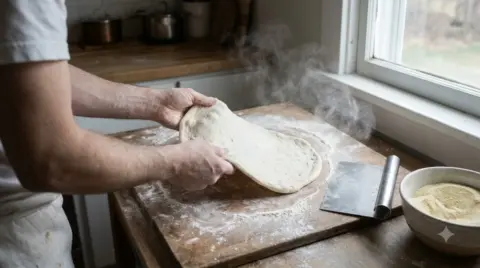
Shape the dough gently on a well-floured surface so you keep the bubbles, then let the loaves proof until they are puffy and light. Shaping too hard squeezes out the gas that makes the open crumb.
King Arthur’s method stretches the dough into an 8 by 10 inch rectangle, cuts it into two 4 by 10 inch pieces and moves each loaf onto floured parchment or linen, about 6 inches apart. The Perfect Loaf divides the dough into four rectangles and gives them a longer final proof of about 2 hours.
- Dust the top of the dough heavily, then turn it out onto the floured surface.
- Stretch gently into a rectangle, then cut into the number of loaves you want.
- Transfer each loaf to floured parchment or linen, leaving space between them.
- Cover and proof for 1 to 2 hours, until the dough is puffy and a poke leaves a dent that fills slowly.
If a fingertip poke springs straight back, the loaves are under-proofed and need more time. If the dent stays and does not fill at all, the dough has over-proofed and may collapse in the oven.
What Oven Temperature and Steam Work Best?
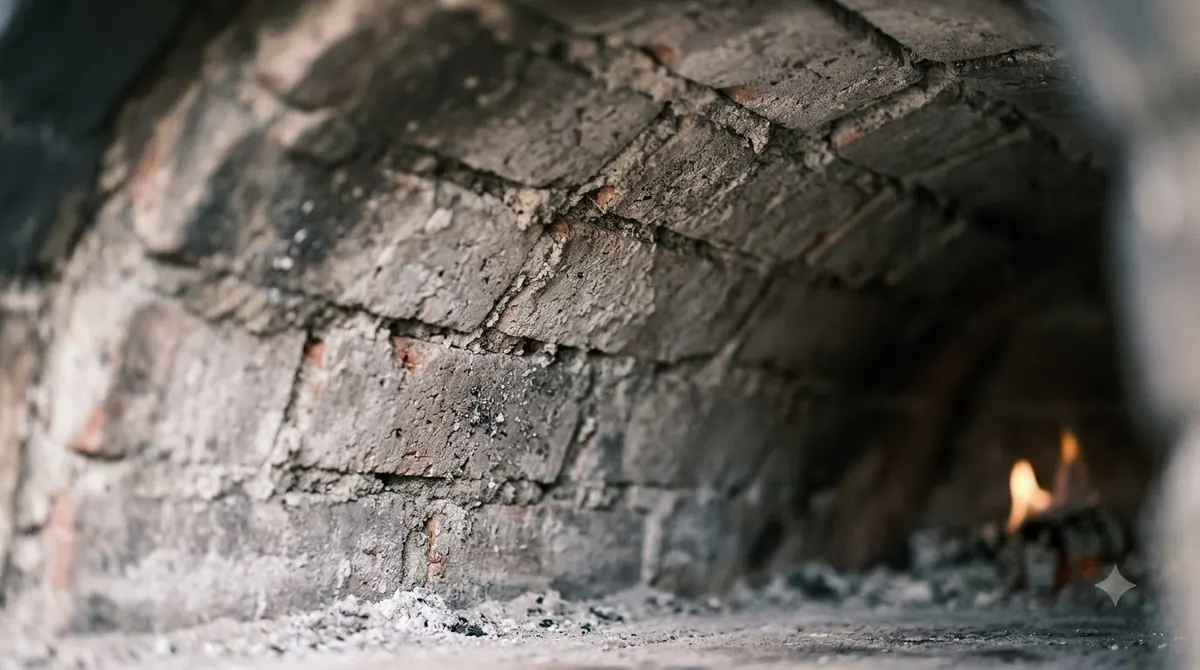
Preheat the oven to 500°F, then lower it to 425°F when the loaves go in and bake for 22 to 25 minutes until deep golden. A baking stone or steel helps the bottom bake through, and steam keeps the crust thin and crisp.
For steam, King Arthur suggests placing an empty cast iron pan on the rack below the stone while the oven preheats. After loading the bread, pour about one cup of boiling water into the pan and shut the door fast. The Perfect Loaf steams its loaves for the first 20 minutes, then vents the oven and bakes for 15 to 20 minutes more.
Let the loaves cool completely before slicing. Cutting into a hot loaf releases steam and makes the crumb gummy.
Why Does My Ciabatta Have Dense Spots or Tight Crumb?
Dense spots usually come from too much flour added during shaping, under-proofing, or a dough that was too stiff from the start. Each one changes how the gas moves through the loaf.
Why Is My Dough Too Wet to Shape?
A dough this wet is meant to be sticky. Use a bench scraper, keep the surface lightly floured and move the dough with the scraper instead of your hands. Adding flour in small amounts is fine only if the dough is truly soupy and will not hold any shape.
Why Are the Holes Tunnels Instead of Pockets?
Long tunnels often come from shaping that was too rough, which knocks out gas and leaves channels. Shape gently and rely on the folds and the proof for structure.
Why Is My Crust Pale?
The oven may not have been hot enough, or the steam ran out too soon. Preheat fully for about 30 minutes and keep the stone or steel in the oven the whole time.
Frequently Asked Questions
Can I make ciabatta bread without a stand mixer?
Yes. The dough is wet, so it is easier to mix by hand with a wet spatula or wet hands, using a series of folds and stretches instead of kneading. Expect a longer mixing time and plan for the same rest periods.
Do I need a baking stone to make ciabatta?
No. A sheet pan or heavy baking tray on a middle rack will work. A stone or steel holds heat better, so the bottom crust gets a stronger initial bake.
How long does homemade ciabatta last?
Keep it wrapped at room temperature and eat it within a day or two for the best crust. For longer storage, freeze the cooled loaves in an airtight bag, then reheat them in a hot oven until the crust crisps again.
Why does the recipe need a pre-ferment?
The pre-ferment builds flavor and makes the dough easier to handle. A same-day dough can be made, but it usually tastes flatter and may be harder to shape.
Ciabatta rewards patience more than skill. Build the biga the night before, handle the dough gently, and give it a hot oven with steam. Once you have a loaf with open holes, you can adjust hydration and proof times to match your flour and kitchen temperature.
 6 min readLearnHow to Make Focaccia With Biga: Step by Step at HomeUpdated Nov 13, 2026
 6 min readLearnHow to Make Ribollita: Tuscan Bread and Bean Soup Step by StepUpdated Nov 13, 2026
 8 min readLearnPizza Dough With Bread Flour: How to Make a Chewy Crust at HomeUpdated Nov 6, 2026
 8 min readLearnBiga vs Poolish: Which Pizza Pre-Ferment Should You Use?Updated Nov 11, 2026
 8 min readLearnBiga Pizza Dough: Ratios, Timing and Steps for Chewier CrustUpdated Nov 6, 2026
 6 min readLearnItalian Easter Bread: Colomba, Casatiello and Regional TraditionsUpdated Nov 13, 2026