
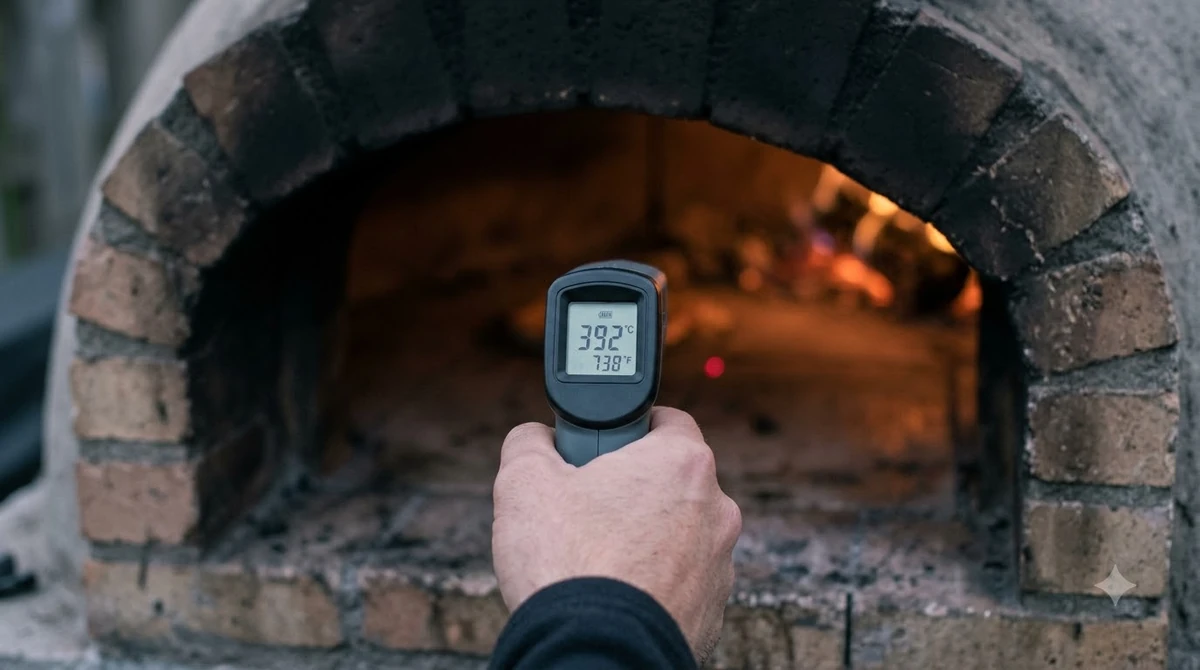

A neapolitan pizza recipe starts with a soft, long-fermented dough, a fresh uncooked tomato sauce, and very few toppings. The official AVPN standard sets clear limits for dough, oven and bake, and those limits work as a guide for home cooks. Neapolitan pizza is not one fixed recipe in every kitchen, so use the standard as a starting point and adjust to your own oven.
What Is Neapolitan Pizza and What Makes It Authentic
Neapolitan pizza is a thin-based pizza from Naples with a soft, raised edge, and the AVPN standard defines its dough, toppings and baking method.

The rules come from the AVPN standard, the official guideline for authentic Neapolitan pizza. A finished pizza should measure 22 to 35 cm across and be no more than 0.25 cm thick at the center, with a tolerance of 10 percent. Those numbers explain why a neapolitan pizza recipe feels so different from a thick, pan-baked pie.
If you are new to this style, start with a plain Margherita-style pizza and treat it as the baseline before trying other toppings. A neapolitan pizza recipe is easiest to judge when the dough is the main flavor.
Authenticity comes from the combination of dough, sauce and method, not from one special ingredient. Other styles, such as New York style pizza or Detroit pizza, use different doughs, pans and bake times, so do not mix their rules into a neapolitan pizza recipe.
Neapolitan Pizza Recipe: Dough Ingredients and Quantities
Authentic dough uses 1.6 to 1.8 kg of “00” or “0” flour for every liter of water, with 40 to 60 g of sea salt. The table below gives the standard amounts for each ingredient in a neapolitan pizza recipe.
| Ingredient | Amount per 1 liter of water | Notes |
|---|---|---|
| “00” or “0” flour | 1.6 to 1.8 kg | Fine Italian flour used for the dough |
| Sea salt | 40 to 60 g | Adds flavor and controls the yeast |
| Fresh brewer’s yeast | 0.1 to 3 g | The amount depends on how long the dough ferments |
| Dry brewer’s yeast | About one third of the fresh yeast weight | Use this ratio when you only have dry yeast |
| Sourdough starter (madre) | 5 to 20 percent of the flour weight | Optional, used as a natural leaven |
Look for flour labeled “00” or “0” when you can. Bread flour is the usual home substitute, and one home recipe uses it, but the texture will not be an exact match to the standard dough.
A simpler home version from A Spicy Perspective’s Neapolitan recipe uses 2 teaspoons of dry active yeast, 1.5 teaspoons of salt and about 2 cups of bread flour for two dough balls. Check the official AVPN Neapolitan pizza rules if you want the full standard before you scale a neapolitan pizza recipe up or down.
Neapolitan Pizza Recipe: Step-by-Step Dough Method
Mix, rest, rise and cold-ferment the dough for 12 to 24 hours in total, then divide it into balls of 200 to 280 grams. This neapolitan pizza recipe follows that order from start to finish.
- Dissolve the yeast in part of the warm water and wait about 10 minutes, until it is foamy.
- Mix the flour, salt and remaining water with the yeast, then knead for 5 to 10 minutes with a dough hook until the dough is smooth.
- Cover the dough and let it rise for about 2 hours, until it has doubled in size.
- Divide the dough into balls and refrigerate them for at least 12 hours.
- Shape each ball and let it rise again in a covered tray or crate before baking.
The AVPN’s 2024 regulation sets a total fermentation of 12 to 24 hours, while its older web page lists 8 to 24 hours plus up to 4 hours of handling time, so plan for at least 12. A common mistake is adding extra flour during kneading, which makes the dough stiff and harder to stretch into a thin base. For a closer look at the dough alone, see this Neapolitan pizza dough with only four ingredients.
The cold rest is the step that cannot be rushed in this neapolitan pizza recipe. A cold rest slows the yeast, so the dough develops flavor over many hours instead of rising fast. Plan to mix the dough a day before you plan to bake, so the timing fits your schedule.
Sauce, Cheese and Toppings for Neapolitan Pizza
Classic toppings are simple: uncooked crushed tomato, a fresh mozzarella, and a light hand with everything else. Buffalo mozzarella is often used on authentic versions, while fior di latte is a milder mozzarella made from whole cow’s milk.
A good neapolitan pizza recipe keeps the sauce fresh rather than cooked down, which lets the tomato taste bright on the baked base. Many recipes season the crushed tomato with salt and little else.
- Crushed tomato with a pinch of salt
- Fior di latte or buffalo mozzarella, torn by hand
- A small drizzle of olive oil
- Fresh herbs added after baking
Keep the toppings spread thin and avoid piling them in the center. A neapolitan pizza recipe built on a thin base needs very little to taste complete.
Less is more on a Neapolitan base. Too many toppings can keep the center from rising properly and leave the middle soggy, so add only what the pizza needs.
Neapolitan Pizza Temperature and Baking Time at Home
Wood-fired Neapolitan ovens run at about 430 to 480 °C, a range covered in this guide to wood pizza oven temperature, and bake a pizza in 60 to 90 seconds, which most home ovens cannot match. Making neapolitan pizza at home means a longer bake at a lower heat.
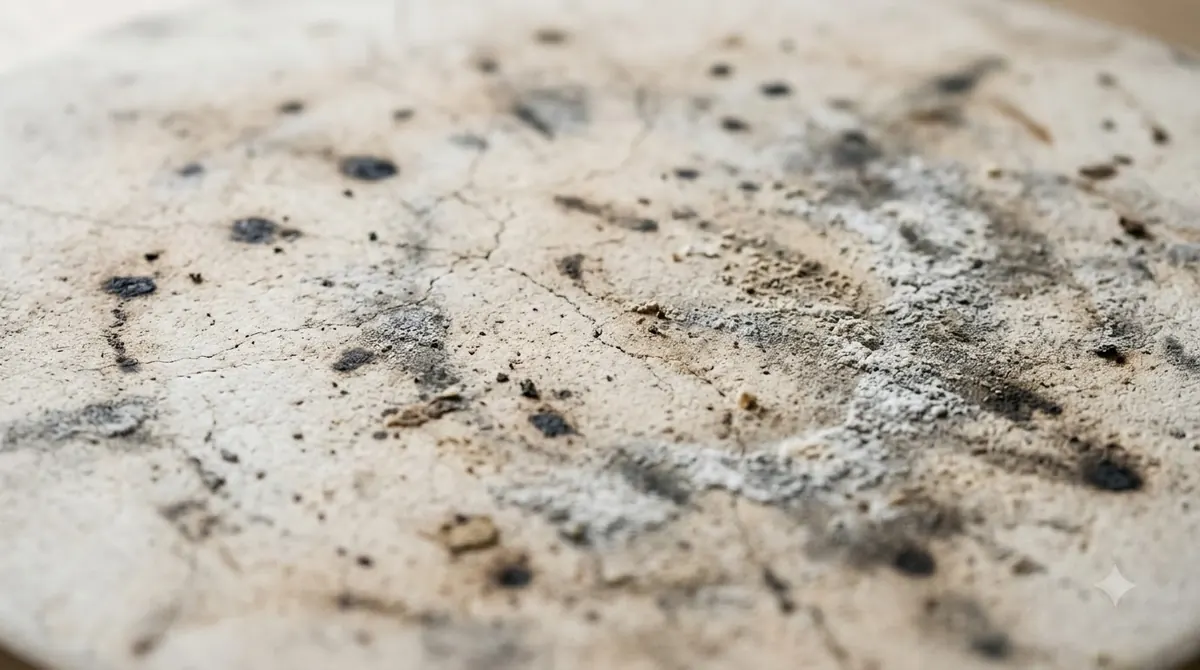
Home recipes give different numbers. One recipe bakes at 550 °F (about 288 °C) on a preheated pizza stone for 5 to 7 minutes, while another uses 475 °F (about 246 °C) for 15 to 20 minutes. The table compares the three settings side by side.
| Oven | Temperature | Bake time |
|---|---|---|
| Wood-fired oven (AVPN standard) | 430 to 480 °C | 60 to 90 seconds |
| Home oven with a preheated stone (A Spicy Perspective) | 550 °F (about 288 °C) | 5 to 7 minutes |
| Home oven (The Manual) | 475 °F (about 246 °C) | 15 to 20 minutes |
Because the sources disagree, the baking time for a neapolitan pizza recipe depends on your oven, your stone and the thickness of your base. Preheat the oven well before baking, ideally with a pizza stone inside, so the cooking surface is fully hot when the pizza goes in.
Preheat the oven at its highest setting until the stone is fully hot (a guide on how to clean a pizza stone helps keep it in good shape), then watch the crust rather than the clock. Check the color through the door or with the oven light on, and turn the pizza if one side browns faster than the other.
Common Mistakes to Avoid With Neapolitan Pizza
The most common error is overloading the base, which can keep the center from rising and leave it soggy. Most problems with a neapolitan pizza recipe come from four habits.
- Overloading the pizza with sauce and cheese.
- Baking on a stone that is not fully preheated, which slows the bake.
- Skipping the cold rest, which gives the dough less time to develop flavor.
- Adding too much flour during kneading.
These timing rules apply to a thin, round dough. A pan pie or deep-dish style needs a different dough and bake plan, so do not expect the same results from them.
Frequently Asked Questions
Can you make a neapolitan pizza recipe without a wood-fired oven?
Yes. A home oven at its highest setting, with a preheated stone or steel, gets closest to the result. It will not match the 60 to 90 second bake of a wood-fired oven, so expect a longer bake and watch the crust closely as it cooks.
How long should neapolitan pizza dough ferment?
The AVPN’s 2024 regulation sets a total fermentation of 12 to 24 hours (its older web page lists 8 to 24). Many home recipes use a cold rest of at least 12 hours in the refrigerator, which gives the dough more flavor.
What flour works best for neapolitan pizza?
The AVPN standard calls for “00” or “0” Italian flour, at 1.6 to 1.8 kg for every liter of water. Bread flour can work in home recipes, but the results will differ from the standard dough.
Is a pizza stone necessary for neapolitan pizza at home?
No, but a stone or steel helps the base crisp and holds heat for a faster bake. Preheat it with the oven on its highest setting, following the preheating guidance in your oven manual.
Can you bake neapolitan pizza in a pan?
A pan changes the texture and the bake time, so a pan pie is a different style from the thin Neapolitan base. For the closest result, stick to a round, thin dough and a very hot surface.
For most home cooks, the best neapolitan pizza recipe is the simplest one: good flour, a long cold rest, a light hand with toppings, and the hottest oven you have. Start with the dough, since it shapes the flavor more than any topping does.