
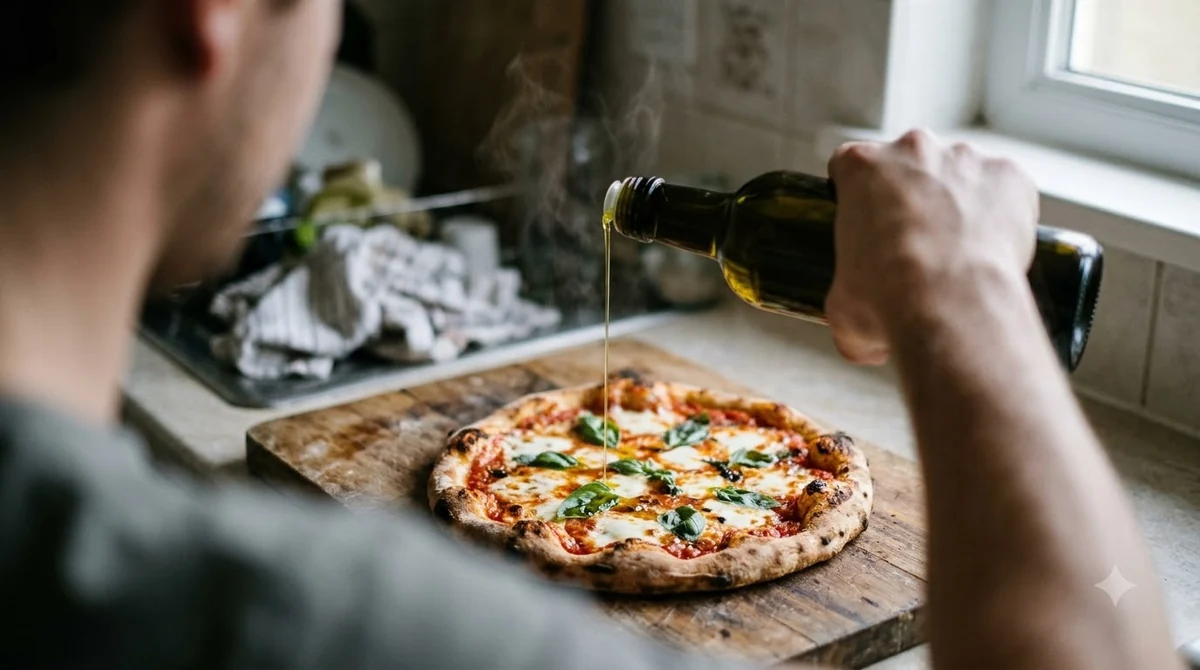

The Ooni Koda 16 vs Solo Stove Pi decision comes down to pizza size and fuel. The Koda 16 makes a 16-inch pizza on propane, while the Solo Stove Pi makes a 12-inch pizza on wood or an optional gas burner. The facts below come from Ooni’s manual and a GearLab review.
Pick the Koda 16 for bigger pies and gas convenience. Pick the Pi if you want wood flavor and a smaller oven. Check the current price on each brand site before you buy.
Ooni Koda 16 vs Solo Stove Pi: Quick Verdict
In the Ooni Koda 16 vs Solo Stove Pi comparison, the Koda 16 cooks a 16-inch pizza on propane, and the Solo Stove Pi cooks a 12-inch pizza on wood or gas. Pick by pizza size first, then by the fuel you already own.
| Pick | Best for | Key fact |
|---|---|---|
| Ooni Koda 16 | Larger pizzas and gas convenience | 16-inch pizza, runs up to 950 F (500 C) |
| Solo Stove Pi | Wood flavor and smaller pizzas | 12-inch pizza, multi-fuel with an optional gas burner |

Solo Stove Pi Prime Propane Pizza Oven
Pros & ConsViewHide
Reasons to buy
- Propane-fired and portable for patios and trips
- Listing says it preheats in about 15 minutes
- Listing says pizza can cook in as little as 90 seconds
- Lower listed price than the Gozney Arc models
Reasons to avoid
- Takes 12-inch pizzas at most
- Needs a propane supply for every cook
- No built-in thermometer listed on the comparison page we read
On paper, the Ooni Koda 16 vs Solo Stove Pi comparison is simple. Size and fuel decide most of the choice, and the rest depends on your setup space and how often you cook.
Pizza Size and Cooking Surface
The Koda 16 bakes on a 15 mm thick cordierite stone and is built for 16-inch pizzas, while the Pi handles a 12-inch pizza according to GearLab’s review.
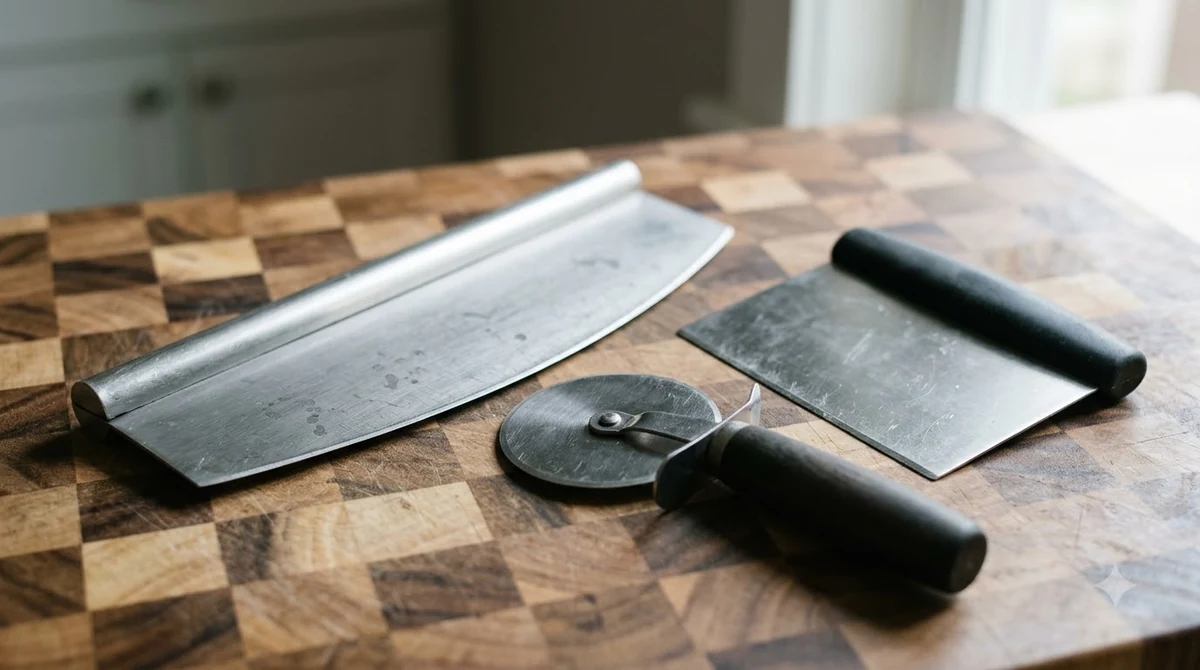
Ooni’s Koda 16 Essentials Guide describes a custom-made 15 mm cordierite baking board that is optimized for heat retention. The L-shaped burner creates a heat map, so the stone is hottest near the flame and cooler toward the edges. Ooni advises rotating your pizza for an even bake.
The guide also says Ooni peels in the 16-inch range and smaller suit the Koda 16. A larger stone gives you room for a bigger pie, and in the Ooni Koda 16 vs Solo Stove Pi decision that extra room is the biggest difference. It also takes more space on your table or patio. For recipe ideas on the Ooni side, see our New York style pizza on the Ooni Koda 16 guide.
- Koda 16: 16-inch pizza on a 15 mm cordierite stone.
- Solo Stove Pi: 12-inch pizza, per GearLab.
- Choose the Koda 16 if most of your pizzas feed a group.
Fuel and Setup: Propane, Wood or Gas
When you weigh the Ooni Koda 16 vs Solo Stove Pi on fuel, the Koda 16 runs on propane, while the Solo Stove Pi is multi-fuel, with wood as the standard fuel and a gas burner sold separately.
| Feature | Ooni Koda 16 | Solo Stove Pi |
|---|---|---|
| Fuel | Propane, connected through a regulator | Wood, with a gas burner sold separately |
| Gas output | Not stated in the guide checked here | 15,000 BTU per hour (gas burner) |
| Setup surface | Wood, stone or stainless steel that holds 30 kg (66 lb) or more | Not confirmed in this comparison |
Before you commit to an Ooni Koda 16 vs Solo Stove Pi purchase, confirm your surface first. Ooni’s guide says glass and plastic tables are not recommended, and the oven should sit at least 1 m (3 ft) from buildings and structures. Choose a spot sheltered from wind, because the guide says the Koda 16 performs best that way.
The Pi’s gas burner is an add-on, rated at 15,000 BTU per hour in GearLab’s review. The same review notes that Solo later sold the Pi Prime as a propane-only model. If you want to burn wood, only the Pi offers that option in this comparison. Our guide to the Solo Stove Pi gas burner explains the propane option.
Heat and Temperature: What Each Oven Reaches
The Ooni Koda 16 vs Solo Stove Pi heat gap is clear on paper: the Koda 16 runs up to 950 F, and Ooni suggests about 750 F for Neapolitan pizza, while GearLab’s Pi test averaged 776 F on high.
Ooni says the Koda 16 is designed to run at up to 950 F (500 C) and recommends about 750 F (400 C) for Neapolitan-style pizza. Before the first cook, the guide asks you to run the oven at top temperature for 30 minutes to season it, then wipe the inside with dry paper towels.
In GearLab’s Solo Stove Pi review, the pizza stone averaged 776 F on high and reached 750 F in 12 minutes with the gas burner. For the Ooni Koda 16 vs Solo Stove Pi heat test, the reviewer did not verify Solo’s near 900 F marketing claim, and the ambient air went past the thermometer’s 800 F limit. The stone reading is the number that matters for pizza. For Solo Stove numbers in more depth, see our Solo Stove Pi temperature guide.
- Season the Koda 16 by running it at top temperature for 30 minutes.
- Wipe the inside with dry paper towels after it cools.
- Preheat to about 750 F before you launch the pizza.
Size, Weight and Moving
Ooni says the Koda 16 needs at least 1.5 hours to cool before you move or clean it, and this comparison has no verified unboxed size for either oven.
The guide says to wait at least 1.5 hours after you turn off the flame before moving or cleaning, and to store the oven only when it is dry and completely cool. The Koda 16 has collapsible legs for transport and storage, and Ooni recommends covering it between uses.
For the Ooni Koda 16 vs Solo Stove Pi footprint, retailer listings for the Pi disagree on height and diameter, so do not buy based on those numbers alone. Before you decide on the Ooni Koda 16 vs Solo Stove Pi, check the official unboxed dimensions on each brand site, then measure the footprint on your patio or table before you order. Our Solo Stove Pi dimensions guide lists the size figures that sources report.
Price and Where to Check It
For the Ooni Koda 16 vs Solo Stove Pi price check, GearLab listed the Solo Stove Pi at $350 in its November 2022 review, so that figure is dated and should be checked before you buy.
Prices change often, and the $350 figure is only a list price from the time of the review. This comparison did not confirm a current price for either oven. Compare the price on each official site, then add the cost of the gas accessory if you plan to use gas with the Pi.
Check the model name too. Solo sells the Pi Prime as a separate propane-only oven, so a deal on the Pi Prime is not the same product as the Pi that GearLab reviewed. Check each price on the day you buy, since Ooni Koda 16 vs Solo Stove Pi can flip with a sale.
Who Should Pick Which Oven
Pick the Ooni Koda 16 for a 16-inch pizza and propane convenience, and pick the Solo Stove Pi for a smaller 12-inch pizza and the option of wood. Choosing between the Ooni Koda 16 vs Solo Stove Pi comes down to what you cook most, and each oven trades one thing for another.
The Koda 16 gives you more pizza space and a stone that heats through, but it needs propane and a stable surface away from wind. The Pi gives you wood or gas and a smaller footprint for a 12-inch pizza. If you need a fixed 16-inch pizza, the Pi is not the right match in the Ooni Koda 16 vs Solo Stove Pi comparison. For a brand-level comparison, read our Ooni vs Solo Stove pizza oven guide.
- Choose the Koda 16 if you cook for a group and want a 16-inch pizza.
- Choose the Koda 16 if you already use propane and want gas control.
- Choose the Pi if you want to cook with wood at home.
- Choose the Pi if a 12-inch pizza is enough and you may add gas later.
Frequently Asked Questions
Is the Ooni Koda 16 bigger than the Solo Stove Pi?
In the Ooni Koda 16 vs Solo Stove Pi comparison, the Koda 16 is built for a 16-inch pizza, and the Pi is built for a 12-inch pizza, so the cooking area is different. This comparison does not confirm the unboxed footprint for either oven. Check the official dimensions on each brand site before you buy.
Can the Solo Stove Pi run on gas?
Yes. GearLab describes gas as an add-on burner rated at 15,000 BTU per hour, and the burner is sold separately. The standard Pi is a wood-burning oven, so check what is included in the bundle you are buying.
Does the Ooni Koda 16 burn wood?
The Ooni Koda 16 Essentials Guide covers propane only, connected to a propane tank through a regulator. Confirm the fuel on the product listing before you order, since this article did not check every version of the oven.
How long should I season the Koda 16?
Ooni recommends running the oven at top temperature for 30 minutes before the first cook. Once it cools, wipe the inside with dry paper towels to remove oils or coatings left from manufacturing.
Can I move the Koda 16 right after cooking?
No. Ooni says to wait at least 1.5 hours until the oven is dry and completely cool before moving or cleaning it. Turn off the flame at the gas control knob and detach the regulator from the tank first.
What is the difference between the Solo Stove Pi and Pi Prime?
GearLab notes that Solo later replaced the Pi with the Pi Prime, which runs on propane only. The Pi in this comparison is multi-fuel, with wood as the standard fuel and an optional gas burner. The Ooni Koda 16 vs Solo Stove Pi comparison here assumes the standard Pi, not the Pi Prime. Check the model name before you compare prices.
Your Ooni Koda 16 vs Solo Stove Pi choice should start with pizza size, since a 16-inch and a 12-inch oven cook very different pies. Then choose the fuel based on what you already own. Confirm current prices and unboxed dimensions on each official site before you buy.
 8 min readReviews & VersusOoni Koda 12 vs Solo Stove Pi Prime: Which Portable Pizza Oven Fits YouUpdated Nov 8, 2026
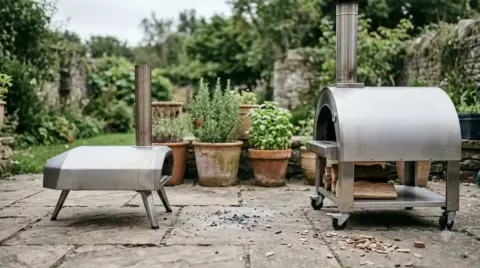 7 min readReviews & VersusOoni vs Solo Stove Pizza Oven: Which Brand Fits Your BackyardUpdated Nov 14, 2026
 8 min readReviews & VersusSolo Stove Pi Prime Review: Specs, Fuel and Who It SuitsUpdated Nov 15, 2026
 8 min readReviews & VersusSolo Stove Pi Review: Specs, Fuel Options and Safety RulesUpdated Nov 15, 2026
 8 min readReviews & VersusOoni Koda 16 vs Ooni Koda 2: Which Gas Pizza Oven Fits YouUpdated Nov 14, 2026
 8 min readReviews & VersusOoni Koda 16 vs Ooni Koda 2 Pro: Which Gas Pizza Oven Fits YouUpdated Nov 14, 2026