
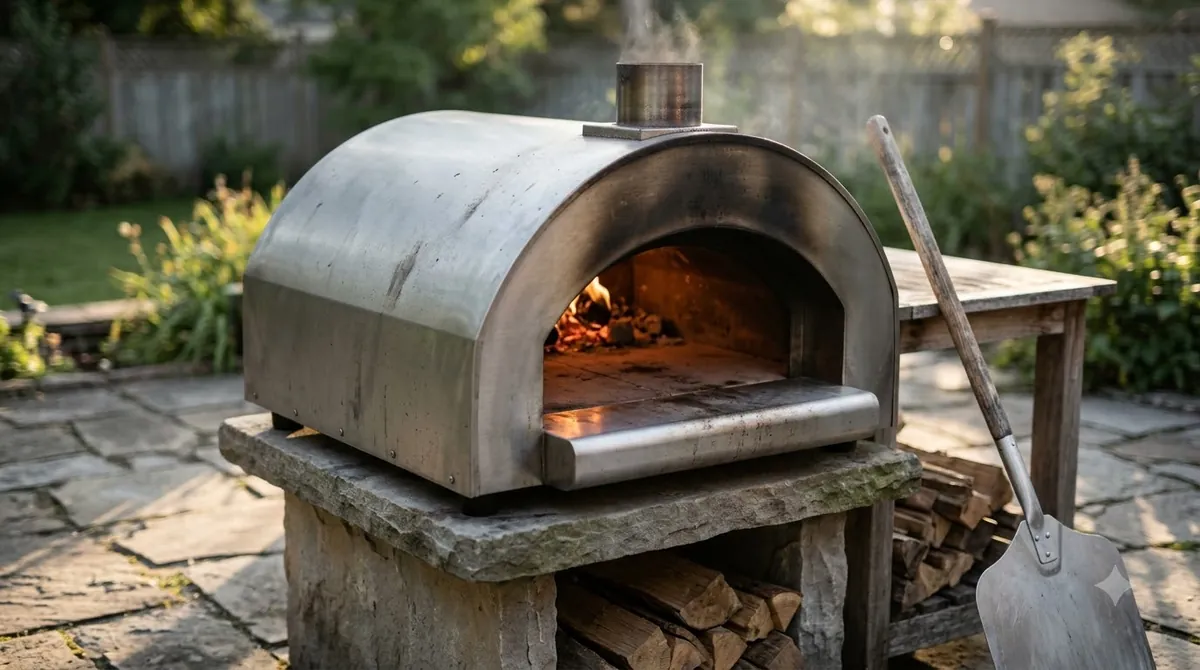

A pizza oven for homemade pizza is an oven specially suited for making pizza, built to reach the high heat that browns a crust quickly. It can run on wood, gas or electricity, and each fuel fits a different kitchen.
The right model depends on the heat it reaches, the fuel you can use, the stone size and where it will sit. Decide those four points about your pizza oven for homemade pizza before you compare brands.

Ooni Koda 2 Propane Gas Pizza Oven
Pros & ConsViewHide
Reasons to buy
- About 35 lb, light enough to move between spots
- Thicker stone for back-to-back pizzas, per Ooni
- Regulator and hose included for propane
Reasons to avoid
- Propane only and not compatible with natural gas
- 14-inch pizzas at most, smaller than the Koda 2 Pro
- Gas bottle is not included

Gozney Arc Propane Outdoor Pizza Oven
Pros & ConsViewHide
Reasons to buy
- Listing says a 14-inch pizza cooks in about 60 seconds
- Lateral rolling flame with precision flame control
- Listing says it heats up to 950°F
Reasons to avoid
- Propane only, with no wood or charcoal option
- Listed weight differs between sources, so confirm on Gozney's page
- Only a few Amazon ratings so far

Ooni Karu 2 Pro Multi-Fuel Pizza Oven
Pros & ConsViewHide
Reasons to buy
- Burns wood or charcoal out of the box, or gas with a separate burner
- Reaches 950°F in about 15 minutes, per Ooni
- Full glass door lets you watch the bake
- Digital thermometer and Ooni Connect app support
Reasons to avoid
- Gas burner is sold separately
- Full-size 16-inch oven needs more space than 12-inch models
- Premium price tier

Ooni Koda 2 Pro Gas Pizza Oven
Pros & ConsViewHide
Reasons to buy
- 18-inch gas oven, the largest size in the Koda 2 line
- Listing quotes a 160°C to 500°C temperature range
- Regulator and hose included for propane
Reasons to avoid
- Propane only and not compatible with natural gas
- About 66 lb unboxed, so it is heavy to move
- Needs more table space than the 14-inch Koda 2
What a Pizza Oven for Homemade Pizza Does Differently
A pizza oven concentrates intense heat around the pizza, which lets the Maillard reaction brown the crust quickly.
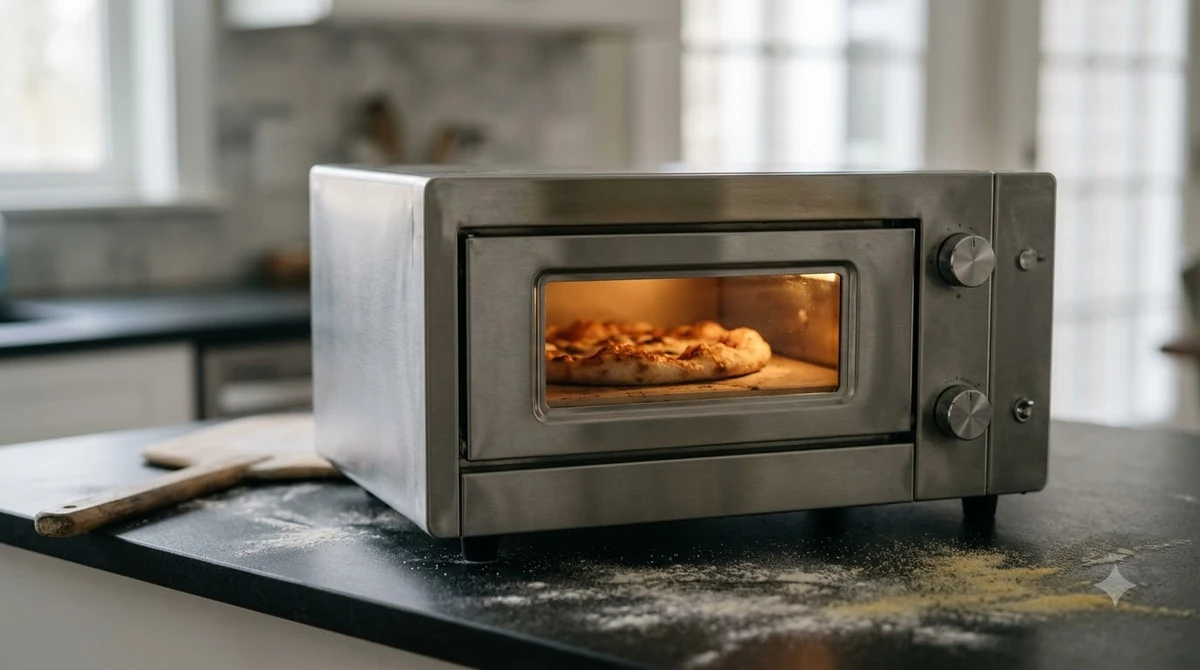
The Wikipedia pizza oven entry describes the category as ovens specially suited for making pizzas, especially Neapolitan pizza. It lists wood-fired, gas-fired, electric and hybrid designs, and hybrids can burn both wood and gas.
The same entry explains the cooking science. High temperatures allow the Maillard reaction, and moisture from the dough is trapped as steam inside the oven. In wood-fired designs, a dome built above the cooking floor is meant to minimize heat dispersion. Running a wood-fired oven well also depends on the operator’s skill, so expect a learning curve.
What Heat to Look for in a Home Pizza Oven
America’s Test Kitchen, in its Cook’s Illustrated buying guide to home pizza ovens, recommends an ambient temperature of at least 800 degrees F and a stone temperature of at least 700 degrees F. Those are the two numbers to check first on any model you consider.
For a pizza oven for homemade pizza, higher is not automatically better. The same guide says more heat is not always better, and it values adjustable heat for lower-temperature styles. A model that lets you dial the heat down gives you more control over the crust and toppings. If a model runs cool, read how to get a pizza oven hotter before you give up on it.
| Model | Max ambient temperature (as listed) | Max pizza diameter (as listed) |
|---|---|---|
| Ooni Koda 2 | 874 F | 14 in |
| Gozney Arc | 978 F | 14 in |
| Ooni Karu 2 Pro | 1,069 F wood, 1,062 F propane | 15 in |
| Ooni Koda 2 Pro | 1,205 F | 18 in |
The figures above come from the America’s Test Kitchen guide, and specs change between model versions, so confirm them on the manufacturer’s page. When you compare any pizza oven for homemade pizza, read the heat and the pizza diameter together, because the guide lists both for each model.
Gas, Wood, Multifuel or Electric: Choosing the Fuel
For most home cooks, propane is the easiest fuel for a pizza oven for homemade pizza, according to America’s Test Kitchen, because it is easier to use and clean than wood. Wood, multifuel and electric models each suit a different routine.
- Propane (gas): the guide recommends it for most people because it is easier to use and clean.
- Wood: suits people who enjoy live-fire cooking, and results depend on the operator’s skill.
- Multifuel: the guide describes these as a choice for people who enjoy live-fire cooking, and they can be fed with more than one fuel.
- Electric: Wikipedia notes that electric ovens have a smaller carbon footprint than wood-fired ones, but they still need a suitable power supply and placement. Our guide to the best electric pizza ovens covers countertop models.
The trade-off is simple. Gas is the easier option the guide points to, while wood asks for more attention and more practice. Pick the fuel you will use often, because a pizza oven for homemade pizza that sits unused is of little use to anyone.
How Big a Pizza Oven You Need
The America’s Test Kitchen guide says a 13 to 14 inch stone is best for most people, while 11 to 12 inch models suit small spaces and portability.
- 11 to 12 inches: small spaces and easy transport.
- 13 to 14 inches: the size the guide calls best for most people.
- 16 to 18 inches: larger pies and more room to work.
Measure your peel and your stone before you buy a pizza oven for homemade pizza, so the pie you actually make fits the opening and the cooking surface. Weight matters too. Most ovens in the guide weigh 20 to 60 pounds, so plan where you will lift and store your pizza oven for homemade pizza.
Where to Place the Oven and Carbon Monoxide Safety
The CDC says never burn charcoal indoors, and never use a generator inside your home or garage, even if doors and windows are open. These rules apply to any fuel-burning cooker, including a pizza oven for homemade pizza, that you bring into an enclosed space.
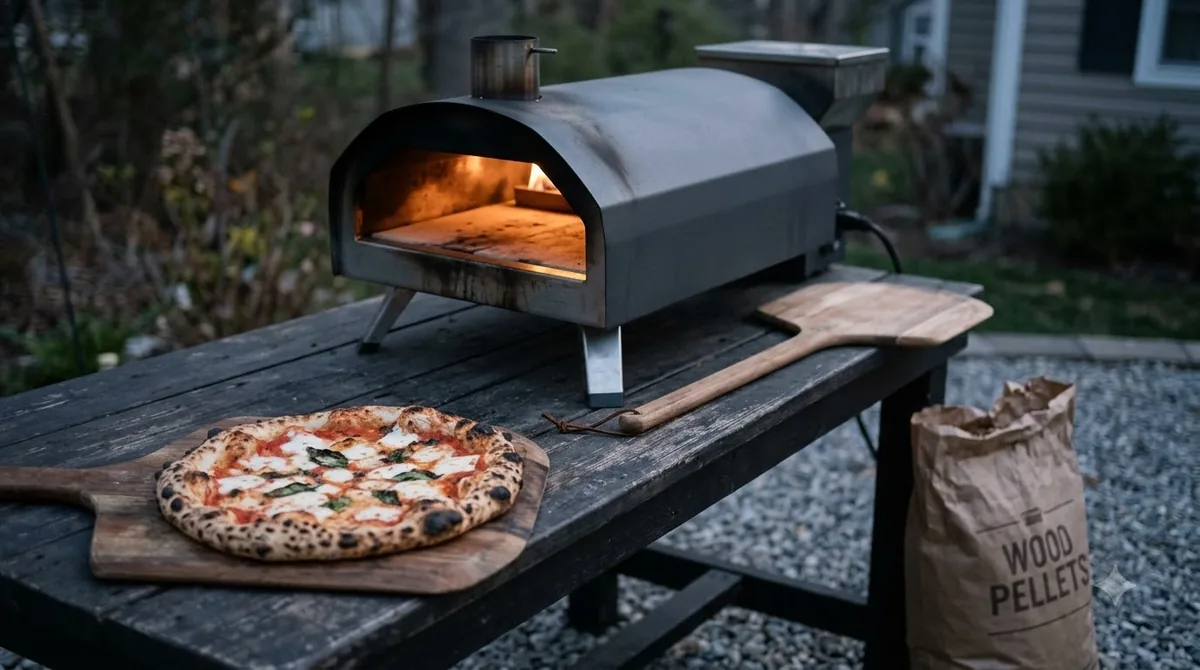
The CDC carbon monoxide guidance lists gas and oil furnaces, portable generators, charcoal grills, vehicles, stoves, lanterns and fireplaces as CO sources. It adds that burning charcoal of any color gives off CO, so charcoal stays outdoors.
The same CDC page warns against several other habits: never use a portable gas camp stove indoors, never heat a house with a gas oven, and do not cook on a stove or fireplace that is not vented. Use these rules, and our indoor vs outdoor pizza oven comparison, to decide where the oven goes.
- Use a gas, wood or charcoal pizza oven for homemade pizza outdoors, never inside a home or garage.
- Follow the clearance numbers in your own owner’s manual, since they differ between models and fuels.
- Keep the oven away from anything that can catch fire, and confirm the distance in the manual.
- Ask your local fire authority about local rules, since they can add requirements beyond the manual.
Preheat Time and Setup
In the America’s Test Kitchen review, the ovens took 20 to 30 minutes to get hot, depending on the model. The same review notes that manufacturers recommend no more than 20 minutes of preheating, so check the instruction sheet for your unit.
Plan your first cook with your pizza oven for homemade pizza around that window, and follow the owner’s manual on when the stone is ready before you slide in the pizza.
Decision Checklist Before You Buy
Check heat, fuel, stone size, weight and placement in that order before you compare brands. Each step narrows the list, so you spend time only on models that fit your kitchen. Use this list as a filter for a pizza oven for homemade pizza, not as a ranking of models. First-time buyers can also read our pizza oven for beginners guide.
- Heat: does the model reach at least 800 degrees F ambient and 700 degrees F on the stone?
- Fuel: which one can you use regularly, and where can you store it?
- Size: does the stone match your usual pizza diameter and your peel?
- Weight: can you lift and move it safely?
- Placement: does the owner’s manual allow your planned spot?

What This Guide Could Not Confirm
Current prices, exact clearance distances and full specifications for every pizza oven for homemade pizza were not confirmed here, so the manufacturer and the owner’s manual are the final sources. Prices change often, and the review does not show when its figures were captured.
Clearance requirements also differ by model and by fuel type, so do not rely on a general distance. Use these checks before you buy or install:
- The manufacturer’s current spec page for ambient and stone temperature.
- The owner’s manual for clearance, fuel and surface rules.
- A retailer listing for the current price, with the date you checked it.
Frequently Asked Questions
How hot should a pizza oven for homemade pizza get?
America’s Test Kitchen recommends an ambient temperature of at least 800 degrees F and a stone temperature of at least 700 degrees F. The models in its table list ambient figures from 874 F to 1,205 F. Check whether the figure is for the fuel you plan to use, since the Karu 2 Pro lists different values for wood and propane.
Is gas or wood better for home pizza?
For most home cooks, propane is easier to use and clean, according to the same guide. Wood suits people who enjoy live-fire cooking, but Wikipedia notes that wood-fired results depend on operator skill. Choose the fuel you will use regularly.
What size stone should I buy?
The guide says a 13 to 14 inch stone is best for most people. Smaller 11 to 12 inch models suit small spaces and portability, while 16 to 18 inch models suit larger pies and more room.
Can I use a pizza oven indoors?
The CDC says never burn charcoal indoors and never use a generator inside a home or garage. Other fuel-burning cookers, such as a portable gas camp stove, also should not be used indoors. Check the owner’s manual for each model before you use it indoors, and treat any fuel-burning unit as an outdoor appliance unless the manual says otherwise.
How long does a pizza oven take to preheat?
In the America’s Test Kitchen review, the models took 20 to 30 minutes to get hot. The same review says manufacturers recommend no more than 20 minutes of preheating, so follow the instructions for your model.
How much does a home pizza oven weigh?
Most of the ovens in the guide weigh 20 to 60 pounds. Check the weight of your pizza oven for homemade pizza before you decide where it will live and how you will move it.
Choose the oven that matches your heat target, fuel, stone size and safe placement. Read the owner’s manual before the first fire, and keep every fuel-burning model outside. The right pizza oven for homemade pizza is the one you will use often, not the one with the highest listed temperature. Plan the spot before it arrives, so the placement is ready when you are. Once the oven is set up, our guide on how to make pizza at home covers the dough and the bake.
 8 min readBy Use & ModelPizza Oven for Cooking Steak: How to Choose and Cook It SafelyUpdated Nov 16, 2026
 9 min readBy Use & ModelPizza Oven for Entertaining: How to Choose the Right OneUpdated Nov 16, 2026
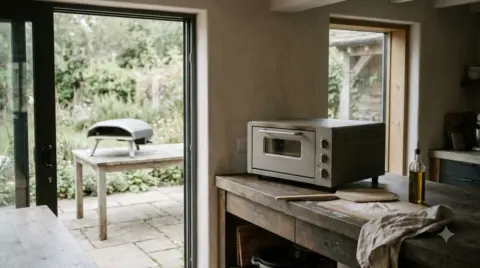 10 min readBy Use & ModelPizza Oven for Home Use: How to Choose the Right Type and Stay SafeUpdated Nov 16, 2026
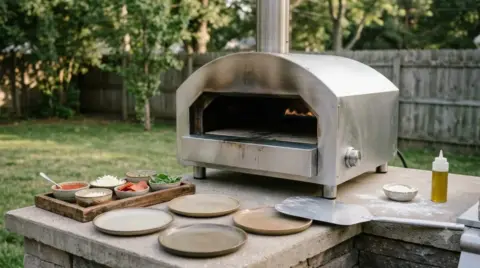 10 min readBy Use & ModelPizza Oven for Outdoor Kitchen: How to Choose the Right OneUpdated Nov 16, 2026
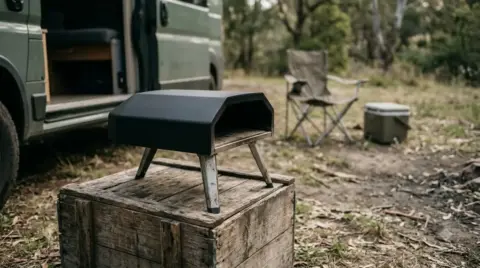 8 min readBy Use & ModelPizza Oven for Camping: How to Choose One and Use It SafelyUpdated Nov 16, 2026
 9 min readBy Use & ModelPizza Oven for Backyard: How to Choose the Right OneUpdated Nov 16, 2026