

A pizza stone on gas grill is a heavy baking stone that sits on the grate with the burners set for indirect heat, so the dough cooks from below while the lid traps the heat above. It works well for home cooks who already own a gas grill and do not want a separate pizza oven. The main rules are a slow preheat, a stone placed away from the direct flame, and a dough that is shaped and topped quickly.
Most stones are made of cordierite or ceramic, and both can crack if they go from cold to very hot too fast. The steps below keep the setup simple: plan the heat zones, warm the stone slowly, then bake with the lid closed so the top of the pizza sets while the base crisps.
How a pizza stone on gas grill changes the heat
A pizza stone on gas grill acts as a heat store. Once it is hot, it gives up energy steadily to the dough, which helps the base set and brown instead of drying out.
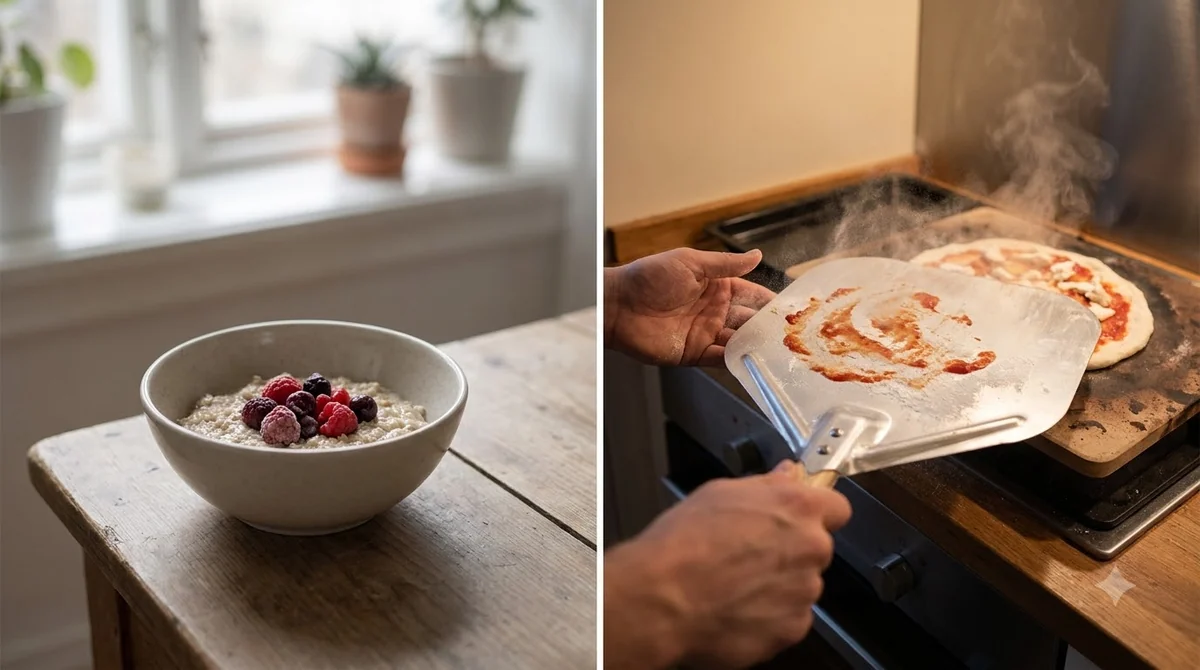
The key difference from a pizza oven is airflow. A gas grill with the lid closed holds heat well, but it does not reach the very high top heat of a purpose-built oven, so the pizza usually needs a little more time and a careful eye on the crust. Expect a softer top and a crisper base than you would get from a hot oven.
Because the stone is thick, it takes longer to warm than the grill grate. Put the stone on the grate before you turn the burners on, so the temperature rises together and the stone does not take a sudden blast of heat from the flame.
Set up two heat zones before you start
Set up the grill with one zone on direct heat and one zone off, or with the burners on the side away from the stone. The stone sits over the off or indirect side, so the bottom of the dough cooks without scorching while the lid keeps the top of the pizza in a steady heat.
- Clean the grate and remove any old ash or food that could stick to the dough.
- Place the cold stone on the grate in the indirect zone, centered if possible.
- Light the burners on the direct side only, then close the lid.
- Let the stone heat slowly until the lid thermometer is steady, and check the stone manufacturer’s manual for the preheat time it lists.
Keep a spare cover or a towel nearby, and never pour cold water on a hot stone. A thermometer placed near the stone gives a clearer reading than the built-in lid gauge, which can sit far from the cooking surface.
Preheat slowly to avoid cracking the stone
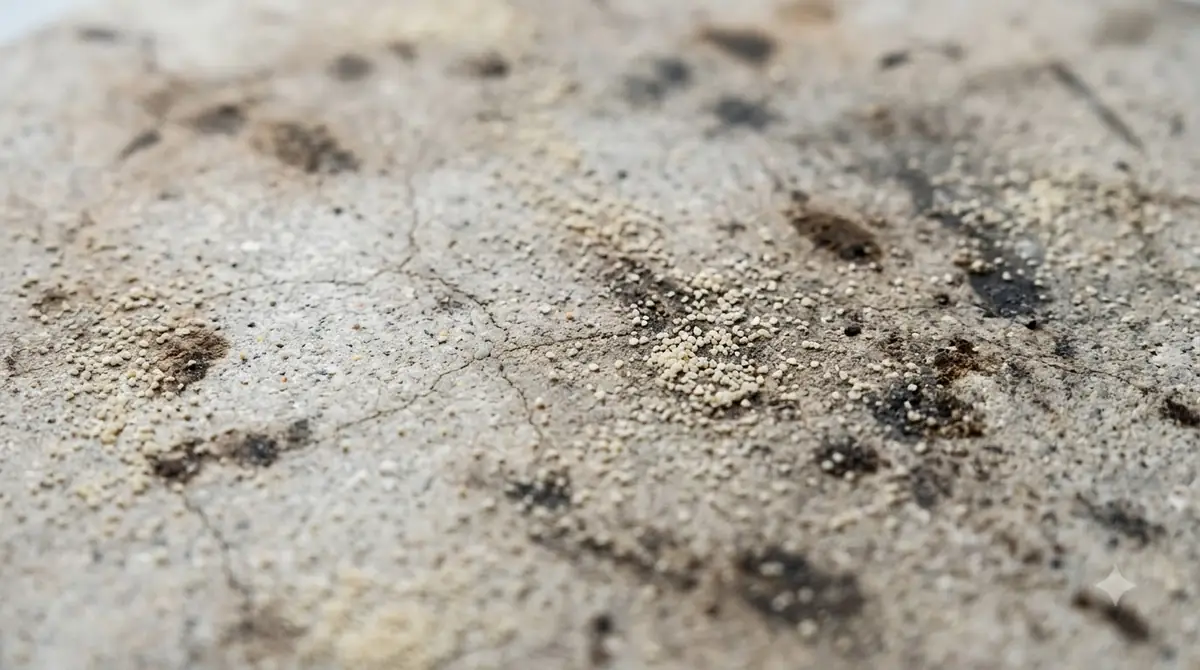
Cracking is the most common problem with a stone on a grill. The usual cause is a sudden change in temperature, such as placing a cold stone on a very hot grate or spraying water on a stone that is still hot. Heat the stone with the lid closed from the start, and avoid moving it while it is hot.
The general approach is to start cold, heat gradually, and let the stone reach a steady temperature before the first pizza. If your stone is new, follow any seasoning or first-use note in the packaging. Older stones with hairline cracks should be replaced before you use them on a grill, because a crack can grow quickly under sudden heat.
Shape, transfer, and bake the pizza
Shape the dough on a floured board or parchment, then dust a peel with fine cornmeal or semolina so the pizza slides easily. Assemble the pizza quickly, because a wet dough sitting on a peel can stick. Keep toppings light, since a heavy load slows the bake and leaves the centre soft.
- Slide the dough onto the stone with a short, firm motion.
- Close the lid and check the crust through the vent or after a short interval.
- Rotate the pizza once if your grill has hot spots, so the base colors evenly.
- Lift the pizza with the peel when the crust is set and browned on the bottom.
If the top looks pale when the base is ready, you can move the pizza closer to the heat for a short moment, but watch it closely. The goal is a crisp base and a melted top, not a charred edge. Let the pizza rest for a minute on a rack before cutting so the base does not steam.
Clean and store the stone after each bake
Let the stone cool down slowly with the grill off and the lid closed, the same way you heated it. Brush away loose crumbs and cheese once the stone is cool enough to handle. Many care sheets advise against soap, because a stone absorbs liquid and can take on a flavor, so scrape and brush instead.
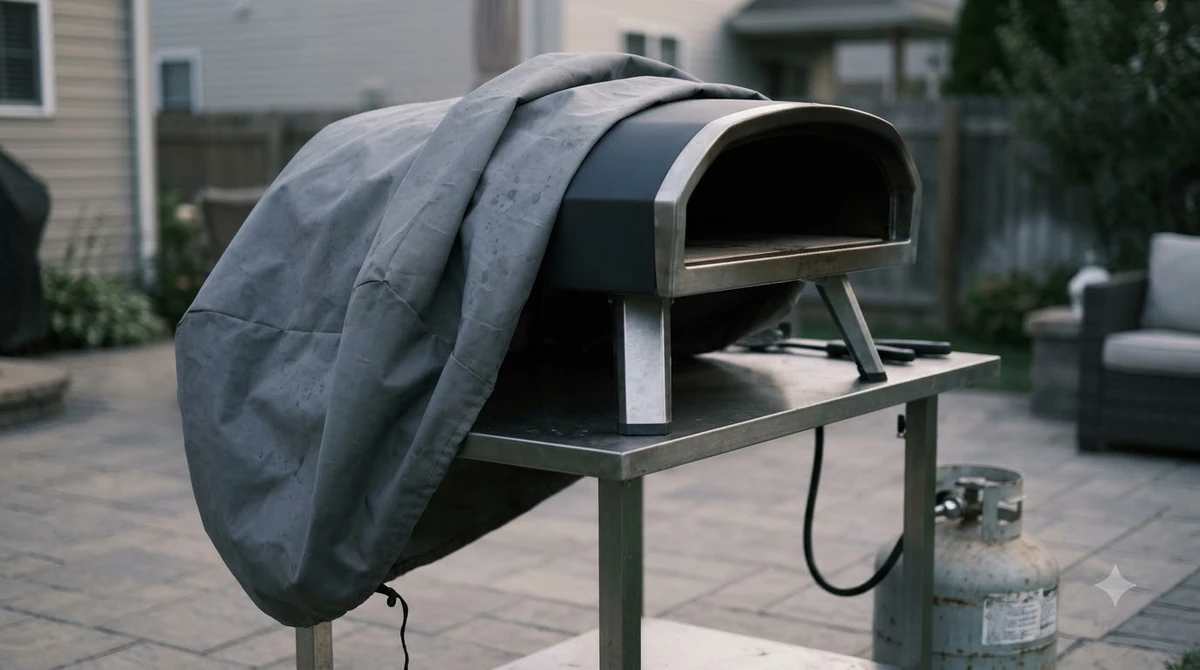
Store the stone somewhere dry. In cold weather, keep it indoors so it does not take on moisture or freeze and thaw. Check the stone for new cracks before each use, and replace it if a crack runs through the cooking surface.
Frequently Asked Questions
Can you put a pizza stone directly over the flame on a gas grill?
Avoid direct flame under a stone. Direct heat can overheat one area and increase the chance of cracking. Use the indirect zone, and check the manufacturer’s manual for the maximum temperature your stone can take.
Do I need to preheat the stone before the pizza goes on?
Yes. A preheated stone gives the base a fast set. Let it heat with the lid closed until the stone is steady, and do not rush the process, because the stone needs time to soak up the heat.
Is a pizza stone on a gas grill the same as a pizza oven?
No. A pizza oven is built to reach very high top heat and to hold it. A stone on a gas grill gives a softer top and a good base, which suits many home pizzas, but it will not match a purpose-built oven for speed.
Can I use a pizza stone for other foods on the grill?
Yes, many cooks use a stone for flatbreads, focaccia, and roasted vegetables. Keep the same rules: heat it slowly, avoid cold liquids on the hot surface, and check that the food will not stick to the stone.
A pizza stone on a gas grill is a practical way to get a crisp base without a dedicated oven. Set one zone for indirect heat, preheat slowly with the lid closed, and keep the toppings light. Check your stone and grill manuals for exact heat settings, because each model behaves a little differently.
 9 min readBest PicksBest Natural Gas Pizza Ovens: Types, Setup and What to CheckUpdated Nov 12, 2026
 5 min readBest Picks800 Degree Pizza Oven: What the Heat Means for PizzaUpdated Nov 13, 2026
 7 min readBest PicksPizza Oven Buying Guide: Fuel, Size and Heat TipsUpdated Nov 13, 2026
 8 min readBest PicksElectric Pizza Oven Temperature: What Heat Level to UseUpdated Nov 7, 2026
 8 min readBest PicksPizza Oven Temperature: What Heat to Use for Every PizzaUpdated Nov 10, 2026
 8 min readBest PicksHow Long Does Ooni Koda 12 Take to Heat Up? Official FiguresUpdated Nov 7, 2026