
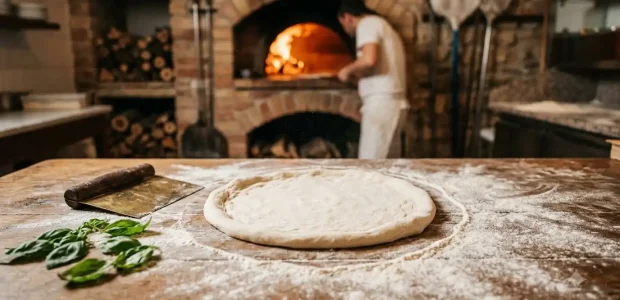

Polselli Classica and Caputo Pizzeria are Italian Tipo 00 flours made for Neapolitan pizza, and they are close enough to swap: both sit near W 270, while Caputo Pizzeria carries a bit more protein and Polselli Classica tends to feel a little softer. The real decision comes down to your fermentation schedule, how your oven bakes, and where you can actually buy a fresh bag at a fair price.
Polselli Classica vs Caputo Pizzeria: How Different Are the Specs?
On paper the gap is small: both flours are rated around W 270, and the clearest difference is that Caputo Pizzeria lists slightly more protein.
According to Polselli’s own product page, Classica is a Tipo 00 blend of domestic and imported soft wheat, recommended for direct doughs with medium rise times and traditional Neapolitan pizza, with a strength rating of W 270 and a tolerance of up to 5 percent. On the Caputo side, Caputo’s US store lists Pizzeria at 12.5% protein with a W range of 260 to 280, while European retail listings commonly print W 260/270 and an elasticity (P/L) of 0.50 to 0.60.
Polselli’s protein figure is where buyers get tripped up. Polselli’s own storefront listing on Amazon Italy gives a minimum protein of 11.50% and a P/L of 0.50, while Wholesale Italian Food lists the same flour at 12% protein. Treat Classica as roughly 11.5 to 12 percent protein and be wary of any single number presented as exact.
| Spec | Polselli Classica | Caputo Pizzeria |
|---|---|---|
| Flour grade | Tipo 00 soft wheat | Tipo 00 soft wheat |
| Strength (W) | 270 | 260 to 280 (often printed 260/270) |
| Protein | About 11.5% to 12% | 12.5% |
| Elasticity (P/L) | About 0.50 | 0.50 to 0.60 |
| Intended rise | Direct dough, medium rise | Short to medium rise |
| Origin | Arce (Frosinone), south of Rome | Naples |
| Additives | Sold as unbromated and unbleached | Bromate-free, no conditioners or enzymes |
On additives, Wholesale Italian Food describes Classica as unbromated and unbleached, and Caputo says Pizzeria is made without bromate, bleach, conditioners, or enzyme systems. Polselli traces its roots to Arce, in the province of Frosinone.
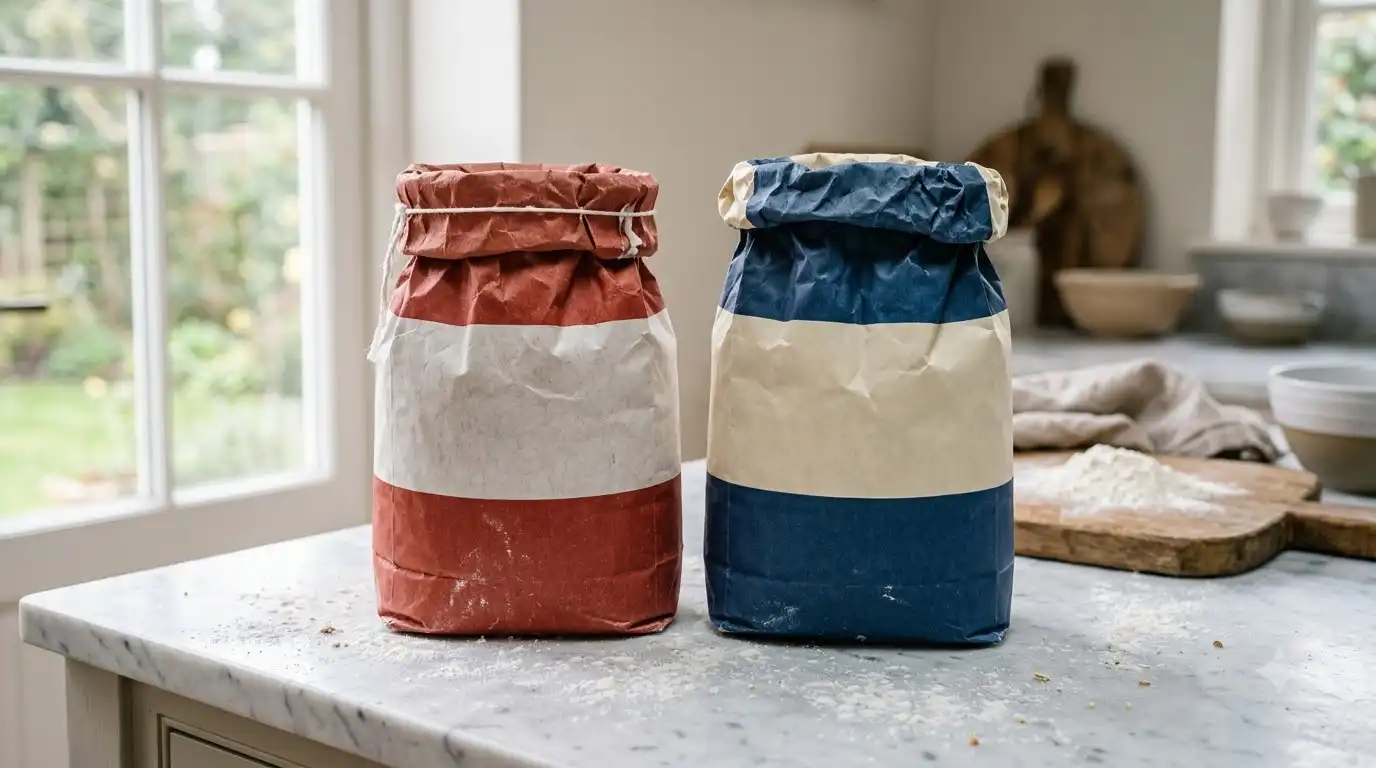
A common mix-up is grabbing Caputo Chef’s instead of Pizzeria. They are different flours: The Home Pizza Maker lists Chef’s at W 300 to 320 and 13 to 13.5% protein. Bag color is not a reliable shortcut either, since one UK retailer notes that Caputo Pizzeria, formerly known as the “blue” flour, now ships in a red packaging variation in that market. Check the product name printed on the bag.
Which One Handles Your Fermentation Schedule Better?
Polselli Classica is built for direct doughs with medium rise times, while Caputo Pizzeria is labeled for rises of up to about a day and a half, so longer schedules lean toward Caputo.
Wholesale Italian Food suggests an 8 to 10 hour fermentation window for Classica, whereas a UK retailer’s Caputo Pizzeria listing describes it as suited to short to medium fermentation of roughly 24 to 36 hours. In practice, The Home Pizza Maker rates both as comfortable in 12 to 24 hour ferments and says both perform best in the 24 to 36 hour range when pushed toward 48 hours. Here is how that plays out by schedule:
- Same-day dough, about 8 to 10 hours: Polselli Classica is the more natural match, since that is the window its sellers describe.
- Overnight to 24 hours: either flour works, so let price and availability decide.
- 24 to 36 hours cold: Caputo Pizzeria is the safer bet on paper.
- 48 to 72 hours cold: neither is the strongest tool. A higher W flour gives you more margin, and Polselli’s own lineup includes Super, rated W 360 and aimed at indirect doughs with long rise times.
How Do They Feel on the Bench and in the Oven?
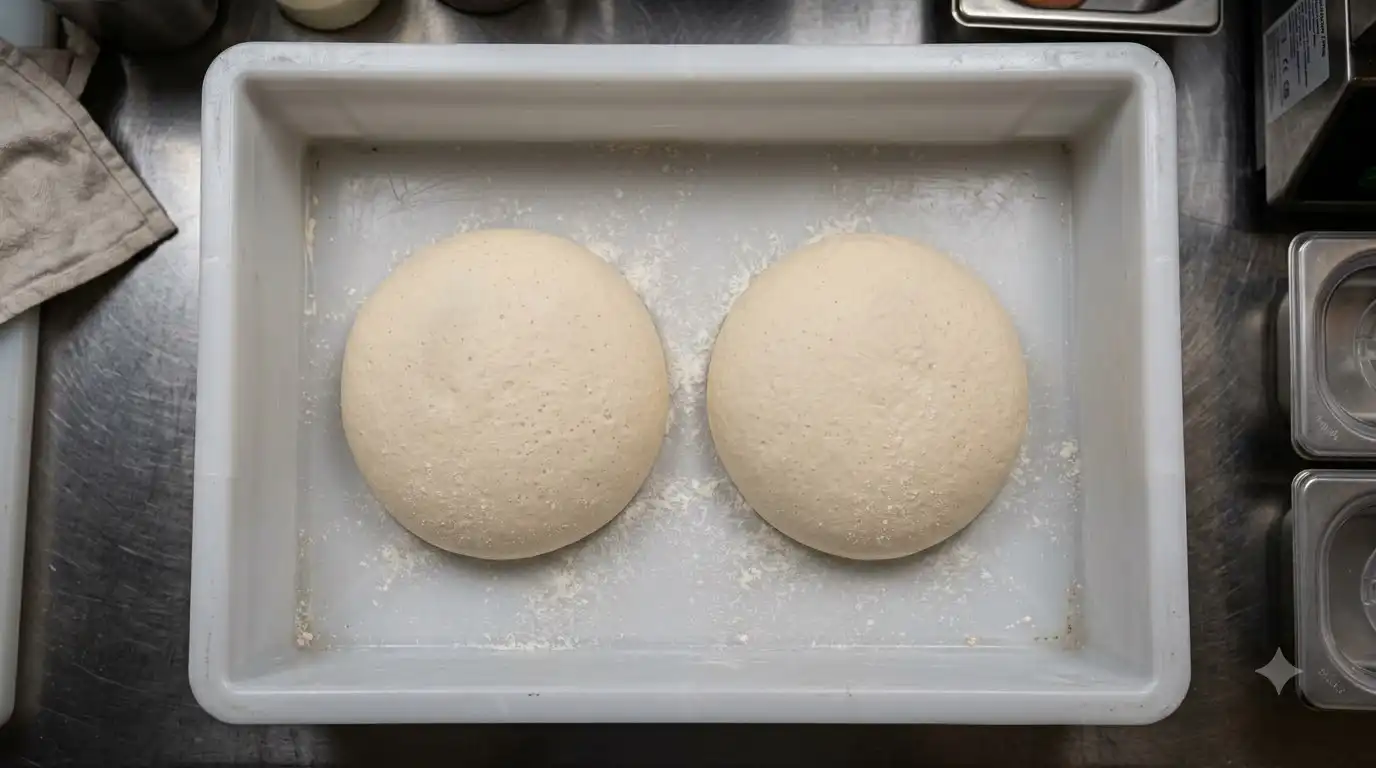
Expect small differences rather than a different pizza: Polselli Classica is usually described as the more relaxed dough, and Caputo Pizzeria as the one that holds its shape a bit more.
The Home Pizza Maker describes Classica as more supple and easier to stretch without pushback, and Caputo Pizzeria as moderately elastic with good extensibility. Real-world reports are mixed, though. On the Pizza Making Forum, an Ooni Koda 16 owner who moved from Polselli at 68% hydration to Caputo at 63% got smoother dough balls that held their shape, but found the crust chewier and the underside edge burning quickly. A longtime member who runs both flours at around 62 to 63% replied that he had not noticed a meaningful difference. The first test changed flour and hydration at the same time, so it cannot tell you which variable caused the result.
Oven fit is similarly close. Caputo markets Pizzeria for wood-fired, gas, or electric ovens, though Pizza University’s guide says it is designed for high-heat bakes above 700°F lasting 60 to 120 seconds. Polselli’s listing highlights Classica’s resistance to high temperatures and suitability for wood ovens. For a standard home oven, The Home Pizza Maker suggests 65 to 68% hydration for both flours, and points to Caputo Chef’s as the stronger home-oven option.
How to Run a Fair Side-by-Side Test
A fair test changes only the flour, so lock everything else down:
- Mix both doughs at the same hydration. 62 to 63 percent is a sensible start, since that is where one experienced forum member runs both.
- Use identical yeast, salt, ball weight, fermentation time, and temperature.
- Bake the pizzas back to back in the same oven session at the same stone or deck temperature.
- Judge each on the same four things: stretch resistance, rim rise, underside color, and chew.
One evening and two small batches will tell you more about your setup than any spec sheet.

What Does Each Cost, and Where Can You Buy It?
Per kilo, the two flours price out within a few cents of each other, so pack size, stock, and shipping decide the real cost.
Prices below were checked on September 17, 2026, and exclude shipping.
| Option | Pack | Listed price | Approx. per kg | Seller |
|---|---|---|---|---|
| Polselli Classica | 1 kg | $6.40 (shown sold out) | $6.40 | Wholesale Italian Food |
| Polselli Classica | 5 kg | $29.90 | $5.98 | Wholesale Italian Food |
| Polselli Classica | 5 kg, 12+ bags | $26.91 per bag | $5.38 | Wholesale Italian Food |
| Caputo Pizzeria | 1 kg | $5.99 | $5.99 | Caputo’s US online store |
On that date, Wholesale Italian Food listed the 1 kg Classica bag at $6.40 and showed it as sold out, and the 5 kg bag at $29.90, dropping to $28.11 for 2 or more, $26.91 for 12 or more, and $25.71 for 40 or more. Caputo’s US store listed the 1 kg Pizzeria bag at $5.99. Wholesale Italian Food’s brand menu lists Polselli but not Caputo, so if you order there, Classica is the realistic choice.
The 5 kg bag saves roughly 7 percent per kilo over the 1 kg size, but only pays off if you use it while it is fresh. Caputo states a 12 month shelf life from production for Pizzeria; for Polselli, check the best-by date on the bag. Shipping is the other lever: Wholesale Italian Food applies free shipping automatically on orders of $99, which four 5 kg bags at the $28.11 tier ($112.44) clear, while three bags ($84.33) fall short. That is 20 kg of flour, a sensible haul for a small pizzeria or a weekly baker, and too much for a monthly pizza night.
If Polselli is your pick, check the Wholesale Italian Food page on Couponaro for any currently verified code before you pay, and keep in mind that most checkouts accept only one promo code per order.
Who Should Pick Which Flour?
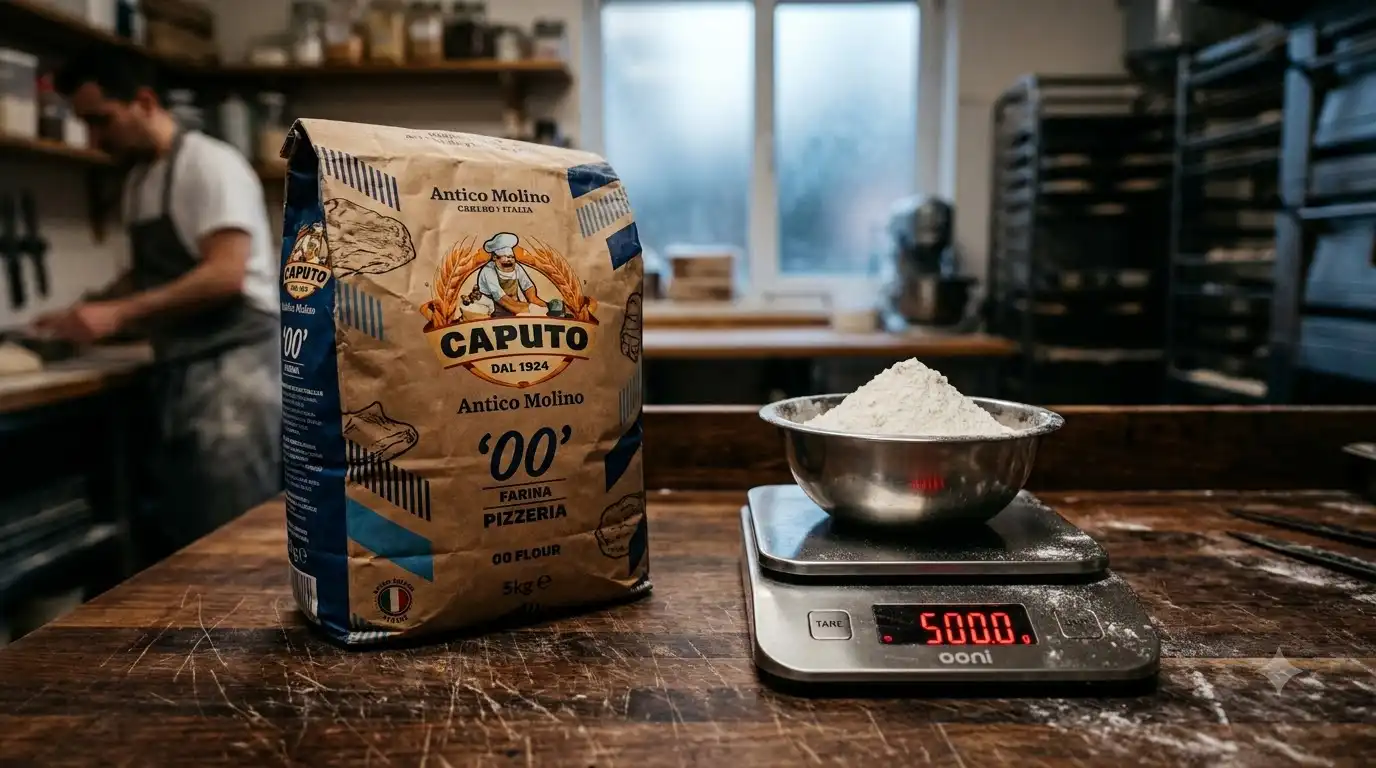
Choose by schedule, oven, and buying route rather than brand reputation.
- Polselli Classica fits if you mostly bake same-day or overnight doughs, prefer a dough that opens easily, or already buy Italian pantry staples in bulk from Wholesale Italian Food.
- Caputo Pizzeria fits if the recipe you follow was developed on it, you bake in a high-heat pizza oven, or your rises regularly run past 24 hours.
- Neither is the best fit if you plan 48 to 72 hour cold ferments or bake mostly in a standard home oven, where a stronger flour gives you more room for error.
If one of these bags is already in your pantry, switching to the other is unlikely to fix a pizza problem on its own. Adjust hydration, fermentation, or bake temperature first, and change flour only when you have a concrete reason, such as a longer rise or a better bulk price. When you do compare, run the controlled test above and start with the smallest pack available, so a disappointing batch costs a few dollars instead of a 25 kg sack.
Last update: 18.09.2026

Elliot Long spent seven years buying paid search and social traffic for e-commerce brands before starting Couponaro. That work taught him how much of the coupon web runs on codes that expired years ago. He runs this site on his own, dates every page he updates, and would rather tell you a brand has no working code than waste your time at checkout.