
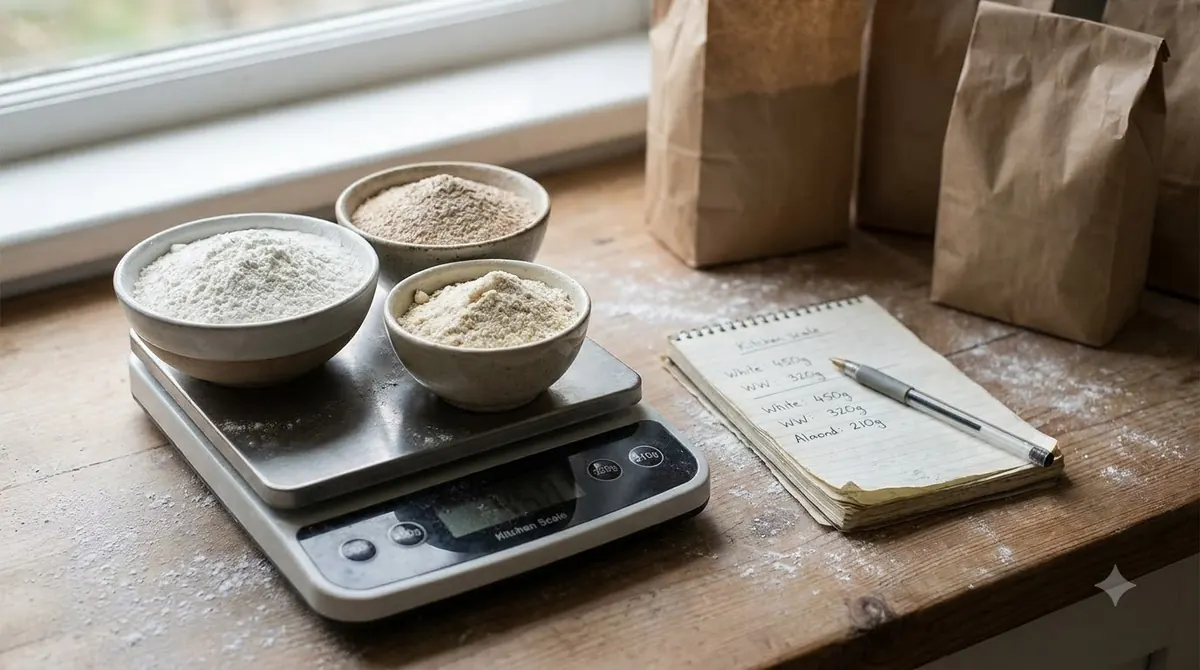

The main difference between tipo 00 and tipo 0 is how finely the flour is milled. Tipo 00 is the most refined Italian flour and is made only from the starchy endosperm, while tipo 0 is milled a little less finely and keeps a small amount of bran. Both are used for pasta and pizza, so the choice depends on the texture you want.
Italian flours are graded by ash content, which is the mineral residue left after burning the flour and a rough measure of how much bran is present. Lower numbers mean a whiter, more refined flour.
What Makes Tipo 00 Different?
Tipo 00 is the finest grade, and Caputo describes it as “the most sifted type of Italian flour,” made only from the endosperm. That fine milling gives a soft, smooth dough that stretches well and bakes to a light, even crumb.
The name “00” refers to how many times the flour is sifted, not to its protein content. Caputo lists its 00 pizza flour at 12.5% protein, but it notes that each Italian flour type ranges in protein, so the number on the bag matters more than the grade alone.
What Changes With Tipo 0?
Tipo 0 is refined but slightly less sifted than tipo 00, so it keeps a small amount of bran. Caputo places it just below 00 on its refinement table.
That small difference can make tipo 0 feel a touch coarser and less silky in the hand. It is still a fine flour, and it can give a slightly firmer, more rustic result.
Which One Is Better for Pasta?
For fresh egg pasta, tipo 00 is the more common choice. Pasta Evangelists uses 00 flour in its fresh egg pasta recipe, and the fine milling gives a smooth sheet that rolls out without tearing.
Tipo 0 still makes good pasta, especially if you want a slightly more textured bite. Expect a slightly firmer dough and be ready to adjust the egg or water by feel.
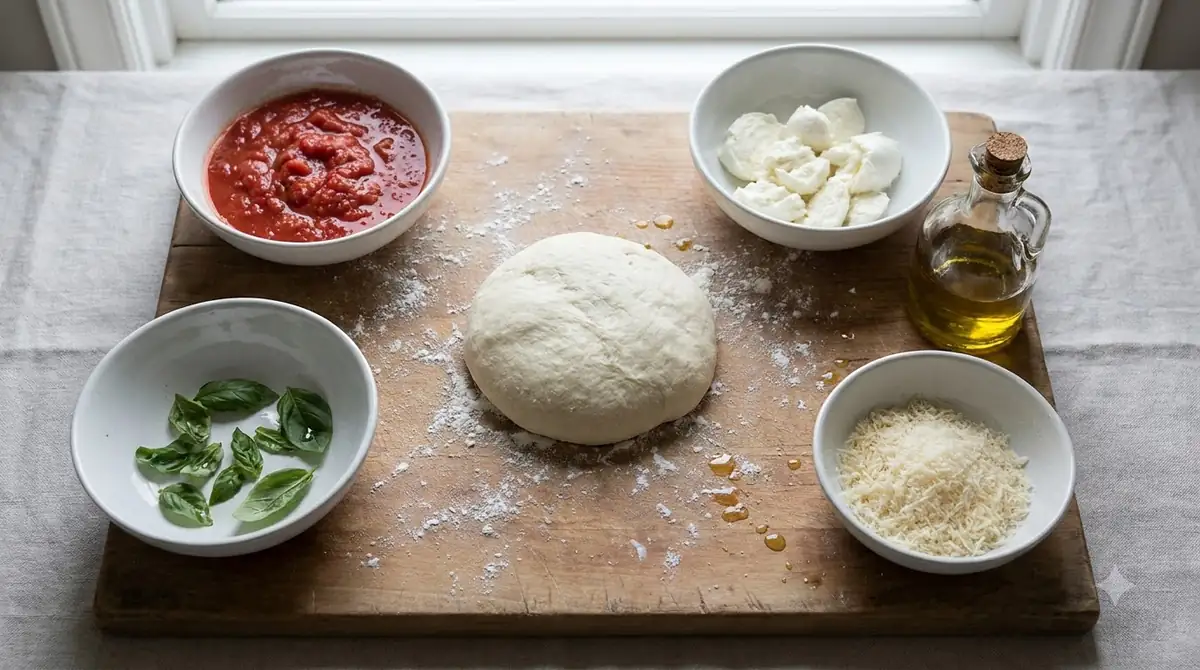
Which One Is Better for Pizza?
Caputo says 00 is suited to pizza, pasta and bread. Its fine milling gives a soft, airy crust, which is why 00 is the usual pick for a classic Neapolitan-style base.
Tipo 0 can make a pizza base as well, and it is often used where a little more structure and bite is wanted. Caputo does not give a specific pizza recommendation for Tipo 0, so test a small batch before using it for a full night of dough.
| Feature | Tipo 00 | Tipo 0 |
|---|---|---|
| Milling | Most sifted, endosperm only | Slightly less sifted |
| Bran | None | Small amount |
| Texture | Silky and smooth | Slightly coarser |
| Common use | Fresh pasta and pizza | Pasta and rustic pizza |
How Do They Behave Differently in the Dough?
In practice, the difference shows up most in the feel of the dough. A finer, more refined flour usually gives a smoother surface and a softer, more elastic sheet, which suits thin pasta that has to stretch without tearing.
A flour with a little more bran tends to feel slightly more rustic. The dough can hold a bit more water, and the finished pasta or crust may have a firmer chew. Neither is better in every case, so the right choice depends on the shape and texture you want.
Whichever flour you use, the most reliable guide is still the dough itself. Knead it until it is smooth, rest it at room temperature, and adjust water or egg in small steps rather than pouring in a large amount at once.
Tipo 00 and Tipo 0 in Everyday Cooking
For a weeknight pasta, either flour will do the job, and the difference will be hard to notice once the sauce is on the plate. The gap becomes more obvious with fresh sheets that are rolled very thin, where the smoother tipo 00 surface is easier to work with.
For pizza, the choice often comes down to how you bake. A home oven that runs cooler may suit a slightly firmer dough, while a very hot oven rewards the soft, airy crumb that a finely milled flour can give.
When you cook for guests, it can help to test one flour on a single sheet of pasta or a small pizza before committing to a full batch. That single test often shows more than a label can.
How to Choose Between Them at the Store
Check the label for the tipo or type number and for the intended use, such as pasta, pizza or bread. Many Italian brands also print the protein content, which is more useful than the grade alone when you are comparing two bags.
If a recipe names one flour and you only have the other, make a small test batch first. This tells you more than any general rule, and it helps you learn how your own kitchen and oven handle the dough.
Frequently Asked Questions
Can I swap tipo 0 for tipo 00?
Usually yes, in pasta and pizza. Use the same weight, and expect a slightly different feel in the dough, so adjust water or egg by small amounts.
Is tipo 00 always higher in protein?
No. Protein depends on the wheat blend and the product line, not the grade alone. Read the protein figure on the bag before choosing.
Is tipo 0 the same as all-purpose flour?
Caputo roughly maps Italian 0 to American all-purpose flour, but the two are not identical. Treat the comparison as a starting point, not an exact substitute.
Which one should a beginner buy?
Tipo 00 is the easier choice for fresh pasta, because its fine texture makes the dough smoother and more forgiving to roll.
Tipo 00 is the finest choice for silky pasta and a light pizza crust, while tipo 0 suits bakers who want a little more texture. Check the protein on the bag, and let the result you want decide which flour goes in the bowl.
 5 min readLearnWhat Is Tipo 0 Flour and How Do You Use It?Updated Nov 13, 2026
 8 min readLearnPizza Dough with 00 Flour: Recipe, Timing and TipsUpdated Nov 11, 2026
 9 min readLearnSemolina Flour vs All Purpose Flour: Which One to Use and WhenUpdated Nov 10, 2026
 6 min readLearnHow to Make Low Carb Pizza Crust With Almond Flour and CheeseUpdated Nov 13, 2026
 5 min readLearnHow to Make Calzone Dough: Flour Blend, Rise Time and Make-Ahead TipsUpdated Nov 13, 2026
 5 min readLearnFresh Pasta for 6 People: Flour, Eggs and PortionsUpdated Nov 13, 2026