
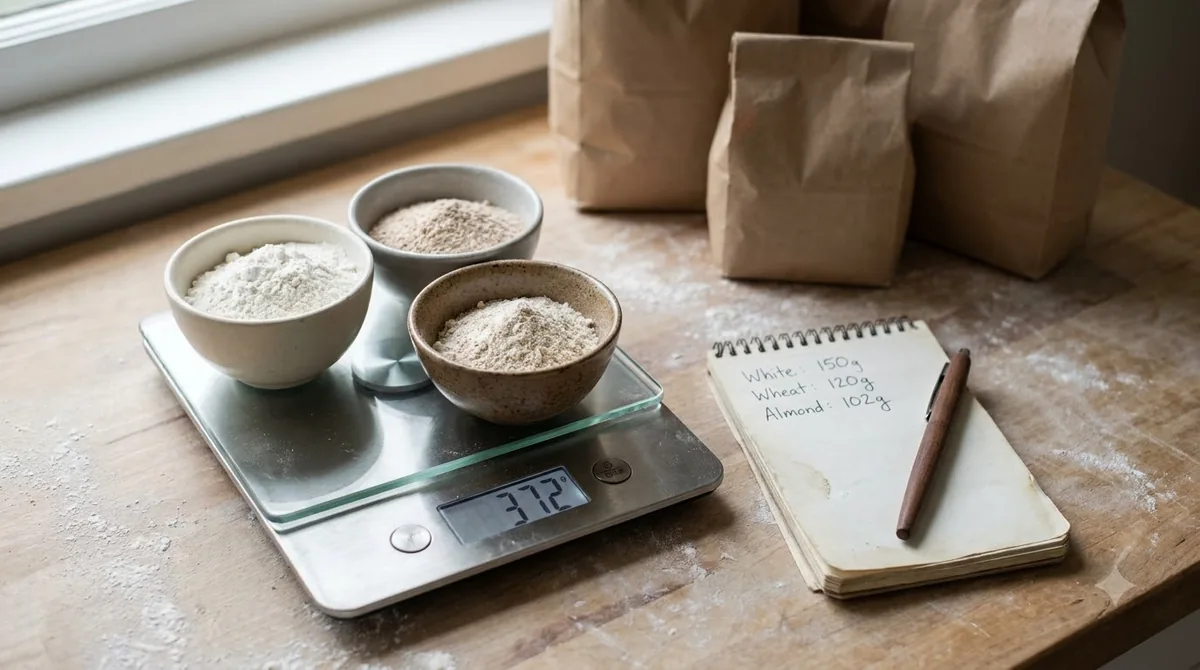

Semolina flour vs all purpose flour comes down to protein and texture, and the difference matters most for pasta and pizza. Semolina is a coarse flour traditionally milled from durum wheat, with about 12.68 g of protein per 100 g. All purpose flour usually falls between 9.5% and 11.5% protein. The figures here come from Wikipedia reference pages on semolina, flour and durum wheat.
The better flour depends on the dough you are making, not on which one is generally better. Semolina gives firm, chewy results in the right recipe, but it is not a drop-in replacement for all purpose flour in every bake.
What Is Semolina Flour and How Does It Differ From All Purpose Flour?
Semolina is a coarse flour traditionally made from durum wheat, while all purpose flour is a finer flour made from common wheat. In semolina flour vs all purpose flour, the grind and the wheat type are the two main differences you will notice on the package and in the bowl.
According to Wikipedia’s semolina article, durum wheat is the traditional source, and semolina from common wheat is beige and is called farina in the United States. Durum (Triticum turgidum subsp. durum) is the hardest of all wheats for milling, so it is ground into a granular product rather than a soft powder. The Codex Alimentarius standard for durum semolina allows no more than 79% to pass through a 315-micron sieve, which describes the coarse texture that sets semolina apart from finer flours. Semolina is the coarse purified middlings of durum wheat, which is why it feels gritty between your fingers. For a deeper look, read what semolina flour is.
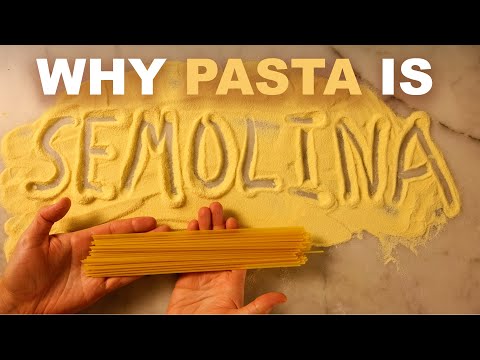
The yellow color is also a clue. Wikipedia’s durum article says durum has a yellow endosperm, which gives pasta its color. The same article notes that semolina is one of the few flours that are purposely oxidized for flavor and color.
- Wheat source: durum wheat for semolina, common wheat for all purpose flour.
- Texture: coarse and granular for semolina, finer for all purpose flour.
- Color: semolina has a yellow endosperm from durum; check the package for the exact product.
Semolina Flour vs All Purpose Flour: Quick Comparison Table
For semolina flour vs all purpose flour, the biggest gap is protein, and the coarse grind gives semolina a different texture in dough. The table below sums up the main criteria, using the reference pages named in the text.
| Criteria | Semolina flour | All purpose flour |
|---|---|---|
| Wheat source | Durum wheat | Common wheat |
| Protein | About 12.68 g per 100 g | 9.5% to 11.5% |
| Texture | Coarse and granular | Finer than semolina |
| Gluten role | Supports pasta shape and adds chew in crust | Moderate structure and chew |
| Common use | Dry pasta, pizza crust, some flatbreads | General baking and everyday dough |
The protein figures in this semolina flour vs all purpose flour table come from the nutrition table on Wikipedia’s semolina article and the protein ranges on its flour article. A figure of 12.68 g per 100 g works out to about 12.7 percent by weight, so it can be read against the percentage ranges for flour. Check the label on your own bag, because brands can differ from these reference ranges.
Protein and Gluten: Why the Numbers Matter
Protein in wheat flour forms gluten, and gluten controls how dough traps gas and holds its shape. The higher the protein, the more structure and chew the dough can carry, so in semolina flour vs all purpose flour comparisons, protein percentage is the first number to check.
Wikipedia’s flour article gives these protein ranges: all purpose flour at 9.5% to 11.5%, bread flour at 11.5% to 13.5%, and hard or strong flour at 13.5% to 16%. Higher protein binds the flour to trap carbon dioxide from yeast, which improves rise and chew. Pastry flour sits at 7.5% to 9.5% and cake flour at 6% to 7%.
Durum has about 12% total protein in defatted flour, compared with 11% for common wheat, according to Wikipedia’s durum article. That makes semolina a higher-protein flour than typical all purpose flour. The same article also says durum is not a strong wheat in the sense of giving strength to dough, so protein alone does not settle semolina flour vs all purpose flour in a bread recipe.
How Semolina Flour Behaves in Pasta
In pasta, semolina flour vs all purpose flour favors semolina, because its protein and gluten give the dough enough structure to hold its shape during cooking.

Wikipedia’s semolina article makes this point directly, saying that the protein and gluten content make semolina especially suitable for pasta. Durum semolina is used in many pasta types, and commercial dry pasta is almost exclusively made from durum semolina, according to the durum article.
For dry pasta, the practical rule for semolina flour vs all purpose flour is simple: if the package says durum semolina, it is built for the job. Fresh egg pasta recipes vary, so check the recipe for the flour it calls for before you assume either flour will work. The fresh pasta dough recipe and the guide to semolina pasta vs egg pasta show how the dough changes with the flour.
- Dry pasta: durum semolina is the standard base.
- Shape: protein and gluten help the pasta keep its form in water.
- Color: the yellow endosperm gives the finished pasta its golden shade.
Using Semolina and All Purpose Flour in Pizza and Bread
In semolina flour vs all purpose flour for pizza or bread, semolina adds firmness and chewiness to the crust, while all purpose flour gives a milder, less chewy result because its protein is lower.

Wikipedia’s semolina article says that in bread and pizza making, the high gluten content adds firmness and chewiness to the crust. The same article notes that durum semolina is used for some breads and flatbreads, and that in much of North Africa it is made into the staple couscous. A worked example is this semolina pizza dough guide.
Many home bakers dust the pizza peel with semolina rather than flour. This is a common habit, not a measured fact from the sources read, so treat it as a practical tip. If you are choosing between semolina and cornmeal for that job, see semolina vs cornmeal for a pizza peel. The coarse grind is also the reason semolina is not a fine-flour substitute in soft doughs.
When you choose between semolina flour vs all purpose flour for a pizza or bread recipe, work through these steps:
- Read the flour the recipe calls for, and check whether it asks for bread flour, all purpose flour or semolina.
- Compare the protein on the bag with the ranges above, because higher protein gives more chew.
- If the recipe is not written for semolina, test a small batch before you change the whole recipe.
Can You Substitute Semolina for All Purpose Flour?
Swapping semolina flour vs all purpose flour works in some recipes, but the texture changes, and a verified blend ratio was not found in the sources read for this article.
Because semolina flour vs all purpose flour differs in protein and grind, a one-for-one swap can change the chew and crumb of the finished bake. The safest route is to start from a recipe that already uses semolina, rather than swapping in semolina for all purpose flour in a recipe written for something else.
- Pasta: follow a recipe written for durum semolina.
- Pizza and bread: check whether the recipe calls for bread flour, which sits at 11.5% to 13.5% protein.
- Cakes and pastry: avoid semolina, because cake flour and pastry flour sit much lower in protein.
What Is Not Confirmed and How to Check It
The sources read for this article do not confirm a specific blend percentage for semolina flour vs all purpose flour. Check a tested recipe that uses the swap, or the miller’s own guidance on the package, before you change the ratio. Brand protein values can also differ from the reference ranges, so the label is the best guide for the bag you own.
Common Mistakes When Choosing Between Them
The most common mistake with semolina flour vs all purpose flour is treating them as interchangeable, because both are wheat flours sold in the same aisle.
- Judging semolina flour vs all purpose flour by protein alone: durum is not a strong wheat for dough strength, so the number can mislead you.
- Swapping into delicate bakes: cake flour at 6% to 7% and pastry flour at 7.5% to 9.5% protein give a very different result.
- Ignoring the grind: semolina is coarse by design, which changes its texture in the finished dough.
- Skipping the recipe: the flour named in the recipe is the starting point, not a suggestion.
Frequently Asked Questions
Semolina flour vs all purpose flour: are they the same?
No. Semolina is a coarse flour traditionally milled from durum wheat, while all purpose flour is usually finer and made from common wheat. The two differ in protein, texture and best use, so check the recipe before you swap them.
Which has more protein, semolina or all purpose flour?
In semolina flour vs all purpose flour, semolina has about 12.68 g of protein per 100 g in Wikipedia’s nutrition table. All purpose flour falls in a 9.5% to 11.5% protein range, so semolina generally has more protein. Check the label on your own bag for the exact figure.
Can I use semolina flour for pizza?
Yes. In pizza, the choice comes down to chew, since semolina adds firmness to a crust, and many home bakers dust the peel with it. For the dough itself, follow a tested recipe, because a verified blend ratio was not found for this article.
Why is semolina flour yellow?
The color comes from the yellow endosperm of durum wheat. Wikipedia’s durum article says this endosperm gives pasta its color, and semolina is one of the few flours purposely oxidized for flavor and color.
Is semolina good for bread?
It can add chew and firmness, but it is not a direct replacement for bread flour. Bread flour sits at 11.5% to 13.5% protein, and durum is not a strong wheat for dough strength, so test a small batch before you change a bread recipe.
Can I substitute semolina for cake flour?
No, avoid it for cakes. Cake flour sits at 6% to 7% protein, far below semolina, so the texture of the finished cake would change a lot. Check the recipe and use the flour it names.
If you are choosing between semolina flour vs all purpose flour for pasta, semolina is the standard choice; for everyday baking, all purpose flour is the simpler option. For any semolina flour vs all purpose flour decision, read the protein on the bag, follow a recipe written for the flour you have, and test a small batch before any swap.
 9 min readLearnBread Flour vs All Purpose Flour for Pizza: Which Gives a Better CrustUpdated Nov 10, 2026
 9 min readLearnPizza Dough with All Purpose Flour: A Home Recipe That WorksUpdated Nov 11, 2026
 8 min readLearnWhat Is Semolina Flour? A Clear Guide to Durum Wheat FlourUpdated Nov 10, 2026
 10 min readLearnTomato Paste vs Tomato Puree: Key Differences and When to Use EachUpdated Nov 10, 2026
 8 min readLearnPomodoro vs Marinara: Texture, Simmer Time and When to Use EachUpdated Nov 10, 2026
 5 min readLearnTipo 00 vs Tipo 0: Which Italian Flour to UseUpdated Nov 13, 2026