
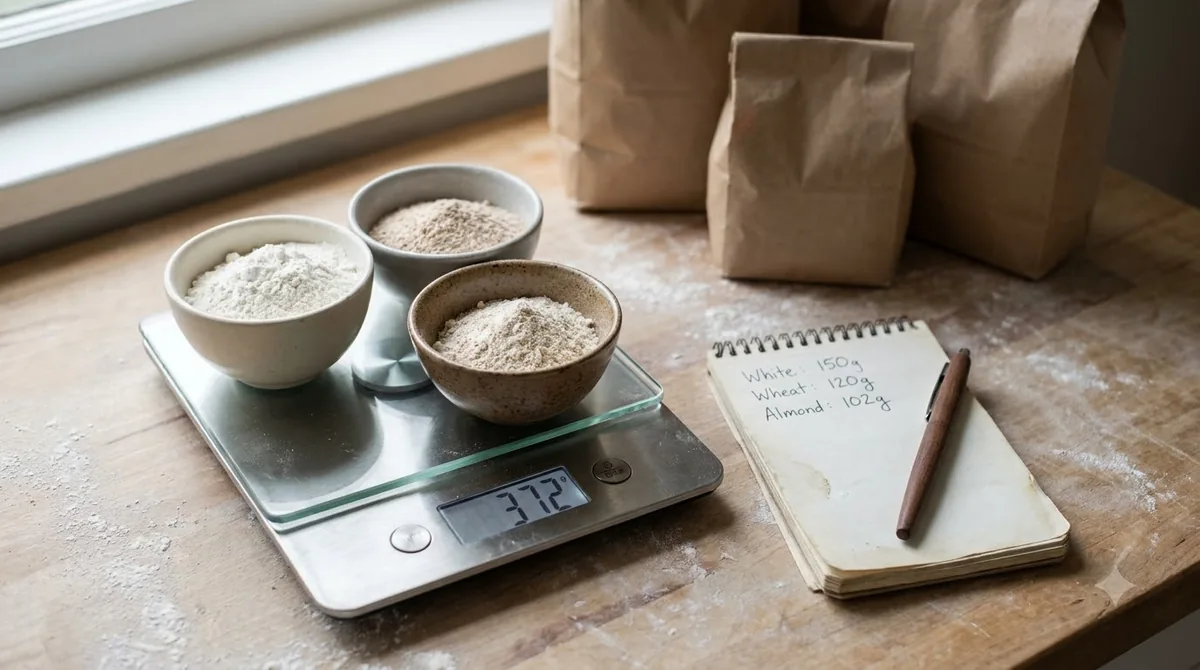

Tipo 0 flour is a finely milled Italian wheat flour, a little less refined than tipo 00, that keeps a small amount of bran. It sits between tipo 00 and the coarser Italian grades, and it is used for pasta, pizza and bread. Its name refers to the Italian grading system, which classifies flour by ash content rather than by protein.
If a recipe calls for tipo 0 and your bag says something different, the flour is probably close enough for most home cooking, as long as you adjust the liquid by feel.
What Does Tipo 0 Mean?
Italy and France grade flour by ash content, which is the mineral residue left after the grain is burned. Caputo’s flour guide explains that this measures how much bran remains, and it maps the grades to the US system only roughly.
In that system, tipo 0 is a refined flour. Caputo’s table ranks it as “Refined,” just below tipo 00, which it calls “Most refined.”
How Is Tipo 0 Milled?
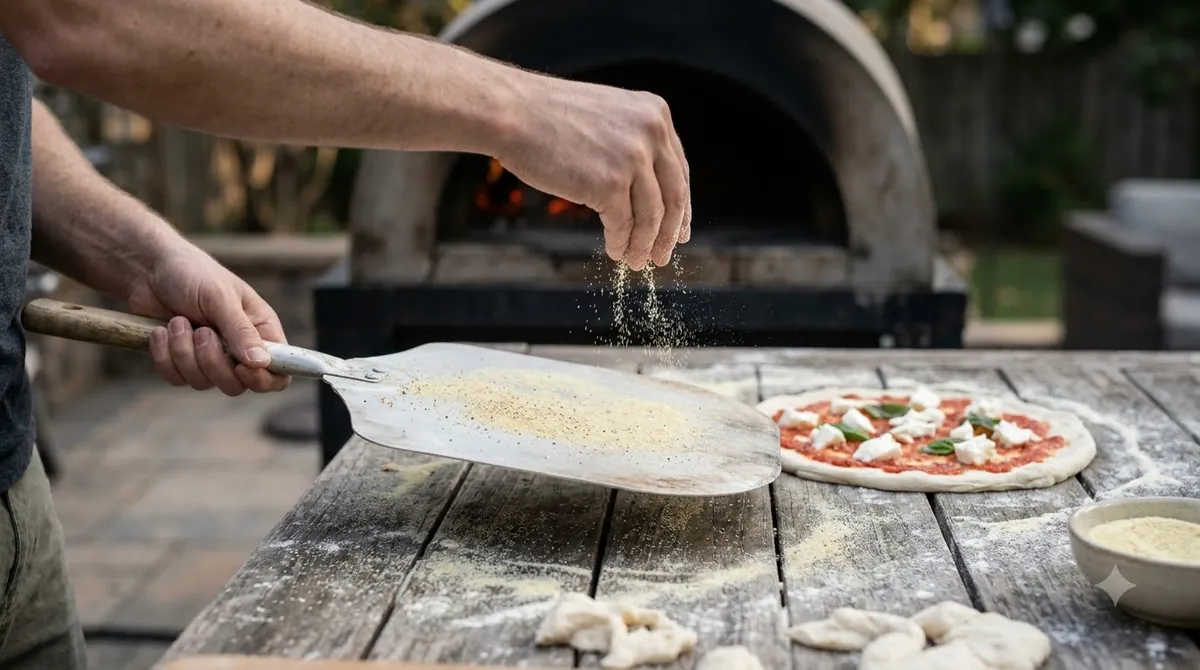
Tipo 0 is milled to a fine powder, then sifted less than tipo 00. That leaves a small amount of bran in the flour, which is the main reason it differs from the most refined grade.
That small amount of bran can make the flour feel slightly coarser than tipo 00. Protein levels vary by brand, so check the bag rather than assuming a number from the grade.
Where Does Tipo 0 Fit in Baking?
Tipo 0 is most often used for pasta and pizza. Caputo’s guide does not list a specific use for tipo 0, but it treats the Italian grades as suited to pizza, pasta and bread in general.
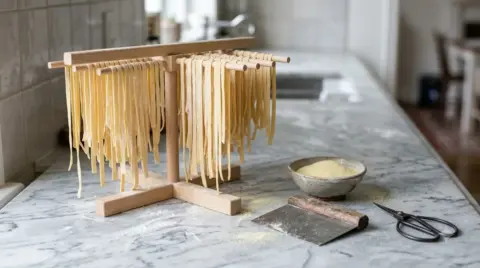
For fresh pasta, Pasta Evangelists uses 00 flour in its egg pasta recipe, which shows how fine flours are typically used. Tipo 0 can give a similar result with a slightly firmer, more textured dough.
How Does Tipo 0 Compare With Other Flours?
Tipo 0 sits in the middle of the Italian range. It is less refined than tipo 00, which is milled the most finely, and it is more refined than a whole-grain flour that keeps all of the bran.
Compared with American bread flour, tipo 0 is generally not sold for its protein content, so the two can behave quite differently. Bread flour is chosen for high protein and strong structure, while tipo 0 is chosen for the Italian milling style. Check the bag before swapping one for the other in a recipe.
All-purpose flour is the most common stand-in. Caputo’s guide roughly maps Italian 0 to all-purpose, so it is a reasonable starting point, though the dough may feel slightly different and need a small adjustment.
How Should You Use It in a Recipe?
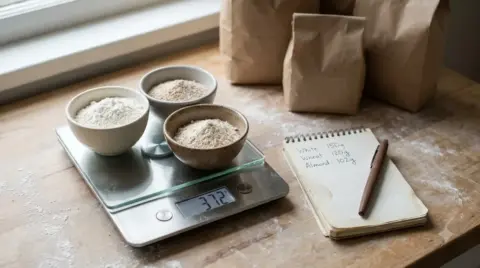
Weigh the flour rather than measuring by volume, because flour packs differently from one scoop to the next.
- Start with the amount of flour in the recipe, by weight.
- Add the eggs or water gradually, leaving a little in reserve.
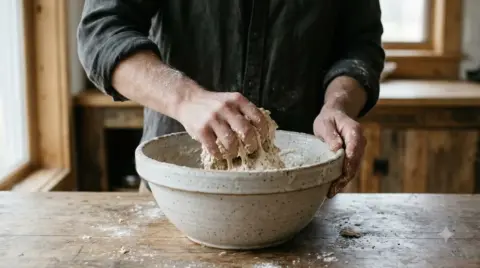
- Knead until the dough is smooth, then judge whether it needs more liquid or flour.
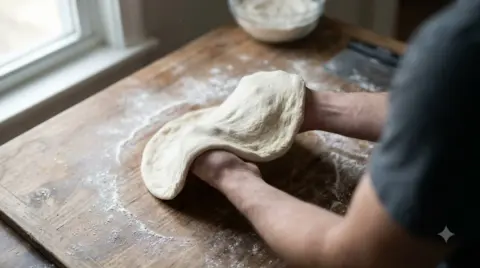
- Rest the dough at room temperature before shaping or rolling.
Because the flour is less refined, the dough can feel a little firmer than one made with tipo 00. Make small adjustments to the liquid and let the dough feel guide you.
Why Italian Flour Grades Can Confuse Home Bakers
Many home bakers expect a number on the bag to tell them how strong a flour is, but Italian grades work differently. Because the tipo number reflects ash content, two flours with the same protein figure can still behave differently in a dough.
This is why the bag matters more than the grade alone. Look for the protein percentage, the intended use and any note about fermentation time. A pasta flour and a pizza flour can both carry a 00 or 0 label, so the product description tells you more than the number does.
If you are new to Italian flours, start with one bag and one recipe. Keep notes on the water or egg you added, the rest time and the result. Over a few batches, you will learn how that specific flour behaves in your kitchen.
Tipo 0 is often sold in large bags, so portion the flour into smaller containers if you bake only now and then. This keeps the rest of the supply fresh and reduces the number of times the main bag is opened.
Storing Tipo 0 Flour at Home
Keep the flour in a sealed container in a cool, dry cupboard. Flour that is exposed to humidity can clump and change how much water it absorbs, which makes the dough harder to predict.
Write the purchase date on the bag or container. Fresher flour usually gives more consistent results, so it helps to buy in quantities you can use within a few months.
Frequently Asked Questions
Is tipo 0 flour the same as tipo 00?
No. Tipo 00 is more finely sifted and has no bran, while tipo 0 is slightly less refined and keeps a small amount of bran.
Can I use tipo 0 flour for pizza?
Yes. Test a small batch first, since the crust may be a little firmer than one made with tipo 00.
Where can I buy tipo 0 flour?
Look for Italian flour in specialty grocers or online, and check the label for the tipo or type number. Store it in a sealed container away from heat and moisture.
Does tipo 0 have more gluten?
Not by grade alone. Sources disagree on the difference, and it depends on the wheat blend and the product, so compare the protein figure on the packaging.
Tipo 0 is a refined Italian flour with a little bran, and it works well for pasta and pizza. Read the label, weigh the flour and adjust the liquid by feel, and the dough will tell you what it needs.
 5 min readLearnTipo 00 vs Tipo 0: Which Italian Flour to UseUpdated Nov 13, 2026
 9 min readLearnSemolina Flour vs All Purpose Flour: Which One to Use and WhenUpdated Nov 10, 2026
 5 min readLearnHow to Make Calzone Dough: Flour Blend, Rise Time and Make-Ahead TipsUpdated Nov 13, 2026
 6 min readLearnHow to Make Low Carb Pizza Crust With Almond Flour and CheeseUpdated Nov 13, 2026
 5 min readLearnFresh Pasta for 6 People: Flour, Eggs and PortionsUpdated Nov 13, 2026
 6 min readLearnFix Sticky Pasta Dough: Flour, Rest and RollUpdated Nov 13, 2026