

Trofie pasta is a short, thin, twisted pasta from Liguria, Italy. It is traditionally made from durum wheat semolina and water, shaped by hand, and served with basil pesto.
You can shape trofie at home with flour, water and salt, or buy it dried from a store. Fresh and dried trofie cook in different times, so check your recipe or the package.
What Is Trofie Pasta?
Trofie is a short pasta, about 2 to 3 cm long, with tapered ends and a twisted, corkscrew shape.
The name is also spelled troffie or strofie. Each piece is rolled into a small strip and twisted, which leaves a curl at the center. Traditional trofie pasta uses durum wheat flour and water, and today it is a staple of modern Ligurian cuisine.
- Length: about 2 to 3 cm
- Thickness: roughly 4 mm in diameter
- Ends: tapered, with a central curl
The shape has been compared to wood shavings and to a corkscrew. Because traditional trofie is hand-rolled, pieces vary slightly in size and curl. Other flour-and-water shapes rolled by hand, such as thick hand-rolled pici, share that rustic look.
Where Trofie Pasta Comes From
Trofie comes from Liguria in northwestern Italy, and the shape is believed to have started in Sori, in the province of Genoa.
Modern trofie pasta seems to come from the Golfo Paradiso on the Riviera di Levante, according to Wikipedia’s entry on trofie. The shape was not common in Genoa itself until the middle of the 20th century.
The origin of trofie pasta is not certain. The name may come from a Ligurian verb meaning to rub, which describes how the dough is rolled, or from Ancient Greek words meaning to twist. In Ligurian dialect, trofie can also refer to gnocchi in general, a dumpling-style pasta covered in our guide to what gnocchi is.
In 2019, Trofie di Sori received the De.Co. designation, short for Denominazione Comunale, a municipal label for traditional local food. A Sardinian version called trofiette comes from Carloforte, where it reflects Genoese-influenced cooking.
Ingredients and Flour for Homemade Trofie
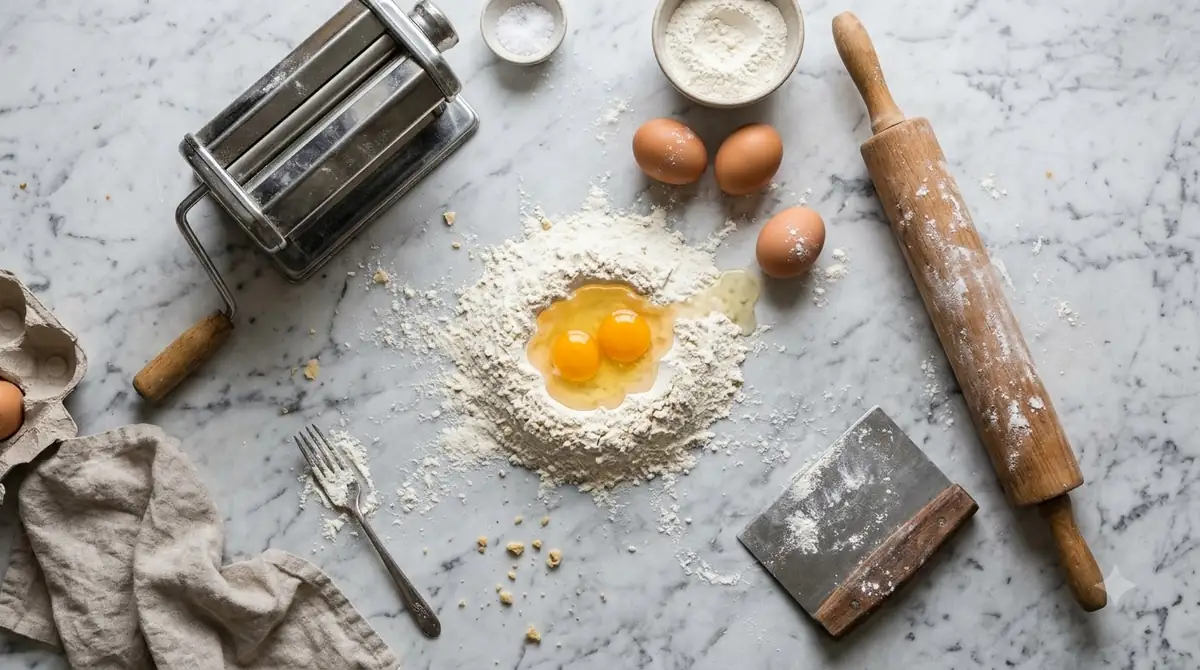
Homemade trofie needs only durum wheat semolina, water and salt, mixed into a dough that is soft but not sticky.
Caputo’s trofie pasta recipe uses its 00 Pasta Fresca flour for the dough and semolina for dusting, according to Caputo Flour’s recipe. The same recipe also allows a mix of 300 grams of 00 flour and 100 grams of whole wheat flour.
- Durum wheat semolina, or 00 flour for a fresh dough
- Water, added gradually
- Salt, for the dough and the cooking water
Add the water a little at a time and mix until the dough is soft but not sticky. Cover the dough with a bowl and let it rest for at least 30 minutes before you shape it. Historically, Genoese cooks used wheat or chestnut flour, and potatoes were added to the dough from the early 19th century.
Neither Caputo nor Pasta Classe Florence gives a fixed amount of water, so judge the dough by feel. Add the water slowly, because flour absorbs water at different rates, and stop as soon as the dough comes together without sticking to your fingers. If you overshoot, a spoonful of extra semolina brings it back.
How to Make Trofie Pasta by Hand
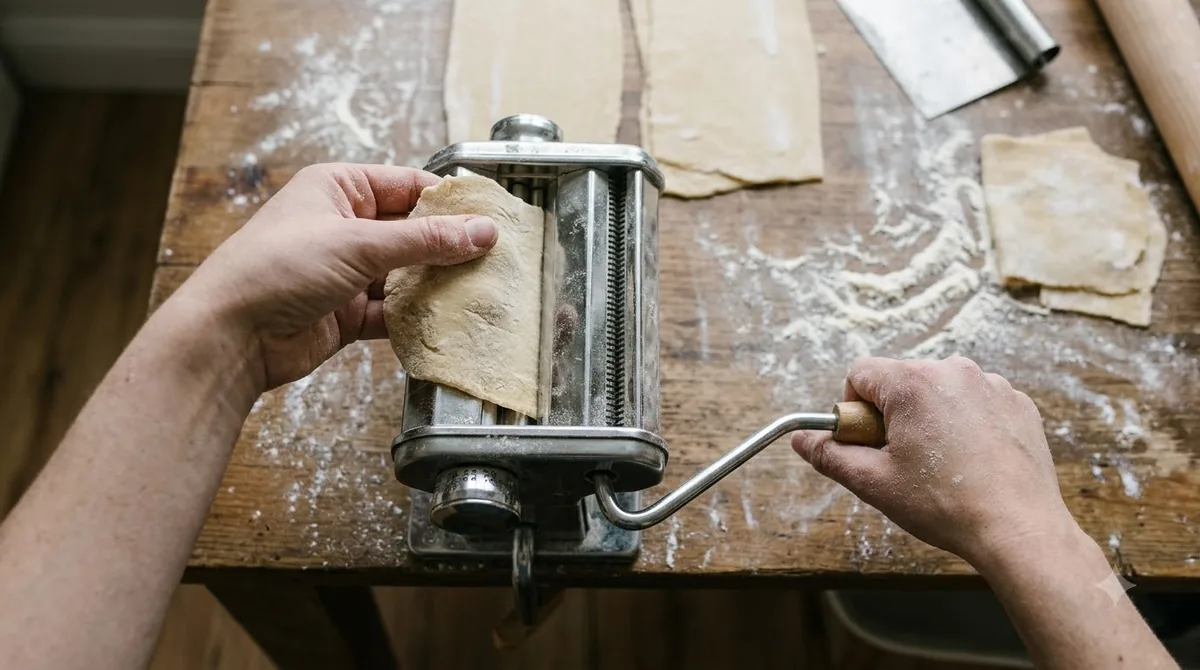
To make trofie pasta by hand, roll marble-sized pieces of dough into thin strips, then twist each one with the side of your hand.
- Mix the flour, salt and water until the dough is soft but not sticky.
- Cover the dough with a bowl and let it rest for 30 minutes.
- Pinch off pieces the size of marbles and dust your board with semolina.
- Roll each piece along your palm, then slide it to the right under the back of your hand to twist it.
- Dust the finished pieces with semolina so they do not stick together.
No special tools are needed, although a wooden or marble board helps the pasta grip while you roll. Keep the pieces about the same size so they cook at the same rate. The same twisting motion that curls each piece also thins its ends, which is why trofie has tapered tips. If the dough feels dry and resists rolling, lightly dampen your hands.
Hand-shaped trofie pieces vary a little in size, so they may not cook at exactly the same rate. Taste one piece before you drain the pot, which is the most dependable check for a homemade batch.
How to Cook Trofie and What to Serve With It
Cook fresh trofie in generously salted boiling water for 2 to 3 minutes, although another recipe gives about 5 minutes.
Caputo’s recipe gives 2 to 3 minutes for fresh trofie pasta, while Pasta Classe Florence gives about 5 minutes. Because the recipes disagree, start checking at the lower end of the range and taste a piece.
For dried trofie, package times differ by brand, so follow the instructions printed on the package first. As a rough guide, Cooksinfo says trofie takes about 15 minutes to boil, so start tasting a few minutes early.
Traditionally, trofie is served with pesto alla Genovese, the basil sauce of Liguria. Cooksinfo notes that in Genoa it is often served with cooked green beans and sliced potatoes. Before you drain the pasta, save a splash of the cooking water. It loosens the pesto and helps it coat the twists.
Trofie vs Other Short Pasta
Fusilli and casarecce are the closest stand-ins for trofie, because both are short twisted shapes.
| Pasta | Shape | Role in this comparison |
|---|---|---|
| Trofie | Short, thin, hand-twisted, tapered ends | Traditional pairing with pesto alla Genovese |
| Fusilli | Corkscrew spiral | Close stand-in for trofie |
| Casarecce | Short, twisted shape | Close stand-in for trofie |
Trofie pasta is traditionally hand-rolled, so its twists are less uniform than machine-cut pasta. That difference matters most when a recipe calls for trofie by name.
Sporked says the twisted shape lets pesto stick to its nooks and crannies, and that the thin but dense noodle gives a chewy bite. The same guide says trofie also works with tomato-based, creamy, seafood and vegetarian sauces, so it is not limited to pesto.
Use fusilli, casarecce or cavatappi as a backup when trofie is not available, and cook them to the time printed on their package.
How to Store and Freeze Homemade Trofie
Fresh homemade trofie keeps covered at room temperature for up to 2 days, and freezing gives you a longer option.
- Room temperature: cover with a cloth and store for up to 2 days.
- Freezer: freeze a few pieces at a time on a tray, then gather the frozen pieces into one food-grade plastic bag.
Dust the pieces of trofie pasta with semolina before storing so they stay separate. If you air-dry trofie, make sure it is completely dry before storing, because damp pasta can develop mold.
Frequently Asked Questions
Is trofie pasta the same as fusilli?
No. Both are twisted short pastas, but trofie is a traditional Ligurian shape that is hand-rolled, while fusilli is a corkscrew spiral often used as a substitute. Check the shape and cooking time before you swap one for the other.
How long do you cook fresh trofie?
Caputo’s recipe gives 2 to 3 minutes in salted boiling water, and another recipe gives about 5 minutes. Taste a piece to check doneness before you drain the pot, since handmade pieces vary in size.
How long does dried trofie take to cook?
Cooksinfo says trofie takes about 15 minutes to boil, but brands differ, so the package instructions are the most dependable guide. Taste a piece a few minutes before the time on the label.
What does the name trofie mean?
The origin is not certain. It may come from a Ligurian verb meaning to rub, which describes rolling the dough, or from Ancient Greek words meaning to twist. In Ligurian, trofie can also mean gnocchi in general.
Can you make trofie pasta without special tools?
Yes. You need your hands, a board and semolina for dusting. A wooden or marble board helps the pasta grip the surface, and the dough should rest for 30 minutes before shaping.
How long does homemade trofie pasta keep?
Store it covered at room temperature for up to 2 days. For longer storage, freeze the pieces on a tray first, then move them to a food-grade bag so they do not stick together.
If you have time, shape a batch and let it rest covered until you cook. If time is short, dried trofie is the easier choice, and the package timing is your guide. Either way, save some pasta water for the pesto so the sauce clings well.