
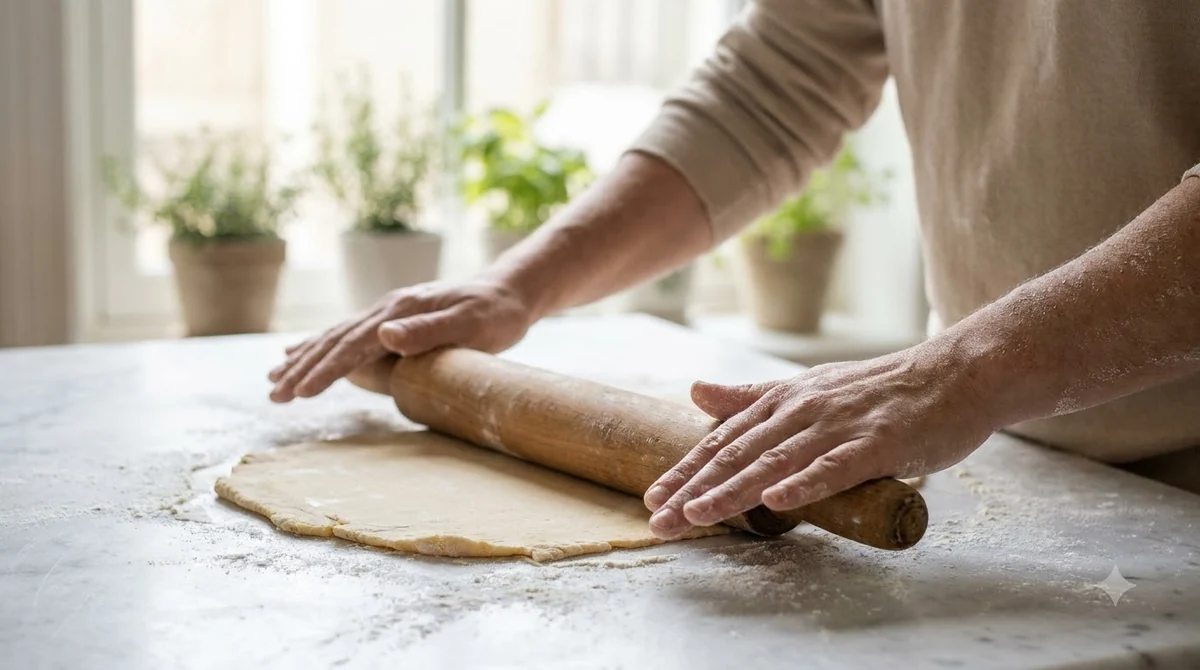

Knowing what is spaghetti alla chitarra takes one sentence: it is a square-cut egg pasta from Abruzzo, Italy, named after the guitar-like wire frame used to cut it. The dough is pressed over the wires, so each strand gets a square cross-section.
Its home region serves it with meat sauce, and its squarer shape sets it apart from round spaghetti pasta. The sections below cover origin, dough, cutting, comparisons, sauces and cooking.
What Is Spaghetti alla Chitarra and Where It Comes From
Spaghetti alla chitarra is an egg pasta typical of Abruzzo, with a square cross-section about 2 to 3 mm thick, according to the Wikipedia entry on the pasta. The name comes from the chitarra, which means guitar in Italian, a frame with a series of parallel wires crossing it.
Wikipedia notes that chitarra alla teramana, the version from the province of Teramo, is generally served as a first course (primo piatto). Egg pasta is central to the region’s cooking, and the chitarra is the tool that defines this particular shape.
The origin of the chitarra itself is unclear. A traditional recipe from the province of Teramo dates to the early 1800s or earlier, and another claim links the tool to the province of Chieti. Before the chitarra, cooks cut pasta sheets with a notched rolling pin.
The same family of pasta appears elsewhere in southern Italy under other names. Tonnarelli come from Lazio, torchioli and troccoli are found in Basilicata and Apulia, and cirioli molisani come from Molise. Wikipedia also reports that the pasta is listed as a traditional agri-food product by the Italian Ministry of Agricultural, Food and Forestry Policies.
What Goes Into Spaghetti alla Chitarra Dough
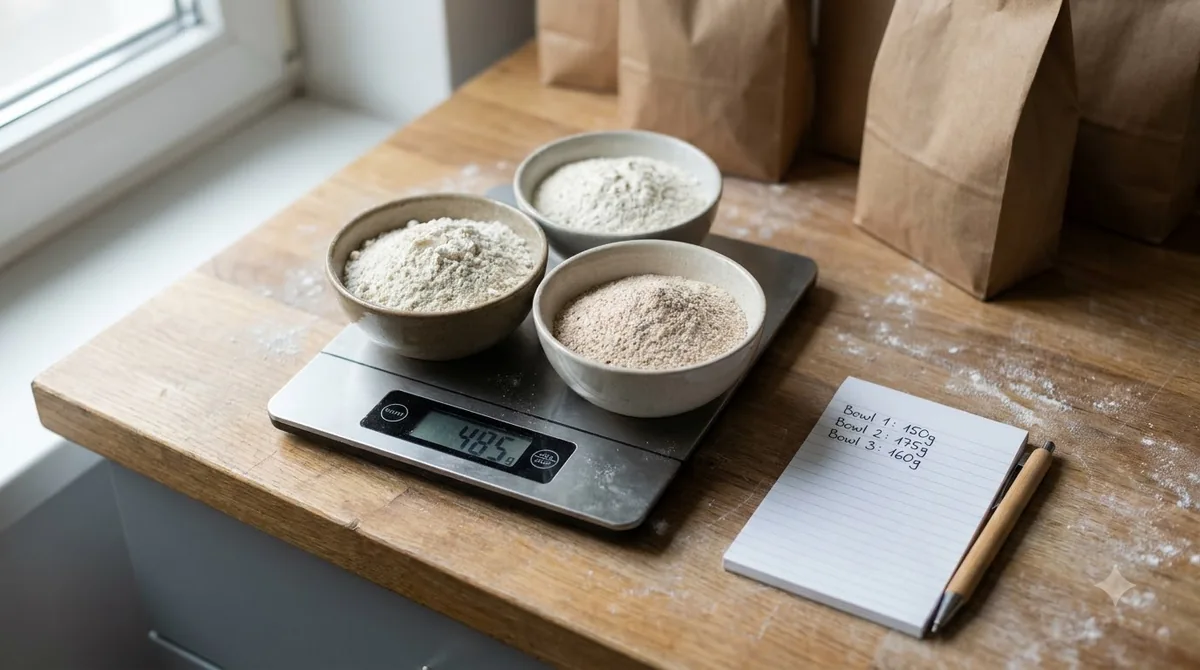
The traditional dough is made from durum wheat semolina and eggs, but published recipes differ on salt, flour and water. The table below shows how two sources describe the dough, so you can see where they agree and where they do not.
| Dough element | Wikipedia | Italian recipe (Dissapore, 4 people) |
|---|---|---|
| Flour | Durum wheat semolina | 100 g re-milled durum semolina and 100 g type 0 flour |
| Eggs | Eggs, no ratio given | 2 eggs for 200 g of flour |
| Salt | No added salt | A pinch of fine salt |
| Water | Not mentioned | Not listed, the eggs supply the liquid |
| Resting time | About 30 minutes, covered | About 30 minutes under an upturned plate |
A Pasta Evangelists guide describes a fresh flour and water dough instead. That conflicts with the egg dough in the other two sources, so treat the egg version as the standard for the traditional style. The Italian food magazine Dissapore recipe is one Italian home method, and it is a useful starting point if you plan to make the pasta yourself.
How the Chitarra Cuts the Pasta
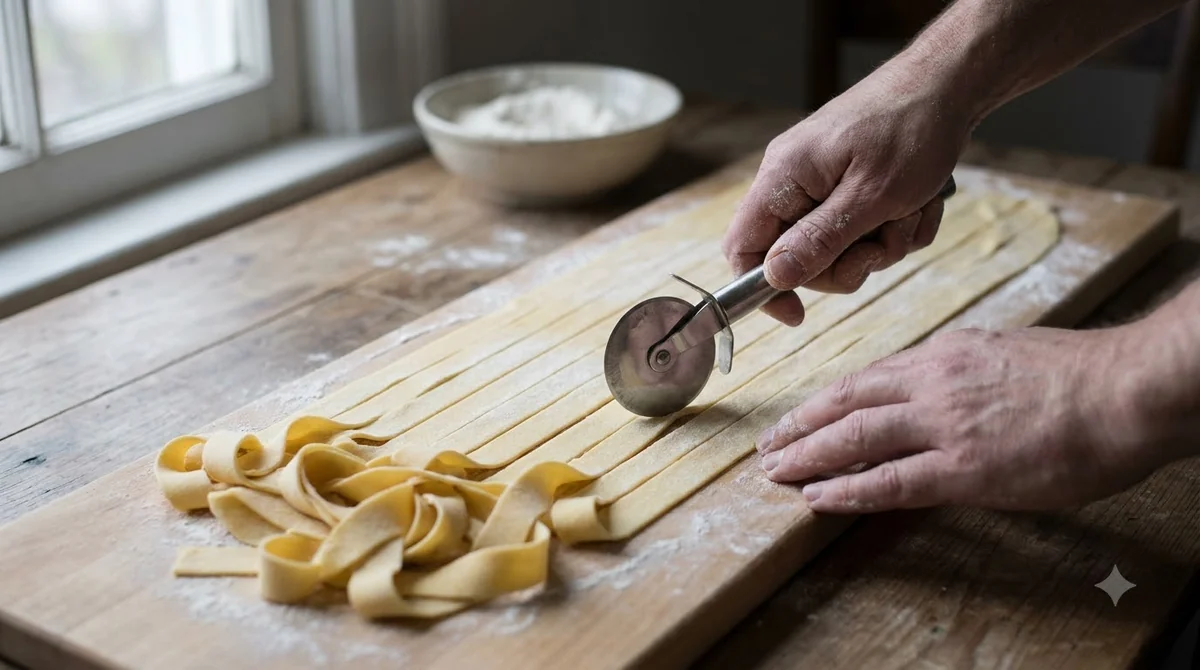
The chitarra cuts pasta by pressing a rolled sheet of dough down onto its wires, which slice it into long strands in a single pass. The method is simple, but the wire spacing and the sheet thickness decide the final shape.
To make spaghetti alla chitarra at home, follow these steps:
- Mix the semolina, flour, eggs and salt until you have a firm, smooth dough.
- Cover the dough and let it rest for about 30 minutes.
- Roll the dough into a sheet a couple of millimetres thick.
- Lay the sheet over the wires of the chitarra.
- Press the sheet with a rolling pin so the wires cut through it into strands.
- Let the strands dry in the air for at least one hour before cooking.
The Dissapore recipe says the sheet only needs to be a couple of millimetres thick and the finished strands should be about 2 mm thick with a square section. Wikipedia gives a similar 2 to 3 mm range. For other dough basics, see our fresh pasta dough recipe.
The Pasta Evangelists guide describes the chitarra as a wooden pasta cutter lined with guitar-like wire strings, and says the shape is a thicker, squarer version of spaghetti.
Spaghetti alla Chitarra vs Spaghetti and Tonnarelli
Spaghetti alla chitarra is thicker and squarer than round spaghetti, and it is the Abruzzo relative of Lazio’s tonnarelli. Our linguine vs spaghetti comparison covers other round-versus-flat questions. The table compares the three on the points a cook usually weighs when choosing a pasta.
| Criterion | Spaghetti alla chitarra | Round spaghetti | Tonnarelli |
|---|---|---|---|
| Cross-section | Square, about 2 to 3 mm | Round | Similar to chitarra, per Wikipedia |
| Strand shape | Thicker, squarer strands | Round strands | Not described in the sources read |
| Home region | Abruzzo, especially Teramo | Not a regional shape | Lazio |
| Classic partner | Lamb ragu with red peppers | Many sauces | Cacio e pepe |
Classic Sauces for Spaghetti alla Chitarra
The most traditional partner is a lamb ragu with red peppers, and the second is a tomato sauce with small meatballs called pallottine, both served as a first course. Sauces of pork, beef or lamb are the usual meat sauces in Abruzzo.
One pasta guide uses 400 g of lamb shoulder, 2 large red peppers and a tin of peeled plum tomatoes for four servings, and simmers the sauce for 1.5 to 2 hours until the lamb is tender. The Dissapore recipe cooks lamb in an onion soffritto with tomato passata and adds the peppers in the last 30 minutes.
In Teramo, the traditional condiment is tomato sauce with pallottine, small meatballs. The Dissapore recipe describes them as no bigger than a small hazelnut, made from bread, cheese and mixed minced meat, then fried in oil. An Abruzzo food source gives a maximum diameter of 8 mm, so the size is the same idea in both descriptions.
- Lamb ragu with red peppers, the classic Abruzzo pairing
- Tomato sauce with pallottine, from Teramo
- Pork, beef or mixed meat sauce, the usual regional choice
- Cacio e pepe, the Lazio style often served with tonnarelli
- A simple tomato sauce, also suggested in the Dissapore recipe
How to Cook Spaghetti alla Chitarra Well
Cook spaghetti alla chitarra in a large pot of well-salted boiling water until al dente, which takes 3 to 4 minutes for fresh pasta and about two minutes less than the packet time for dried, according to the Pasta Evangelists guide.
Use this sequence when you cook it for a sauce:
- Bring a large pot of water to a boil and salt it well before adding the pasta.
- Add the strands and cook until al dente, using the time for fresh or dried pasta.
- Reserve some of the cooking water before draining.
- Toss the pasta in the sauce over low heat, adding a splash of the reserved water to loosen it.
The same guide calls the shape an ideal partner for creamy sauces and chunky meat ragù, so a sauce with body suits it better than a thin one.
Save a little of the cooking water before you drain the pot. Adding it to the sauce in small splashes lets the sauce coat the strands without making the dish watery.
Fresh or Dried Spaghetti alla Chitarra
Dried, eggless spaghetti alla chitarra is the most widely sold version, both in Italy and abroad, and it is sold under the names spaghetti or maccheroni alla chitarra. Wikipedia notes this distinction, so check the ingredient list before you buy. Our fresh pasta vs dried pasta guide explains the wider trade-off.
Fresh egg pasta needs a chitarra and time to dry, while the dried version simply needs a pot of water and the packet time.
Frequently Asked Questions
Is spaghetti alla chitarra the same as spaghetti?
No. Spaghetti alla chitarra is square in cross-section, about 2 to 3 mm thick, while ordinary spaghetti is round. The flat sides and rough surface are the main reasons cooks choose it for heavier sauces.
Does spaghetti alla chitarra always contain eggs?
Traditional fresh spaghetti alla chitarra is an egg pasta, according to Wikipedia and the Dissapore recipe. The dried packs sold widely in shops are eggless, so read the label if egg content matters to you.
What is the difference between spaghetti alla chitarra and tonnarelli?
Tonnarelli come from Lazio and are the pasta used in cacio e pepe, while spaghetti alla chitarra comes from Abruzzo and is served with lamb ragu. Wikipedia describes them as similar pastas, but the sources read here do not give a precise measurement for tonnarelli.
Do you need a chitarra to make it?
The traditional method uses the chitarra to cut the sheet, and the sources read for this article do not describe a substitute tool, so this guide does not recommend one.
Which sauce goes best with it?
A lamb ragu with red peppers is the classic Abruzzo pairing. A pasta guide says the shape also suits creamy sauces and chunky meat ragù, so a sauce with body works well.
If you are still asking what is spaghetti alla chitarra in practice, start with a dried box to learn the cut and the cooking time before you buy a chitarra for fresh dough. Match a thick, clinging sauce to the square strands, and keep the lamb ragu for a slow Sunday meal.