

What to serve with spaghetti depends mostly on the sauce, but crusty bread, a crisp salad, or a light vegetable covers most dinners. Each one balances the richness of tomato, cream, or meat sauce in a different way. Pick one side that fits your sauce, then keep the rest of the meal simple.
Start with the sauce, add one bread or salad, and skip the heavy extras. The sections below answer what to serve with spaghetti by covering breads, salads, Italian starters, and the planning mistakes that make a dinner feel heavy.
What to Serve With Spaghetti Depends on the Sauce
An acidic tomato sauce suits bread and fresh mozzarella, while a heavy meat or cream sauce needs a sharp salad or light vegetables to balance it.
Tomato sauce is acidic, so it pairs well with fresh mozzarella, basil, and bread brushed with oil. A slow-cooked meat sauce or a cream-based sauce is heavier, so a green salad with a lemon dressing or roasted vegetables works better as a counterweight.
A basil pesto is lighter than a meat sauce but still rich with oil and cheese, so a tomato salad or grilled vegetables on the side keeps the meal from feeling flat. The choice of what to serve with spaghetti depends on how much body the sauce has, not on the pasta shape.
The table below matches common sauces with sides that keep the plate balanced. These pairings come from general cooking logic, not test results, so swap in any side you already enjoy.
| Sauce | Side that fits | Why it works |
|---|---|---|
| Tomato or marinara | Garlic bread or Caprese salad | Tomato acidity matches fresh mozzarella and basil |
| Meat sauce or meatballs | Lemon-dressed green salad | Acid and crisp leaves cut through the richness |
| Cream or butter sauce | Arugula salad or roasted vegetables | Bitter greens and vegetables lighten a heavy sauce |
| Olive oil and garlic | Bruschetta or focaccia | A simple sauce lets the bread carry the flavor |
For most weeknight dinners, one or two sides is enough when deciding what to serve with spaghetti. A third side usually crowds the table and pulls attention away from the spaghetti.
Garlic Bread and Focaccia: Easy Sides to Serve With Spaghetti
Garlic bread is a common side for spaghetti because it soaks up sauce and needs only bread, garlic, and fat.
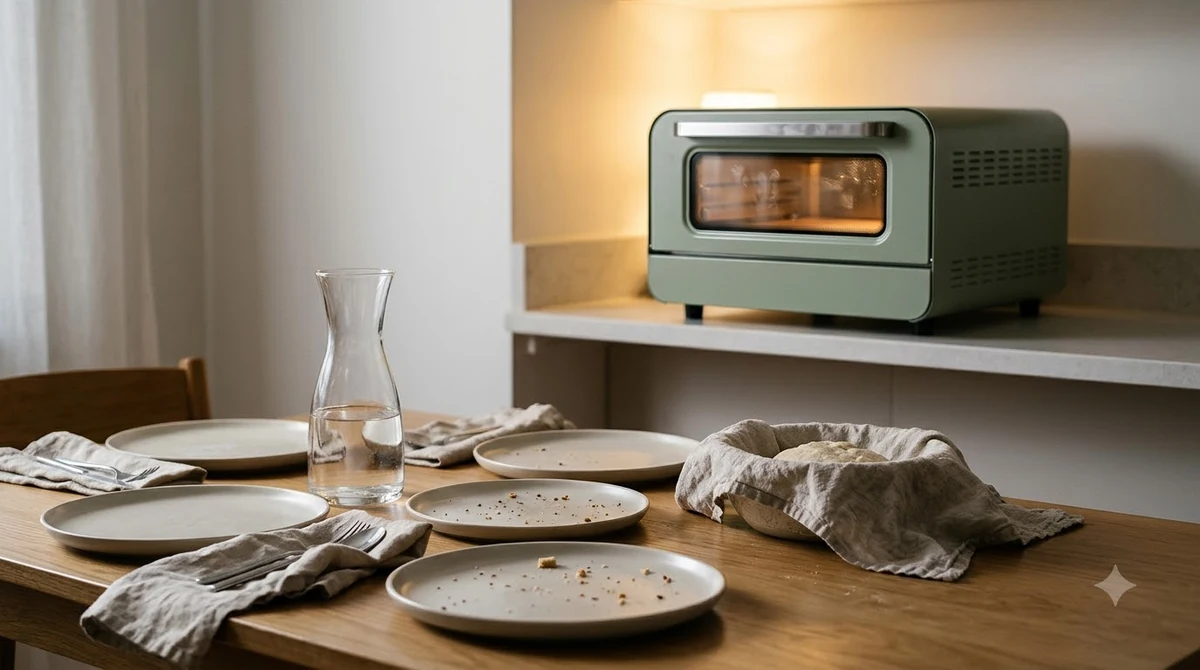
Garlic bread traces back to bruschetta, which appeared in Italy around the 15th century. The modern version is Italian-American, and according to Wikipedia’s garlic bread overview, it has appeared on U.S. restaurant menus since at least the 1950s, often paired with pasta dishes.
A typical loaf starts with a baguette or ciabatta, sliced partway through so it stays in one piece. The bread is then finished with garlic, olive oil or butter, and herbs.
- Bread: a baguette or ciabatta, sliced partway through
- Fat: olive oil or butter, sometimes with garlic powder
- Flavor: fresh garlic, plus oregano, chives, or parsley
- Optional: grated cheese over the top
Warm the bread just before serving so the outside stays crisp and the inside stays soft. Wrap it in foil to keep it warm while the pasta finishes.
Focaccia (our focaccia recipe is an easy start) works in the same spot on the table. It is a flat, leavened, oven-baked Italian bread made from high-gluten flour, oil, and yeast, and the Genoese version is dimpled and finished with olive oil and coarse salt. Reference sources describe focaccia as table bread or an antipasto rather than a pasta side, so treat it as bread on the table.
Salads to Serve With Spaghetti That Cut Through a Rich Sauce
Caesar salad, first made on July 4, 1924, in Tijuana, Mexico, uses a lemon and Parmesan dressing that cuts through rich sauce.
According to Wikipedia’s Caesar salad history, the base is romaine and croutons, dressed with lemon juice, olive oil, egg, Worcestershire sauce, anchovies, garlic, Dijon mustard, Parmesan, and black pepper. The original recipe reportedly used only Worcestershire sauce, so anchovies are a later addition.
Caprese is the other common choice to serve with spaghetti in a tomato sauce. Fresh mozzarella, tomato, and basil, seasoned with salt and olive oil, match a tomato sauce. Italians usually skip vinegar on it because they believe vinegar spoils the flavor of fresh mozzarella, and they usually serve it as an antipasto.
Serve either salad chilled or at room temperature. Keep the dressing light so it does not compete with the sauce.
Antipasti and Soup Before the Pasta
An antipasto is the traditional first course of a formal Italian meal, with bite-size food served on a shared platter before the primo piatto.
Antipasti vary greatly by region. The Wikipedia antipasto article lists fried cheese and pickled vegetables in Campania, and cured meats, mushrooms, and cheeses in northern Italy. A small platter of olives, cheese, and cured meat works well before spaghetti if the portions stay small.
Pasta e fagioli (see our pasta e fagioli recipe), which means pasta and beans, is a soup with several regional versions. The only firm rule is that beans and pasta are both included. Cannellini, navy, or borlotti beans are the most common, and the pasta is usually a small shape such as ditalini or elbow macaroni.
Pasta e fagioli is itself a primo, a first course of pasta. Serving it before spaghetti makes two pasta courses, so choose one. If you want the soup, serve a small bowl and keep the spaghetti portion modest, or serve the soup as the meal.
Meatballs and Vegetables as Add-Ons
Meatballs are usually served with spaghetti in the United States (see our spaghetti and meatballs recipe), while green vegetables add color without making the plate heavy.
Italian polpette are usually beef or pork, or a mix, with Romano cheese, eggs, breadcrumbs, garlic, and parsley. They are rolled by hand to about golf-ball size, and in Italy they are eaten as a main course or in soup. The same Wikipedia meatball article notes that U.S. versions come from European roots, but it does not give one ingredient list for American recipes, so check the recipe you follow.
Green vegetables are a common companion. Recipe collections often pair spaghetti with green beans, broccolini, or asparagus with cherry tomatoes. This guide did not confirm cooking times or amounts for these vegetables, so check a tested recipe for those details.
Mistakes to Avoid When Planning the Meal
A frequent planning mistake is stacking several starches, which makes the plate heavy with little contrast in texture or acidity.
Most of these problems come from the menu, not the cooking. Watch for these five habits when you plan a spaghetti dinner.
- Stacking starches: choose bread or a salad, not bread plus a potato side
- Competing sauces: two rich sauces on one table are hard to balance
- Late bread: garlic bread left out too long loses its crisp outside
- Heavy starters: a large soup before a full bowl of spaghetti
- Too much salt: a salty sauce, cheese, and cured meat add up quickly
These points are general planning advice, not a fixed menu. A light dinner for four may need only a salad, while a larger party with meatballs may need bread and a vegetable.
Frequently Asked Questions
Is garlic bread a traditional side for spaghetti?
Garlic bread is a common side for spaghetti, especially in Italian-American restaurants. It traces back to bruschetta in Italy around the 15th century, and U.S. menus have often paired it with pasta since at least the 1950s. It works well because it soaks up the sauce, and it is one of the simplest answers to what to serve with spaghetti.
Should I serve a salad with spaghetti and meatballs?
Yes, a salad with a lemon or vinegar dressing is a good match. The acid cuts through the richness of the sauce and the meat. Choose romaine or arugula for crisp leaves, and keep the dressing light so it does not dilute the sauce.
Can I serve pasta e fagioli before spaghetti?
You can, but pasta e fagioli is a pasta course in its own right. Serve a small bowl and keep the spaghetti portion modest, or serve the soup as the main course. Cannellini, navy, or borlotti beans are the usual choices for the soup.
What is an antipasto?
An antipasto is the traditional first course of a formal Italian meal. It is bite-size food, often cheese, cured meat, olives, or vegetables, served on a shared platter. Its purpose is to stimulate the appetite, and the contents vary greatly by region.
Does Caesar salad have anchovies?
The standard version includes anchovies, along with Parmesan, garlic, lemon juice, and Worcestershire sauce. Wikipedia reports that Caesar Cardini’s original reportedly used only Worcestershire sauce. If guests avoid fish, leave the anchovies out and taste the dressing before serving.
How do I keep garlic bread warm for dinner?
Wrap the bread in foil and keep it warm in the oven until you serve. Open the foil briefly so the top crisps. This guide does not give an oven temperature, so check the setting in your bread recipe.
Deciding what to serve with spaghetti is simpler than it looks. Pick one bread or one salad and keep the other sides light. Let the sauce decide the match, and skip the starter when the pasta is already a big bowl. A simple plate with good bread and a crisp salad serves most spaghetti dinners well. Need portion help? Our guide on how much pasta per person covers it, and the same side logic applies when you plan what to serve with lasagna (our lasagna sides guide).
 8 min readLearnWhat to Serve with Ravioli: Sides, Sauces and Wine PairingsUpdated Nov 12, 2026
 8 min readLearnSide Dishes for Pizza Night: What to Serve and How to PickUpdated Nov 12, 2026
 8 min readLearnAntipasto Platter Ideas for an Easy Italian SpreadUpdated Nov 12, 2026
 7 min readLearnSpaghetti Pasta: What It Is, How to Cook It and What to Serve With ItUpdated Nov 10, 2026
 6 min readLearnSpaghetti Substitute: 4 Easy Options That Work With Any SauceUpdated Nov 13, 2026
 6 min readLearnItalian Christmas Eve Dinner Ideas for a Seafood FeastUpdated Nov 13, 2026