
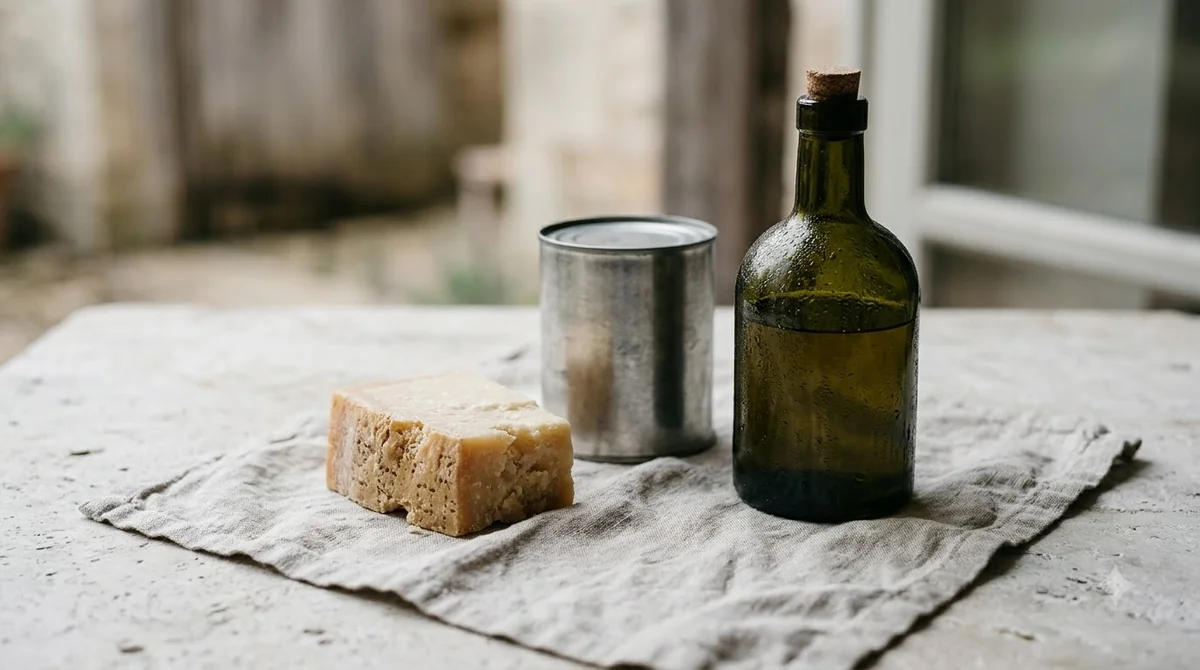

Antipasto platter ideas start with a shared board of cheeses, cured meats, marinated vegetables and crisp bread, served before a meal. An antipasto is the traditional first course of a formal Italian meal, made of bite-size portions that guests serve themselves.
The best boards mix one sticky item, one hard cheese and one crisp base with a few vegetables. Choosing a few categories works better than trying to include everything on one plate. Those rules apply whether you are planning antipasto platter ideas for a dinner party or a casual weeknight.
What Is an Antipasto Platter?
An antipasto platter is a shared spread of small Italian starters that guests graze from before the main course. The food is meant to be picked up and eaten in a few bites, not plated for each person.
According to Wikipedia’s antipasto entry, the starter is served from a platter that everyone uses, and its purpose is to stimulate the appetite. A primo piatto, the next course, typically follows.
The contents of an antipasto vary greatly by region. Northern Italy is known for cured meats and mushrooms, while Campania is known for several forms of cheese and pickled vegetables such as small peppers, fennel, aubergine and carrot.
That range is why antipasto platter ideas are so flexible. Because the regional styles differ, ask guests about allergies or diets before you choose the cured items. You can build a meat-heavy board, a vegetarian spread or a tangy pickled tray, and each one still counts as an antipasto.
Classic Antipasto Platter Ideas
Four platter styles cover most antipasto platter ideas: a cured meat and cheese board, a marinated vegetable board, a Neapolitan-style pickled board and a light mixed board. Each one uses a different core group of items.
| Platter style | Core items | Best for |
|---|---|---|
| Cured meat and cheese | Cured meats, hard cheese, provolone or fontina, crostini | Hearty spreads with heavier appetites |
| Marinated vegetable | Marinated mozzarella, artichoke hearts, roasted red peppers, olives | Vegetarian guests |
| Neapolitan pickled | Pickled small peppers, fennel, aubergine, carrot, cheese | Guests who like tangy bites |
| Light mixed board | Cherry tomatoes, radicchio, almonds, crostini, Parmigiano | Warm-weather gatherings |
Pick the style first, then add items from one or two categories below. A board that mixes a cured meat style with a vegetarian style works too, but it needs more bowls and more space.
The cured meat and cheese board is the most filling of the antipasto platter ideas above, so it suits a long evening. The marinated vegetable board is the easiest to adapt for guests who do not eat meat, because the core items are cheese, vegetables, olives and nuts.
The Neapolitan pickled style adds sharpness to a table that is otherwise rich. Pickled peppers, fennel, aubergine and carrot cut through fatty cheese and cured meat, which is why this style pairs well with the other boards in one spread.
Use the light mixed board for warm-weather gatherings, when guests want something fresh. Cherry tomatoes and radicchio give color, and almonds add crunch without making the board heavy. For a bigger crowd, add a side such as this Italian pasta salad recipe.

Ingredients to Pick by Category
For antipasto platter ideas, choose one or two items from each group: cheese, marinated items, olives and peppers, vegetables, and crisp bases with a sweet accent. The recipe used for this section lists all of these as options and says you can use them all or just choose a few.
- Cheese: hard cheese such as Parmigiano Reggiano, plus sliced provolone or fontina.
- Marinated items: marinated mozzarella and marinated gigante beans.
- Olives and peppers: Castelvetrano and kalamata olives, pepperoncini and torn roasted red peppers.
- Vegetables: halved artichoke hearts, cherry tomatoes and radicchio leaves.
- Crisp bases and sweet accents: crostini, almonds, and honey or fig jam.
When you shop for antipasto platter ideas, read the labels on marinated products, since oil, brine and herbs vary from jar to jar. Olives and cheese carry most of the flavor, so a few good ones matter more than many average ones. Fresh herbs such as parsley work as a garnish rather than a main item. For a tomato and mozzarella side, see our caprese salad recipe.
Build the Platter in Order
Set the sticky and oily items in their own small bowls first, then fill the gaps with dry items. Love and Lemons’ antipasto platter uses this order, and it keeps honey, oil and brine from running into the cheese and bread.
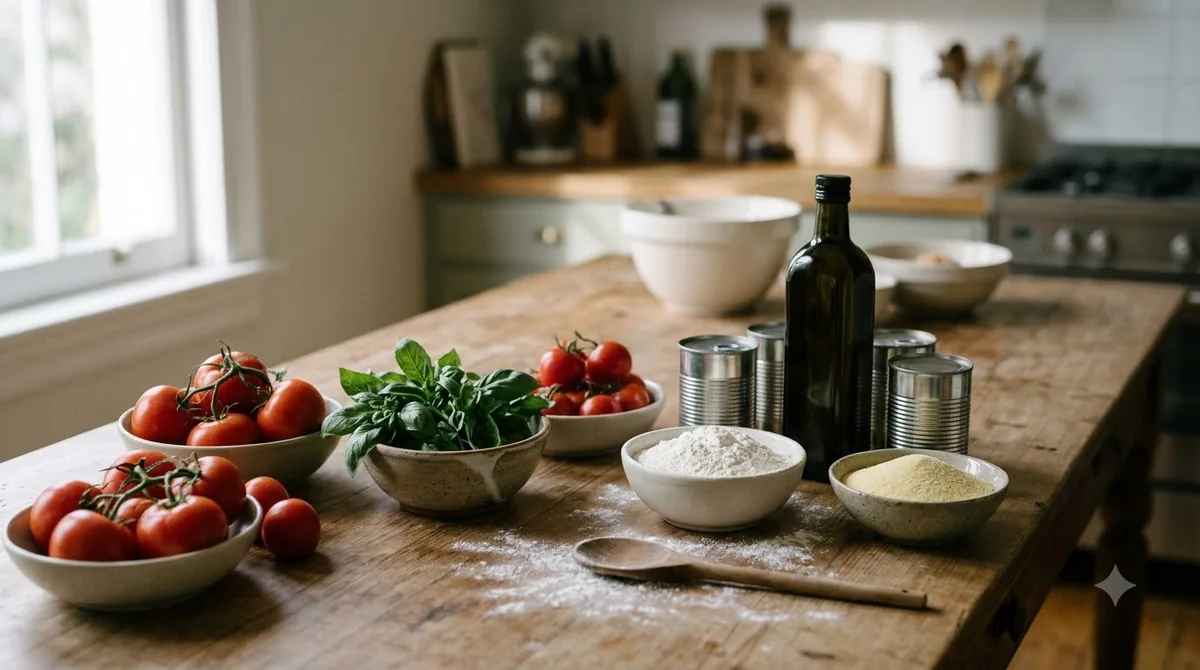
- Place small bowls on the large platter for honey or fig jam, olives, pepperoncini, and marinated mozzarella, beans or artichokes.
- Fill the gaps with hard or semi-hard cheese, fresh vegetables, nuts, and crackers or crostini.
- Break Parmigiano into bite-size pieces instead of slicing it.
- Finish with fresh parsley or basil if you want color on the board.
Use the same order for every antipasto platter idea you try, so the board looks balanced and the wet items stay out of the dry ones. Set the bowls toward the middle of the board so guests can reach them easily from any side. The bowls are the practical part of the method. Without them, oily olives and sticky jam spread across the board, and the cheese and crostini soften where they touch.
Make Ahead and Keep It Safe
For antipasto platter ideas, marinated components can be made a day ahead, and perishable food should not stay out for more than two hours. The Love and Lemons recipe makes its marinated gigante beans a day ahead for better flavor and assembles the platter when guests arrive.
For food safety, Wikipedia’s danger zone entry summarizes USDA Food Safety and Inspection Service guidance. The danger zone is roughly 40 to 140°F (4 to 60°C), and food left in that range for more than two hours should not be eaten.
Cheese and cured meat are perishable, so keep the components chilled until serving time. Return leftovers to the refrigerator soon after the party. For cured meat handling, see how to store prosciutto.
Plan the timeline backward from the party. Prepare the marinated items a day ahead, slice the bread and crack the nuts on the day, and set the board out close to serving time. No hot-weather rule could be confirmed from the sources read for this article. Check current USDA guidance before an outdoor party, and treat the two-hour limit as the baseline rather than the full rule.
Common Mistakes With Antipasto Platters
Most weak antipasto platter ideas fail on balance rather than on taste. Each of the problems below is easy to avoid with a short plan.
- Too much cheese and no vegetables, which makes the board feel heavy.
- Olives or honey placed directly on the board instead of in small bowls.
- Slicing Parmigiano thin when the recipe breaks it into chunks.
- No crisp base, so guests have nothing to carry the cheese and meat.
- Assembling the board hours early, which leaves the bread soft and the herbs wilted.
Frequently Asked Questions
What is the difference between antipasto and antipasti?
Antipasto is the singular form and antipasti is the plural, so the phrase antipasto platter ideas is a common search with both spellings in use. Wikipedia gives antipasto as the traditional first course of a formal Italian meal, and the same word is used for the spread itself at most tables.
How many people does one antipasto platter serve?
The Love and Lemons recipe serves 8 and lists a 20-minute prep time, which makes it a practical model for antipasto platter ideas at a larger party. The source does not give quantities per guest, so adjust the amounts to your guests, using more cheese and bread for hungry groups and more vegetables for lighter ones.
Can I make an antipasto platter the day before?
Yes, for the parts that improve with time. Antipasto platter ideas built on marinated beans or artichokes are the easiest to prepare early. The same recipe makes its marinated beans a day ahead, and the platter is assembled when guests arrive. Keep cheese and cured meat chilled until serving.
What should go on the board first?
For most antipasto platter ideas, the sticky or oily items go in small bowls on the platter first. Then fill the gaps with hard cheese, vegetables, nuts and crostini, so the wet items stay contained.
Is antipasto always made with meat?
No. The contents vary by region, and many antipasto platter ideas are meat-free. The recipes read for this article include vegetarian boards built on marinated vegetables, cheese, olives and nuts, and a meat-free board still follows the same structure.
What is the food safety danger zone?
The danger zone is roughly 40 to 140°F (4 to 60°C), according to the USDA Food Safety and Inspection Service as summarized on Wikipedia. Food left in that range for more than two hours should not be eaten, so plan refrigeration and serving times around that limit.
Good antipasto platter ideas start with a clear plan. A smaller board with three or four well-chosen categories usually looks better than a crowded one. Build each antipasto platter idea around one hard cheese, one marinated item and one crisp base, keep the oily items in bowls, and prepare the marinated parts a day ahead.
 8 min readLearnWhat to Serve with Spaghetti: 8 Easy Side IdeasUpdated Nov 12, 2026
 6 min readLearnItalian Christmas Eve Dinner Ideas for a Seafood FeastUpdated Nov 13, 2026
 8 min readLearnPasta al Forno Recipe: 6 Easy Steps to Italian Baked PastaUpdated Nov 11, 2026
 9 min readLearnPizza Party Ideas for Hosting a Crowd at HomeUpdated Nov 10, 2026
 9 min readLearnOne Pot Pasta Recipe: Easy Dinner in About 25 MinutesUpdated Nov 12, 2026
 8 min readLearnTiramisu Recipe: 7 Easy Steps for a Classic DessertUpdated Nov 12, 2026