

The best spaghetti substitute for most home cooks is zucchini cut into long strands. It keeps the long shape, takes tomato and cream sauces well, and cooks in about 2 to 3 minutes. Spaghetti squash, shaved asparagus and shredded cabbage are other options, and each one needs a different method.
Which Spaghetti Substitute Works Best?
Zucchini is the most common swap because it is easy to find, cooks quickly, and forms strands close to the length of spaghetti.
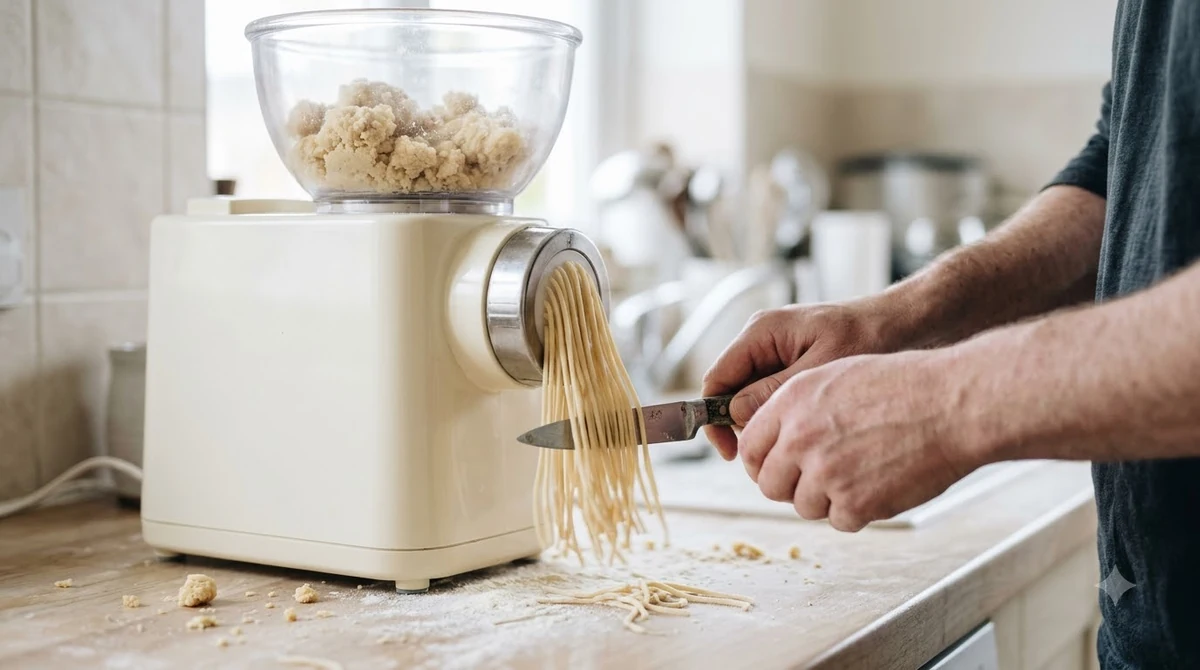
A spiralizer or julienne peeler turns zucchini into long strands. A vegetable peeler makes wider ribbons that are shorter but suit pappardelle-style dishes. Keeping the skin on helps, because peeling lets more moisture escape during cooking.
Mild zucchini takes on whatever sauce you serve it with, which is why it works as a base for simple tomato sauce, meat sauce and creamy alfredo alike.
How Do You Cook Zucchini Noodles Without Making Them Soggy?
Zucchini noodles need only a short time in boiling water, and the main controls are a quick cook and thorough draining.
The Reynolds guide to vegetable noodles spirals zucchini on parchment paper, then lifts the parchment by its edges to slide the ribbons into boiling water. Cook them for 2 to 3 minutes, then drain them well before adding sauce.
- Spiral-cut the zucchini and lay the strands on a sheet of parchment paper.
- Lift the parchment by its edges and slide the strands into boiling water.
- Cook for 2 to 3 minutes, until just tender.
- Drain thoroughly, then toss with sauce and serve right away.
Is Spaghetti Squash a Good Spaghetti Substitute?
Spaghetti squash is a good choice for a hearty meat sauce, because its cooked flesh separates into strands that hold up to thick toppings.
Pierce the squash with a fork and microwave it on high for about 12 minutes, until it is easily pierced with a fork. Halve it, scoop out the seeds, and run a fork along the inside to pull out the strands. The Reynolds guide suggests tossing them with seasoning such as lemon and thyme and adding protein like grilled shrimp.
According to the Wikipedia entry on spaghetti squash, the cooked flesh falls away from the rind in strands, and the squash can be baked, boiled, steamed or microwaved.
Other Vegetables That Stand In for Spaghetti
Shaved asparagus, shredded cabbage and thin-sliced Brussels sprouts each give a different texture, so match the vegetable to the sauce.
Shaved asparagus peeled into strands can be tossed raw with pesto or lightly sautéed in marinara. Shredded cabbage keeps a firm, al dente bite when cooked. Thin slices of Brussels sprouts form small ribbons that suit a quick sauté.
Shredded cabbage and Brussels sprouts need the least preparation, since you only shred or slice them and cook for a few minutes in a hot pan. Asparagus is the most delicate of the three, so peel it lightly and toss it with the sauce while it is still crisp.
Packaged options such as sweet potato noodles and hearts of palm noodles are also sold as spaghetti replacements. Read the package for the cooking time, since these products do not all cook like fresh vegetables.
Can You Mix a Substitute With Real Spaghetti?
Yes. Mixing spiralized zucchini with cooked spaghetti lightens the dish while keeping the familiar bite of pasta.
Use a ratio that suits your sauce, such as half zucchini and half spaghetti, and add the zucchini in the last minute or two so it stays crisp. This approach is useful when you want to cut back on the amount of pasta on the plate but still serve a full-looking portion.
Spiralized zucchini and spaghetti squash both work with a thick sauce, but thin, watery sauces tend to pool on the plate, so reduce them a little before serving.
Which Spaghetti Substitute Fits Which Sauce?
The right spaghetti substitute depends on the sauce you plan to serve, because each vegetable has a different texture and moisture level.
Thin tomato or garlic-and-oil sauces suit zucchini strands, which cook quickly and let the sauce coat them. Thick meat sauces need a sturdier base, so spaghetti squash is the better pick because its strands hold up under a heavy ragù. Pesto works well with raw shaved asparagus, which keeps its crunch and does not need cooking at all.
Cream-based sauces such as alfredo are the hardest match. Zucchini works, but the sauce will thin if the noodles are wet, so drain them carefully and pat them dry before tossing. Shredded cabbage is another option for cream sauces, since it holds a firm texture once it is cooked through.
- Tomato or garlic sauce: zucchini noodles, cooked 2 to 3 minutes.
- Meat sauce or ragù: spaghetti squash, microwaved until a fork pierces it easily.
- Pesto: raw shaved asparagus, tossed just before serving.
- Cream sauce: drained zucchini noodles or shredded cabbage, patted dry first.
If you are cooking for more people, cook the vegetable substitute in batches rather than all at once. A crowded pan or pot releases more water, and that water dilutes the sauce and makes the strands limp.
Keep the sauce warm but not boiling when you toss it with a vegetable substitute. Heat softens the strands further, so a gentle toss for under a minute is enough to combine them without turning them mushy.
Frequently Asked Questions
What is the best spaghetti substitute?
Zucchini noodles are the most versatile choice for most sauces, while spaghetti squash suits a thick meat sauce better.
How long should you cook zucchini noodles?
Cook them in boiling water for about 2 to 3 minutes, until just tender, then drain them well before adding sauce.
Can you make zucchini noodles without a spiralizer?
Yes. A vegetable peeler makes wider, shorter ribbons that work well in pappardelle-style dishes.
Do vegetable substitutes work with cream sauces?
Zucchini works well with cream sauces because its mild flavor does not compete with the sauce. Drain the noodles thoroughly first so the sauce stays thick.
A spaghetti substitute is a matter of matching the vegetable to the sauce and the cooking time. Zucchini is the simplest starting point, and spaghetti squash is worth the extra microwave time when you want a heartier plate. Cook vegetables briefly, drain them well and add the sauce just before serving so the dish stays firm.
 5 min readLearnRigatoni Substitute: 4 Pasta Shapes That Work Just as WellUpdated Nov 13, 2026
 9 min readLearnHow to Store Fresh Basil: 4 Easy Methods That WorkUpdated Nov 10, 2026
 6 min readLearnLinguine Substitute: Best Pasta Swaps for Any SauceUpdated Nov 13, 2026
 6 min readLearnPenne Substitute: 5 Pasta Shapes That Work WellUpdated Nov 13, 2026
 6 min readLearnMacaroni Substitute: Best Pasta Shapes That WorkUpdated Nov 13, 2026
 5 min readLearnBest Sauce for Orzo: Light, Glossy Options That Coat WellUpdated Nov 13, 2026