
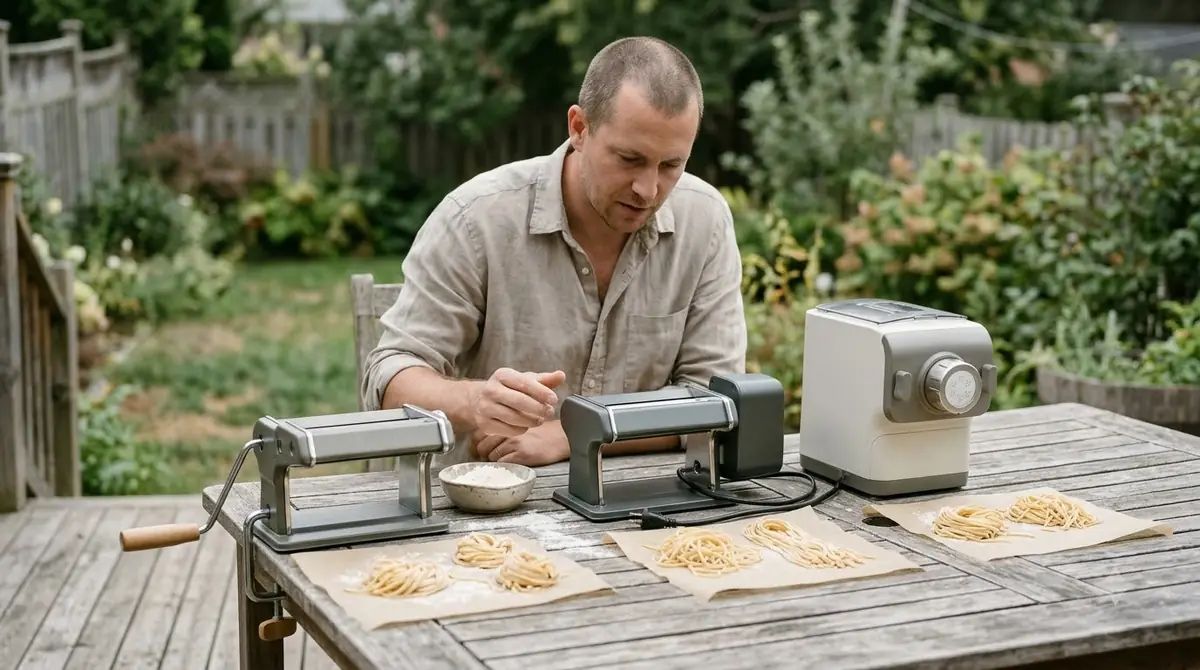

Bucatini vs spaghetti comes down to shape: bucatini is a thicker tube with a hole through its center, while spaghetti is a solid strand. That hollow center changes how each pasta cooks and how it holds sauce, so the choice matters most for chunky and bold sauces. In many kitchens the two get swapped without anyone noticing, and that works for plenty of dishes.
When you decide bucatini vs spaghetti for dinner, pick bucatini for sauces that should cling inside the tube, and spaghetti for light oil or cream sauces. The table below gives a quick verdict before the details.
| Pick | Best for | Key fact |
|---|---|---|
| Bucatini | Amatriciana, cacio e pepe, meaty sauces | The hollow center holds more sauce |
| Spaghetti | Aglio e olio, alfredo, marinara | A solid strand that works with light sauces |
What Is the Main Difference Between Bucatini and Spaghetti?
Bucatini is a hollow, slightly thicker version of spaghetti, with an outer diameter of about 2.8 mm against 2.2 mm for spaghetti.

The name explains the shape. In a bucatini vs spaghetti comparison, the hole is the first thing to notice. Bucatini comes from buco, the Italian word for hole, and it is sometimes called perciatelli. Look at the end of a strand and you see an opening, while spaghetti is solid all the way through.
Thickness is the second difference in any bucatini vs spaghetti choice. Tasting Table’s comparison puts bucatini at an outer diameter of about 2.8 mm and spaghetti at about 2.2 mm.
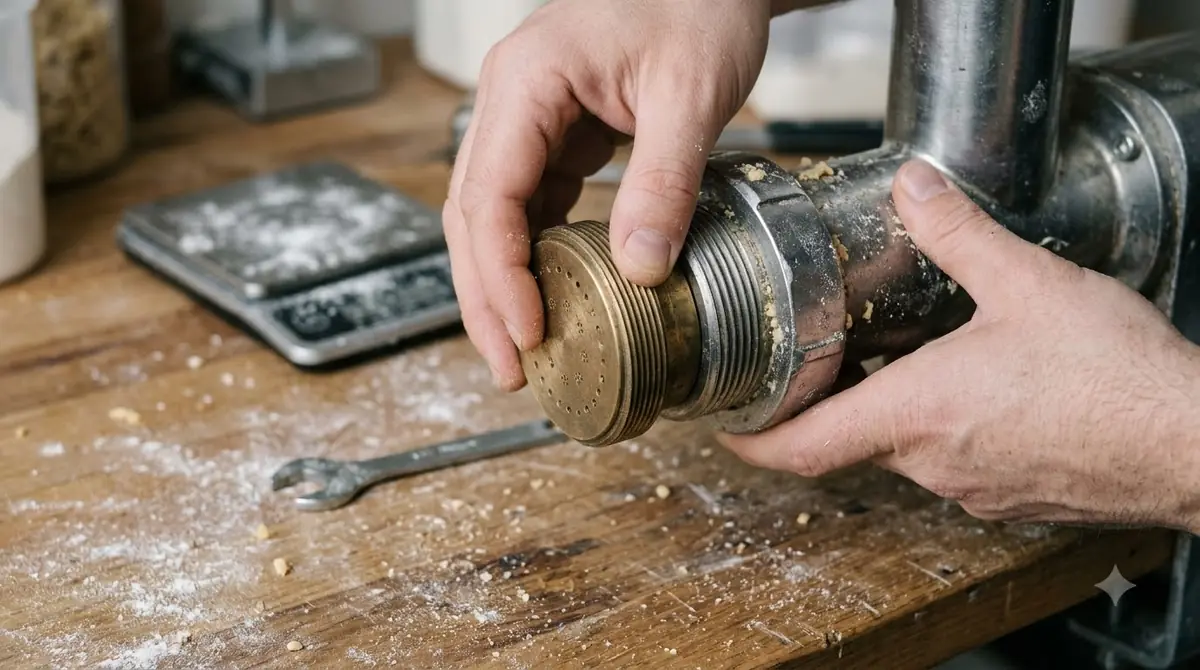
The hole also changes how the pasta is made. Spaghetti needs no special shaping, but bucatini is pushed through a perforated disk in an extruder, so it cannot be hand-rolled.
Bucatini vs Spaghetti Side by Side
Bucatini is thicker, hollow and made with an extruder, while spaghetti is solid, thinner and needs no special shaping.
The table below sums up the main differences in a bucatini vs spaghetti comparison, using the figures from the sources linked on this page.
| Feature | Bucatini | Spaghetti |
|---|---|---|
| Shape | Hollow tube | Solid strand |
| Outer diameter | About 2.8 mm | About 2.2 mm |
| Dried cooking time | 7 to 9 minutes | 8 to 14 minutes, varies by brand |
| Name origin | From buco, meaning hole | From spago, meaning string |
| Price | Usually costs more | Cheaper in the brands Tasting Table cites |
| Typical sauces | Amatriciana, cacio e pepe | Aglio e olio, alfredo, marinara |
Because the two look alike and have a similar long shape, many home cooks treat them as one pasta. The differences above matter most when the sauce is heavy or when the dish depends on how much sauce each bite carries. These points are the core of any bucatini vs spaghetti decision.
How the Hollow Center Changes Sauce Pairing
In a bucatini vs spaghetti match-up, the hollow center lets bucatini take sauce inside and outside, so it suits bold sauces like amatriciana and cacio e pepe, while spaghetti suits lighter sauces.
Chowhound says the hollow center holds more sauce, so each bite carries more flavor than a solid strand. The same article notes that the hole gives more surface area for sauce to cling to.
Bucatini suits chunky or heartier sauces. Chowhound points to amatriciana and cacio e pepe, where the sauce is drawn into the pasta as well as coating it.
- Amatriciana
- Cacio e pepe
Spaghetti fits lighter dressings. Tasting Table says it suits aglio e olio and alfredo, and it is commonly served with marinara and meatballs. The same article reports that spaghetti went limp under heavy sauces such as wild boar ragu. Its solid strand carries thin oil and butter dressings evenly, which is why aglio e olio is one of the sauces spaghetti is best with.
Carbonara is where bucatini vs spaghetti is closest. Spaghetti is the classic choice, but bucatini holds more of the sauce, so it works as an upgrade rather than a requirement.
Cooking Time and Texture: Which Cooks Faster?
Dried bucatini cooks in about 7 to 9 minutes, which is shorter than the 8 to 14 minutes Tasting Table gives for spaghetti, but its hole makes it easy to overcook.
Brand times vary, so start with the package time when you compare bucatini vs spaghetti. Tasting Table gives 7 to 9 minutes for dried bucatini and says it cooks faster than spaghetti. DeLallo, a bucatini producer, gives 7 to 8 minutes in its cooking guide.
Fresh bucatini is quicker still. DeLallo’s guide to bucatini advises checking fresh strands after 3 minutes, because they take half the time or less of dried pasta.
Cooking time is one of the more practical bucatini vs spaghetti differences on a weeknight. Overcooking is the main risk. Chowhound warns that overcooked bucatini swells and can close the hole in the center, so taste early and often.
- Start tasting at the low end of the package range, around 7 minutes for dried bucatini.
- Bite a strand and check that it is al dente, with a firm bite and no raw center.
- Drain it and toss it straight into the sauce, since it keeps cooking in the pan.
Do not break bucatini after cooking. Tasting Table says the strands should stay whole, so plan to serve them as long tubes.
Can You Use Bucatini Instead of Spaghetti, or the Reverse?
In many dishes you can swap bucatini and spaghetti, but bucatini works better for chunky sauces, and spaghetti is the better choice for light oil or cream sauces.
Because the two look alike and have a similar long shape, cooks often use them interchangeably. Tasting Table, however, does not treat spaghetti as the best stand-in for bucatini.
If you do not have bucatini, Tasting Table lists fusilli col buco, spaghettoni and thicker fettuccine as closer substitutes. Those shapes are nearer to bucatini in thickness than spaghetti is.
Going the other way is simpler, and a similar choice comes up in linguine vs spaghetti. For bucatini vs spaghetti, spaghetti works in most recipes that call for bucatini, but expect a thinner strand and less sauce held inside each bite.
Which Pasta Should You Choose for Your Dish?
For bucatini vs spaghetti, choose bucatini for chunky, meaty or cheesy sauces that benefit from a hollow center. Choose spaghetti for light oil or cream sauces, or when you want a classic everyday pasta.
- Pick bucatini for amatriciana or cacio e pepe.
- Pick spaghetti for aglio e olio, alfredo or a simple marinara.
- Pick bucatini if you want more sauce in every bite.
- Pick spaghetti if you want a lower price in the brands Tasting Table cites.
Bucatini comes from Lazio, around Rome, according to DeLallo. Perciatelli is another name for it, mostly used in Abruzzo, so you may see both names on a package. Abruzzo is also home to spaghetti alla chitarra, a square-cut egg pasta cut on a wire frame.
Frequently Asked Questions
Is bucatini just thick spaghetti?
Mostly yes. In bucatini vs spaghetti terms, the key difference is the hole. Bucatini is hollow and slightly thicker, with an outer diameter of about 2.8 mm against about 2.2 mm for spaghetti, according to Tasting Table. That hollow center changes how the pasta holds sauce.
Does bucatini take longer to cook than spaghetti?
Usually not. In bucatini vs spaghetti cooking times, dried bucatini takes about 7 to 9 minutes to reach al dente, while Tasting Table gives 8 to 14 minutes for spaghetti. Brand times vary, so check the package and taste a strand early.
Can I use spaghetti in carbonara instead of bucatini?
Yes. Spaghetti is the classic carbonara pasta. Bucatini holds more of the sauce inside its hollow center, so it is an upgrade rather than a requirement for the dish.
Why is bucatini hollow?
The hole comes from how it is made. Bucatini is extruded by forcing dough through a perforated disk, so it cannot be hand-rolled like spaghetti. The name comes from buco, the Italian word for hole.
Is bucatini the same as perciatelli?
Yes, perciatelli is another name for bucatini. DeLallo says the name is mostly used in Abruzzo, while bucatini is the name tied to Lazio, where the pasta originates.
Which pasta holds more sauce, bucatini or spaghetti?
Bucatini holds more sauce. Chowhound reports that its hollow center lets sauce get inside the pasta as well as coat the outside, so each bite clings to more sauce than a solid spaghetti strand.
Does bucatini cost more than spaghetti?
Usually yes. Tasting Table says bucatini usually costs more than spaghetti, but prices vary widely by brand, so compare the price per pound before you buy.
Settle bucatini vs spaghetti by the sauce: choose bucatini when the sauce is chunky, bold or cheesy and you want more of it in each bite. Choose spaghetti for light oil or cream sauces, or when you want a classic everyday pasta. If a recipe calls for one and you only have the other, the swap usually works, so cook the sauce you have and taste often.