
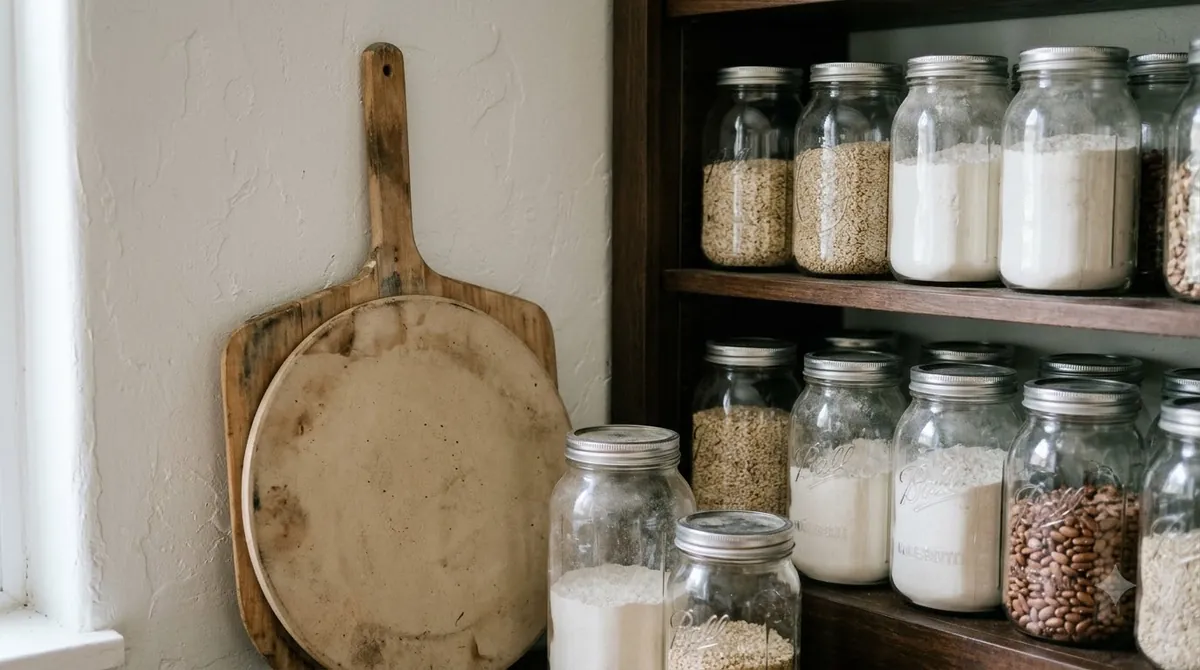

The answer to what is 00 flour is short: it is a very finely milled Italian wheat flour made mainly for pizza and pasta. The 00 describes how fine the flour is, not how much protein it holds. You may also see it labeled Tipo 00 or doppio zero, and both names mean the same flour.
The name comes from the milling grade, so it tells you about texture rather than gluten strength alone. Cooks choose it for thin, crisp pizza and tender pasta, and bread flour is a reasonable stand-in.
What Is 00 Flour, and Why Is It Called 00?
Italy grades flour by how finely it is milled, from 00 for the finest to 2 for the coarsest, so the 00 describes texture rather than protein.
Italian mills use a scale that runs through 0, 1 and 2, with 2 the coarsest. According to Fine Dining Lovers’ 00 flour guide, 00 is made only from refined grain with the bran and germ removed. The flour is milled repeatedly until it reaches a texture close to baby powder.
The grade tells you the grind. The protein number on the bag tells you the strength, and the two do not always move together. That is why a flour with a famous Italian name can still sit close to an American bread flour on paper.
Because the name describes the grind, the label often says more. According to Fine Dining Lovers, 00 flour is usually sold as “00 pasta flour” or “00 pizza flour,” since pizza dough needs more gluten than pasta. If you are still asking what is 00 flour in practical terms, read the label first and then match the bag to the job.
What Is 00 Flour vs Bread Flour?
00 flour and bread flour often have similar protein, but their gluten behaves differently in the dough.
To see what is 00 flour doing differently, start with the numbers. Fine Dining Lovers gives 12 to 13 percent protein for most 00 flours and 11 to 13 percent for bread flour, so the ranges overlap heavily. The difference is the gluten. The same source describes 00 gluten as strong but not very elastic, which suits a thin crust that stretches, while bread flour gluten is strong and elastic, which gives a chewy, bread-like base.
In a thin-crust trial, America’s Test Kitchen compared Caputo 00 Pizzeria, at 12.5 percent protein, with Gold Medal bread flour, at 12 percent. Both made airy, crisp pizza, but the 00 dough was much easier to stretch evenly. The authors credited the proprietary wheat blend. For a closer look at one brand, see Polselli Classica vs Caputo Pizzeria.
So if you are weighing what is 00 flour against a bag of bread flour, bread flour works as a substitute for pizza (see our pizza dough with bread flour guide), but expect a chewier, more bread-like crust than a true 00 base.
What Is 00 Flour Compared With All-Purpose Flour?
00 flour has more protein than typical cake flour and usually a little more than all-purpose flour, which changes how it behaves in pizza and pasta.
| Flour | Typical protein | How cooks use it |
|---|---|---|
| 00 flour | 12 to 13 percent | Thin pizza crust, fresh pasta |
| Bread flour | 11 to 13 percent | Chewy loaves and a chewier pizza base |
| All-purpose flour | 10 to 12 percent | Everyday baking and general cooking |
| Cake flour | 7 to 9 percent | Tender cakes and pastry |
| Semolina | Relatively high, from durum wheat | Shaped dried pasta |
Cake flour and pastry flour are poor stand-ins for 00 flour. Their lower protein gives a softer structure that will not hold a thin, stretched pizza base well, so keep them for baking.
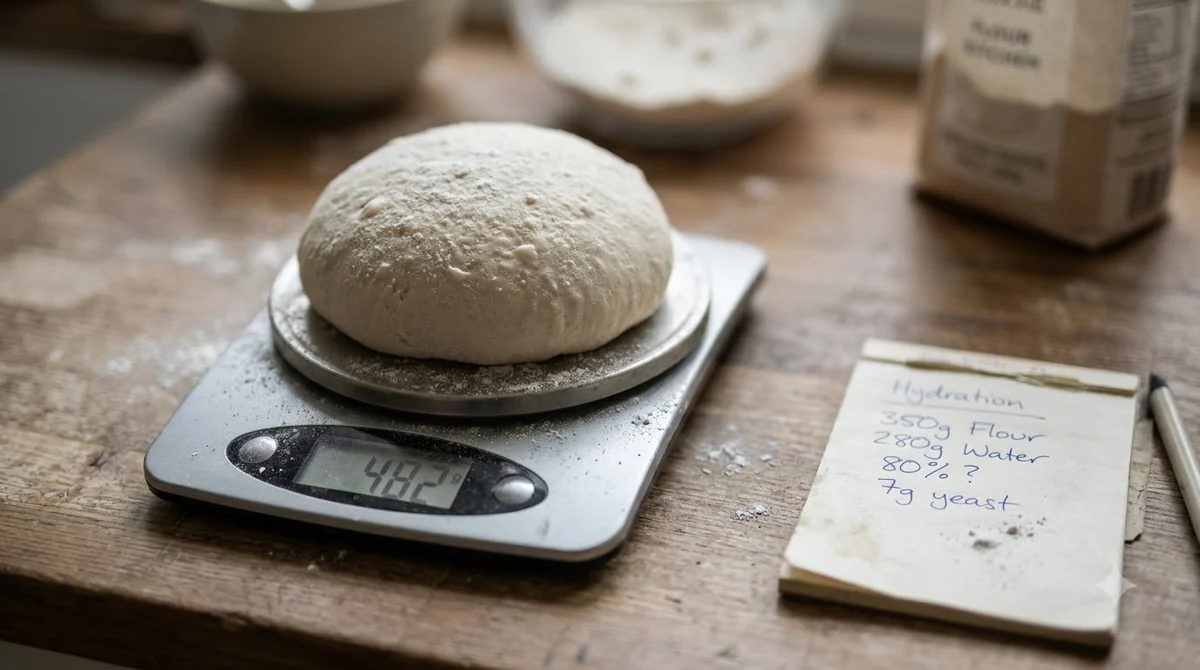
Semolina vs Durum Flour
Semolina and durum flour both come from durum wheat, and the main difference is grind size, with semolina coarser than durum flour.
According to America’s Test Kitchen’s pasta terms guide, semolina is ground somewhat coarsely, while durum wheat flour is more finely ground. Durum is a hard winter wheat with a relatively high protein content, which is why both suit pasta.
For dried pasta, the same guide recommends sticking with pasta made from 100 percent durum semolina. It notes that durum flour is sometimes used because it costs less, and that it can leave cooked pasta with a gummy texture.
When people ask what is 00 flour compared with semolina, the honest answer is that they are not interchangeable. 00 is a soft, finely milled flour for doughs you stretch or roll, while semolina is coarse and gives dried shapes their bite (our guide to what is bronze cut pasta covers how dried shapes are made). If a recipe calls for semolina, do not swap in 00 and expect the same texture.
High Protein Flour for Pizza
A high protein flour for pizza sits around 12 to 13 percent protein, and Caputo 00 Pizzeria tested at 12.5 percent in America’s Test Kitchen’s comparison.
The protein figure on the nutrition panel is the easiest way to compare bags. Most 00 flours fall between 12 and 13 percent, so a bag in that range is a sound choice for a crisp, thin pizza. Go higher only if you want a chewier base, and pick a lower bag for a softer, more tender crust.
Many US bags do not print a W rating, the strength number Italian bakers often use, so the protein number is the practical guide.
The crust style matters too. Fine Dining Lovers calls 00 flour the gold standard for pasta and pizza bases, and says it makes the traditional thin and crispy Neapolitan crust. A stronger all-purpose flour is another option the same source suggests, though it will give a less delicate base.
What Is 00 Flour Good for at Home?
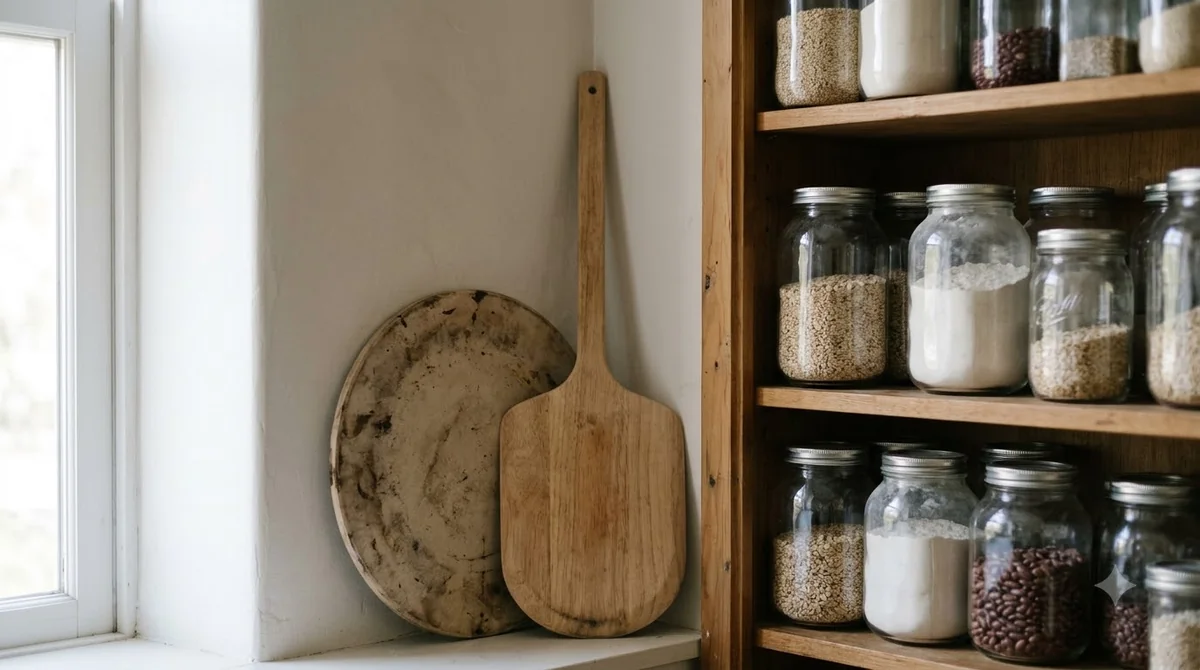
Use 00 flour for a thin, crisp pizza base or tender fresh pasta, and adjust water by feel because hydration differs from bread flour. Our fresh egg pasta dough and Neapolitan pizza dough with 00 flour show both uses.
The stretch is where 00 earns its place, and it is the main reason cooks keep a bag at home. In the America’s Test Kitchen trial, the 00 dough was much easier to stretch evenly than the bread flour dough, which matters when you want an even base without thin spots.
Once you know what is 00 flour, remember that hydration is not identical across flours, so hold back a little water at first. Fine Dining Lovers advises adding the water very slowly and stopping when the dough reaches the consistency you want, and notes that you will likely need less water than you expect. A recipe written for bread flour may need that adjustment when you switch.
Bake quickly at very high heat. The same guide says the crust should cook fast at extremely high temperatures, and it points to a wood-fired oven or a very hot cast iron skillet as the closest home option.
If you cannot find 00 flour, Fine Dining Lovers names bread flour as a good match, at about 11 to 13 percent protein. It also warns against cake or pastry flour and states that no flour can fully copy the qualities of 00 flour. That makes bread flour the closest everyday swap.
If you bake soft sandwich bread most of the time, bread flour or all-purpose flour is the simpler choice. 00 suits people who make thin pizza or fresh pasta on a regular basis.
Frequently Asked Questions
What is 00 flour used for?
00 flour is used mainly for pizza and pasta. Fine Dining Lovers describes it as the gold standard for pasta and pizza bases, and it is the usual choice for a Neapolitan-style crust and for fresh pasta that will not tear when rolled thin.
What is 00 flour and is it the same as all-purpose flour?
No. Most 00 flours run 12 to 13 percent protein, compared with 10 to 12 percent for all-purpose flour, according to Fine Dining Lovers. The gap is small, but the finer grind still changes how the dough feels.
Can I use bread flour instead of 00 flour?
Yes, bread flour is the closest common substitute. America’s Test Kitchen found its pizza airy and crisp, though the dough was harder to stretch evenly. Expect a chewier crust.
What is 00 flour and does it have more protein than regular flour?
Usually a little more. Most 00 flours run 12 to 13 percent protein, while all-purpose flour runs 10 to 12 percent. The 00 name refers to the milling grade, so check the protein on the label for the exact number.
What is 00 flour compared with semolina?
They are not the same. Semolina is coarsely ground durum wheat, while 00 is a finely milled flour. Use semolina for shaped dried pasta and 00 for doughs you stretch or roll.
Where should I look for 00 flour on the label?
When you check what is 00 flour on a shelf, look for Tipo 00 or doppio zero, which are two names for the same grade. Then compare the protein number on the nutrition panel to choose between bags.
If you bake pizza or fresh pasta often, 00 flour is worth keeping in the pantry, and knowing what is 00 flour makes that choice easier. Our Polselli 00 flour review shows how one bag performs. Start with a bag in the 12 to 13 percent protein range, and keep bread flour on hand for loaves, since it works in a pinch for pizza.