

A gluten free pizza dough is a dough made from gluten-free flours instead of wheat flour. It usually combines rice flour and starches with xanthan gum and yeast, then rises and bakes into a crust you shape by hand. Most recipes make two large or three small pizzas.
Choose a recipe with xanthan gum, because gluten-free flour has no gluten to hold the dough together. For a wheat-based dough, see a bread flour dough or the whole wheat pizza dough guide. If you cook for someone with celiac disease, use a certified gluten-free flour and a clean kitchen.
What Goes Into Gluten Free Pizza Dough
A gluten free pizza dough built on the Bob’s Red Mill recipe uses 1 cup of white rice flour and 1 1/2 teaspoons of xanthan gum for each batch. The recipe makes 2 large or 3 small pizzas, and it lists the full set of dry and wet ingredients below.
Rice flour is the base of this gluten free pizza dough recipe. Potato starch and corn starch lighten the texture, and garbanzo bean flour adds a second flour to the mix. Bob’s Red Mill lists these dry ingredients, along with sugar, instant yeast, baking powder and salt, before any liquid goes in.
- 1 cup white rice flour, 1/2 cup potato starch, 1/4 cup corn starch, 1/4 cup garbanzo bean flour
- 2 Tbsp sugar, 1 Tbsp instant yeast, 2 tsp baking powder, 1/2 tsp salt
- 1 1/2 tsp xanthan gum
- 2 eggs, 2 Tbsp olive oil, 2 Tbsp apple cider vinegar
- 1/2 to 3/4 cup water, added in stages
Xanthan gum does the job that gluten does in wheat dough. It gives the dough stretch and helps it hold together when you shape it. Without it, a gluten-free dough has nothing to bind the flours, which is why the Bob’s Red Mill recipe lists it.
Ready-made gluten-free flour blends are another option. Ooni’s gluten free recipe uses Caputo Fioreglut, a flour the page describes as certified gluten-free, and makes three 16 inch pizzas or four 12 inch dough balls. If you switch to a different gluten-free flour, Ooni notes that you may need to change the amounts of water, yeast or olive oil.
How to Make Gluten Free Pizza Dough Step by Step
Mix the dry ingredients, add the wet ones, then let the dough rest for 30 minutes to 1 hour before you shape it.
- Mix the dry ingredients in a large bowl, from the rice flour through the salt.
- Add the olive oil, vinegar, eggs and 1/2 cup of water. Mix by hand or with a mixer’s hook attachment.
- Check the texture. The dough should be slightly wet, so add a little more water if it feels dry.
- Let it rise for 30 minutes to 1 hour. The dough can be used after 15 minutes if you are short on time.
Yes, this gluten free pizza dough needs a rise. The Bob’s Red Mill recipe gives a rest of 30 minutes to 1 hour, which lets the yeast raise the dough before you shape it.
Not every gluten free recipe uses yeast. Quick versions use baking powder and skip the yeast rise. Check the leavening in any recipe before you plan your timing.
Baking Temperature and Timing for Gluten Free Crust
Preheat the oven to 425°F, bake the shaped base for 5 to 7 minutes until set, then bake the topped pizza for 15 to 20 minutes. The Bob’s Red Mill recipe gives these times, and they are the reference point for a home oven.
Line a baking sheet with parchment before you shape the dough, as the recipe directs. Shape the gluten free pizza dough on the parchment with wet hands and spread it thin. The recipe notes that the dough does rise a bit when it bakes, so a thin base keeps the finished crust from getting too thick in the middle.
- Preheat the oven to 425°F with the parchment-lined sheet ready.
- Pre-bake the base for 5 to 7 minutes, until it is set but not browned.
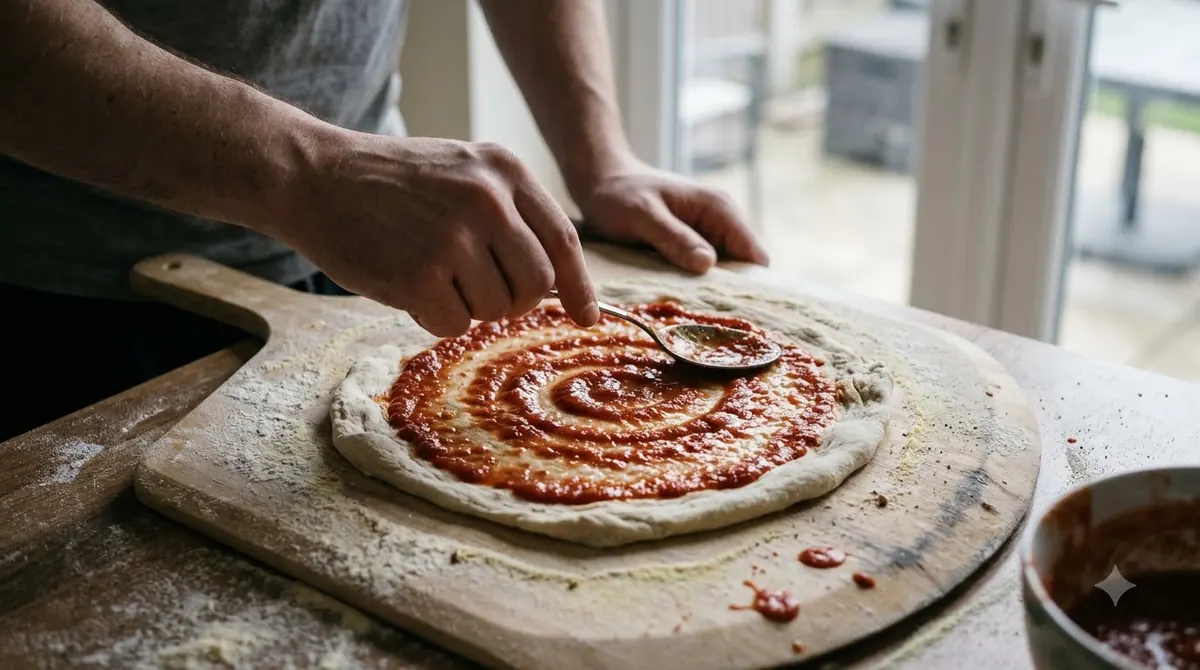
- Add the sauce, such as a homemade marinara sauce, then the cheese and toppings.
- Bake for another 15 to 20 minutes, until the crust is golden and the cheese has melted.
These times come from one recipe, so treat them as a starting point. Ovens vary, so check the crust during the final bake and use the golden color as your guide. The same timing applies to any gluten free pizza dough made with this recipe, so keep a note of your own oven results for the next batch. For the general steps of shaping, topping and baking any home pizza, step-by-step pizza guide is a useful companion.
Avoiding Cross-Contamination in Your Kitchen
Clean your kitchen, oven and utensils before you start, because a shared surface can put gluten back into a dough you intended to keep gluten free. Ooni’s gluten free recipe says the kitchen, oven and utensils must be completely free of gluten to prevent cross-contamination.
The ingredients need the same care as the workspace, so check each item that goes into your gluten free pizza dough. Ooni also warns that some dried yeasts contain gluten, so read the label of the yeast before you buy it. Flour labeled certified gluten-free is the starting point for a gluten free dough.
- Buy a flour that is labeled certified gluten-free.
- Read the label on the dried yeast and any toppings.
- Use bowls, spoons and boards that have not touched wheat flour.
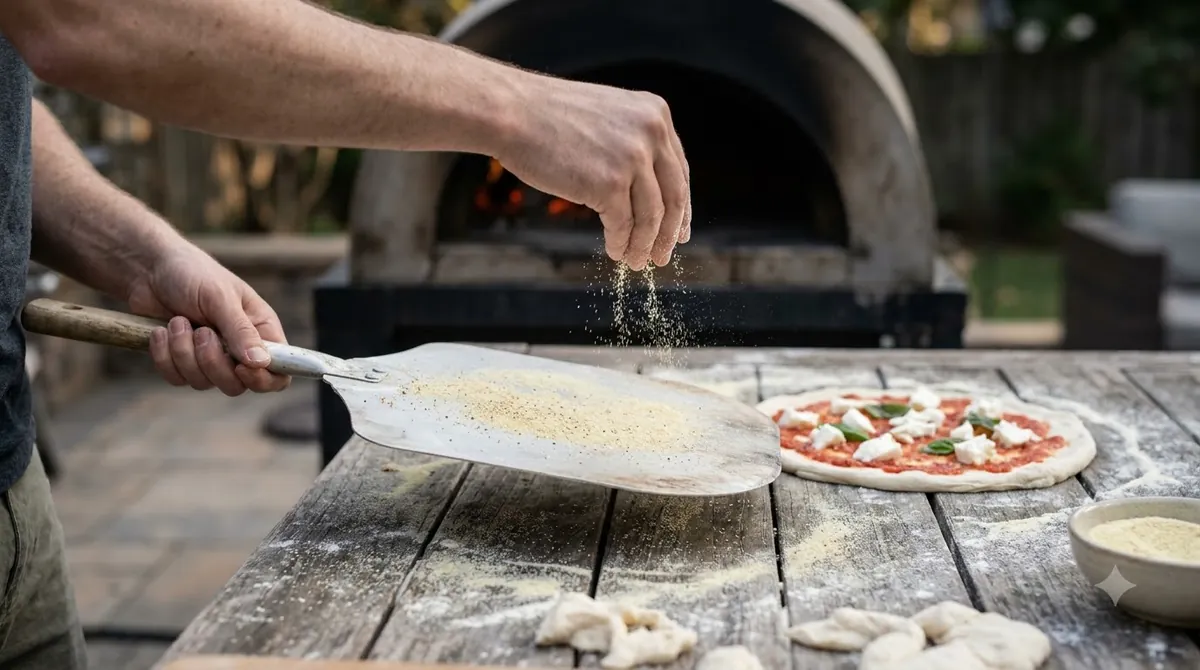
- Dust the peel with rice flour or a certified gluten-free flour, never with wheat flour or semolina, because semolina is made from durum wheat and contains gluten.
- Wash the oven peel and the sheet before you start, and clean any pizza stone as described in this pizza stone cleaning guide.
A recipe cannot guarantee a safe result on its own. If you cook for someone with celiac disease, follow the advice of your doctor or dietitian on what foods are safe for that person.
Using Gluten Free Pizza Dough in an Ooni Oven
Ooni publishes its own gluten free pizza dough recipe, which makes three 16 inch pizzas or four 12 inch dough balls, with a total prep time of 2 hours 25 minutes. Plan your batch around that yield before you start mixing, and check that your oven fits the size, for example with the Ooni Koda 16 dimensions guide.
The sources reviewed give no bake temperature for this dough in an Ooni oven, so follow the guidance for your own Ooni model, and see the general heat ranges for general heat ranges.
The flour matters most for any gluten free pizza dough, since it sets the texture of the crust. Ooni’s recipe uses a certified gluten-free flour, and it notes that a different flour may need changes in water, yeast or olive oil. If the dough feels too wet or too dry, change the water in small amounts and check the texture before you shape it.
Frequently Asked Questions
Can I make gluten free pizza dough without yeast?
Yes. Quick versions use baking powder instead of yeast, so they skip the yeast rise. Check the recipe for its own timing, because each one differs.
How long should gluten free pizza dough rest?
The Bob’s Red Mill recipe gives a rest of 30 minutes to 1 hour, and says the dough can be used after 15 minutes. Use the rest the recipe gives, and check the dough texture before you shape it.
Why does gluten free pizza dough need xanthan gum?
Xanthan gum takes the place of gluten, which gives wheat dough its stretch and structure, so a gluten free pizza dough needs it to hold together. The Bob’s Red Mill recipe uses 1 1/2 teaspoons per batch, so follow the amount your own recipe lists.
What temperature should I bake gluten free pizza at?
Bob’s Red Mill preheats the oven to 425°F, bakes the base for 5 to 7 minutes before topping, then bakes the finished pizza for 15 to 20 minutes more. The base should be set but not browned at the first stage.
Is gluten free pizza dough safe for celiac disease?
It can be, if the flour is certified gluten-free, the yeast label is checked and the kitchen and utensils are clean. A recipe alone cannot guarantee safety, so follow the advice of your doctor or dietitian.
Does changing the flour change the recipe?
Yes. Ooni notes that a different gluten-free flour may need different amounts of water, yeast or olive oil. Make small changes to the water first and check the texture before you shape the dough.
Pick a gluten free pizza dough recipe that lists xanthan gum and a clear rise or rest time, then check every label before you bake. If you want exact quantities and a 425°F bake, start with the Bob’s Red Mill recipe and adjust from there, one change at a time.