
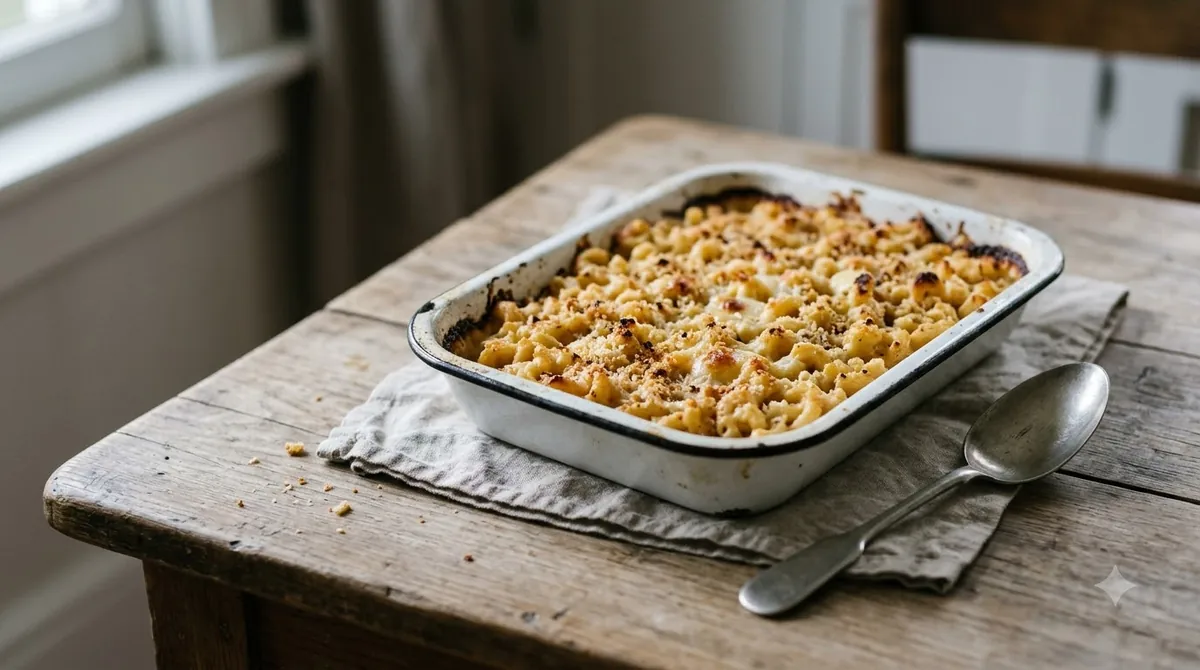

Asking what is manicotti usually gets one answer: large, hollow pasta tubes that are stuffed, covered with sauce and baked. The word also names the finished dish, which sources describe as Italian-American.
Most versions use a ricotta filling and a tomato-based sauce. Sources differ on what is manicotti compared with cannelloni and on boiling time, so check your package for timing.
What Is Manicotti and Where the Name Comes From
What is manicotti? It is a large tube-shaped pasta that is stuffed, covered with sauce and baked, and the name also refers to that finished dish.
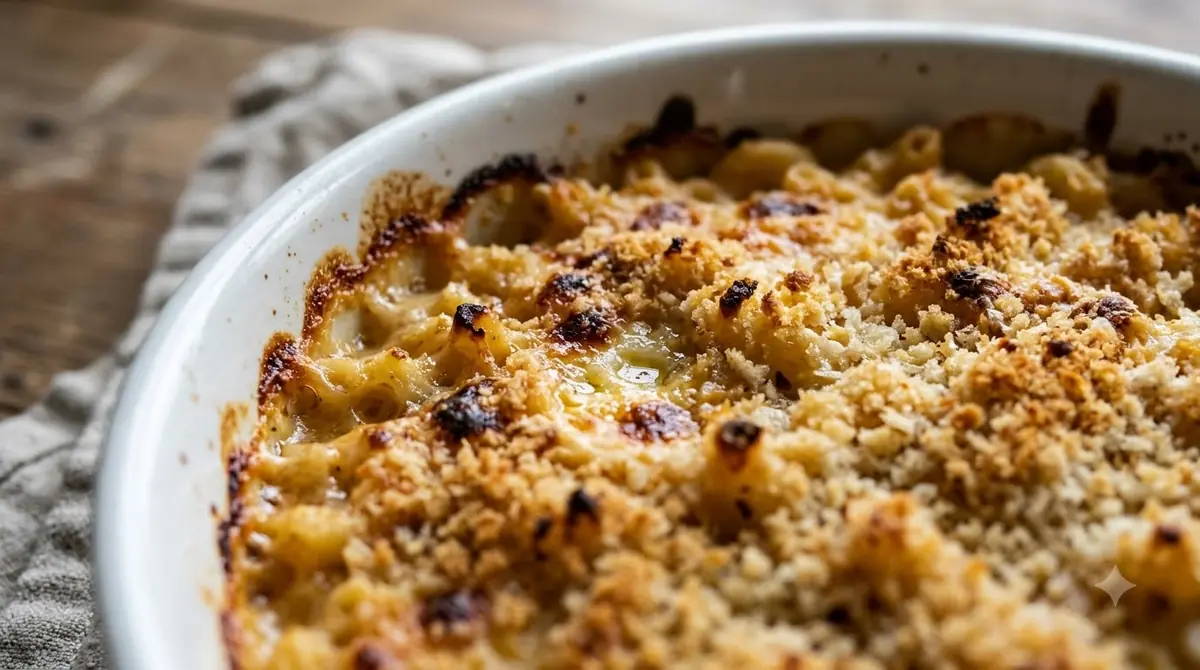
Understanding what is manicotti also means understanding its name. The word comes from Italian. According to Wikipedia’s manicotti entry, it is the plural of manicotto, built from manica, meaning sleeve, plus the suffix -otto.
Sources describe manicotti as an Italian-American dish. An older tradition used crespelle, which are Italian crêpes, in place of dried tubes, and dried tubes have since become more common.
Because the dish is baked, the pasta, filling and sauce all heat together. According to DeLallo, heating those three parts is the main purpose of the bake. Anyone asking what is manicotti on a restaurant menu is asking about this baked, sauce-covered style of dish.
What Is Manicotti Compared With Cannelloni?
Manicotti and cannelloni are close relatives, and the main visible difference is shape: manicotti is usually ridged and cut on a diagonal. Unlike small stuffed pastas such as tortellini, both are large tubes that are filled and then baked under sauce.
DeLallo, a pasta brand, describes the two as essentially the same pasta. The name depends on country, with manicotti used in the U.S. and cannelloni in Italy. Wikipedia does not compare the two, so what is manicotti next to cannelloni comes down to the details below.
| Feature | Manicotti | Cannelloni |
|---|---|---|
| Surface | Often ridged | Usually smooth |
| Cut | Often diagonal | Usually straight |
| Common name | U.S. | Italy |
Size is the other clue. DeLallo says manicotti is several times bigger than ziti pasta and looks almost like giant penne pasta, but it gives no exact dimensions. Cook’s Info gives one example size of 2.5 cm by 10 cm, or 1 inch by 4 inch.
Ridges are more than a cosmetic detail. Cook’s Info says the ridged outsides of pre-formed tubes catch and hold onto sauce. Telling them apart is mostly a shopping question, because the name on the package depends on the country.
What Is Manicotti Filled With, and What Sauce to Use?
Classic manicotti is filled with ricotta, often mixed with spinach, and topped with a tomato-based sauce. Meat, béchamel, ragù and pesto are common alternatives.
Fillings
Wikipedia says the filling is generally ricotta cheese mixed with chopped parsley, and possibly ground meat such as veal. DeLallo adds ground beef, vegetables, chicken and seafood as other options. DeLallo also calls ricotta with spinach a popular choice, so that pairing is a sensible place to start.
| Filling | Common use |
|---|---|
| Ricotta with parsley | The generally described classic |
| Ricotta with spinach | A popular pairing, according to DeLallo |
| Ground meat or veal | A meat option named by Wikipedia |
| Chicken or seafood | Other options listed by DeLallo |
Both Wikipedia and DeLallo name ground meat, so a meat filling is a well-sourced alternative to ricotta. The exact meat is up to you, since the sources list beef, veal and chicken without ranking them.
Sauces
Cook’s Info describes tomato as the usual base, and DeLallo calls simple marinara sauce the most popular choice. Béchamel, ragù and pesto are also used, and DeLallo notes that some cooks layer two sauces. Ragù is a meat sauce, so it pairs naturally with a meat filling. The sauce is part of the dish, since Cook’s Info describes manicotti as stuffed, covered with a sauce, and baked.
How Manicotti Is Made at Home
Boil dried tubes in well-salted water until just flexible, drain and dry them, fill them after boiling, then bake them uncovered. The sources give different boil times, so use the range below.
- Boil the tubes in well-salted water. Cook’s Info gives about 5 minutes, or until just flexible, while DeLallo gives 7 to 8 minutes.
- Drain them thoroughly and spread them on a towel so they do not stick.
- Fill the tubes after boiling, not before, because filling added first can wash out.
- Stuff each tube through either end with a piping bag or a spoon.
- Bake uncovered, since the bake mainly heats the filling, pasta and sauce.
Drying matters because, according to DeLallo, the towel keeps the pasta from sticking. Filling order matters just as much, since filling added before boiling can wash out. These are the two steps most worth getting right.
Cook’s Info also notes that a pressure cooker on high takes about 3 minutes for dried tubes, followed by a natural release. None of the sources used here gives an oven temperature or bake time, so check the temperature in your own recipe and make sure the filling is hot all the way through.
What Is Manicotti Made Of When You Make It From Scratch?
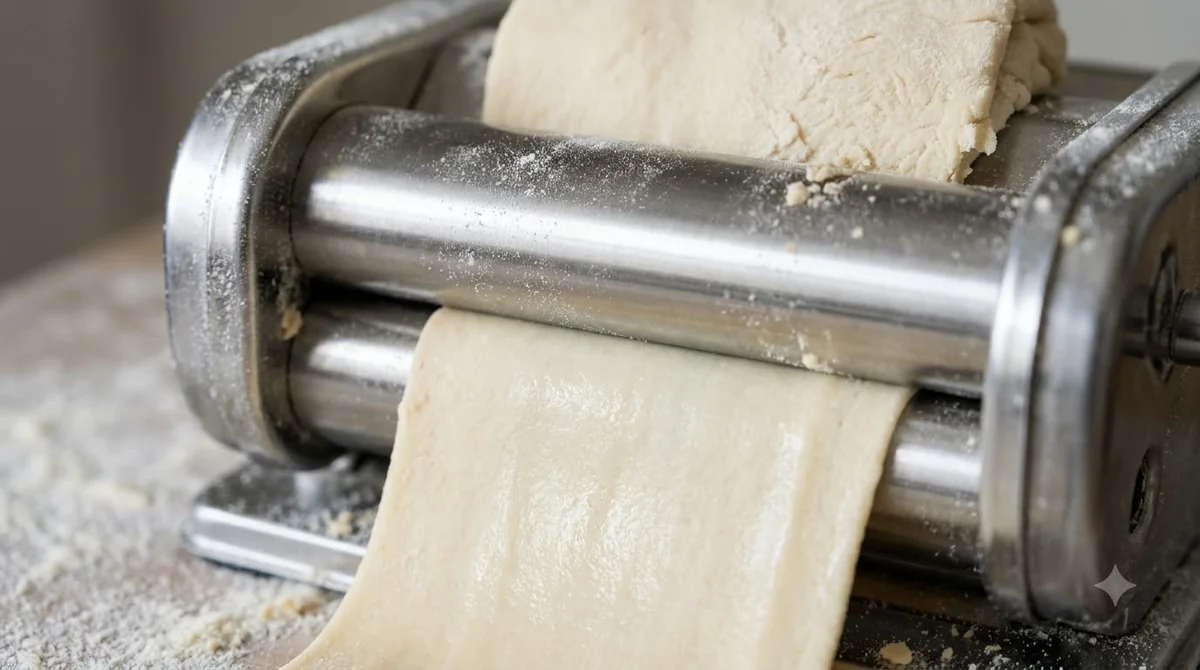
Homemade manicotti starts with either pre-formed tubes or flat pasta strips shaped into tubes, according to Cook’s Info.
- Pre-formed tubes are ready to stuff, and their ridged outsides help them catch and hold sauce.
- Flat strips can be shaped into tubes when you want to make the pasta yourself.
- Cook’s Info lists 14 uncooked, unstuffed tubes at 250 g in total, or about 18 g each, which helps with portion planning.
The sources used for this article do not include a dough formula, so no flour or water ratios appear here. Use a trusted dough recipe and keep the same stuffing and baking steps.
Pre-formed tubes are the simplest starting point, because their ridges are already formed and you only need to fill and bake. Shaping flat strips takes more work but lets you decide the tube size. Store-bought and homemade tubes both end at the same fill-and-bake step, so the instructions above apply to either. Once you know what is manicotti, other baked stuffed pastas are easy to explore: jumbo shells are another shape made for stuffing, and the guide on how to make lasagna shows how layered baked pasta comes together.
Frequently Asked Questions
What is manicotti, and is it the same as cannelloni?
They are very close, and DeLallo calls them essentially the same pasta. Manicotti is usually ridged and cut on a diagonal, while cannelloni is usually smooth with straight cuts. The name you hear depends on country: manicotti in the U.S. and cannelloni in Italy.
Do you need to cook manicotti before filling it?
Yes, boil the dried tubes first, drain them and dry them on a towel. DeLallo says to fill them after boiling, because filling added before boiling can wash out. Stuff the tubes through either end with a piping bag or a spoon.
What is manicotti usually filled with?
Ricotta is the classic choice, and Wikipedia says it is generally mixed with chopped parsley. Spinach is often added, and ground meat such as veal is a common option. DeLallo also lists ground beef, vegetables, chicken and seafood as other fillings.
Is tomato sauce the only option for manicotti?
No. The sauce is a choice rather than a rule. DeLallo says simple marinara is the most popular choice, but béchamel, ragù and pesto also work well and some cooks layer two sauces. Cook’s Info describes tomato as the usual base and lists béchamel as another popular choice.
How long should manicotti boil?
The sources give different times. Cook’s Info says about 5 minutes in salted water, or until just flexible, while DeLallo gives 7 to 8 minutes. Check the package instructions for your brand before you start, and use the time that matches your pasta.
What is manicotti when it is made with crêpes instead of tubes?
Wikipedia describes an older Italian-American tradition that used crespelle, which are Italian crêpes, instead of dried tubes. Dried tubes have since become more common.
What temperature should manicotti bake at?
None of the sources used for this article gives an oven temperature or bake time. Follow the temperature in your recipe, and check that the filling is hot all the way through before you serve it.
If you are learning what is manicotti for the first time, start with the classic ricotta and marinara version, then try a meat filling with béchamel or ragù once you know the basics. Check your package for boil time, fill the tubes after boiling, and confirm the baking temperature in your recipe before you bake.