

When you compare agnolotti vs ravioli, the main differences are shape, sealing and filling. The Pasta Project calls the two practically identical, and the names are often used loosely. Ravioli is the broad name for filled pasta, while agnolotti pasta is a specific style from Piedmont, Italy.
If you are choosing between agnolotti vs ravioli for a recipe, start with the filling. The filling tells you more than the name, and it decides which shape and cooking method make sense.
| Pick | Best for | Key fact |
|---|---|---|
| Agnolotti | Braised or roasted meat and vegetable fillings | Traditionally square, about 1 to 2 inches per side |
| Ravioli | Ricotta, cheese and regional fillings | Commonly square, though round and half-moon versions also exist |
How Agnolotti and Ravioli Are Shaped
In the agnolotti vs ravioli shape question, agnolotti are small pieces of flattened dough folded over a filling, while ravioli are commonly square but also come round or half-moon.
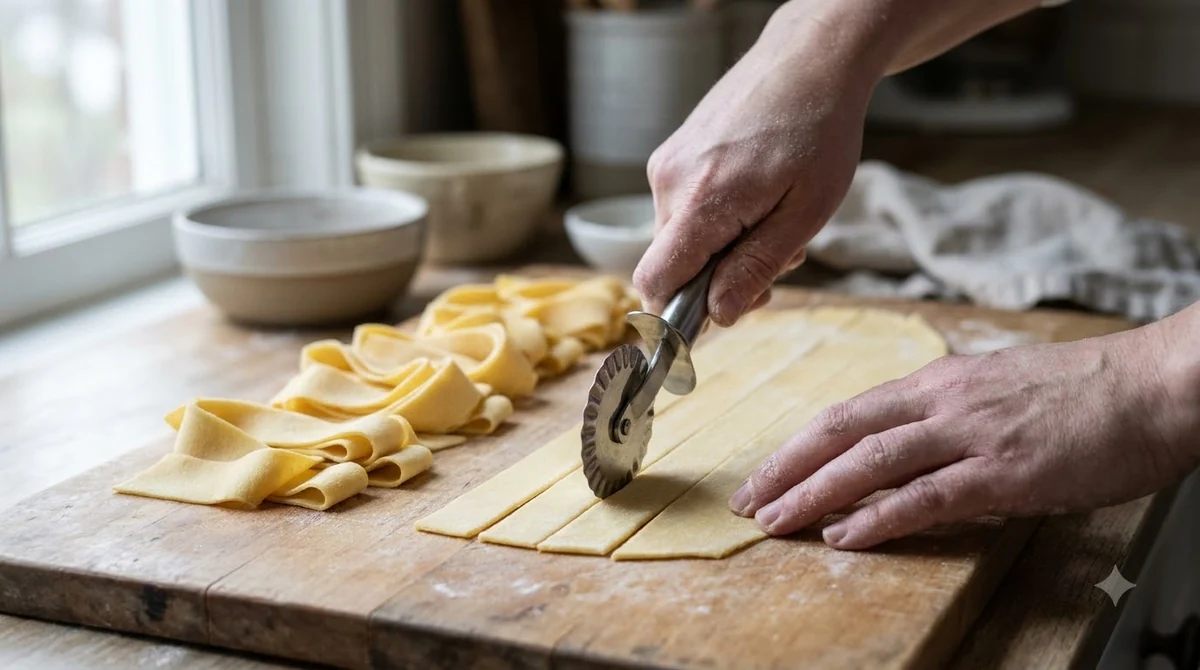
According to Wikipedia’s agnolotti entry, the pasta is made from flattened dough folded over a filling, and traditional squares measure about 1 to 2 inches per side. The same page says they were originally semicircular before the square became traditional, and The Pasta Project adds that agnolotti are usually small squares.
Ravioli are a looser category. According to The Pasta Project, Italians make rectangular, round and half-moon ravioli and still call them ravioli. The square shape is common but not required, so shape alone rarely settles the question. For agnolotti vs ravioli, shape is the first thing to check, but it is not the only test.
Agnolotti del plin is a different case. It is a smaller rectangular version, and each piece is closed by pinching the dough between each mound of filling with a thumb and forefinger. The name comes from the Piedmontese word for pinch, and The Pasta Project notes that these are pinched at both ends.
Fillings and What Goes Inside
In agnolotti vs ravioli fillings, agnolotti are traditionally filled with roasted or braised meat, or with vegetables, while ravioli fillings vary much more from region to region.
Wikipedia describes two traditional kinds of agnolotti: di grasso with meat and di magro with vegetables. Robiola cheese is another popular filling in Piedmont, and agnolotti del plin is almost always meat-filled. The same article also notes a version from the Monferrato area that uses donkey meat, which shows how local the fillings can be.
The Pasta Project’s Piedmontese filling combines two to four meats, braised or pot-roasted, with greens such as spinach or chard, plus Parmigiano, egg and nutmeg. Its recipe card takes a shortcut with 7 oz of ground pork leg and 7 oz of ground veal shoulder or ground beef, which is easier than braising separate cuts.
Ravioli fillings follow local tradition. Wikipedia’s ravioli entry lists ricotta, spinach, nutmeg and black pepper in Rome and Latium, ricotta with grated lemon rind in Sardinia, and leftover daube meat in Nice and the Côte d’Azur. Cyprus uses halloumi.
The filling also sets the cooking plan. The fillings described for agnolotti are cooked first, often by braising or roasting, so plan that step before you shape the dough. In an agnolotti vs ravioli choice, the filling is the clue that matters most.
Agnolotti vs Ravioli: Side-by-Side Comparison
Comparing agnolotti vs ravioli on five criteria shows that shape, size, seal and filling set them apart, while origin explains the names.
| Criterion | Agnolotti | Ravioli |
|---|---|---|
| Shape | Traditionally square; agnolotti del plin is rectangular | Commonly square; round and half-moon versions also exist |
| Size | About 1 to 2 inches per side for traditional squares | Varies by recipe; The Pasta Project’s ravioli mold makes 2.5 cm squares |
| Seal | Folded over the filling; the plin style is pinched | Sealed around the filling; the mold method uses two sheets |
| Filling | Roasted or braised meat, or vegetables, often with robiola or Parmigiano | Ricotta, spinach, halloumi or leftover meat, varying by region |
| Origin | Piedmont, Italy | Italy, with many regional versions |
Use this agnolotti vs ravioli table as a checklist rather than a rulebook. Names overlap in practice, as The Pasta Project’s comparison shows. The seal and the filling are the most reliable clues when you read a menu or a recipe.
Where Agnolotti Come From
The agnolotti vs ravioli story starts in Piedmont, where agnolotti are a traditional pasta and their name is linked to a legend about a cook called Angelot from Monferrato.
Wikipedia’s Piedmontese cuisine article describes agnolotti as one of the region’s best-known dishes and the most typical Piedmont pasta.
The origin story is a legend, not a documented record. The name may come from a cook called Angiolino, or Angelot, from Monferrato, who is said to have invented the recipe. Treat it as a good story rather than a verified fact about the dish. Knowing that origin helps when you decide between agnolotti vs ravioli on a menu.
The word plin is Piedmontese for pinch, and it names the sealing technique used for agnolotti del plin. If you like comparing filled shapes, see cappelletti vs tortellini. Do not confuse the Piedmont pasta with agnolotti pavesi, the stuffed pasta typical of Oltrepò Pavese, which Wikipedia lists on a separate page.
Making Them at Home
For either agnolotti vs ravioli, The Pasta Project’s dough uses soft wheat flour, eggs, a little olive oil and salt, and its ravioli mold uses two sheets for 24 pieces.
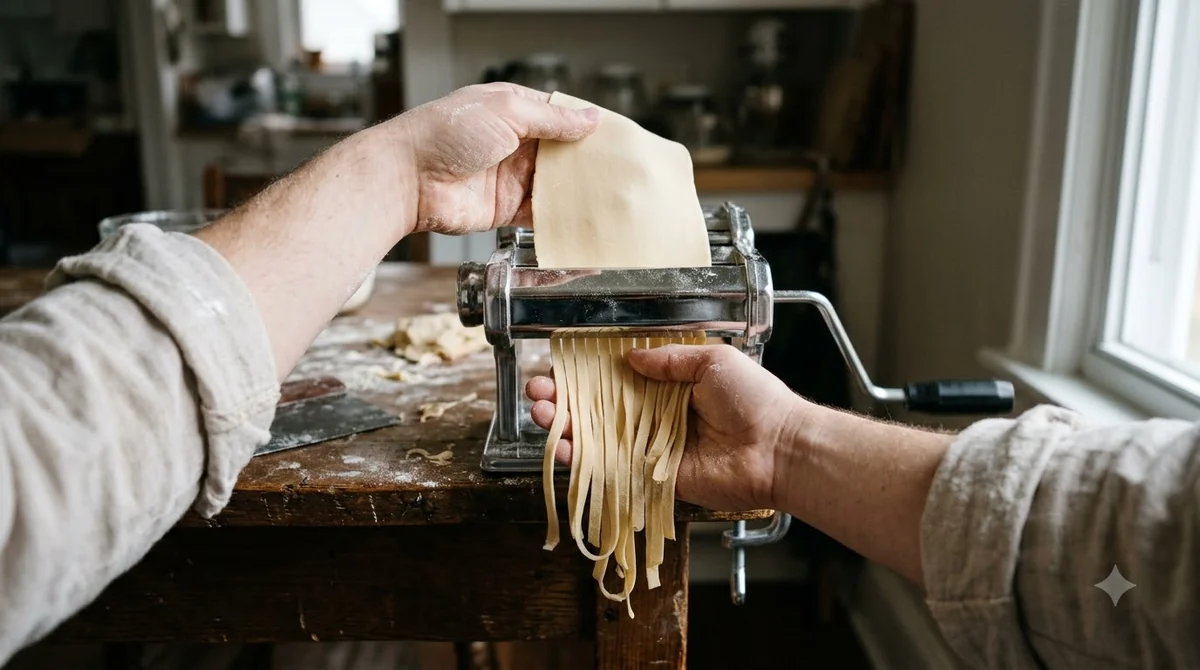
The Pasta Project uses 300 g (10.5 oz) of flour with 3 large eggs for its blog dough, which yields about 90 small pieces. Its recipe card lists the same flour weight and adds a little olive oil and a pinch of salt. For a plainer base, see our fresh pasta dough recipe.
- Knead the dough for 7 to 10 minutes, then rest it for 30 minutes.
- Cut off about a quarter of the dough at a time, and keep the rest wrapped so it does not dry out.
- Flatten the piece and pass it through the pasta machine at its widest setting.
- Fold the sheet into thirds and pass it through the widest setting twice more.
- Pass the sheet through the next two to three thinner settings.
For a mold, use 1 to 2 teaspoons of filling per depression and cook the pieces for about 5 minutes in boiling broth. The recipe card serves four, and the blog says a serving of small filled pasta is traditionally about 20 to 24 pieces per person.
Handmade is only one path, and our homemade ravioli guide covers the full routine. Wikipedia’s ravioli entry notes that traditional ravioli are made at home, while modern ravioli are also mass-produced by machine. Either way, the filling and the seal decide how the finished piece looks on the plate.
Which One to Choose for Your Recipe
When choosing between agnolotti vs ravioli, pick the filling first, then the shape that suits it.
- Choose agnolotti if your filling is braised or roasted meat or vegetables with greens.
- Choose agnolotti del plin if you want the small rectangular, pinched shape from Piedmont.
- Choose ravioli if you want a ricotta or cheese filling, or a regional style such as halloumi.
- Choose ravioli if you want round or half-moon shapes, which ravioli also use.
- Check the filling on the menu or label, since the name is used loosely.
Serving is another clue, and tortelloni vs tortellini is another pair of similar filled pastas to compare. Wikipedia’s ravioli entry says ravioli are usually served in broth or with a sauce, so check how a dish is described before you settle an agnolotti vs ravioli question. This rule has limits. Regional habits and individual cooks use the names differently, so the ingredient list is a more reliable guide than the name on the menu.
Frequently Asked Questions
Agnolotti vs ravioli: are they the same thing?
They are closely related stuffed pastas, and The Pasta Project calls them practically identical. The shape and filling usually differ between versions, so the name alone does not tell you what you are getting.
In agnolotti vs ravioli, are agnolotti always square?
No. Wikipedia describes traditional agnolotti as square, about 1 to 2 inches per side, but The Pasta Project notes they were once made round. Agnolotti del plin is a smaller rectangular version pinched at both ends.
Do agnolotti always contain meat?
No. Wikipedia lists traditional agnolotti in meat (di grasso) and vegetable (di magro) versions. Agnolotti del plin is almost always meat-filled, and robiola cheese is another popular filling in Piedmont.
How many pieces does one batch make?
The Pasta Project’s blog recipe uses 300 g of flour and 3 large eggs and yields about 90 small pieces. Its recipe card lists 24 pieces of 2.5 cm squares per mold. The count depends on the size you cut or stamp, so check your own mold before you start.
Is agnolotti del plin the same as agnolotti pavesi?
No. Agnolotti del plin is a Piedmont pasta pinched at the seal, while Wikipedia points to agnolotti pavesi, covered on its own page, as the stuffed pasta typical of Oltrepò Pavese. Check the regional name on the label or menu to know which one you are getting.
Agnolotti vs ravioli is less about the name than about what goes inside, so do not expect a clean rule from the name alone. Start with the filling you want, then pick the shape that suits it. A braised meat filling points toward agnolotti, while a cheese filling points toward ravioli.