
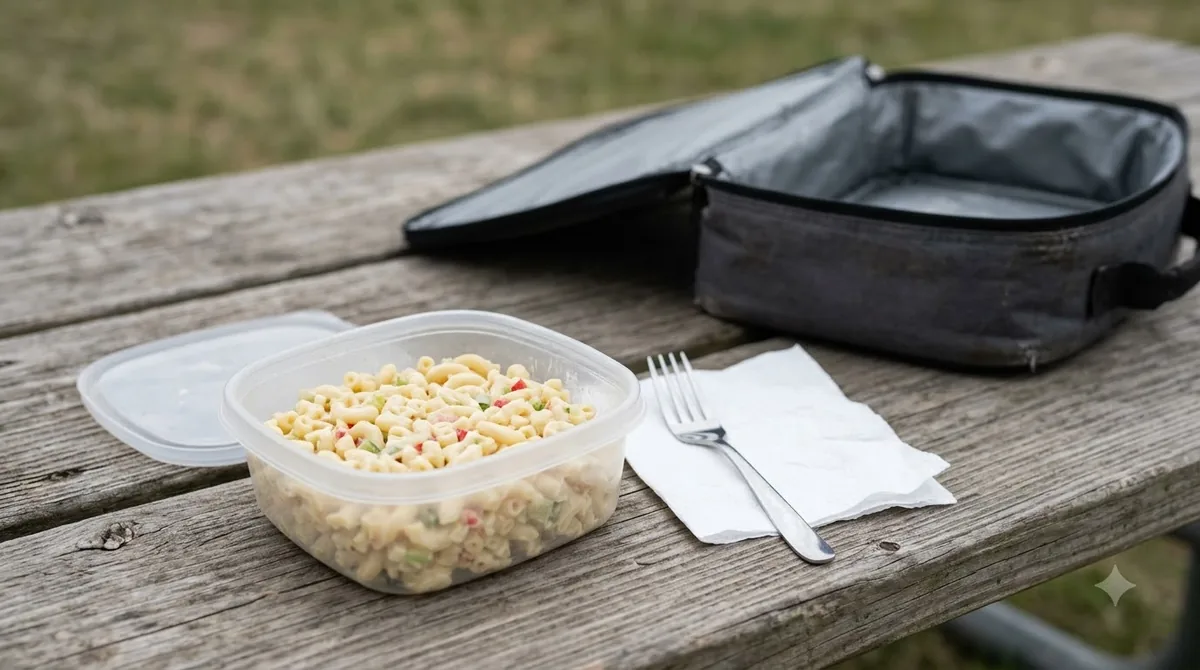

Acini di pepe pasta is a tiny Italian pasta made from semolina and water, shaped as small round beads about 1 mm or less in each dimension. The name means “seeds of pepper,” and cooks use it mainly in broth and in cold pasta salads. Its small size lets it spread evenly through every spoonful of soup.
What Is Acini di Pepe Pasta?
Acini di pepe pasta is a traditional Italian shape, often grouped with pastina, the family of very small pasta used in soups for children and adults alike. The name translates literally as “seeds of pepper,” and the pasta is sold in most US grocery stores under the same Italian name.
The name of acini di pepe pasta has two parts. “Acini” is the plural of “acino,” a word for a grape or berry, and “pepe” means pepper. Some cooks translate the whole name as “pepper berries,” which fits the look of the pasta on a spoon. Wikipedia lists pastina as the usual alternate name, and it notes that some pasta makers treat pastina as an even smaller shape.
Size is the detail most sources describe differently. Wikipedia gives pieces as tiny cylinders “about 1 mm, or less, in each dimension.” DeLallo, a pasta maker, says the pasta is smaller than a peppercorn and sometimes looks like short cylinders. Cooksinfo compares it to a grain of couscous. The sources do not agree on the exact measure, so if size matters for a recipe, check the brand’s package or the photo on the box.
The ingredients are simple. Acini di pepe is made from semolina, which is milled durum wheat, and water. Origin is given as Italy. DeLallo says its exact origin is hard to trace, although it is a traditional Italian shape, and one DeLallo page says Central Northern Italy while another says Northern Italy. Shape and name are more reliable facts than a single birthplace.
The pasta also carries a cultural role. DeLallo describes it as a traditional symbol of fertility, which is one reason it appears in Italian wedding soup. DeLallo also says it is one of the first foods given to Italian infants, a claim from a brand’s account rather than a formal study.
How Acini di Pepe Pasta Is Made
Acini di pepe pasta is made by pushing semolina dough through bronze dies, trimming the strands into short beads, and then drying them before packaging.
DeLallo says its version is made with durum wheat and spring water, then extruded and dried slowly for better texture and flavor. Slow drying is a claim from one producer, so treat it as a brand detail rather than a rule for every acini di pepe on the shelf. The sources read for this guide do not give a storage time, so follow the storage line on the package.
How Long to Cook Acini di Pepe Pasta
Cook acini di pepe pasta for about 6 minutes if you want a tender bite in salads or al dente in soup, and about 8 minutes if you prefer it soft in a thicker soup.
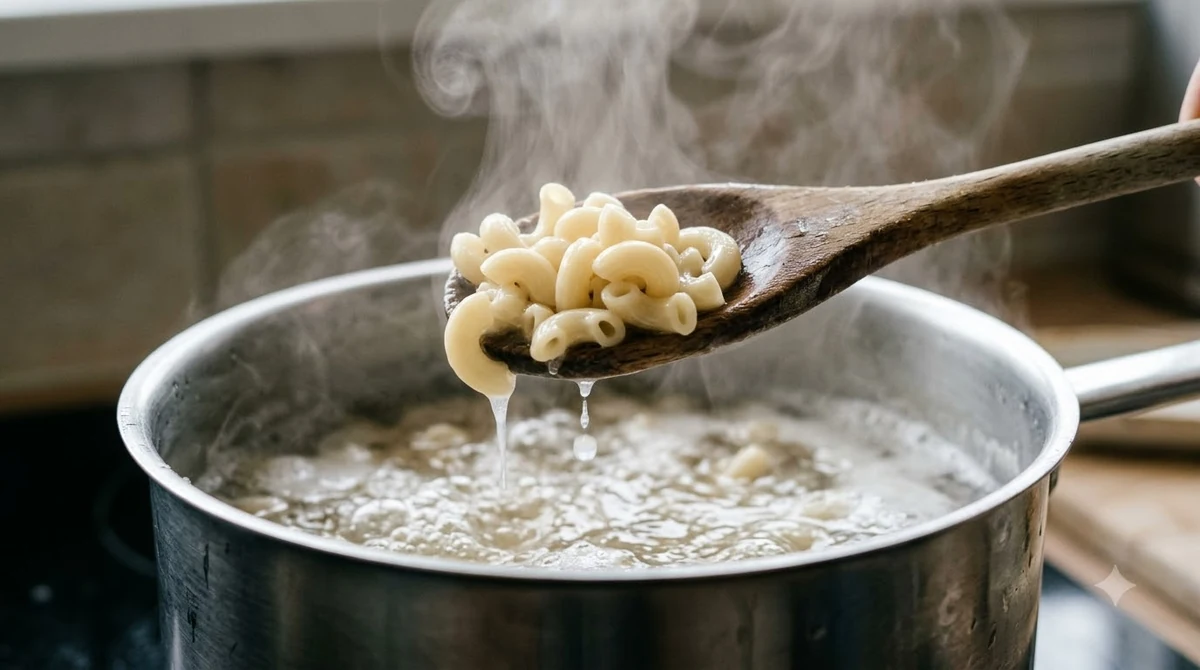
Follow these steps for the most reliable result:
- Bring a medium to large pot of well-salted water to a full boil. For soup, you can cook the pasta in the broth itself.
- Add the pasta, lower the heat slightly, and set a timer for 6 minutes. Stir once or twice so the beads do not clump.
- Drain in a fine-mesh strainer. Large holes let the tiny beads fall through the colander.
- In soup, add the pasta to the simmering broth once the soup is nearly done, then cook until al dente.
Use the table below as a starting point, then check the package. DeLallo’s guidance is 6 to 7 minutes, and the package directions for your brand always come first.
| Use | Cooking time | Texture |
|---|---|---|
| Pasta salad | 6 minutes | Tender to the bite |
| Soup | 6 minutes | Al dente |
| Thicker soup | 8 minutes | Soft |
For broth-based soup, plan about 200 ml (7 oz) of broth per person. Use about 30 g (1 oz) of dry pasta per person for a thin soup, or 40 g (1.5 oz) for a thicker one. One dry cup of acini di pepe weighs about 170 g (6 oz), which helps when a recipe lists volume instead of weight.
Cooksinfo recommends cooking the pasta in broth because it absorbs flavor well. Plain water is fine, and you can add a bay leaf or two, a splash of white wine or French vermouth for extra depth. Bring the liquid to a boil before adding the pasta, then lower the heat and start timing.
Acini di Pepe in Soup and Salad
Acini di pepe pasta works best in brothy soups and light pasta salads, where its small size spreads evenly and does not weigh down the dish. It is the classic pasta for Italian wedding soup.
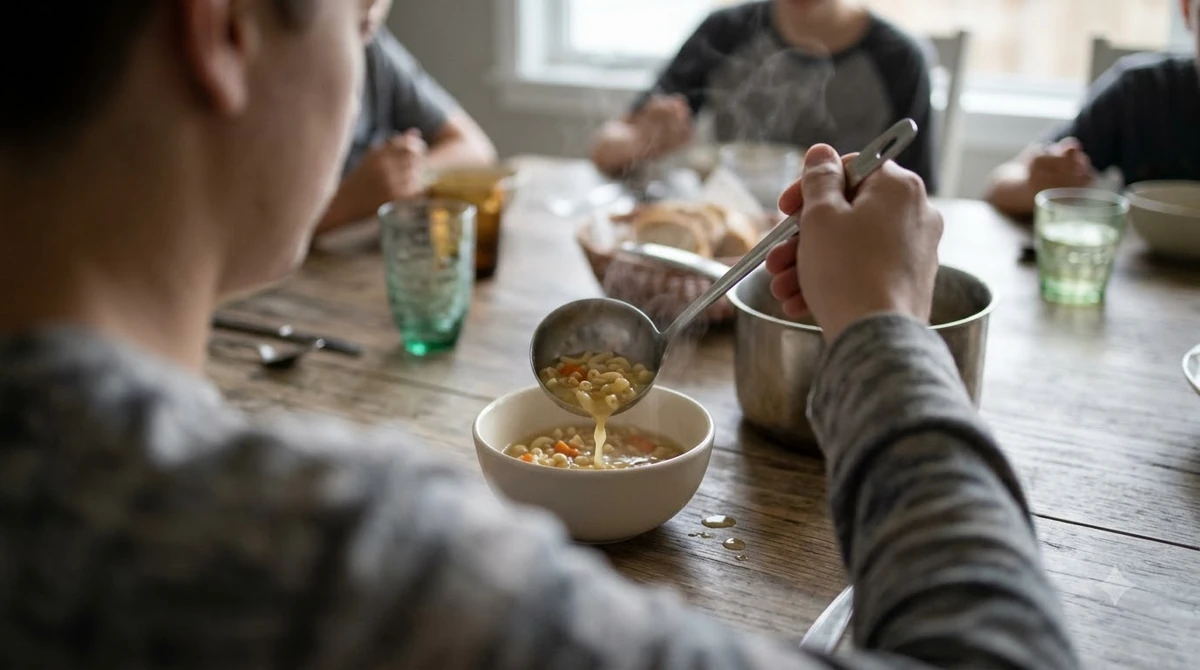
Italian wedding soup is made with chicken broth or stock, wilted greens such as escarole, small meatballs or sausage, and the pasta. Other brothy soups that suit the same pasta include chicken noodle, minestrone, pasta e fagioli, and chili. In each case the pasta goes in once the soup is nearly done, so it cooks to the right texture without soaking up all the broth.
In salads, acini di pepe pairs well with vegetables, cheese, beans, cured meats, and herbs, dressed with a light olive oil dressing. Simple side dishes work too. DeLallo suggests tossing the cooked pasta with olive oil, lemon juice, and salt. The same source warns that heavy ragù overwhelms the tiny shape, and that creamy, mayonnaise-style dressings can be too heavy for it. Olive oil or butter with fresh herbs is the classic plated sauce.
Frog eye salad is the American dessert version. Cooks combine the cooked pasta with whipped topping, marshmallows, mandarin orange pieces, pineapple, and coconut, then chill it before serving. It is sweet, not savory, so do not swap it into a soup recipe.
What to Use Instead of Acini di Pepe
Orzo is the closest swap for acini di pepe pasta in soups and salads, while ditalini, stelline, rice, or couscous can also stand in. Each swap changes the texture a little, so adjust your cooking time.
| Substitute | Why it works | What to change |
|---|---|---|
| Orzo | Small grain shape, similar to barley or flattened rice | Slightly larger, so cook a little longer |
| Ditalini | Small tube pasta used in the same soups | Check the package for time |
| Stelline | Tiny pastina shape for broth | Check the package for time |
| Rice | Small grain that cooks in broth | Follow the rice package instructions |
| Couscous | Small granules for salads and side dishes | Israeli couscous is larger; couscous is steamed, not boiled, and turns fluffy rather than al dente |
When you pick a swap, match the job. For a brothy soup, orzo or ditalini keeps the same spoonable feel. For a salad, check that the swap cooks to a tender bite before dressing it. Couscous is the least similar, because it is steamed and has a different chew.
Nutrition and Storage Basics
One 85 g (about 1/2 cup dry) serving of acini di pepe pasta has about 300 calories, 63 g of carbohydrates, 10 g of protein, 3 g of fiber, and only 1 g of fat, according to the nutrition figures Cooksinfo lists.
Most of the calories come from carbohydrates, which is typical for dry semolina pasta. The sources read for this guide do not give a storage time or storage conditions for acini di pepe pasta, so check the package for both. For soup, DeLallo suggests adding the pasta to the simmering broth once the other ingredients are nearly done.
Frequently Asked Questions
Is acini di pepe pasta the same as pastina?
Pastina is the general name for very small pasta used in soups. Acini di pepe is one common pastina shape. Some pasta makers say that pastina is an even smaller shape, so check the box if the difference matters.
How long does acini di pepe pasta take to cook?
Plan about 6 minutes for tender pasta in salads or al dente soup, and about 8 minutes for a softer result. DeLallo gives 6 to 7 minutes. Follow the package directions first, since brands vary.
Can I cook acini di pepe in water?
Yes. Cooksinfo says water is acceptable, but cooking in broth gives more flavor because the pasta absorbs it. Use well-salted water for plain pasta.
What is a good substitute for acini di pepe pasta?
Orzo is the closest option. Ditalini and stelline also work in soup, and rice or couscous can stand in when you cannot find any small pasta. Adjust the cooking time for each one.
What does acini di pepe pasta mean?
The name means “seeds of pepper” in Italian. Some translations use “pepper berries,” since acino can mean a grape or berry.
What is frog eye salad?
Frog eye salad is a chilled American dessert salad made with cooked acini di pepe, whipped topping, marshmallows, mandarin oranges, pineapple, and sometimes coconut. It is a sweet side for picnics and potlucks, not a savory pasta salad.
If you are making Italian wedding soup, buy acini di pepe pasta when you can find it and cook it in the broth for the best flavor. For a salad or an unfamiliar recipe, pick the closest substitute and check the package time, since sizes vary by brand. You can find more small pasta shapes in our pasta Learn guides.
 5 min readLearnMafaldine Substitute: Ribbon Pastas to Use InsteadUpdated Nov 13, 2026
 7 min readLearnElbow Macaroni Pasta: What It Is, How to Cook It and What to Use InsteadUpdated Nov 10, 2026
 7 min readLearnMafaldine Pasta: What It Is, How to Cook It and What to Use InsteadUpdated Nov 6, 2026
 8 min readLearnDitalini Pasta: What It Is, How to Cook It and What to Use InsteadUpdated Nov 10, 2026
 7 min readLearnCreste di Gallo Pasta: What the Shape Is and How to Cook ItUpdated Nov 10, 2026
 8 min readLearnOcchi di Lupo Pasta: What It Is, Where It Comes From and How to Cook ItUpdated Nov 11, 2026