
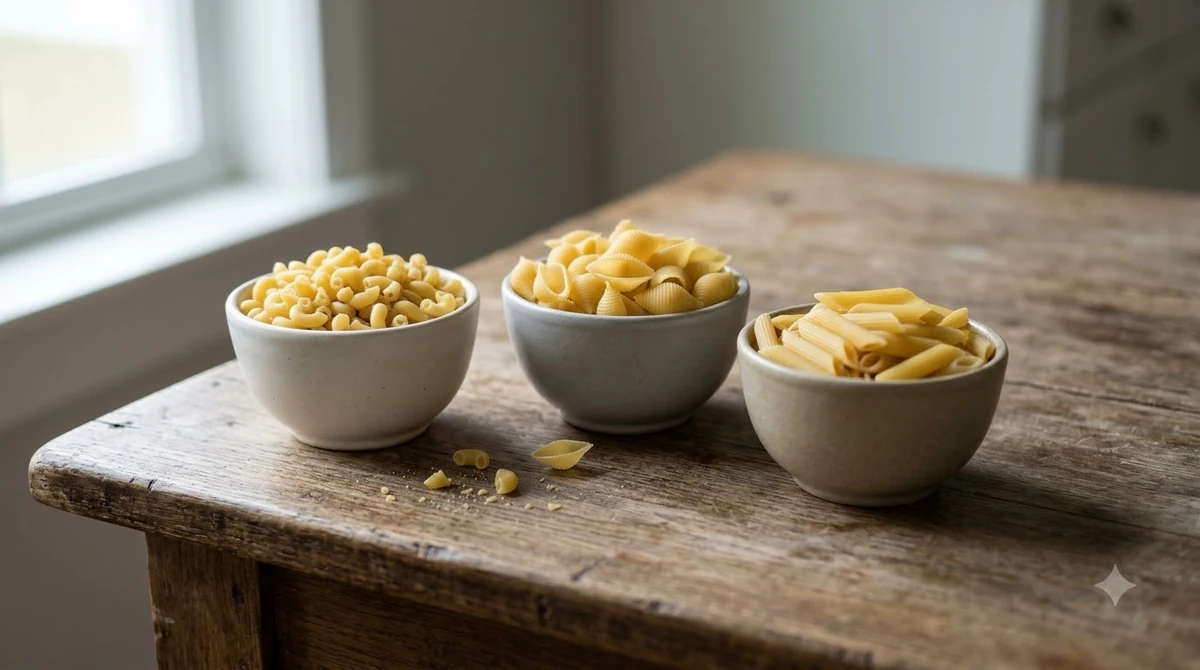

Creste di gallo pasta is a short, curved Italian pasta with a ruffled ridge along its outer edge. The name means rooster’s comb, or cockscomb, and the shape is made from durum wheat flour. It holds chunky, meaty sauces well and works in baked dishes, so it is a practical choice for everyday cooking.
Its ridges and hollow body catch sauce, but the exact cooking time depends on the brand. Read the package first, then taste for firmness before you drain.
What Creste di Gallo Pasta Looks Like
Creste di gallo pasta is a short, curved tube with a wavy ridge that runs around the outside. Italian reference sources describe it as curved, and say it can be made smooth or ridged, with the ridged version called rigate.
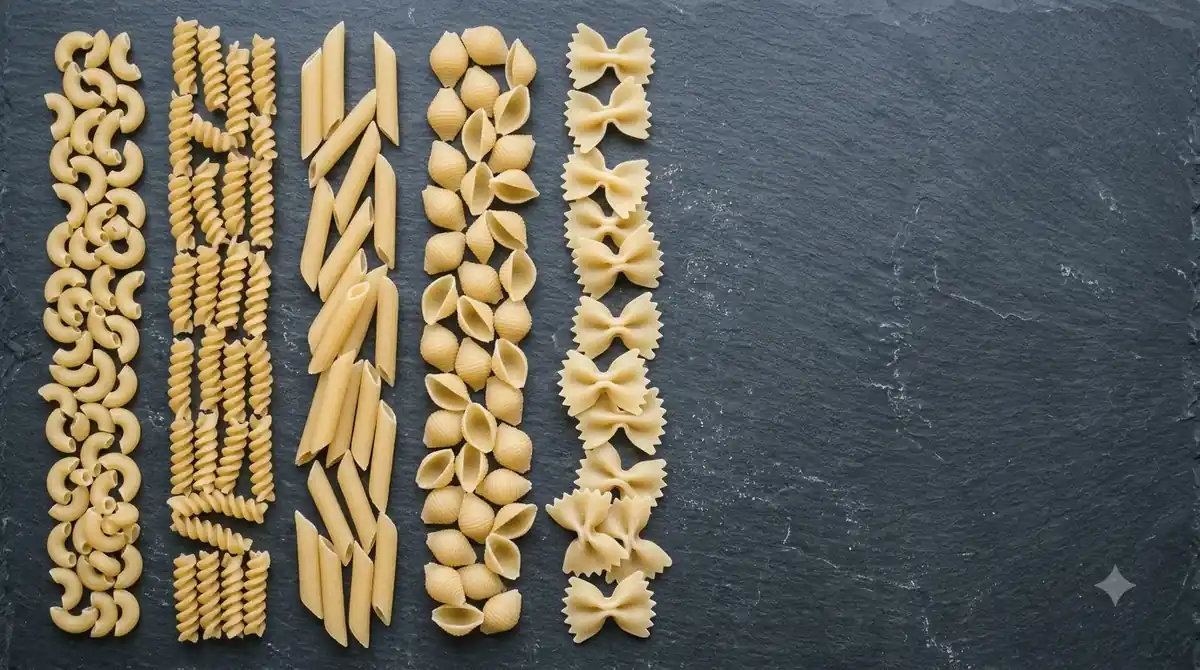
The shape is made from durum wheat flour, the same semolina base used for most dried Italian pasta. Because the body is hollow and the edge is ruffled, each piece has more surface area than a plain tube of the same length. That matters when you choose a sauce, because the pasta has places to hold small pieces of meat, beans or vegetables.
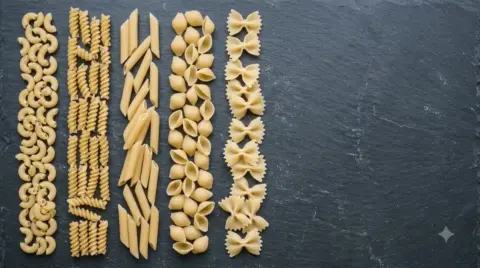
Food writers often compare creste di gallo pasta with elbow macaroni, since both are curved tubes of a similar size. The main difference is the ruffled ridge on creste di gallo, which gives it more texture and a firmer bite than a smooth elbow.
Where the Name and Story Come From
The name creste di gallo translates to rooster’s comb, and the other common English name is cockscomb. Italian sources also list the names creste, cimieri and galletti, which all refer to the same curved, crested form.
A popular story links the pasta to the Medici family of Florence, who were said to have been warned of would-be attackers by crowing roosters. According to the legend, the family honored the birds by having pasta made in their shape. Tasting Table’s pasta guide describes this story as possibly apocryphal, so treat it as a legend rather than a documented fact.
The origin of the dried shape is less clear. Italian reference sources list Italy as the place of origin, but they do not give a single regional tradition for it. The honest answer is that the name is well documented and the rooster story is not.
How Long to Cook Creste di Gallo Pasta
Creste di gallo pasta usually cooks in about 11 to 13 minutes, according to the entry on Italian Wikipedia’s page for the shape. Treat that range as a starting point and check the package, since brands can differ.
Use this method to cook it well:
- Bring a large pot of water to a boil and add salt. Italian pasta is cooked in salted water, according to the general pasta overview on Wikipedia.
- Add the pasta and stir in the first minute so the pieces do not stick together.
- Start tasting at the low end of the package time. Look for a firm bite, which is what Italians mean by al dente.
- Before you drain, save a cup of the cooking water. A splash helps the sauce cling to the ridges.
- Finish the pasta in the pan with the sauce for a minute so the ridges pick up flavor.
Fresh pasta made with eggs cooks in roughly half the time of dried pasta, according to the same general overview. Fresh creste di gallo pasta, if you find it, needs a much shorter test, so start checking early.
Because creste di gallo pasta is sold in more than one form and in many brands, the package is the most reliable guide. If the package time and the reference range disagree, follow the package for that brand and taste a piece at each check.
Sauces That Work With Creste di Gallo Pasta
Creste di gallo pasta works best with light tomato or vegetable sauces, and with thicker sauces that have small pieces to trap in the ridges. The shape is versatile enough to suit most sauces, which is why cooks use it so widely.
Here is how the shape handles common sauce types:
- Meaty ragu: the hollow body and ridge hold chunks of meat and sauce well.
- Marinara: a light tomato sauce coats the surface without weighing the pasta down.
- Creamy sauces: the ridges give the cream something to cling to, so the dish does not slide off the fork.
- Vegetable sauces: small pieces of zucchini, peas or peppers tuck into the curves.
Pasta and sauce are usually matched by consistency and ease of eating. A thick sauce with chunks suits a shape with a hollow center, while a thin oil sauce may slide off a smooth strand. When in doubt, pick the sauce with pieces you can scoop into the ridges.
For a simple weeknight meal, toss creste di gallo pasta with a spoonful of pasta water, a little olive oil and grated hard cheese. The ridges pick up the oil and cheese, so you need only a small amount of each.
Creste di Gallo Compared With Elbow Macaroni
Creste di gallo pasta is closest to elbow macaroni in form, but the ruffled edge makes it hold sauce differently. The table below sums up the main differences for a home cook choosing between them.
| Feature | Creste di gallo | Elbow macaroni |
|---|---|---|
| Shape | Curved tube with a ruffled ridge | Smooth curved tube |
| Sauce holding | Ridges catch chunky and creamy sauces | Holds sauce in the hollow center |
| Baked dishes | Suggested as a swap in baked mac and cheese | The classic choice for baked mac and cheese |
| Cooking time | About 11 to 13 minutes, check the package | Check the package |
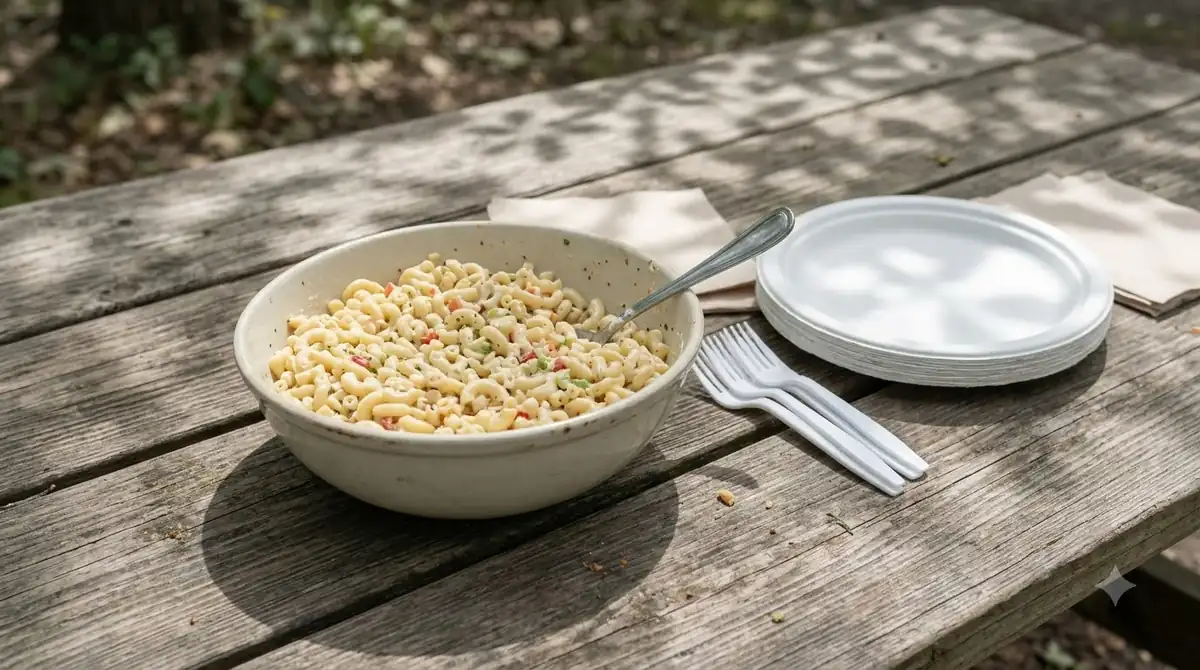
If you want a baked dish, creste di gallo can replace elbow macaroni in a mac and cheese, and it also works in place of ziti in a baked pasta with meaty ragu and melted cheese. For cold vegetable pasta salad, cook it until al dente and let it cool before tossing it with dressing.
Common Mistakes When Cooking Creste di Gallo
The most common mistake is trusting a single time and cooking the shape until the ridges turn soft. Start checking early and taste a piece every minute near the end of the package range.
- Skipping the salt in the water, which leaves the pasta flat.
- Draining everything and forgetting to save cooking water for the sauce.
- Serving it with a thin sauce that runs off the ridges.
- Assuming a baked dish will work with the same timing as a stovetop dish.
If you are cooking for the first time, make a small test batch before a large dinner. A few pieces tell you more about the firmness of a particular brand of creste di gallo pasta than any general time range can.
Frequently Asked Questions
Is creste di gallo pasta the same as elbow macaroni?
No. Both are curved tubes of similar size, but creste di gallo has a ruffled ridge along its outer edge, which elbow macaroni does not.
How long does creste di gallo pasta take to cook?
Italian reference sources give about 11 to 13 minutes. Check the package for your brand, and taste for a firm bite before you drain it.
What sauce goes best with creste di gallo pasta?
Thick meaty ragu and light tomato or vegetable sauces both work well. The ridges hold chunks of meat and vegetables, and they also hold creamy sauces without letting them slide off.
Can you use creste di gallo pasta in baked dishes?
Yes. Tasting Table suggests it as a swap for elbow macaroni in baked mac and cheese, and for ziti in a baked pasta with meaty ragu. Check the package time first, then plan the oven time from there.
Is the Medici rooster story about creste di gallo true?
The story is a legend that connects the pasta to the Medici family of Florence. Tasting Table describes it as possibly apocryphal, so it is best told as a legend rather than as proven history.
Creste di gallo pasta is a practical shape for home cooks who want more texture than a smooth tube gives. Choose it for chunky sauces and baked dishes, and always check the package time before you cook.
 8 min readLearnAcini di Pepe Pasta: What It Is, How to Cook It and What to Use InsteadUpdated Nov 11, 2026
 8 min readLearnOcchi di Lupo Pasta: What It Is, Where It Comes From and How to Cook ItUpdated Nov 11, 2026
 7 min readLearnWhat Is Fior di Latte? A Simple Guide to Italy’s Cow’s Milk MozzarellaUpdated Nov 10, 2026
 7 min readLearnWhat Is Mozzarella di Bufala? Italy’s Buffalo Milk CheeseUpdated Nov 11, 2026
 7 min readLearnWhat Is Prosciutto di Parma? A Simple Guide to Italy’s Protected HamUpdated Nov 11, 2026
 7 min readLearnWhat Is Colatura di Alici? Italy’s Anchovy Drip SauceUpdated Nov 11, 2026