
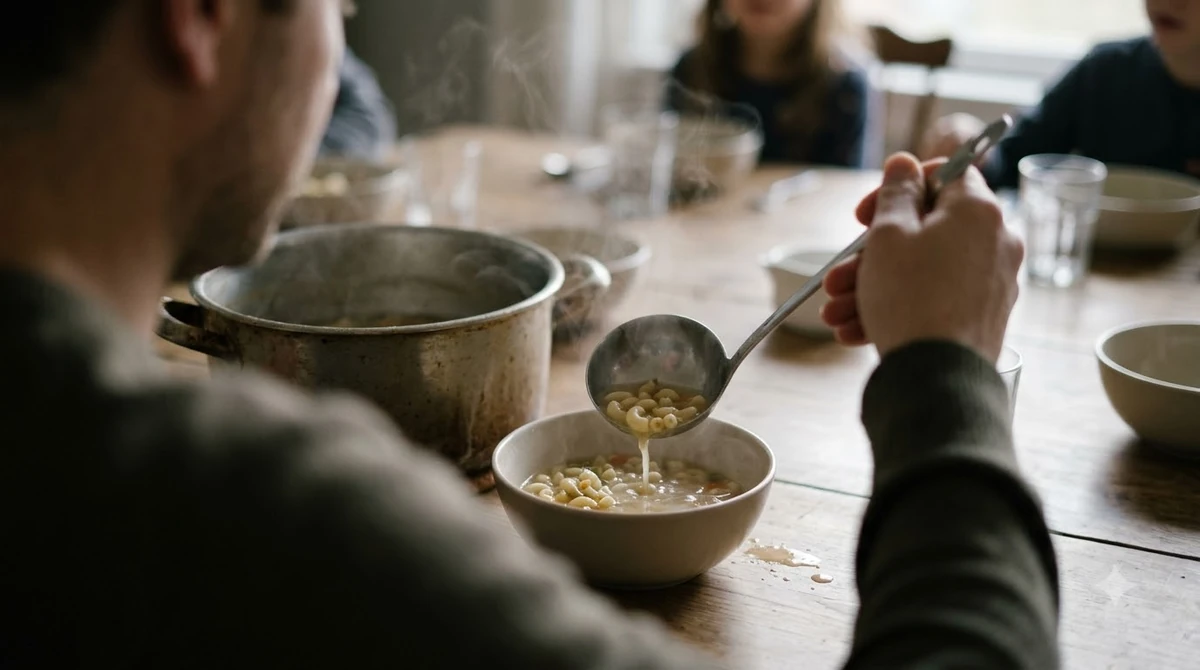

Pastina pasta is a family of very small Italian pasta shapes, and its name means “little pasta.” Most pieces are about 2 mm across, which makes pastina the smallest type of pasta produced. It is made mainly from wheat flour and is a common ingredient in Italian soup.
More than 30 Italian soup pastas share the name, according to The Pasta Project. If your store does not stock pastina, orzo or acini di pepe can stand in, though the shape and texture will differ.
What Is Pastina Pasta?
Pastina pasta is a group of tiny wheat-flour pasta shapes, most about 2 mm across, traditionally cooked in soup or broth.
The word is an umbrella term. According to Wikipedia’s entry on pastina, the pieces are typically round and irregular, with a diameter of about 2 mm, or 1/16 inch. That makes them the smallest pasta type produced, and the name simply means little pasta in Italian.
Most recipes use a dough of wheat flour, and some versions include egg. The same source says pastina serves three main purposes: an ingredient in soup and desserts, infant food, and a dish eaten alone.
Wikipedia also lists acini di pepe, alphabet pasta, anelli, ditalini, fregula, orzo and stelline among the small shapes in this family. That list shows how wide the range is; see our guides to fregola pasta and ditalini pasta for two of these shapes. Some shapes are machine-made and others are hand-shaped, so a box labeled pastina pasta tells you the size more than the exact form.
Common Pastina Shapes and Their Names
Pastina pasta includes stars, alphabet letters, grated bits, seed shapes and small bowties, and several of these share a name with other shapes.
The table below lists the shapes that come up most often, with the Italian names used on packages and in recipes.
| Shape | Italian name | What to know |
|---|---|---|
| Stars | Stelline, also called fiori di sambuco or astir | Usually machine-made |
| Letters | Alphabet pasta | Machine-made letter shapes |
| Grated bits | Grattini or pasta grattata | Homemade versions are irregular; store-bought grattini are rounder and more uniform |
| Seeds | Semi di orzo, semi di riso | Named after barley and rice seeds |
| Peppercorns | Acini di pepe | Small round balls |
| Bowties | Bengasine, Tripolini | Small bowtie-like shapes served in broth |
Regional names add more variety. The Pasta Project lists names such as pasta rasa or ragia in Emilia-Romagna and Lombardy, and bilimbandi in Campania. Many older types were made by hand, by grating or crumbling dough.
Some names come from history. The Pasta Project notes that Asabessi, Abissini, Bengasine and Tripolini are named after former Italian colonies. Bengasine and Tripolini are the small bowtie-like shapes served in broth. For the star shape, read our stelline pasta guide. Check the printed name and the picture on the box, because the Italian names are not always obvious to English readers.
How to Cook Pastina Pasta
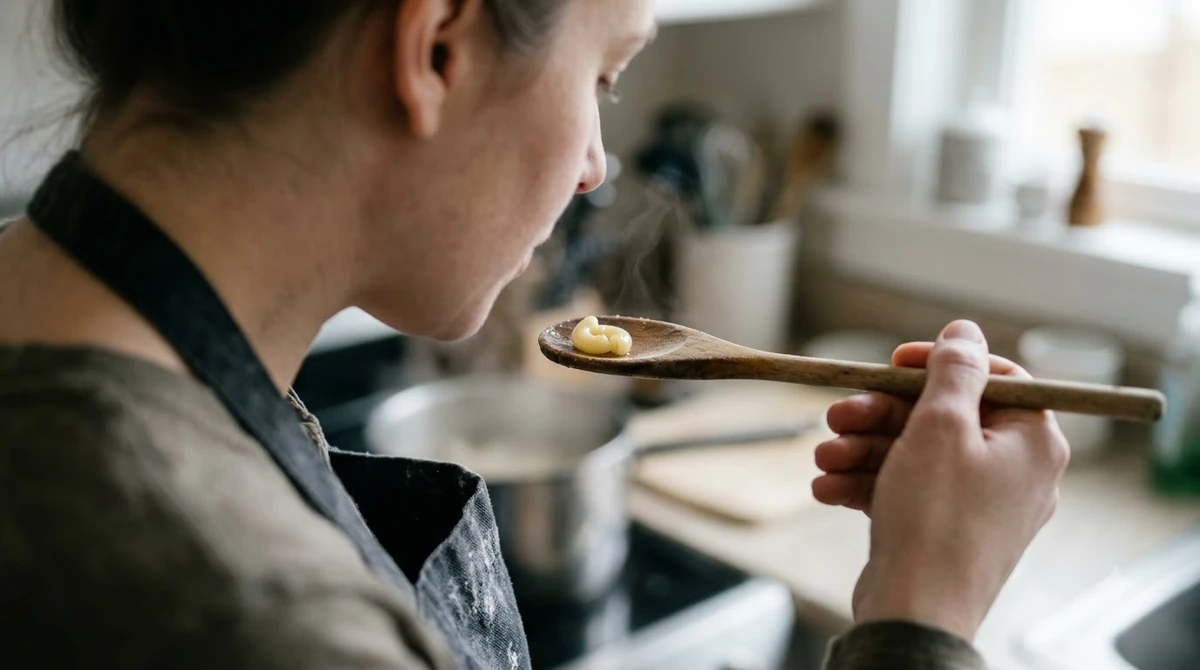
Cook pastina in salted boiling water or broth for a few minutes until it is soft, then check the package for the exact time.
- Bring a pot of water to a boil and add salt.
- Add the pastina and stir so the pieces do not clump together.
- Cook until the pieces are soft, which usually takes a few minutes. Brand guidance describes it as boiled “for a few minutes until it’s soft,” and no exact time was given in the sources read, so use the package time.
- Drain it and serve plain with butter and cheese, or stir it into hot broth.
Italians usually cook pastina directly in soup or broth. Tiny pieces can turn soft quickly, so start checking a few minutes before the package time.
Once drained, the pieces can stick together if they sit. A small knob of butter or a spoonful of the cooking liquid keeps pastina pasta loose while you serve it, which matters most when you plate it for a child who will not eat clumps.

Pastina in Broth and Soup
Chicken or vegetable broth is the most popular base for pastina pasta, and many cooks finish the bowl with grated Parmigiano or a little olive oil.
One brand guide says pastina helps make chicken or vegetable broth more filling. The usual choices are:
- Chicken or vegetable broth, the most common base
- Grated Parmigiano for a cheesy finish
- Olive oil or a small amount of butter stirred in at the end
- A beaten egg stirred in at the last minute, which some cooks prefer
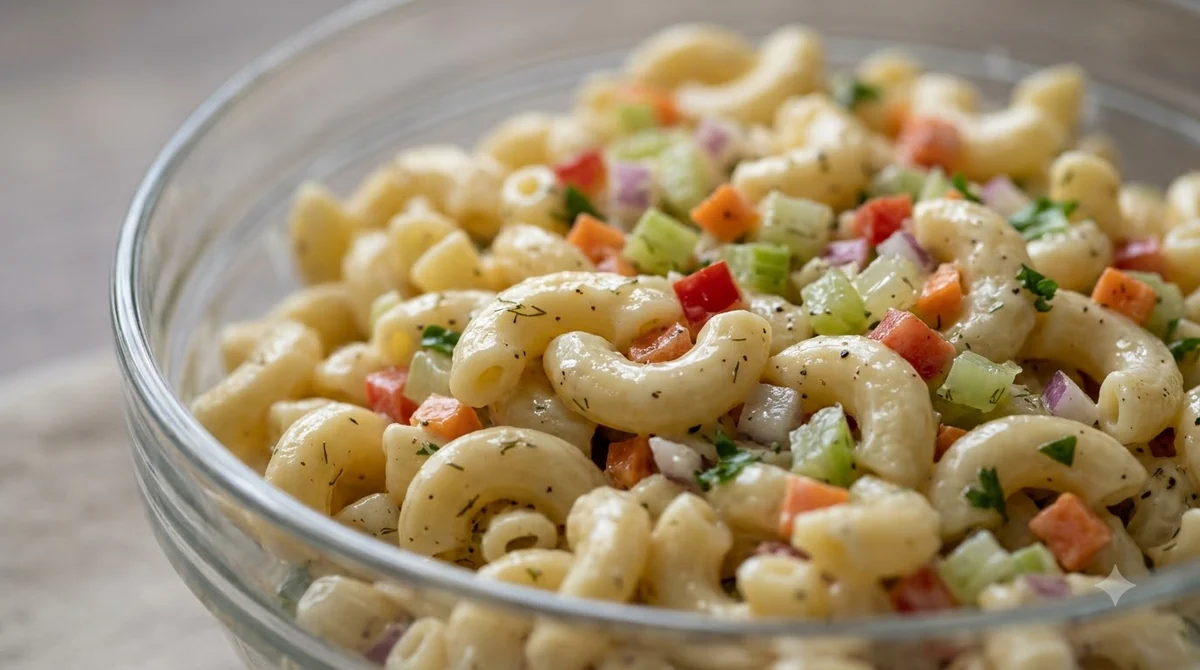
Pastina also works outside soup. Cold salads, baked cheesy dishes and rice-style side dishes are common uses, according to one brand guide, and The Pasta Project also mentions risotto-style dishes.
Because the broth carries most of the flavor, pastina pasta tastes only as good as the broth beneath it. Use a broth you would drink on its own, and taste it before you add salt, since many packaged broths already contain plenty. For a heartier soup built on small pasta, see our pasta e fagioli recipe.
Pastina for Children and Comfort Food
Pastina cooked in broth is described as comfort food for young children, and Wikipedia records the nickname “Italian penicillin.”
The texture is a big part of its appeal. One pasta brand’s guide says the small pieces can be easily swallowed without chewing, which makes them a practical choice for very young eaters. The same guide notes that acini di pepe is often a baby’s first pasta in Italy.
Wikipedia lists infant food among its uses, and The Pasta Project names baby food as a modern use. If a child has a feeding concern, ask a pediatrician rather than relying on a general pasta guide.
Wikipedia also reports that actor Stanley Tucci’s memoir describes cooking pastina for his son, which the book calls “that Italian cure-all.” Families often reach for pastina pasta at home for the same reason: it is soft, simple, and easy to make in a single pot.
Pastina Compared With Orzo and Acini di Pepe
Orzo is the closest swap for pastina pasta because it is also small and looks like grains of rice, while acini di pepe is round and suits the same broths. If you go with orzo, cooking orzo on the stove covers the water and timing.
| Pasta | Shape | Fit for pastina recipes |
|---|---|---|
| Pastina | Tiny pieces in many shapes | The original for these recipes |
| Orzo (risoni) | Rice-shaped grains | Closest swap, and works as a rice substitute in many dishes |
| Acini di pepe | Round, peppercorn-sized balls | Good in broth, and often used for babies |
Orzo and risoni are close to the same pasta, so swapping them changes the look more than the method; our orzo pasta guide covers the details. Acini di pepe has a rounder bite. Whichever you buy, use the cooking time printed on its package, since shapes differ in thickness.
Choose by the texture you want. Stars suit a child’s soup, acini di pepe gives a rounder bite in broth, and orzo works where a rice-like texture is wanted. When a recipe names pastina pasta, the small size is what the recipe was written around, so a close swap changes the result a little.
Frequently Asked Questions
How big are the pieces?
Most pieces are about 2 mm across, or about 1/16 inch, according to Wikipedia. Shapes vary, so a star and a grated piece can differ in size even within one box.
How long does it take to cook?
The sources read describe cooking for a few minutes until soft, but none gives an exact time for every shape. Follow the time printed on the pastina pasta package and check a piece a minute or two early.
Can you cook it without broth?
Yes. Plain pastina boiled in salted water and served with butter and cheese is a simple version. Broth is the traditional liquid, and it adds flavor to the finished bowl.
Is it the same as orzo?
No, but the two are close. Orzo is a rice-shaped pasta, and The Pasta Project describes it as nearly the same pasta used in pastina soups. Use orzo when a recipe calls for pastina and you cannot find it.
Which shapes count as pastina pasta?
Pastina is a family, not one shape. The Pasta Project says more than 30 Italian soup pastas carry the name, and common forms include stars, alphabet letters, grated bits and seed shapes. Any small soup shape from that family fits a pastina pasta recipe, provided you follow the cooking time on its package.
What does the name mean?
Pastina is Italian for “little pasta.” The name covers a family of more than 30 small soup pastas, so the word describes the size of the pieces more than one specific shape.
If you want a soft, quick pasta for soup, pastina is a good pick. If your store has none, buy orzo or acini di pepe and cook it to the time on its package.
 8 min readLearnCan You Freeze Pizza Dough? Yes, Here Is How to Do It RightUpdated Nov 6, 2026
 7 min readLearnPizzoccheri Pasta: Buckwheat Ribbons From ValtellinaUpdated Nov 10, 2026
 7 min readLearnBombolotti Pasta: What It Is and How to Cook ItUpdated Nov 10, 2026
 8 min readLearnFregola Pasta: A Simple Guide to This Sardinian ShapeUpdated Nov 10, 2026
 7 min readLearnJumbo Shells Pasta: What They Are and How to Cook ThemUpdated Nov 10, 2026
 8 min readLearnCannelloni Pasta: Shapes, Fillings and How to Bake ItUpdated Nov 10, 2026