
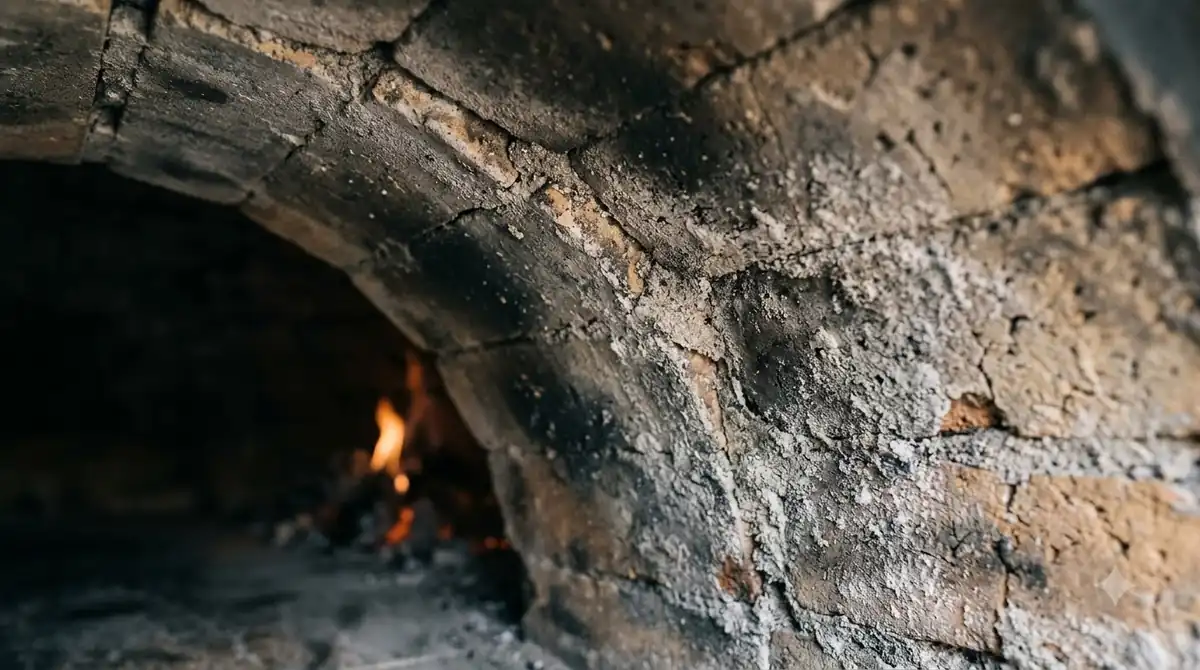

A brick pizza oven is a domed oven whose floor and walls store heat from the fire, so it can reach the high temperatures that thin, fast pizzas need. Many ovens sold under the brick label use a stone or refractory floor rather than solid clay brick. Fuel type, cooking surface size and heat-up time matter more than the material name.
What Makes a Pizza Oven a Brick Oven?
A brick pizza oven holds heat in a thick cooking floor and a curved roof, which releases heat slowly onto the pizza. The name is often used loosely, so check what the floor is made of before you buy.
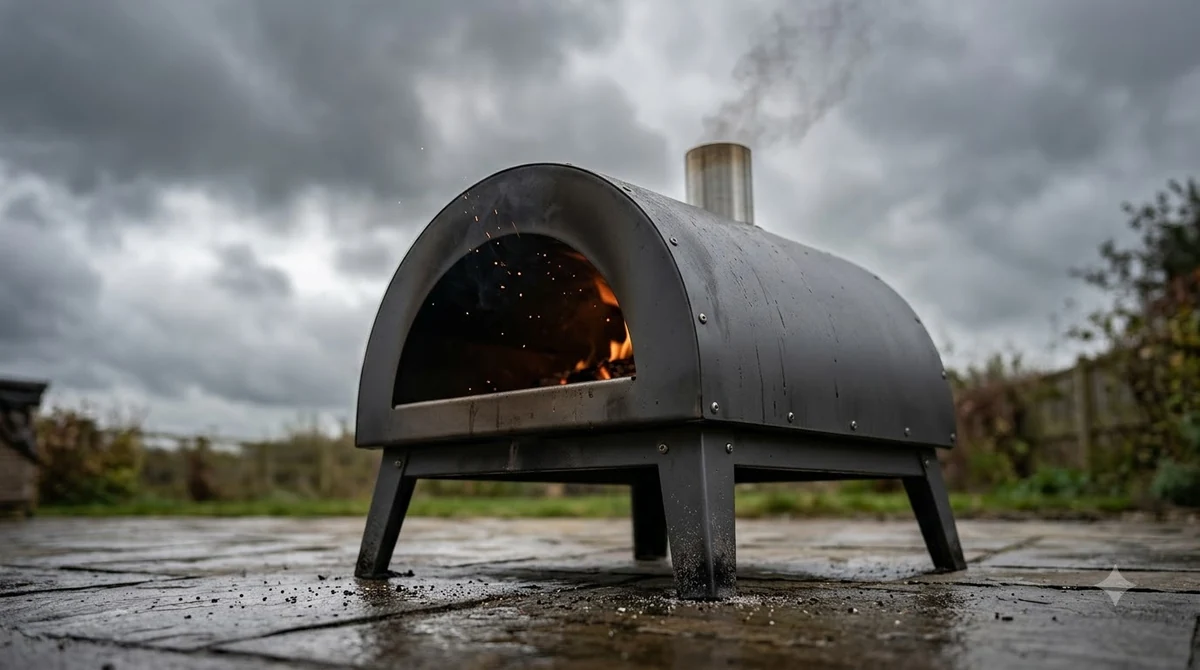
Popular Science’s outdoor pizza oven guide ties heat retention to stone thickness rather than to brick. Its Gozney Arc uses a 20mm stone, and the Gozney Dome Gen 2 uses a 30mm stone, which the guide says holds heat for back-to-back pies. Thicker stone usually means slower heat-up but steadier heat between pizzas.
- Refractory dome: an insulated roof that reflects heat down onto the pizza.
- Cordierite stone floor: a heat-resistant stone that absorbs and returns heat.
- Insulated walls: they reduce heat loss, which shortens recovery time between bakes.
How This Guide Chooses Brick-Style Ovens
This guide uses published specifications from manufacturer pages and from Popular Science’s buying guide. It does not report any oven as tested by the author, and prices are the figures listed on the source pages when they were read.
- Fuel: wood, charcoal, propane, natural gas, or electric.
- Cooking surface: the pizza size the manufacturer lists.
- Heat-up time and weight: the numbers reported by the source or the manufacturer.
Brick-Style Pizza Oven Options Compared
The Gozney Arc and Ooni Karu 2 are the two cited picks for home use that cook with gas or wood, and the Gozney Arc Lite is the compact choice. Among the Chicago Brick Oven models whose pages were read, the CBO 750 DIY Kit offers the largest wood-fired surface.
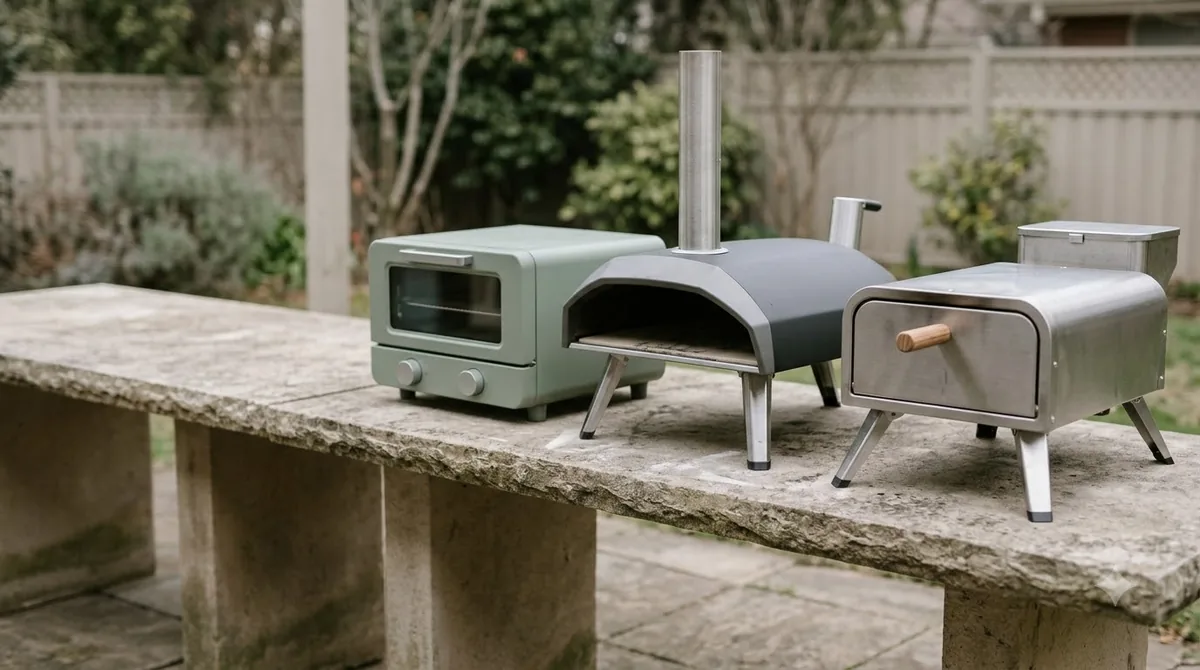
| Pick | Fuel | Key fact (as listed) |
|---|---|---|
| Gozney Arc | Propane | 20mm stone, 47.5 lb, $799.99 |
| Gozney Arc Lite | Propane | 12-inch maximum pizza, 26.4 lb, $399.99 |
| Ooni Karu 2 | Wood or charcoal | 33.6 lb, $449, gas burner sold separately |
| Chicago Brick Oven CBO 750 DIY Kit | Wood | 38 x 28 in cooking surface |
| Gozney Dome Gen 2 | Propane or natural gas | 30mm stone, 136.7 lb, $2,299.99 |

Gozney Arc Propane Outdoor Pizza Oven
Pros & ConsViewHide
Reasons to buy
- Listing says a 14-inch pizza cooks in about 60 seconds
- Lateral rolling flame with precision flame control
- Listing says it heats up to 950°F
Reasons to avoid
- Propane only, with no wood or charcoal option
- Listed weight differs between sources, so confirm on Gozney's page
- Only a few Amazon ratings so far

Gozney Arc Lite Propane Outdoor Pizza Oven
Pros & ConsViewHide
Reasons to buy
- Cooks a 12-inch pizza in about 60 seconds, per the listing
- Reaches up to 950°F
- Precision flame control from the lateral-flame burner
Reasons to avoid
- Propane only
- 12-inch pizza is the maximum size
- No built-in thermometer, per Bob Vila

Ooni Karu 2 Multi-Fuel Outdoor Pizza Oven
Pros & ConsViewHide
Reasons to buy
- Multi-fuel: wood, charcoal or an optional gas burner
- Reaches 950°F in about 15 minutes, per Ooni
- Cooks 12-inch pizzas in about 60 seconds
- Borosilicate glass door and built-in thermometer
Reasons to avoid
- Gas burner is sold separately
- 12-inch pizza limit
- Wood and charcoal need more tending than gas

Ooni Volt 2 Electric Indoor Pizza Oven
Pros & ConsViewHide
Reasons to buy
- Ooni lists a 70°F to 850°F range
- 13.3-inch pizza stone for 12-inch pizzas
- Three pizza presets plus Dough Proofing and two custom slots
- Three-year warranty when registered within 60 days, per Ooni
Reasons to avoid
- Indoor use only, per Ooni
- Weight and wattage are not on Ooni's getting-started page
- Fewer Amazon ratings than the Breville at 66 so far
Gozney’s Arc is a good fit for a small patio, since it cooks 14-inch pizzas and includes a thermometer in the box. The Popular Science guide notes its weight and propane-only fuel as drawbacks. Gozney rates the Arc at 950°F, but that is a manufacturer rating, not a measured result in your yard.
The Ooni Karu 2 burns wood or charcoal straight out of the box and has a built-in thermometer. The same guide says live-fire cooking takes practice, and the gas burner costs extra. Chicago Brick Oven’s product page lists a 38 x 28 inch cooking surface for its CBO 750 DIY Kit and a 27 x 22 inch surface for its CBO 500 countertop model, but it does not list prices or heat-up times.
Wood-Fired, Gas, or Electric: Which Fuel Fits You?
Wood-fired ovens give the most traditional char, but they need a skill curve, while gas gives steadier heat control. Electric models suit indoor use but usually top out at a lower temperature.
- Wood or charcoal: authentic flavor and high heat, with more work to keep the fire going.
- Propane or natural gas: quick start and a control knob, which suits weeknight cooking.
- Electric: the Ooni Volt 2 is rated 850°F on a 120V, 1,600W plug and is made for indoor use, according to the guide.
Fuel also changes the daily routine. A wood-fired brick pizza oven needs fuel on hand, ash removal between sessions and a longer warm-up for each cook. A gas model starts with a knob and a lit burner, so it fits a weeknight dinner more easily. For a deeper comparison of fuels in a brick pizza oven, read gas vs wood-fired pizza ovens, and if you pick wood, learn how to cure a wood-fired pizza oven before the first full fire. Electric models need only an outlet, but the top temperature is lower than the fuel-burning models in this list, so the crust may come out differently.
If you already own a propane tank, a gas brick pizza oven is usually the simplest upgrade, because you can reuse the same fuel source. Check the manual for the correct regulator and hose for your model before connecting anything.
What to Check Before You Buy
Check the cooking surface, heat-up time and weight before you buy a brick pizza oven, because the maximum temperature alone does not show how many pizzas you can cook in a row.
- Cooking surface: match it to the pizza size you want. The Gozney Arc Lite is limited to 12-inch pizzas.
- Heat-up time: a reviewer quoted by Popular Science needed 20 to 30 minutes to preheat the Arc Lite, and TechRadar reported 40 to 45 minutes for the Dome Gen 2.
- Weight and stand: the Dome Gen 2 weighs 136.7 lb without its stand, so plan the spot before delivery.
- Manufacturer ratings: check the manual for the safe operating temperature and clearance before first use.
Who a Brick Pizza Oven Suits, and Who Should Skip It
A brick pizza oven suits people who cook pizza often and want a dedicated outdoor setup. It fits a backyard or covered patio better than a small apartment balcony.
- Good fit: families who cook pizza weekly and have space for a fixed spot.
- Good fit: cooks who want to learn live-fire cooking and accept a learning curve.
- Skip it: renters with no outdoor space or limits on open flame.
- Skip it: people who only bake pizza once or twice a year, where a basic oven does the job.
The heavier models, such as the Dome Gen 2 at 136.7 lb, need a sturdy base and a planned delivery route. Lighter ovens such as the Karu 2 at 33.6 lb are easier to relocate, though the manufacturer manual should still guide any move.
Common Mistakes With a Brick Pizza Oven
The most common mistake is buying by the maximum temperature alone. Heat retention depends on stone thickness, so a thicker floor helps when you cook several pizzas back to back.
Some buyers report that a small oven cools quickly once the gas is off, which suits a single pizza night but not a party. Plan your batch size before you choose the model, and treat any single rating as a starting point for comparison, not a promise.
Another frequent error is ignoring the stand and the cover. A brick pizza oven without a stand may need a level surface and extra clearance, and a fitted cover protects the stone from rain between cooks (see the best pizza oven covers).
Frequently Asked Questions
What is the best brick pizza oven for beginners?
A propane model such as the Gozney Arc Lite is usually easier to start than a live wood fire. The Popular Science guide lists it at $399.99 with a 12-inch maximum pizza size.
Can you use a brick pizza oven indoors?
Fuel-burning ovens are meant for outdoor use with proper ventilation and clearance. Electric models such as the Ooni Volt 2 are made for indoor use, but check the manual for your kitchen setup.
How long does a brick pizza oven take to heat up?
Reported times vary by model, from about 20 to 30 minutes for the Gozney Arc Lite to 40 to 45 minutes for the Dome Gen 2. Check the manufacturer’s manual for the exact time on your model.
Do I need a stand for a brick pizza oven?
Some models are sold without one, and the Dome Gen 2 needs its own stand. Confirm whether a stand is included before you order.
Is a brick pizza oven worth the money?
It depends on how often you cook and how many people you feed. The listed prices in this guide range from $329.99 to $2,299.99, so compare cooking surface and fuel before you spend more.
Match the fuel and cooking surface to how often you bake and how many people you feed. Check current listings before you buy, because prices and stock change. Read the manufacturer’s manual before the first fire.
 9 min readBest PicksBest Rotating Pizza Oven Options for Home and Commercial UseUpdated Nov 12, 2026
 9 min readBest PicksBest Built in Pizza Ovens for Outdoor KitchensUpdated Nov 12, 2026
 8 min readBest PicksBest Large Pizza Ovens for Home CooksUpdated Nov 12, 2026
 9 min readBest PicksBest Dual Fuel Pizza Ovens: Types, Fuels and How to ChooseUpdated Nov 12, 2026
 9 min readBest PicksCheap Pizza Oven: Budget Types That Actually Cook WellUpdated Nov 12, 2026
 9 min readBest PicksBest Countertop Pizza Oven: How to Choose the Right OneUpdated Nov 12, 2026