
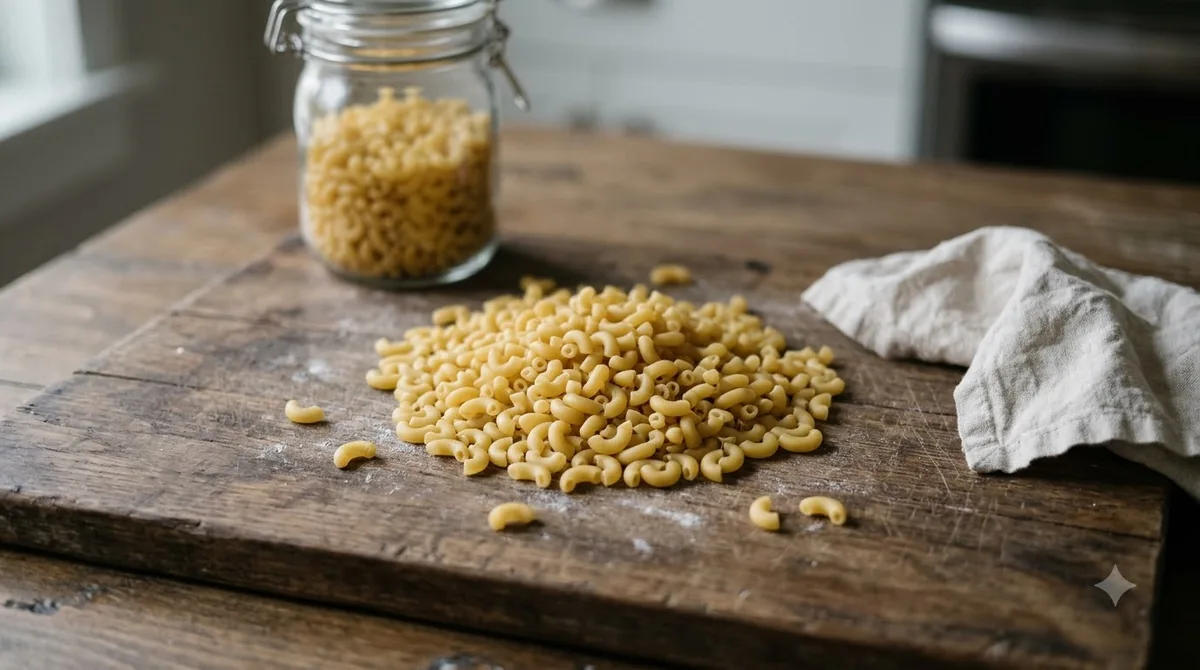

Busiate pasta is a hollow, spiral-shaped pasta from Trapani in western Sicily, made from durum semolina and water. Its coil is wound around a thin rod, and it is traditionally served with pesto alla trapanese, a sauce built on almonds and tomatoes.
Shaping and cooking it is simpler than it looks once you know the method, and its spiral looks a little like fusilli pasta, although busiate is wound around a rod instead of being twisted. Fresh and dried versions need very different cooking times, so check the package before you start.
Where Busiate Pasta Comes From
Busiate pasta comes from Trapani in western Sicily, and it contains only durum semolina and water, with no eggs. Its name comes from busa, the Sicilian word for the stem of a local grass called Ampelodesmos mauritanicus.
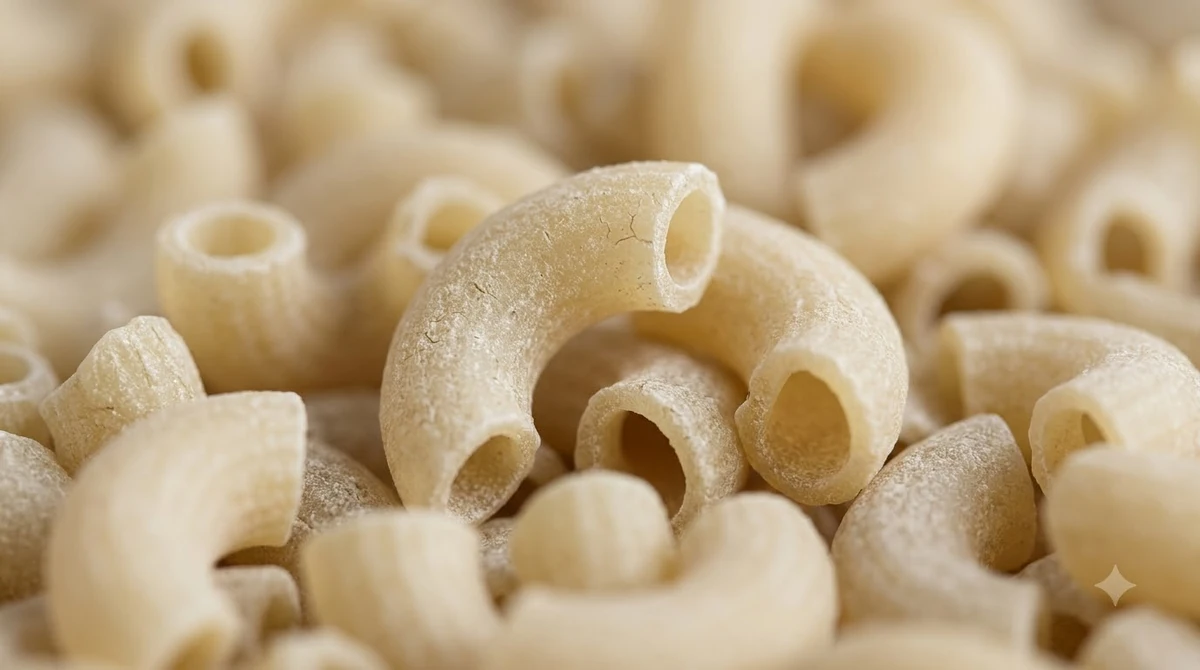
The traditional version, called busiate trapanesi, coils the dough diagonally around a twig cut from that same grass, so the name describes the tool as much as the shape. That also explains why a modern thin rod gives the same spiral. The shape is also written busiati, and you will see both spellings on Italian labels and in recipes. Busiate pasta is sold both fresh and dried, so check which one a recipe expects before you cook, because the timing differs a lot.
According to Wikipedia’s busiate entry, the pasta is a specialty of Trapani in western Sicily. The entry cites a RaiNews report dated 6 October 2025 saying the term was added to the 2026 edition of the Italian dictionary Zingarelli, a sign of how far the name has traveled beyond the island. Wikipedia also lists maccheroni inferrati, sometimes called firrichedi, as a related Sicilian style.
How Busiate Is Shaped
Busiate is shaped by coiling a thin rope of dough diagonally around a slender rod, which leaves the spiral hollow in the center. The method is repeatable at home, and the steps below follow the process described by The Pasta Project’s busiate guide.
- Roll the dough flat, then cut it into strips.
- Roll each strip into a narrow rope, then cut the rope in half.
- Wind each piece evenly around the rod. The method starts with about eight pieces of dough.
- Slip the finished spiral off the rod. If it sticks, twist the rod in the opposite direction to the way you rolled it.
Most Trapanese use a thin rod called a ferretto. A knitting needle or a bamboo stick works in the same way, and a bamboo skewer is a practical choice for a home kitchen. Hold the rod at about a 45-degree angle at the top end of the dough, wrap the dough around it, and coil toward you.
Because each piece is wound by hand, a home batch of busiate pasta takes longer to shape than a dried pack from a shop. Make a small test batch first, so you can judge the coil before you commit to the full amount of dough.
Cooking Times for Busiate
Fresh busiate usually cooks in about 4 to 6 minutes, while dried busiate needs about 9 to 11 minutes. The exact time depends on thickness and freshness, so use the ranges as a starting point.
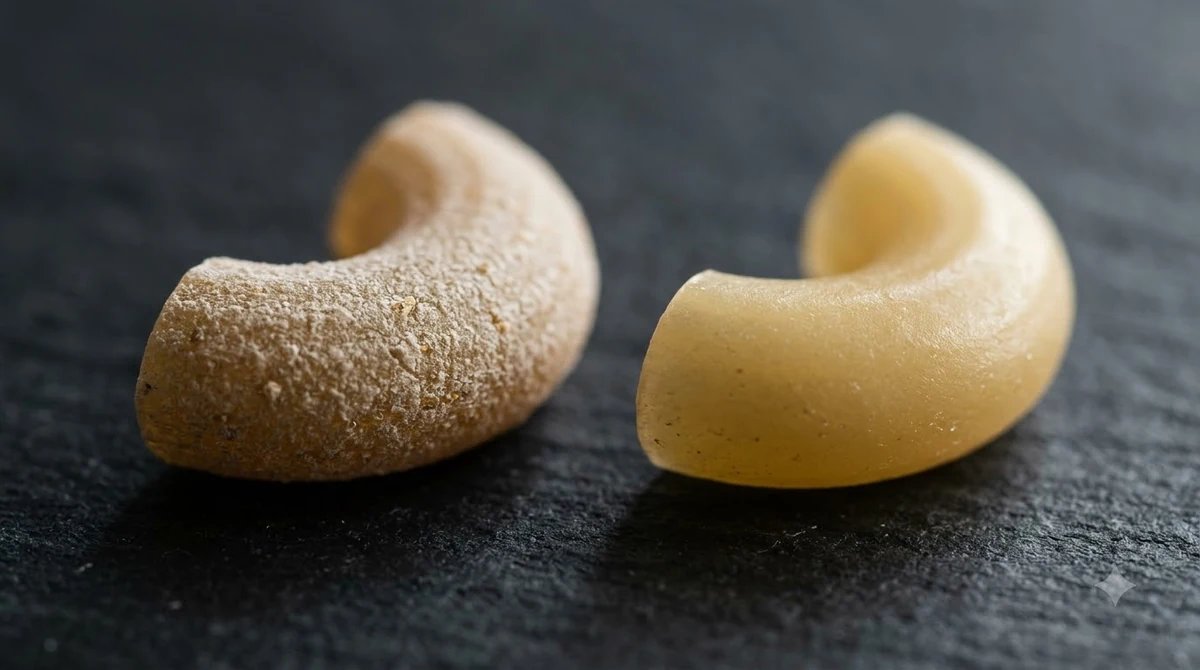
- Fresh: about 4 to 6 minutes. Start tasting at 4 minutes, then check every 30 seconds.
- Dried: about 9 to 11 minutes.
- Homemade: 5 to 7 minutes, until al dente, in a large pot of well-salted water.
Cook busiate pasta in a large pot of salted water, and do not rely on a single time from the chart alone.
Fresh and dried versions of busiate pasta do not behave the same way: the dried range is roughly twice the fresh one, so never swap one timing for the other without tasting. Drain once the pasta is tender but still firm at the center. Taste a piece before you drain, because the thin coil can soften faster than a longer pasta shape.
Sauces and Pairings for Busiate
Pesto alla trapanese is the traditional partner for busiate, made with almonds, tomatoes, garlic, basil and extra virgin olive oil. Specialist guides also list other pestos and simple tomato sauces as good matches.
| Sauce | Why it suits | Key ingredients |
|---|---|---|
| Pesto alla trapanese | The traditional pairing from Trapani | Almonds, fresh tomatoes, garlic, basil, olive oil |
| Radicchio pesto | Listed by The Pasta Project as another pesto option | Radicchio |
| Pistachio pesto | Listed by The Pasta Project as another pesto option | Pistachios |
| Tomato sauce | A simpler option that The Pasta Project also lists | Tomatoes, garlic, olive oil |
Pesto alla trapanese is built from almonds, tomatoes, garlic, basil and extra virgin olive oil, so it tastes of tomato and nuts rather than cheese. The hollow center of busiate pasta catches the sauce, and the coils hold small pieces of almond and tomato.
Seafood is another common pairing, and The Pasta Project lists it alongside the pestos and tomato sauces, so a light fish or shellfish dish suits busiate pasta well. Because the center is hollow, the coil traps sauce inside as well as between the turns. If you make your own pesto, practice the basil and almond base first, because that base sets the flavor of the whole plate.
Busiate and Maccheroni Inferrati
Maccheroni inferrati is a related Sicilian style that is coiled vertically on a long pin, so it looks closer to bucatini pasta than to busiate. The two shapes are easy to confuse on a shop shelf, so the coiling method is the clearest difference when you compare busiate pasta with its cousin. Another hollow spiral to compare is fusilli bucati pasta, a southern Italian corkscrew with a hole through its center.
| Feature | Busiate trapanesi | Maccheroni inferrati |
|---|---|---|
| Coil direction | Diagonal | Vertical |
| Traditional tool | A twig of the ampelodesmos grass | A long pin, such as a knitting needle |
| Overall look | Spiral | Closer to bucatini |
Making Busiate Pasta at Home
According to Pasta Evangelists’ busiate guide, homemade busiate pasta starts with 200 grams of semolina and 100 milliliters of warm water, then rests for 15 to 20 minutes before shaping. The dough is simple, so the main skill is the even coil. Because it contains only semolina and water, this dough is naturally egg-free, which suits a vegetarian table as long as the sauce is meat-free.
- Mix 200 grams of semolina or finely ground durum flour with a pinch of salt.
- Add 100 milliliters of warm water. If the dough feels dry, add more warm water one tablespoon at a time.
- Knead for about 10 minutes, until the dough is smooth and springy.
- Cover the dough and rest it for 15 to 20 minutes at room temperature.
- Roll, cut and coil the pieces around a bamboo skewer held at about 45 degrees.
Choose a thin skewer and wind the pieces evenly, and keep the coils the same thickness so they cook at the same pace. Dried busiate from a shop is the faster option on a busy weeknight. If you enjoy hand-shaping, cavatelli pasta is another beginner-friendly shape, and a basic fresh pasta dough recipe shows the egg-based alternative to this semolina dough. More shapes are in the pasta learn guides.
Frequently Asked Questions
What does busiate mean?
Busiate comes from busa, the Sicilian word for the stem of the Ampelodesmos mauritanicus grass. The name points to how the pasta is formed, since the traditional version is coiled around a twig cut from that same stem. Busiati is another spelling you will see on labels and in recipes, so busiate pasta and busiati refer to the same shape.
Do I need a special tool to shape busiate?
Traditional makers use a slender twig or a thin rod called a ferretto. At home, a bamboo skewer works just as well, according to a specialist pasta guide. Hold it at about 45 degrees, wrap the dough around it, and coil toward you. Slip the finished spiral off gently, and twist the rod in the opposite direction if it sticks.
How long does busiate take to cook?
Fresh busiate usually takes about 4 to 6 minutes, and dried busiate about 9 to 11 minutes, according to The Pasta Project. Homemade versions can take 5 to 7 minutes. Start testing a few minutes early, and taste for al dente, because the thickness of the coil changes the timing.
What sauce goes best with busiate?
Pesto alla trapanese is the traditional choice, made with almonds, fresh tomatoes, garlic, basil and extra virgin olive oil. Specialist guides also suggest radicchio pesto, pistachio pesto and tomato sauces. Seafood is another common partner, so choose the sauce you already enjoy most.
Where can I buy busiate pasta?
Check specialty Italian food shops and online retailers that stock Sicilian pasta. Look for busiate or busiati on the label, since the name may be printed in either spelling. Stock can vary, so compare shipping costs and pack sizes before you order a larger quantity.
Busiate pasta rewards a little practice, and dried packs make it easy to start. Pick a pesto or tomato sauce you already like, shape a small test batch of busiate pasta if you want to try the traditional method, follow the cooking time on the pack, and taste early so the pasta stays tender.