
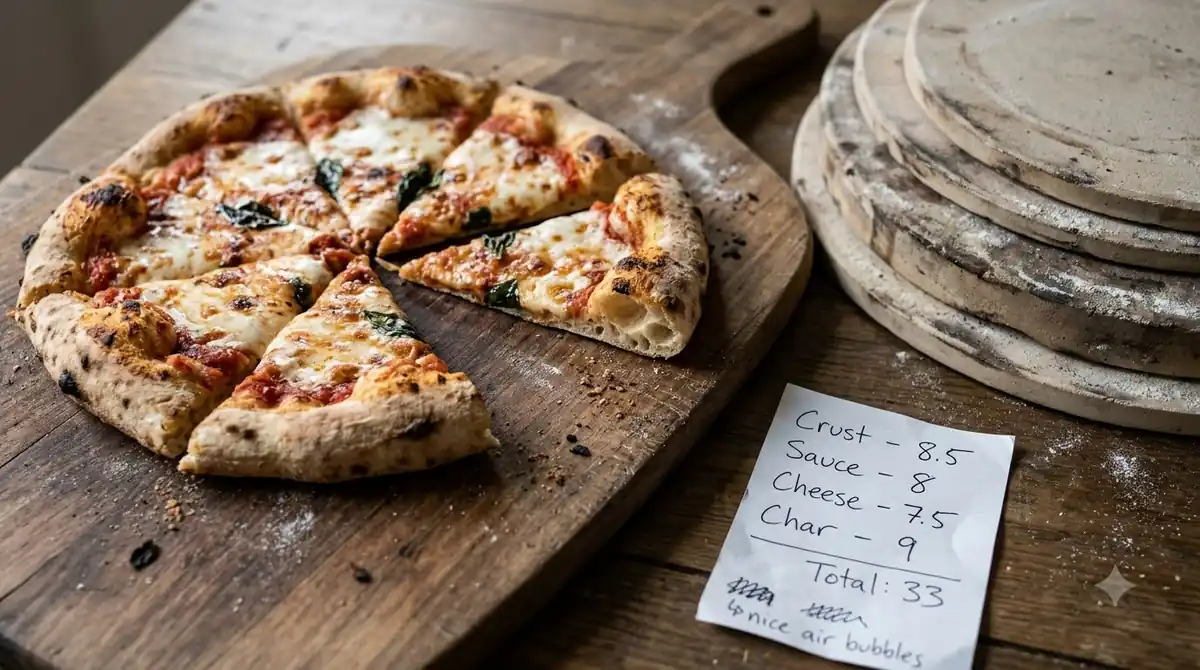

Calzone vs stromboli comes down to shape, fillings, and sauce. A calzone is folded into a crescent with the filling sealed inside, while a stromboli is usually rolled into a cylinder and served with marinara on the side. Both are baked dough wrapped around cheese and cured meat, so the two are easy to mix up.
Calzone vs Stromboli: Where Each One Comes From
A calzone is an oven-baked folded pizza from southern Italy, while the stromboli is an Italian-American dish that took shape in the Philadelphia area by the mid-20th century. The calzone is the older regional food, and the stromboli is an American take on the same idea.
According to Wikipedia’s calzone article, the name means “pants” or “trouser leg,” and the dish is tied to Campania and Apulia in Italy. The same article notes that fried folded pizza is usually called panzerotti, which is a separate dish.
The stromboli has a murkier history. One Pennsylvania restaurant says its owner first used the name in 1950, in Essington, while the name may also refer to the volcanic island off Sicily. Treat the 1950 date as one restaurant’s account, not a settled record.

Shape: Crescent or Cylinder
A calzone is usually folded into a crescent, while a stromboli is usually rolled into a cylinder, though some shops fold theirs the way a calzone is folded. Shape is the clearest visual clue when you compare calzone vs stromboli on a plate.
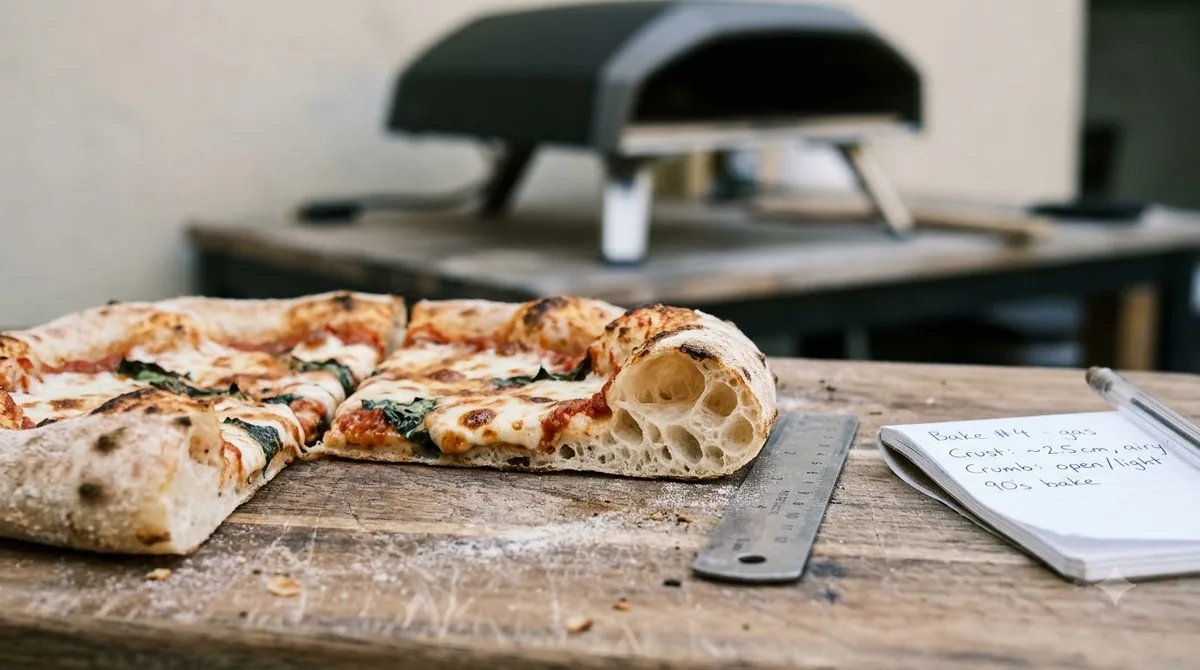
In calzone vs stromboli terms, a crescent seals the filling inside a half-moon of dough. A rolled stromboli is closer to a jelly roll, so a sliced piece shows the filling as a spiral or as layers rather than a pocket.
Shape alone is not a perfect test. King Arthur’s calzone recipe rolls the dough jelly-roll style and then pinches the seam and ends together very tightly before baking. A rolled bake labeled calzone is possible, so the menu description is a better guide than the name alone.
Dough: Bread Dough or Pizza Dough
Both dishes can use bread dough or pizza dough, so the dough alone does not decide which one you are eating. Wikipedia describes a typical calzone as salted bread dough baked in an oven, and it lists Italian bread dough or pizza dough for the stromboli. That overlap is one reason calzone vs stromboli menus confuse diners.
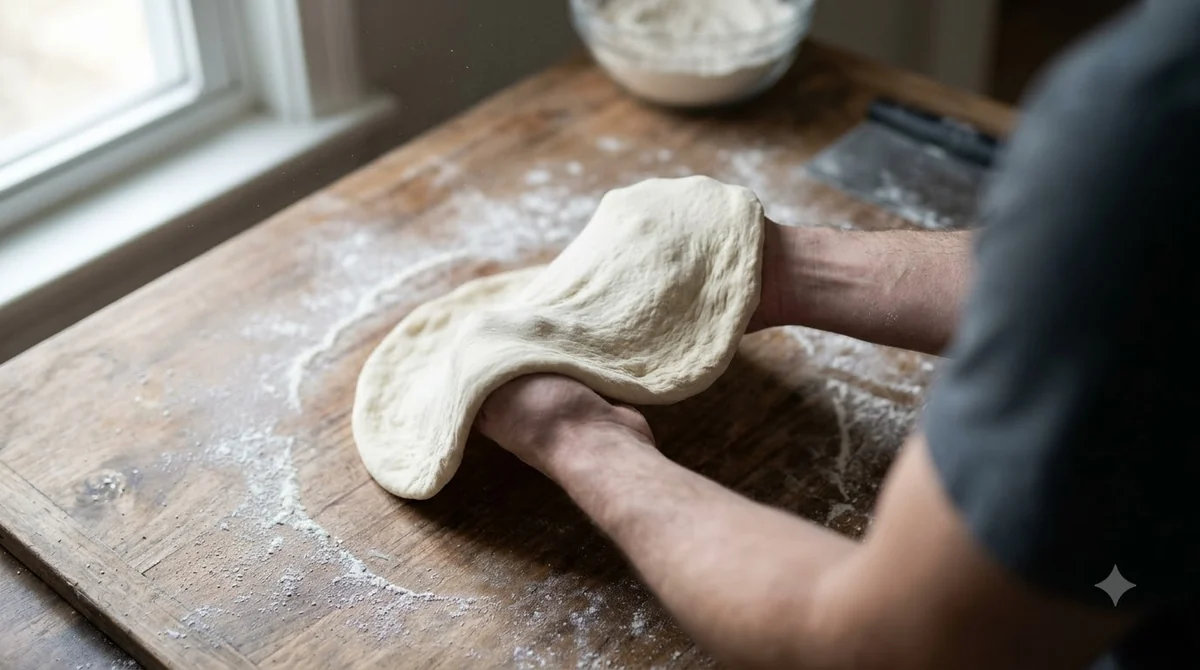
A home recipe shows what a bread-style dough for calzone vs stromboli involves. King Arthur’s calzone dough uses 454 grams of lukewarm water at 110°F, 723 grams of all-purpose flour, 18 grams of salt, 11 grams of sugar, and 2 1/4 teaspoons of yeast. After shaping, the recipe lets the dough rise for 45 minutes to an hour before baking. If you would rather skip kneading, a no-knead pizza dough is one alternative base.
A very thin pizza dough can tear around a heavy filling. Keep the rolled sheet an even thickness, and seal the edges with extra care when you use pizza dough for either one. If you need a refresher, see how to stretch pizza dough and shaping pizza dough balls.
Fillings: What Goes Inside Each One
A traditional calzone holds prosciutto or salami, mozzarella or ricotta, Parmesan or pecorino, and an egg, according to Wikipedia’s ingredient list. Regional versions can include other pizza toppings, so a calzone is closer to a folded pizza with a set of common fillings than to a fixed recipe.
In the calzone vs stromboli comparison, the stromboli is also built around cheese and cold cuts, but its list is a little different. Wikipedia’s stromboli article lists mozzarella with salami, capocollo, and bresaola, or with vegetables. The same article says Romano’s original version included ham, cotechino, cheese, and peppers, though that is one account of the original recipe.
To tell calzone vs stromboli fillings apart, look at the filling: if it is mainly ricotta and cured meat folded into dough, you are more likely eating a calzone. If it is a long roll of cheese and sliced cold cuts served with a sauce for dipping, you are likely eating a stromboli. Many shops mix the styles, so the menu description matters most.
Sauce: Inside the Dish or on the Side
Calzones typically have no tomato sauce inside, while stromboli is usually served hot with marinara alongside. That difference changes how each one eats, and it matters most when you compare calzone vs stromboli for a sit-down meal.
A calzone is sealed around its filling, so you normally eat it without a sauce layer. A stromboli is typically served with marinara on the side, and Wikipedia notes that some versions add pizza sauce inside the roll. Before you order, check whether the calzone vs stromboli sauce is inside or in a cup.
| Feature | Calzone | Stromboli |
|---|---|---|
| Origin | Southern Italy, Campania and Apulia | Italian-American, Philadelphia area by the mid-20th century |
| Shape | Folded into a crescent | Usually rolled into a cylinder |
| Dough | Salted bread dough | Italian bread dough or pizza dough |
| Typical filling | Prosciutto or salami, mozzarella or ricotta, Parmesan or pecorino, egg | Mozzarella with salami, capocollo, bresaola, or vegetables |
| Sauce | Typically none inside | Marinara served hot, often alongside |
| Fried version | Panzerotti are a separate fried dish | Some are deep-fried like a panzerotto |
Baking Times and Oven Temperatures
Neither Wikipedia article gives a baking temperature or time, so the only figures here come from King Arthur’s calzone recipe: 450°F, then 400°F, for 30 minutes in total.
That recipe preheats the oven to 450°F and bakes for 15 minutes, then lowers the heat to 400°F for another 15 minutes, until the crust is golden brown. It asks you to let the calzone cool and set for 10 to 15 minutes before slicing, and it yields two 14-inch calzones without stating a number of servings.
For calzone vs stromboli baking, the stromboli article gives no oven temperature, baking time, or doneness cue. Use a tested stromboli recipe, such as our stromboli recipe, for those numbers, and check the oven guidance that comes with your own dough. A roll with a thick filling needs its center heated through, so cut a test piece if you are unsure.
How to Choose Between a Calzone and a Stromboli
Deciding calzone vs stromboli for a meal comes down to how you want to serve it. Choose a calzone for a sealed, hand-held portion, and choose a stromboli for sliced pieces with sauce to dip.
- Pick a calzone when you want one folded portion with cheese and cured meat sealed inside.
- Pick a stromboli when you want sliced pieces to share, with marinara served alongside.
- Ask about the shape when the menu says calzone, since a rolled bake is sometimes sold under that name.
The trade-off is in the sealing. A crescent seam and a rolled seam both need firm pinching, so the skill carries over when you move between calzone vs stromboli at home.
Common Mistakes When Making Either One
The most common problem with either dish is a seam that opens in the oven, so pinch the edges firmly and leave a border of dough around the filling.
- Filling right to the edge. King Arthur’s recipe says to leave room around the outside edge before rolling.
- A loose seam. The same recipe says to pinch the seam and ends together very tightly.
- Cutting too early. The recipe lets the calzone cool and set for 10 to 15 minutes before slicing.
- Trusting the name on a calzone vs stromboli menu. Check the menu description or the shape, not the label alone.
What the Sources Do Not Settle
The sources agree on how calzone vs stromboli differ in shape and fillings, but they do not settle the stromboli origin date or any stromboli baking time. The 1950 date comes from one restaurant’s own account, so it is a claim rather than a verified record.
The calzone’s history needs the same care. Wikipedia reports the name meaning “trouser leg,” but it cites a commercial food website for the idea that calzones were made small enough to fit in a working person’s pocket. That detail is left out here because the cited source is not a historical record.
For exact dough weights, oven settings, and servings, use a tested recipe from a source that names its method. Treat any number without a named source as an estimate to check.
Frequently Asked Questions
Is a stromboli the same as a calzone?
No. Calzone vs stromboli differ in shape: a calzone is folded into a crescent and typically has no sauce inside, while a stromboli is usually rolled into a cylinder and served with marinara on the side. Some shops blur the line, so the menu description is the safest guide.
Can you use the same dough for both?
Yes. For calzone vs stromboli dough, Wikipedia lists bread dough for both dishes, and it also lists pizza dough for the stromboli. A bread-style dough, such as the one in King Arthur’s calzone recipe, is a reasonable starting point for either one.
Which one is easier to make at home?
Neither dish is hard once the dough is ready, so the calzone vs stromboli choice comes down to taste. The main skill is sealing the seam, which applies to both, so practice pinching the edges firmly before you worry about shape.
Does a calzone have tomato sauce inside?
Usually not. Wikipedia says calzones typically lack tomato sauce inside, and marinara is usually served alongside. King Arthur’s recipe does spread a thin layer of sauce on the dough before the filling, so check the recipe or menu if you want a sauced version.
Where did the stromboli get its name?
The name is disputed. One Pennsylvania restaurant says its owner first used the name in 1950, and Wikipedia notes that the name may refer to the volcanic island off Sicily. Treat any single origin story as a claim rather than a settled fact.
If you are choosing calzone vs stromboli on a menu, decide what you want to eat first: a sealed crescent with the filling inside, or sliced rolls you can share with sauce on the side. If you are cooking at home, master the seam, since that skill matters for both. Check any oven temperature against a named, tested recipe before you bake.
 8 min readLearnStromboli Recipe: Dough, Fillings and Bake Times for Home OvensUpdated Nov 10, 2026
 6 min readLearnOoni Calzone: Temperature, Timing and Fillings That WorkUpdated Nov 13, 2026
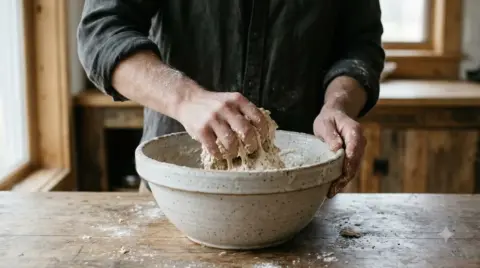 5 min readLearnHow to Make Calzone Dough: Flour Blend, Rise Time and Make-Ahead TipsUpdated Nov 13, 2026
 8 min readLearnCalzone Recipe: Dough, Filling and Bake Times for Home and Pizza OvensUpdated Nov 10, 2026
 9 min readLearnBaked Ziti Recipe: Two Reliable Versions and How to Make ThemUpdated Nov 10, 2026
 10 min readLearnHow to Cook Pasta in the Oven: Two Simple MethodsUpdated Nov 10, 2026