
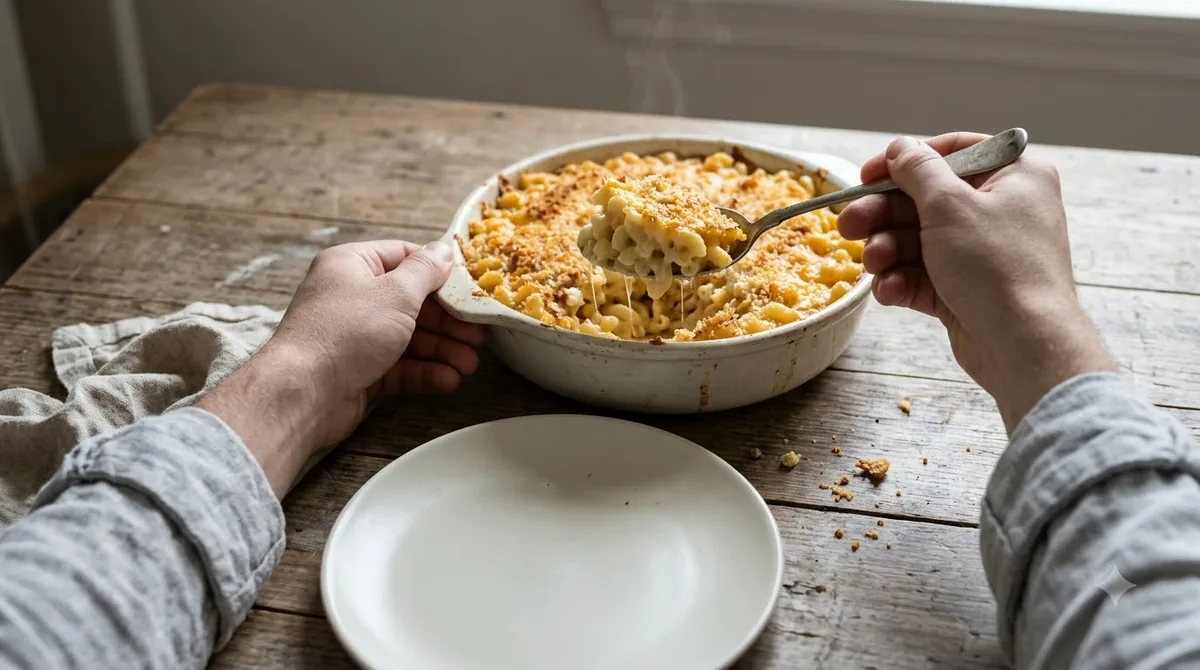

Learning how to cook pasta in the oven usually means baking it in a dish with sauce and cheese. Italians call this style pasta al forno, and it is the most common way pasta is finished in the oven. There are two approaches: a baked dish made with pre-cooked pasta, and dry pasta that finishes cooking in sauce. The general references for this guide give no oven temperature or bake time, so the one example below comes from a tested recipe and your own recipe has the final say.
What Cooking Pasta in the Oven Really Means
Pasta al forno is a baked dish in which pasta is layered or mixed with sauce and cheese, then cooked in the oven. It is the form of baked pasta most people mean when they ask how to cook pasta in the oven.
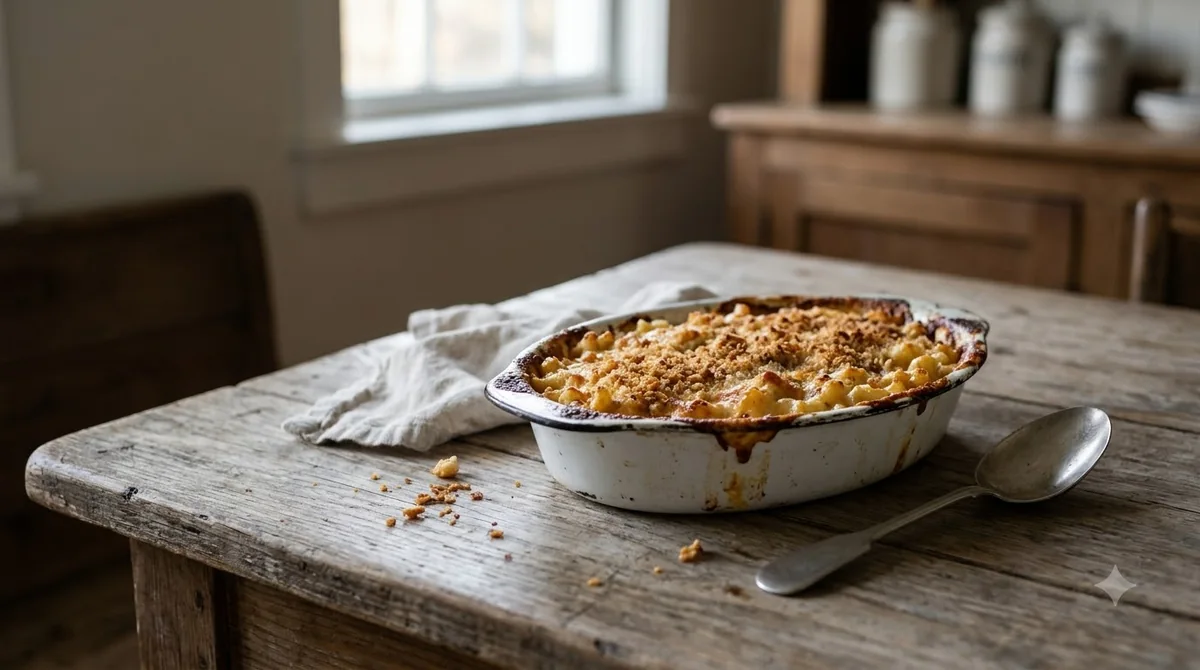
According to Wikipedia’s entry on pasta al forno, the dish is usually made with short pasta covered with béchamel sauce, tomato sauce and cheese, then cooked in the oven. The same entry gives other names for it, including timballo di pasta and pasta pie. The version with béchamel is linked to the Renaissance courts of central and northern Italy.
The idea behind how to cook pasta in the oven is simple. Cooked pasta absorbs flavor from the sauce, and the oven sets the top with melted cheese. That is why how to cook pasta in the oven usually points to a layered dish rather than a bowl of boiled pasta with sauce spooned over it.
Before you shop, decide which way of how to cook pasta in the oven fits your plan. A baked dish takes more hands-on steps, but it gives you a finished, portioned meal that holds together on the plate. A dry bake is closer to a one-pan approach, but it depends on the recipe and needs close attention to the liquid. Making that choice first saves you from buying the wrong shape or cooking the pasta for too long.
Method 1: Bake a Pasta Dish With Pre-Cooked Pasta
To learn how to cook pasta in the oven this way, boil the pasta first, mix it with sauce and cheese in a baking dish, then bake until the dish is hot through and the top is bubbling.
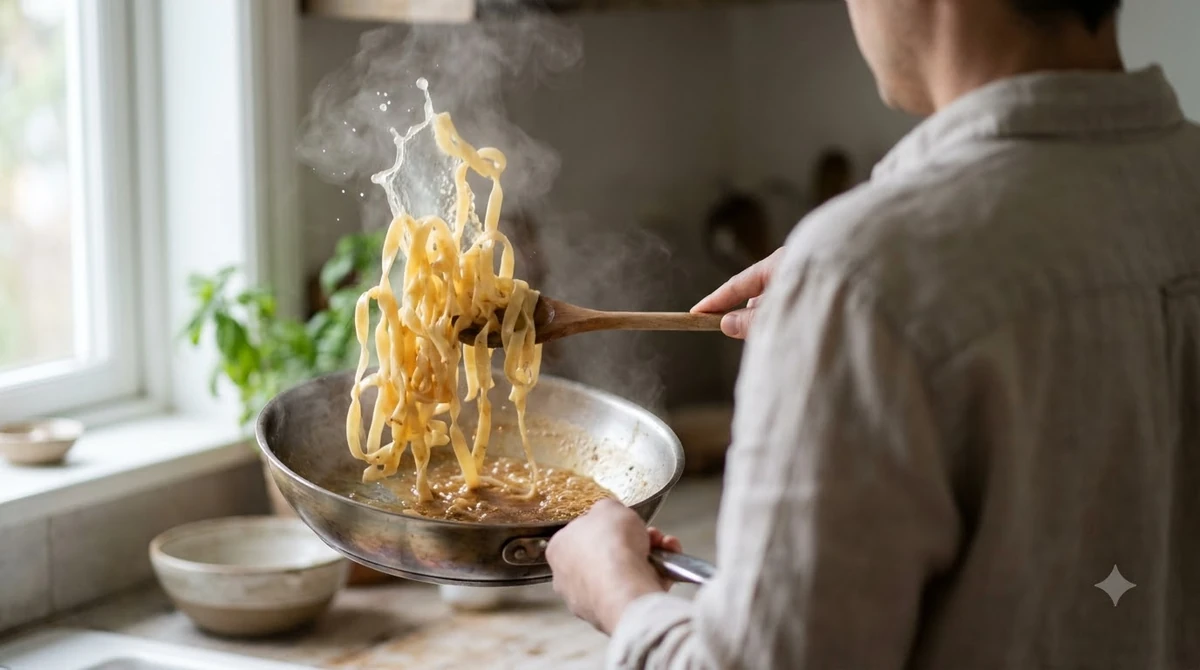
- Cook the pasta in a large pot of hot water until it is firm to the bite. Salt the cooking water, since Italian pasta is cooked in salted water, as described in Wikipedia’s overview of pasta.
- Drain the pasta and keep it slightly firmer than you would for serving at the table, the same stage explained in how to cook pasta al dente. It keeps softening in the sauce and again in the oven.
- Prepare your sauce. Tomato sauce, meat ragù or béchamel all work, and the recipe you follow decides which one to use.
- Spread half the pasta in the dish, add half the sauce and some grated cheese, then repeat. Short pasta can be tossed together in one go.
- Bake at the temperature and for the time your recipe gives, until the middle is hot and the cheese is golden and bubbling. As one reference point, Taste of Home’s baked ziti cooks 16 ounces of ziti or small tube pasta to package directions, then bakes it covered at 350°F for 1 hour or until heated through. That recipe makes two 13×9-inch casseroles, so adjust for a smaller dish, and see the full baked ziti recipe for a home-sized version.
Lasagne follows the same logic when you cook pasta in the oven in layers, and how to make lasagna walks through it. Wikipedia’s lasagne entry describes cooked pasta assembled with fillings, topped with grated cheese, and then baked. Some modern Genoese versions leave out the béchamel and use boiled pasta instead, so the sauce choice is flexible.
Method 2: How to Cook Pasta in the Oven Without Pre-Boiling
Dry pasta can finish cooking in a sauce in the oven, but the amount of liquid and the timing depend on the recipe, and the sources used for this guide do not state either one.
The logic behind how to cook pasta in the oven without boiling it first comes from how pasta behaves in sauce. Wikipedia notes that Italian pasta is often cooked to be al dente, still firm to the bite, and that it finishes cooking in the sauce, which softens it further. A dry-pasta bake relies on that second stage of cooking.
- Use enough sauce or liquid that the pasta can finish cooking without drying out. Check the recipe for the exact amount.
- Cover the dish while it bakes, then uncover near the end so the top can brown.
- Test a piece of pasta before serving. Judge doneness by biting it, not only by the clock.
- Keep stuffed shapes such as tortellini out of this method. Wikipedia notes that stuffed pasta can break apart at high temperatures.
A typical setup for this method is to spread the sauce in the dish, add the dry pasta, and make sure each piece sits in liquid before the dish goes in the oven. Stir or turn the pasta partway through so the pieces do not stick together. This is the core of how to cook pasta in the oven without boiling it first.
Wikipedia also states that cooking temperature does not generally matter much for boiled pasta. For a dry bake, though, the temperature is set by the recipe, and it is the main factor that controls how the sauce thickens and the top browns.

Best Pasta Shapes for Baking
Short tube shapes and flat sheets hold sauce and cheese best in a baked dish, while long strands suit a bowl better than a layered pan. Shape is the first decision in how to cook pasta in the oven.
| Pasta shape | Why it suits the oven | Typical dish |
|---|---|---|
| Ziti | Extruded tube from Sicily that holds sauce inside and out | Baked ziti with béchamel, ragù and cheese, per Wikipedia’s baked ziti entry |
| Short pasta | The usual base for pasta al forno, easy to layer and portion | Pasta al forno with tomato sauce and cheese |
| Lasagne sheets | Flat sheets stacked with alternating fillings | Layered lasagne with ragù, béchamel and Parmesan |
| Stuffed pasta | Can break apart at high heat, so it needs gentler handling | Better in a light sauce or boiled first, not in a hot dry bake |
Ziti pasta and other short shapes layer easily, while long strands such as spaghetti are harder to layer, so they work better when tossed in sauce and served right away. If your recipe calls for a baked dish, pick a short shape so each portion holds together. Choosing the shape early is part of how to cook pasta in the oven well, because the shape decides how the sauce clings and how the portions cut.
Fresh Versus Dried Pasta in the Oven
Fresh pasta takes about half the time to cook as dried pasta, so it needs a shorter stay in boiling water before it goes into the dish. That difference matters most for how to cook pasta in the oven with a short bake time.
If you use fresh pasta in a baked dish, shorten the boil, since the sauce and the oven finish the job. The shorter boil is the main difference when you learn how to cook pasta in the oven with fresh sheets or shapes, and it is the step most often overlooked.
Quantity also differs when you plan how to cook pasta in the oven for a group. According to Wikipedia’s pasta entry, about 0.5 kg (1 lb) of dried pasta feeds up to four people, because it roughly doubles in size as it cooks. Fresh pasta does not expand much, so about 0.7 kg (1.5 lb) is the generous amount for four people. Plan the dish size with this in mind (see how much pasta per person), since a baked pan has to hold the cooked volume.
Common Mistakes When Baking Pasta
Most problems with how to cook pasta in the oven come from cooking the pasta too long before baking, using too little sauce, or exposing stuffed shapes to high heat.
- Boiling the pasta to fully soft. It keeps softening in the oven, so the result turns mushy.
- Adding salt to speed up the water. Wikipedia states that the amount of salt has no influence on cooking speed, so salt only seasons the pasta.
- Skipping a test piece. Taste and bite the pasta before the dish comes out of the oven.
- Using stuffed pasta in a dry bake, where the shapes can split.
- Forgetting that pasta keeps cooking. It softens in the sauce and again in the oven, so a dish that looks right at the start can be soft by the end. Pull it out when the cheese has melted and the pasta still holds its shape.
Avoiding these errors makes how to cook pasta in the oven far more predictable, even when you change the sauce or the shape from one dish to the next.
Frequently Asked Questions
Do I need to boil pasta before baking it?
For a baked dish in the style of pasta al forno, yes, because that is the standard way to cook pasta in the oven for a layered dish. The pasta is cooked in hot water first, then combined with sauce and cheese. Dry pasta cooked directly in sauce is a different method and needs its own recipe with the liquid and timing listed.
Can I cook dry pasta directly in the oven?
Yes, some recipes show how to cook pasta in the oven by baking dry pasta in a sauce with enough liquid. The temperature, liquid and time vary by recipe, so follow a tested one and check the pasta for doneness before serving.
Which pasta shape is best for baking?
Ziti and other short tube shapes, along with lasagne sheets, hold sauce and cheese well in a dish. Long strands are better tossed in sauce than layered in a pan.
Why is my baked pasta dry?
The most common causes of dry results when you learn how to cook pasta in the oven are overcooking the pasta before baking and using too little sauce. Add more sauce before baking, and cover the dish for part of the bake to keep moisture in.
Should I cover pasta while it bakes?
Covering the dish for part of the bake traps steam and helps the pasta stay moist. Uncover near the end so the cheese can brown. The cover time is set by the recipe, so follow the one you chose for how to cook pasta in the oven.
Does salt in the water change cooking time?
No. According to Wikipedia’s pasta entry, the amount of salt has no influence on cooking speed. Salt in the water seasons the pasta, but it will not shorten the time in the pot.
Choose your method for how to cook pasta in the oven by how much time you have and how much sauce your recipe uses. A baked dish with pre-cooked pasta is the most predictable choice for a first try, and it gives you a reliable result even when the oven runs a little hot or cool.
 8 min readLearnBurrata Pizza Recipe: Ingredients, Oven Settings and MethodUpdated Nov 11, 2026
 7 min readLearnBow Tie Pasta vs Farfalle: Same Shape, Two NamesUpdated Nov 14, 2026
 9 min readLearnBaked Ziti Recipe: Two Reliable Versions and How to Make ThemUpdated Nov 10, 2026
 9 min readLearnCalzone vs Stromboli: Where the Two Italian Favorites DifferUpdated Nov 10, 2026
 9 min readLearnZucchini Pizza Recipe: Two Easy Ways to Make It at HomeUpdated Nov 11, 2026
 8 min readLearnGorgonzola Cream Sauce Recipe: Two Easy VersionsUpdated Nov 11, 2026