
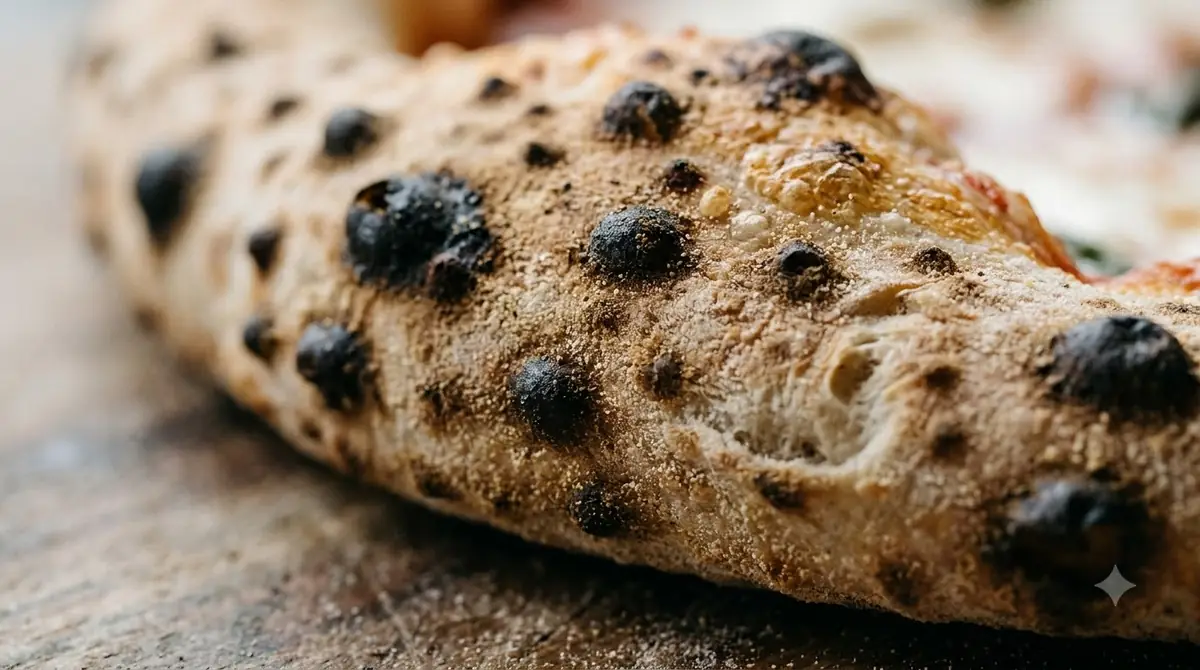

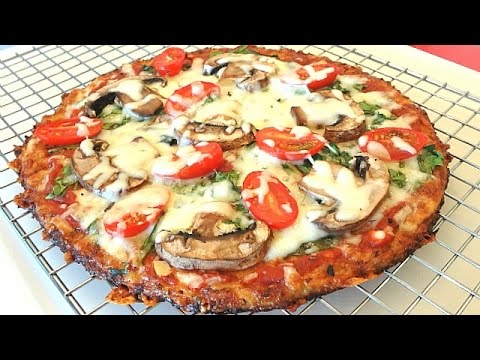
A cauliflower pizza crust recipe uses riced cauliflower in place of a wheat dough, binds it with egg and cheese, and bakes it until firm enough to top. Published versions differ on the binder, the oven temperature and the bake time, so the right recipe depends on the texture you want.
Three published cauliflower pizza crust recipes, from America’s Test Kitchen, Food Network and Food Republic, are compared below. The table shows which binder and oven setting each one uses.
What Goes Into a Cauliflower Pizza Crust Recipe
Every cauliflower pizza crust recipe here starts with a head of cauliflower and a binder of egg and cheese, and one version adds chickpea flour. The amounts differ from one source to the next, so the table after the photo compares the three versions side by side.
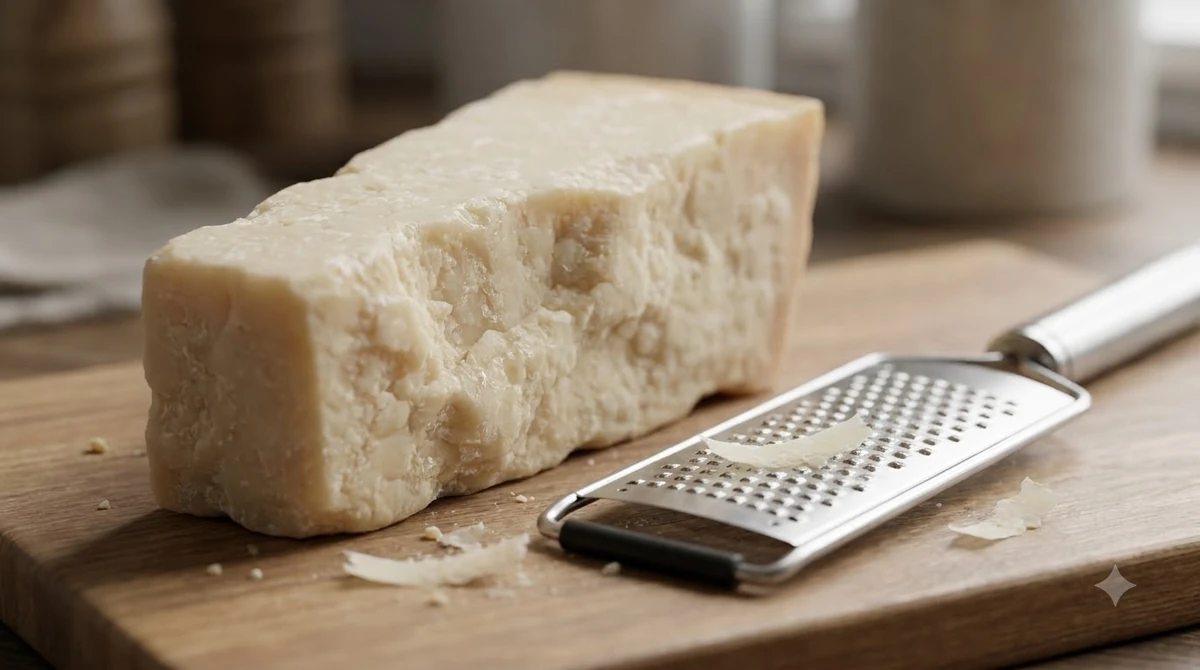
America’s Test Kitchen builds its crust from one 2-pound head of cauliflower, cut into about 7 cups of florets, with 1 cup of chickpea flour, 2 large eggs, 1/2 cup of olive oil and 6 ounces of grated Parmesan (3 cups). This cauliflower pizza crust recipe makes two 12-inch flatbreads. The test kitchen says the idea comes from socca, an Italian chickpea pancake, and that the flour gives the crust the structure it needs to hold together. America’s Test Kitchen’s chickpea flatbread recipe lists the full method.
The Food Network article by Leah Brickley takes a smaller approach. It uses about 5 cups of cauliflower from one small head, 2 ounces of shredded Asiago (1 cup), one large egg, one minced garlic clove and 1/2 teaspoon of salt. Dried Italian seasoning or oregano is optional. Its ingredient list has no flour.
Food Republic tested a different binder in 2015. Its crust uses one lightly beaten egg, 1/4 cup of gluten-free bread crumbs and 1/4 cup of the 1 1/2 cups of shredded mozzarella. The author added the bread crumbs to reduce dampness and add crunch, and concluded that the trick “only half worked.”
| Version | Binder | Oven | Bake time |
|---|---|---|---|
| America’s Test Kitchen | 1 cup chickpea flour, 2 eggs, 3 cups grated Parmesan | 475°F | About 12 minutes per crust, turned halfway |
| Food Network (Leah Brickley) | 1 egg, 1 cup shredded Asiago | 475°F | About 15 minutes to parbake |
| Food Republic (2015) | 1 egg, 1/4 cup gluten-free bread crumbs, 1/4 cup mozzarella | 375°F | 15 to 20 minutes, until lightly browned |
Step-by-Step Method for This Cauliflower Pizza Crust Recipe
All three versions of this cauliflower pizza crust recipe follow the same sequence: process the cauliflower, remove its moisture, mix in the binder, press a thin round and bake the base before adding toppings. The steps below combine the Food Network and America’s Test Kitchen methods.
- Pulse the cauliflower in a food processor until it reaches the “consistency of couscous.” Food Network says this should yield about 4 cups.
- Wring the riced cauliflower in a clean kitchen towel to remove as much moisture as you can before mixing.
- Mix the cauliflower with the egg and cheese until the mixture is tacky but not gooey or soupy, as Food Republic recommends.
- Divide the batter if the recipe makes two crusts. Press each portion between parchment sheets into a 12-inch round about 1/4 inch thick, as America’s Test Kitchen directs.
- Bake on a preheated stone (see how to use a pizza stone) or sheet until the edges are crisp and the top is golden. Check the bake time in your own cauliflower pizza crust recipe, since the sources range from about 12 to 20 minutes.
- Add a light layer of sauce and toppings, then bake again until the cheese is melted and bubbling. Food Network gives about 4 minutes, America’s Test Kitchen about 5 minutes and Food Republic 7 to 10 minutes.
America’s Test Kitchen moves each baked crust to a wire rack and discards the bottom parchment before repeating the process with the second half of the batter. Work through the crusts one at a time so each one can cool on the rack before you top it.
How to Remove Enough Moisture
Wringing out the riced cauliflower is the step the sources stress most in any cauliflower pizza crust recipe, and Food Republic recommends squeezing it over a sink until very little moisture remains.
Food Republic also compared two ways of cooking the florets before ricing. The author preferred blanching them in well-salted water over microwaving, arguing that blanching kept the cauliflower’s integrity better.
Food Republic also reported that its early mixture felt too mushy, and that the baked base stayed soft underneath with no crunch. The mixture should feel tacky when you press it together, which is the texture the author’s final batch reached.
Oven Temperature and Bake Times
The published versions bake at either 475°F or 375°F, so check the temperature in your recipe before you set the oven.
America’s Test Kitchen preheats a baking stone at 475°F for one hour, placed on the upper-middle rack. Each crust bakes for about 12 minutes, turned halfway through, until the edges are crisp and the top is golden. The assembled flatbreads then take about 5 minutes more, until warmed through.
Food Network also uses 475°F. Its crust is parbaked for about 15 minutes, until it is “barely golden and darker at the edges,” and the topped crust then bakes for about 4 minutes, until bubbly.
Food Republic’s 2015 version used a lower setting of 375°F, with 15 to 20 minutes for the crust and 7 to 10 minutes after the toppings go on. Because the sources disagree by 100°F on the setting for a cauliflower pizza crust recipe, the oven’s own manual and an oven thermometer are the best checks before you bake.
Common Problems and Fixes in a Cauliflower Pizza Crust Recipe
A soft or soggy cauliflower crust usually traces back to moisture in the mix or in the topping, and the sources point to the same few fixes. For general tips, see how to get a crispy pizza crust.
- The base is wet or gooey: keep wringing the cauliflower until very little moisture remains, then check that the mix is tacky, not soupy.
- The crust falls apart: America’s Test Kitchen adds chickpea flour because it gives the crust structure, while the egg-and-cheese versions rely on the binder alone.
- The base is soft underneath: Food Republic found the crust had no crunch and reported that its bread crumb fix only partly worked.
- The toppings release water: America’s Test Kitchen cooks its extra cauliflower topping in a skillet for 12 to 15 minutes, until spotty brown and crisp-tender, before adding it to the pizza.
- The crust is too thin to carry toppings: the test kitchen presses each portion of batter to about 1/4 inch before baking.
These fixes work with the method above, so start with moisture removal before you change the binder or the oven setting.
Storing and Freezing the Crust
Food Network says parbaked crusts from a cauliflower pizza crust recipe can be frozen for up to a month, so you can make a batch ahead and top them when you need them. Bake the base first, as explained in our guide to how to par-bake pizza crust, then freeze it before adding toppings.
The sauce that America’s Test Kitchen pairs with its crust, a blend of parsley, roasted red peppers, walnuts and sherry vinegar, keeps refrigerated for up to 3 days, which makes it practical to prepare alongside the crusts.
Is a Cauliflower Pizza Crust Recipe Right for You?
A cauliflower pizza crust recipe suits cooks who want a vegetable-based base and can accept a texture that differs from yeast dough. The sources describe soft centers and crisp edges rather than the chew of a yeast crust. Another low-carb base is covered in our keto pizza crust recipe.
America’s Test Kitchen describes its version as a gluten-free crust loaded with vegetables. If you need a strictly gluten-free result, check the labels on the chickpea flour, Parmesan and bread crumbs, since packaging and processing vary by brand. A yeast-based option is our gluten-free pizza dough guide.
The anchovy fillets in the America’s Test Kitchen recipe are optional, and the Food Network and Food Republic binders do not include them. None of the three sources reported nutrition values, so this article does not compare calories or carbohydrates. Check each ingredient’s package for those figures, and note that the Food Republic article dates from 2015.
Frequently Asked Questions
How much cauliflower does a cauliflower pizza crust recipe need?
America’s Test Kitchen uses one 2-pound head, about 7 cups of florets, for two 12-inch flatbreads. Food Network uses about 5 cups from one small head. The amount depends on the recipe you follow, so measure your cauliflower before you start.
Can you freeze a cauliflower pizza crust recipe?
Yes, according to Food Network, which says parbaked crusts can be frozen for up to a month. Parbake the base until it is barely golden, then freeze it before you add the toppings.
What oven temperature should you use?
America’s Test Kitchen and Food Network both use 475°F, while the 2015 Food Republic version used 375°F. Use the temperature in the cauliflower pizza crust recipe you choose, and confirm it against your oven’s manual.
Why does the crust fall apart?
The sources focus most on moisture as the cause. Wring the riced cauliflower thoroughly in a clean towel, and aim for a tacky mixture rather than a soupy one. America’s Test Kitchen also adds chickpea flour for structure.
Is chickpea flour required?
No. A cauliflower pizza crust recipe does not need chickpea flour, though America’s Test Kitchen uses 1 cup for structure. The Food Network and Food Republic versions use egg and cheese, and Food Republic also adds gluten-free bread crumbs, so you can choose the binder that matches what you have.
Should you blanch the cauliflower first?
Food Republic prefers blanching the florets in well-salted water to microwaving them. The America’s Test Kitchen and Food Network summaries used here do not mention blanching, so it is optional in those versions.
Start with the cauliflower pizza crust recipe whose binder matches what you have, and wring the cauliflower until little moisture is left. Check the oven temperature against your recipe and oven manual before you bake, since the sources disagree. If you need a strictly gluten-free result, read the labels on each ingredient.
 8 min readLearnCapricciosa Pizza Recipe: Ingredients, Dough and Baking StepsUpdated Nov 10, 2026
 8 min readLearnCaprese Salad Recipe: Ingredients, Steps and TipsUpdated Nov 12, 2026
 8 min readLearnMinestrone Soup Recipe: Ingredients, Steps and Storage TipsUpdated Nov 12, 2026
 8 min readLearnTortellini Soup Recipe: Ingredients, Steps and Leftover TipsUpdated Nov 11, 2026
 8 min readLearnPotato Gnocchi Recipe: Ingredients, Steps and TipsUpdated Nov 10, 2026
 9 min readLearnPizza Dough Without Yeast: A Baking Powder Recipe for One 12-Inch CrustUpdated Nov 10, 2026