

A caprese salad recipe layers sliced tomatoes, fresh mozzarella and basil, then dresses them with olive oil, salt and pepper. The dish has only a few ingredients, so the quality of each one decides the result. It comes from the Italian island of Capri, and its colors match the Italian flag.
What a Classic Caprese Salad Needs
A classic caprese salad recipe uses 1 1/2 pounds of vine-ripened tomatoes, 1 pound of fresh mozzarella, 1/3 cup of basil and 1/4 cup of extra-virgin olive oil, serving 6 to 8 people. The Food Network Kitchen caprese recipe lists these amounts and gives about 15 minutes of prep time.
- 1 1/2 pounds vine-ripened tomatoes, cored
- 1 pound fresh mozzarella
- 3/4 to 1 teaspoon fine sea salt or fleur de sel
- Freshly ground black pepper
- 1/3 cup packed basil leaves
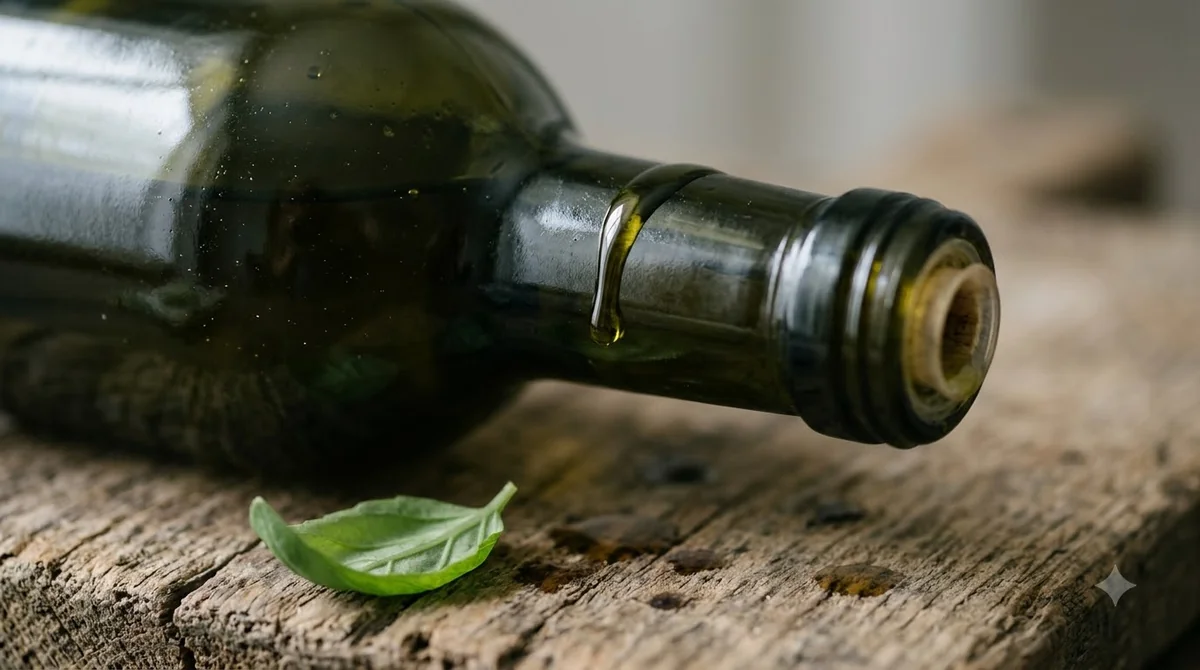
- 1/4 cup extra-virgin olive oil
Gather everything before you start. This caprese salad recipe has no cooking step, so the work is mostly slicing and arranging. That also means the tomatoes and cheese carry the flavor on their own, and there is no sauce or heat to cover up a weak ingredient.

How to Slice and Arrange the Salad
For this caprese salad recipe, slice the tomatoes and mozzarella into 1/4-inch slices, then alternate two or three tomato slices for every cheese slice. The even thickness is what makes the platter look neat and makes each bite taste the same.
- Slice the tomatoes and mozzarella into 1/4-inch-thick slices.
- Arrange them on a platter or individual plates in an alternating pattern, with two or three tomato slices for each cheese slice.
- Season the layers with salt and pepper to taste.
- Scatter the basil over the top, torn or cut into thin strips.
- Drizzle the olive oil over the salad and serve.
Season in stages when the platter is large. A caprese salad recipe like this says to season to taste, so taste a tomato slice before you add the full amount of salt.
Choosing Tomatoes, Mozzarella and Basil
Pick vine-ripened tomatoes and fresh mozzarella, because a caprese salad recipe has no other ingredients to hide weak ones. The Consorzio di Tutela Mozzarella di Bufala Campana DOP says it has been active since 1981 and covers Central and Southern Italy. Its traceability system, in place since 2014, requires everyone in the production chain to record production and transfers.
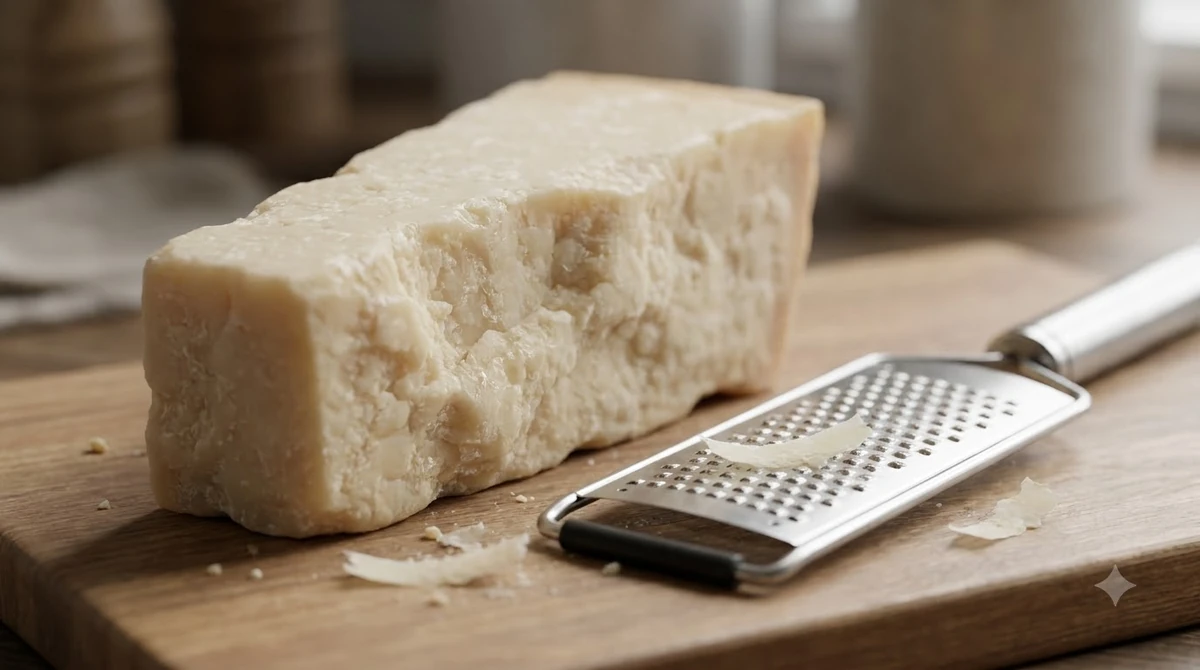
Buffalo mozzarella and fior di latte both appear in a caprese salad recipe. According to Wikipedia’s caprese salad article, fior di latte, made from cow’s milk, is the most popular choice on Capri and the Sorrento Peninsula. Buffalo mozzarella is most common elsewhere in Campania. For more on that cheese, see what is mozzarella di bufala.
| Ingredient | What the sources say | What to look for |
|---|---|---|
| Tomatoes | The recipe calls for vine-ripened tomatoes, cored. Wikipedia says cuore di bue is the most popular variety in Campania. | Ripe, firm fruit that holds its shape when sliced |
| Fresh mozzarella | The recipe calls for 1 pound, sliced 1/4 inch thick. Fior di latte and buffalo mozzarella both fit the dish. | Soft fresh cheese, not dry block cheese |
| Basil | The recipe calls for 1/3 cup of packed leaves, torn or cut into thin strips. | Bright green, unbruised leaves |
| Olive oil | The recipe calls for 1/4 cup extra-virgin olive oil. | The words extra-virgin on the label |
Seasoning, Oil and the Balsamic Question
Use 3/4 to 1 teaspoon of fine sea salt or fleur de sel, plus black pepper, because this caprese salad recipe relies on salt rather than vinegar for flavor. Season to taste and finish with the olive oil. If you want help choosing a bottle, see the best extra virgin olive oil picks.
Wikipedia notes that Italian caprese preparations usually omit vinegar. It reports that the belief behind this is that vinegar would destroy the delicate flavor of fresh mozzarella. The same article lists balsamic vinegar as a possible seasoning in its introduction, so both views exist.
If you want a balsamic version, add a few drops at the end and taste first. The Food Network Kitchen recipe includes no vinegar, so the amounts above describe the version without it.
Serving and Timing
Serve the caprese salad recipe at room temperature, as the Food Network Kitchen recipe directs, and add the basil near the end so it stays fresh. No oven or stove time is involved, because the dish is assembled raw.
In Italy this caprese salad recipe is usually served as an appetizer, according to Wikipedia. The recipe amounts above are sized for a group of 6 to 8 rather than one person.
Storage is the open question. The Food Network page gives no storage advice. The consortium’s pages do not give a fridge time or shelf life for fresh mozzarella either, so check the package label before you slice the cheese early. For general cheese handling, see how to store fresh mozzarella.
Where the Caprese Salad Comes From
The dish behind this caprese salad recipe is named after Capri, an island in the Bay of Naples, and its name dates to the 1930s according to Wikipedia’s caprese salad article. The article says the dish is believed to have originated on Capri.
The name is tied to a restaurant on the island in the 1930s, according to food writer Marino Barendson, as cited on Wikipedia. The dish became known internationally in the 1950s, according to the same article.
Its colors are basil green, mozzarella white and tomato red, which match the Italian flag. Wikipedia notes that insalata tricolore is sometimes confused with it, but that dish can use any ingredient for the green element.
Common Mistakes When Making It
The most common mistakes are uneven slices, serving the salad too cold and tearing the basil too early. Each one changes how the platter looks or tastes, and each is easy to avoid with the recipe steps above.
- Uneven slices: thick and thin pieces make the layers look messy and eat unevenly.
- Serving straight from the fridge: the recipe calls for room temperature, so take the cheese out ahead of time.
- Early basil: add the leaves near the end so they stay bright, and keep the rest as described in how to store fresh basil.
- Salting too early: taste a tomato slice first, since the recipe says to season to taste.
This caprese salad recipe guide covers the simple tomato, mozzarella and basil version. A salad with avocado, prosciutto or pesto is a different dish, and the amounts above do not apply to it.
Frequently Asked Questions
How many servings does a caprese salad recipe make?
The Food Network Kitchen version makes 6 to 8 servings using 1 1/2 pounds of tomatoes and 1 pound of fresh mozzarella. For a smaller group, cut the amounts in proportion and keep the same pattern of two or three tomato slices for each cheese slice.
Is balsamic vinegar part of a traditional caprese salad?
Traditional Italian preparations usually omit vinegar, according to Wikipedia. Balsamic is listed there as a possible seasoning, so you can add it as a variation. The classic version uses only olive oil, salt and pepper.
Can you use fior di latte instead of buffalo mozzarella?
Yes. Wikipedia says fior di latte is the most popular choice on Capri and the Sorrento Peninsula, while buffalo mozzarella is most common elsewhere in Campania. Choose the fresh cheese that looks freshest at your shop.
Should caprese salad be served hot or cold?
Serve it at room temperature. The Food Network Kitchen caprese salad recipe says so directly. Taking the cheese out of the fridge before you slice it helps the salad reach that temperature when it is served.
Can caprese salad be made ahead?
This caprese salad recipe and the consortium page used for this guide give no make-ahead time or fridge storage period for fresh mozzarella. Check the mozzarella package label for storage advice, and slice the ingredients just before serving when you can.
What do the colors of caprese mean?
Basil is green, mozzarella is white and tomato is red, which are the colors of the Italian flag. Wikipedia calls this combination the tricolore, the same name used for the Italian flag’s colors.
Start with the Food Network amounts for your first caprese salad recipe, then adjust the salt and basil to taste. Choose the ripest tomatoes and the freshest mozzarella you can find, because the dish has nothing else to hide weak ingredients. Keep it simple and serve it soon after slicing.
 7 min readLearnItalian Pasta Salad Recipe: Ingredients, Steps and StorageUpdated Nov 11, 2026
 8 min readLearnMinestrone Soup Recipe: Ingredients, Steps and Storage TipsUpdated Nov 12, 2026
 9 min readLearnCauliflower Pizza Crust Recipe: Ingredients, Steps and Baking TipsUpdated Nov 12, 2026
 8 min readLearnTortellini Soup Recipe: Ingredients, Steps and Leftover TipsUpdated Nov 11, 2026
 8 min readLearnPotato Gnocchi Recipe: Ingredients, Steps and TipsUpdated Nov 10, 2026
 9 min readLearnPesto Genovese Recipe: 5 Simple Steps and IngredientsUpdated Nov 10, 2026