

A chicken piccata pasta recipe pairs thin chicken cutlets with a lemon, white wine, butter and caper sauce, served over spaghetti. The sauce is built in the same skillet as the chicken, so the browned bits left in the pan become part of it. The quantities below come from two published recipes, not from memory.
What Is a Chicken Piccata Pasta Recipe?
Chicken piccata pasta is chicken cutlets finished in a lemon-caper pan sauce and served over pasta, usually spaghetti. For another cutlet dinner with pasta, see the chicken parmesan recipe.
The chicken piccata pasta recipe is built in two steps. First, the chicken is coated in seasoned flour and seared until golden. Second, the pan is deglazed with dry white wine, and lemon juice, butter and capers finish the sauce. Because the sauce uses the same pan, the cooking order matters: the chicken has to come out before the wine goes in.
Both recipes reviewed for this article make thin cutlets. RecipeTin Eats cuts each breast into 3 pieces and pounds them to about 1/2 cm (0.2 inch), while Natasha’s Kitchen cuts each breast in half lengthwise for six cutlets. Thin pieces cook through faster than a whole breast, which is why the sear is measured in minutes rather than by the size of the meat. The two versions of this chicken piccata pasta recipe differ mainly in quantities, not in method, so the same steps work for either.

Ingredients for Chicken Piccata Pasta
This chicken piccata pasta recipe uses 450 g (16 oz) of chicken breast, 2/3 cup of dry white wine and 2 tablespoons of fresh lemon juice, according to RecipeTin Eats.
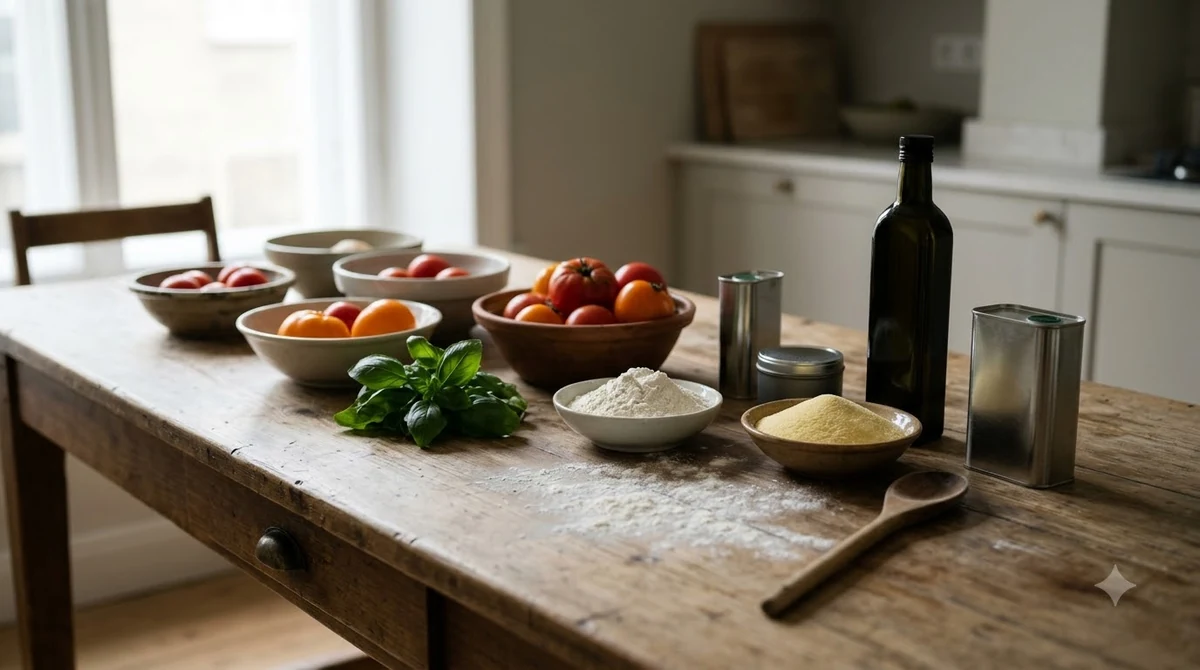
- 450 g (16 oz) chicken breast, about 2 large pieces, skinless and boneless
- 4 tablespoons all-purpose flour
- 2 1/2 tablespoons finely grated Parmesan
- 1/2 teaspoon salt and 1/4 teaspoon pepper
- 2 1/2 tablespoons olive oil in total, with 1/2 tablespoon for drizzling the chicken
- 1 tablespoon unsalted butter for frying
- 2/3 cup dry white wine
- 2 tablespoons fresh lemon juice
- 3 tablespoons capers in brine, drained
- 2 tablespoons unsalted butter, cut into cubes, for the sauce
- 1 1/2 teaspoons finely chopped parsley, plus extra to garnish
Each ingredient in this chicken piccata pasta recipe has a clear job. The flour gives the cutlets a coating that browns in the pan. The wine and lemon juice make the acidic base of the sauce. The butter is split between frying and the finish, and the capers add salt and sharpness. The parsley adds a fresh finish, and RecipeTin Eats also lists it for garnish.
Natasha’s Kitchen uses a bigger batch for this chicken piccata pasta recipe: 3 large chicken breasts cut in half lengthwise for six cutlets, 1/2 cup of flour and 1/2 cup of wine. Its ingredient list gives 3 tablespoons of rinsed capers, but the sauce step asks for 1/4 cup, so check the recipe you follow before you shop.
How to Cook the Chicken Cutlets
Sear the floured chicken over medium-high heat for 3 to 4 minutes until golden on the first side, then cook the other side for about 1 minute.
- Cut each breast into 3 pieces, pound them between cling wrap or paper to about 1/2 cm (0.2 inch), and drizzle with the 1/2 tablespoon of olive oil.
- Mix the flour with the salt, pepper and finely grated Parmesan, then coat each piece, pressing to adhere and shaking off the excess.
- Heat the olive oil in a large skillet over medium-high heat, then add the butter and let it melt.
- Add three pieces of chicken and cook for 3 to 4 minutes until golden.
- Turn the pieces and cook the other side for about 1 minute, then remove them from the pan.
- Repeat with the remaining pieces.
Working in batches of three keeps the pan from crowding in this chicken piccata pasta recipe, so each piece gets direct contact with the hot surface. Keep the pieces on a plate while you make the sauce, then serve the chicken with the sauce spooned over it.
Check the chicken with a thermometer before serving. The safe minimum for poultry is 165°F (73.9°C) on the safe cooking temperatures chart from UNL Food, which is based on USDA guidance.
How to Build the Lemon Caper Sauce
For this chicken piccata pasta recipe, reduce the wine by half, add the lemon juice, then swirl in the cubed butter over low heat with the capers and parsley.
The sauce steps below follow the RecipeTin Eats method, which gives heat levels and timings for each step.
- Pour off the excess fat and wipe the skillet quickly with paper towels.
- Over medium-high heat, add the wine and simmer rapidly for about 3 minutes, until reduced by half.
- Add the lemon juice and simmer for 1 minute.
- Reduce the heat to low, add the cubed butter, and swirl the pan until it melts without letting the sauce go foamy.
- Stir in the capers and parsley.
Taste the sauce before you add all of the lemon juice. The lemon is the sharpest flavor in the pan, and the capers add more salt, so a sauce can turn too sharp quickly. For a pasta where lemon is the main sauce, see the lemon pasta recipe. Natasha’s Kitchen adds one more step that the RecipeTin Eats method leaves out: it simmers the sauce for about 2 minutes to slightly thicken it before spooning it over the chicken.
One easy mistake in this chicken piccata pasta recipe is adding the butter over high heat. The reduced-heat step in the method exists to stop the butter from turning foamy before it melts into the sauce.
Serving Chicken Piccata Pasta
Spaghetti is the pasta Natasha’s Kitchen names for this chicken piccata pasta recipe. Cook it to package directions, drain it, and toss it with a tablespoon or two of butter before the sauce goes on. The guide to cooking pasta al dente covers the doneness check.
Natasha’s Kitchen suggests spaghetti or your favorite pasta for this chicken piccata pasta recipe, but it gives no pasta quantity. Choose a portion that suits your table, since neither recipe gives a number. Cooking times vary by pasta shape, so follow the package for the pasta you buy.
The RecipeTin Eats version of this chicken piccata pasta recipe has no pasta step at all. It suggests serving the chicken with rice, potatoes or a vegetable side instead, so you can use that route if you prefer not to cook pasta. Either way, the sauce is the same: wine, lemon, butter, capers and parsley.
Non-Alcohol and Lighter Swaps
Low-sodium chicken stock or broth can replace the wine, which gives a non-alcoholic version of this chicken piccata pasta recipe.
| Swap | What changes | Amount in the sources |
|---|---|---|
| Dry white wine | Adds wine flavor and reduces into the sauce | 2/3 cup (RecipeTin Eats), 1/2 cup (Natasha’s Kitchen) |
| Low-sodium chicken stock or broth | Non-alcoholic version; the lemon still carries the sharpness | No amount given in RecipeTin Eats |
| Half wine, half stock | A lighter wine flavor | Suggested as a variation in Natasha’s Kitchen, no amount given |
Stock has less acidity than wine, so the lemon juice does more of the work in the non-alcoholic version. A similar white-wine, butter and lemon pan sauce appears in the shrimp scampi linguine recipe. Taste the sauce before adding the full amount of juice, and keep the reduction step even though the liquid is different.
Common Problems and Fixes
In a chicken piccata pasta recipe, a thin sauce needs a short extra simmer, and a sauce that tastes too sharp usually has more lemon than the rest of the sauce can balance.
| Problem | Likely cause | What the recipes suggest |
|---|---|---|
| Sauce is thin | Not reduced enough | Simmer about 2 minutes more, as Natasha’s Kitchen does |
| Sauce tastes too sharp | Too much lemon juice | Use the listed amount: 2 tablespoons (RecipeTin Eats) or 1/4 cup (Natasha’s Kitchen), and taste first |
| Capers taste too salty | Capers packed in brine | Drain them (RecipeTin Eats) or rinse under cold water (Natasha’s Kitchen) |
| Sauce looks foamy | Heat too high when the butter goes in | Reduce to low and swirl the pan until the butter melts |
| Chicken is pale, not golden | Pan not hot enough when the chicken goes in | Heat the oil over medium-high, then add the butter and let it melt first |
Most problems with a chicken piccata pasta recipe trace back to heat and to the amount of lemon. Adjust one thing at a time, and taste the sauce before adding more of anything.
Frequently Asked Questions
Can I make chicken piccata pasta without wine?
Yes. RecipeTin Eats says low-sodium chicken stock or broth can replace the wine in a non-alcoholic version of this chicken piccata pasta recipe. The recipe gives no stock amount, so start with the same volume as the wine, then taste the sauce before adding all of the lemon juice.
What pasta goes best with chicken piccata?
Spaghetti is the pasta Natasha’s Kitchen names, and it allows any favorite pasta. Cook it to the package directions, drain it, and toss it with a tablespoon or two of butter before adding the sauce. RecipeTin Eats does not include pasta and suggests rice, potatoes or vegetables instead.
Why do the capers need draining or rinsing?
Capers come packed in brine, which makes them salty. RecipeTin Eats asks for drained capers, and Natasha’s Kitchen rinses them under cold water first. Either step removes some of the brine before the capers go into the sauce.
How do I know the chicken is cooked through?
Use a thermometer and check the thickest piece against the safe minimum of 165°F (73.9°C) for poultry, as listed on the UNL Food chart that is based on USDA guidance.
Choose the wine version of this chicken piccata pasta recipe for the classic sauce, or use stock if you cook without alcohol. Keep the cutlets thin, reduce the wine properly and add the butter over low heat, and the sauce stays smooth and easy to control.
 8 min readLearnTuna Pasta Recipe: Easy 15-Minute Lemon Garlic VersionUpdated Nov 10, 2026
 8 min readLearnLemon Pasta Recipe: Quantities, Steps and Common MistakesUpdated Nov 10, 2026
 5 min readLearnBest Sauce for Tagliatelle: Ragù, Brown Butter and MoreUpdated Nov 13, 2026
 5 min readLearnBest Sauce for Tagliolini: Light Butter and Cheese OptionsUpdated Nov 13, 2026
 6 min readLearnBest Sauce for Agnolotti: Brown Butter, Meat Juices and Olive OilUpdated Nov 13, 2026
 5 min readLearnBest Sauce for Ravioli: Brown Butter, Walnut and Cream OptionsUpdated Nov 13, 2026