
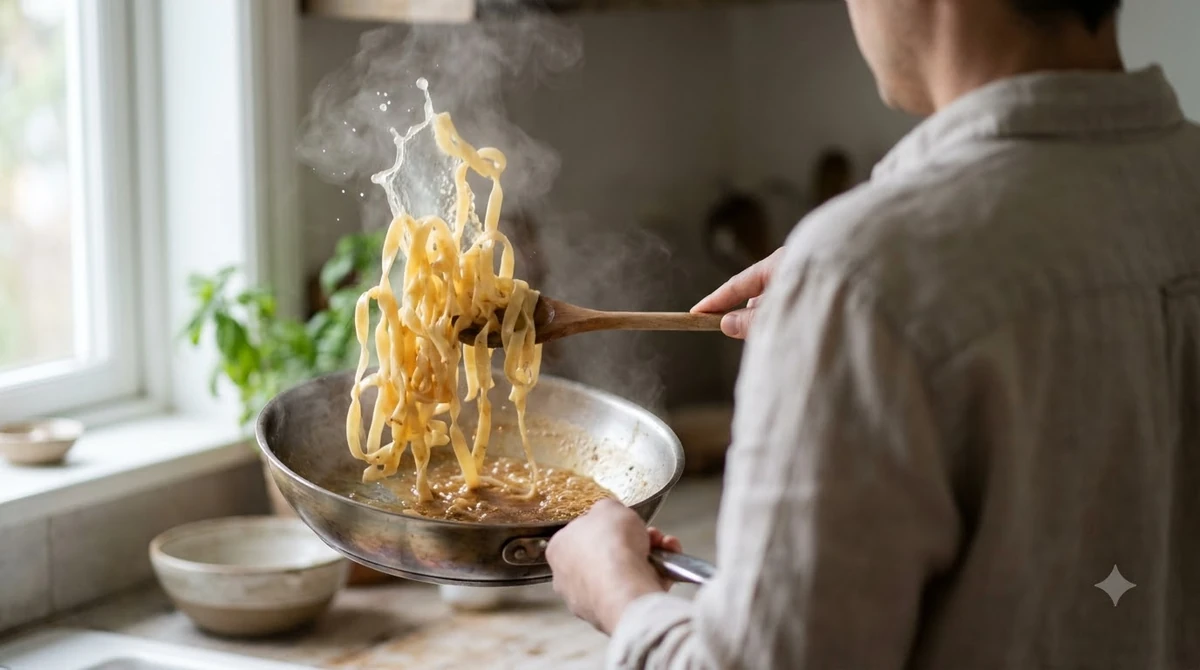

A lemon pasta recipe is a quick stovetop dish of spaghetti tossed in butter, garlic, lemon zest and Parmesan, with starchy pasta water forming the sauce. Two published versions differ on fat, lemon juice and cream, so this guide sets their amounts side by side and explains which to choose.
What Goes Into a Classic Lemon Pasta Recipe
The Slow Roasted Italian version uses 1 pound of spaghetti, 3 tablespoons of butter, 2 tablespoons of olive oil and two medium lemons, and it serves 6 to 8. Not Quite Nigella uses 375 grams of spaghetti with butter and lemon zest only, and it serves 4.
| Ingredient | The Slow Roasted Italian | Not Quite Nigella |
|---|---|---|
| Spaghetti | 16 oz (1 lb) | 375 g (13 oz) |
| Butter | 3 tablespoons, unsalted | 60 g (3 tablespoons) |
| Olive oil | 2 tablespoons extra virgin | Not used |
| Lemon | 2 medium, zest and juice (about 1/4 cup juice and 1 tablespoon zest) | 1 lemon, zest only |
| Garlic | 3 cloves, minced | 2 cloves |
| Parmesan | 1/2 cup, grated | 50 g (1.7 oz), grated |
| Cream | Not used | 1/2 cup, marked optional |
| Seasoning | 1 teaspoon kosher salt, 1 teaspoon black pepper | Salt for the pasta water, black pepper |
| Serves | 6 to 8 | 4 |
Both versions share the same base of fat, lemon, a little garlic and grated Parmesan. The main difference is that the first recipe adds lemon juice and olive oil, while the second relies on zest alone. Either one is a practical lemon pasta recipe for a weeknight. The Slow Roasted Italian’s full recipe card lists 20 minutes total time, which is the number to plan around.
Lemon, Butter and Parmesan: What Each Ingredient Does
Butter or olive oil carries the lemon flavor across the spaghetti, zest supplies aroma, juice adds sharpness, and Parmesan thickens the sauce as it melts.
Zest first, then juice. The Slow Roasted Italian author recommends zesting the lemon before juicing, because a soft lemon is harder to zest. Fresh lemons give the brightest flavor, and the same author notes that zest adds depth while juice alone works in a pinch. In any lemon pasta recipe, the zest is what makes the flavor taste rounded rather than sour.
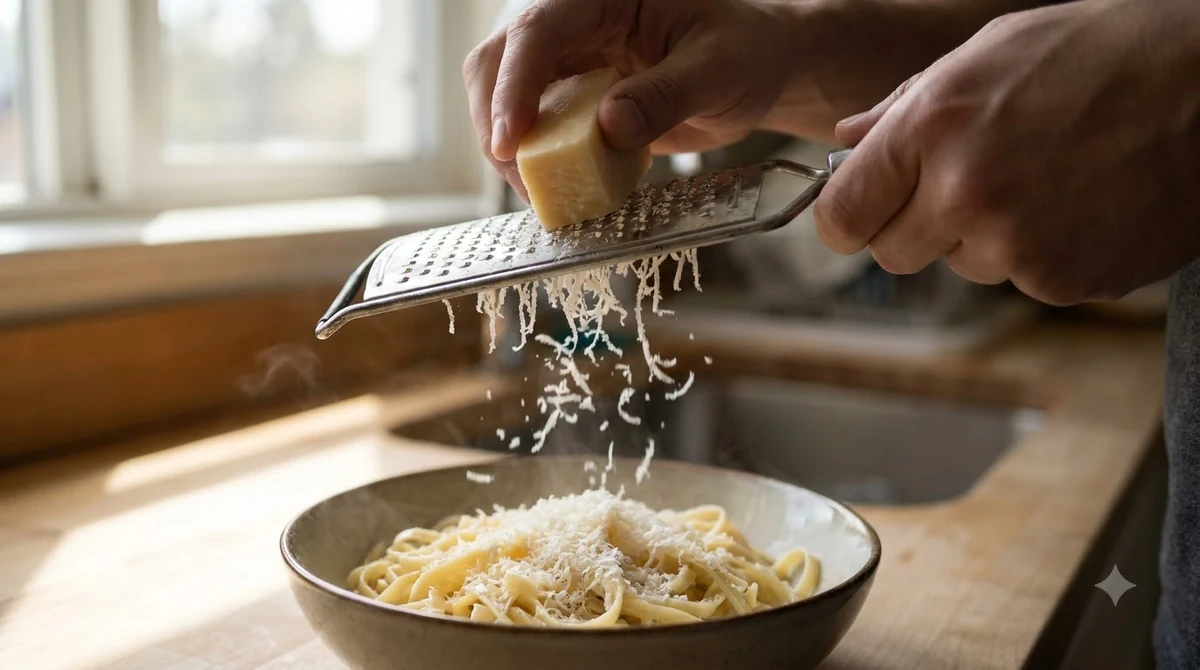
Parmesan does two jobs in a lemon pasta recipe. It adds salt and body to the sauce. Stir it in off the heat so it melts smoothly rather than clumping. Freshly grated cheese melts best, although the same source says store-bought grated cheese also works, and our guide to Parmigiano Reggiano vs Parmesan explains what the label means.
How to Make a Lemon Pasta Recipe Step by Step
This lemon pasta recipe follows the Slow Roasted Italian method. Boil the spaghetti for 5 minutes, melt the fat with garlic over low heat, then finish the pasta in the lemon sauce for 5 to 7 minutes with pasta water. The pasta leaves the pot partly cooked, so it finishes in the pan rather than in the water. If you want a refresher on timing, see our notes on how to cook pasta al dente.
- Bring a large pot of water to a boil and salt it. The Slow Roasted Italian card does not give a salt amount for the water, so season to taste.
- While the water heats, melt 3 tablespoons of butter with 2 tablespoons of extra virgin olive oil in a large pan over low heat.
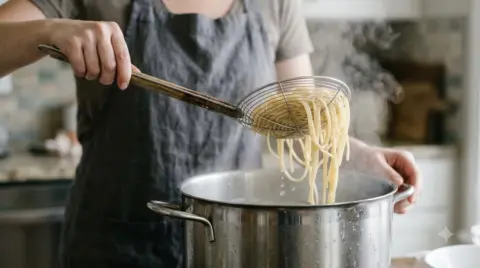
- When the water reaches a full boil, add 1 pound of spaghetti and cook it for 5 minutes. This is only part of the package time.
- Add the minced garlic and half the lemon zest to the butter. Stir often over low heat, since garlic that browns turns bitter.
- Lift the spaghetti into the pan with tongs, and keep about 1 cup of the cooking water before you drain.
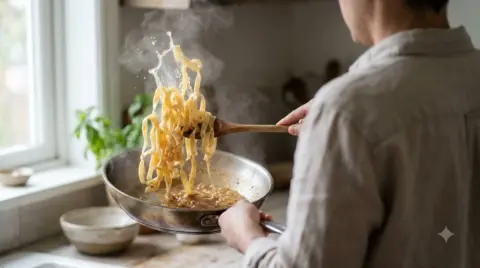
- Add the lemon juice and 1 cup of the reserved pasta water. Toss until the spaghetti is coated.
- Simmer for 5 to 7 minutes, tossing often, and add up to 1/2 cup more pasta water if the sauce looks dry.
- Turn off the heat. Stir in 1/2 cup Parmesan, 1 teaspoon kosher salt and 1 teaspoon black pepper until the cheese melts.
- Top with chopped parsley and the remaining zest, then serve right away.
Serve this lemon pasta recipe immediately. Not Quite Nigella notes that the sauce thickens as the spaghetti absorbs it, so the dish is best eaten while the sauce is still loose.
Why Starchy Pasta Water Is the Key Step
Starchy pasta water helps the butter, lemon and cheese cling to the spaghetti, so a small amount can replace cream in the sauce.
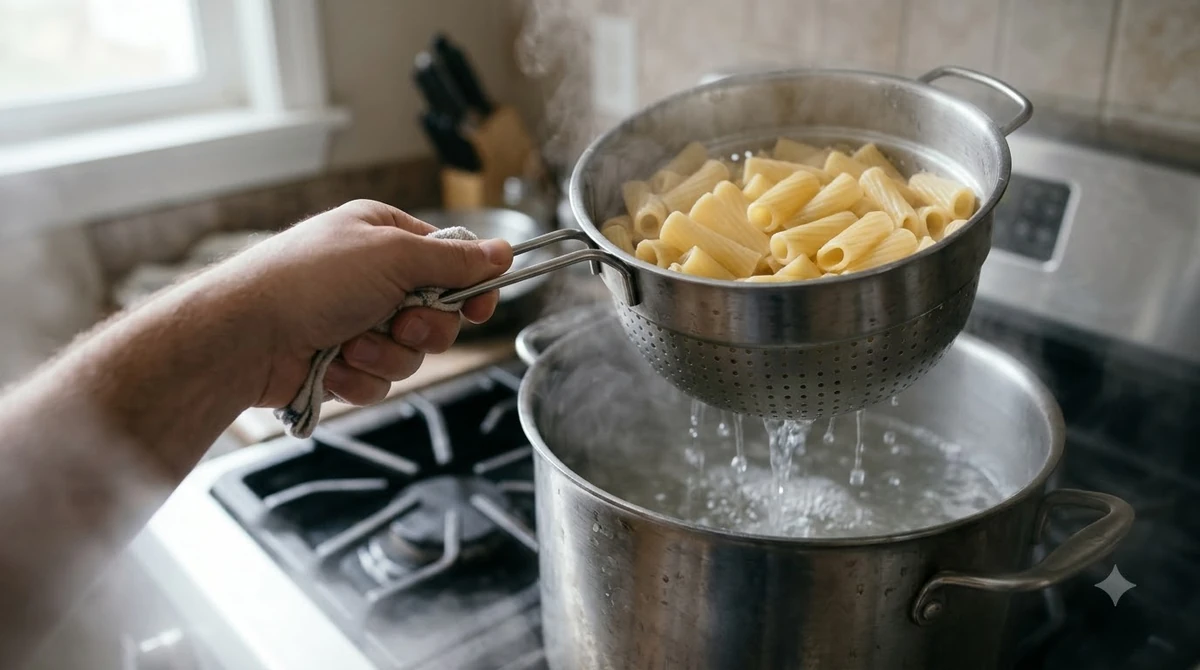
In either lemon pasta recipe, the cooking water does more than thin the sauce, and our guide to starchy pasta water for sauce covers the technique in more detail. Both recipes save the cooking water before draining. The Slow Roasted Italian author calls it liquid gold, adds 1 cup during the toss, and then adds up to 1/2 cup more as needed. Not Quite Nigella removes about 1 cup of water and uses about 1/2 cup in the sauce.
- Add water in small amounts, because the sauce should stay loose until the cheese melts in.
- Taste before adding more salt, since Parmesan and pasta water both carry salt.
- Save any leftover water to loosen the pasta when you reheat it.
Cream or No Cream: Choosing Your Version
Cream is optional in the Not Quite Nigella version, which says pasta water can take its place, so the dish works with or without it.
If you want the fewest ingredients, the Not Quite Nigella version is the lemon pasta recipe to try first. The Not Quite Nigella recipe marks 1/2 cup of cream as optional and uses about 1/2 cup of pasta water in the sauce. Its lemon flavor comes from zest alone, with no olive oil and no juice.
- Choose the no-cream version if you want the sauce to rely on butter, cheese and pasta water alone.
- Choose the cream version if you prefer a rounder, creamier texture, since cream adds fat to the sauce.
- Choose the juice version if you want more lemon. Its recipe lists 1/4 cup of juice, while the zest-only version gives a milder lemon taste.
Common Mistakes With a Lemon Pasta Recipe
Each problem below shows up in almost any lemon pasta recipe, and the most common ones are bitter garlic, a dry sauce and a sauce that tastes too sour, and each has a simple fix.
- Bitter garlic: cook it over low heat and stir often, because browned garlic turns bitter. Remove it from the heat if it starts to color.
- A dry sauce: add pasta water a splash at a time, up to the 1/2 cup more that the recipe allows.
- Too much sourness: add a little extra butter, olive oil, salt or Parmesan. The Slow Roasted Italian author says extra cheese handles sourness well.
- Flat lemon taste: use fresh lemons, since the source recommends them for the brightest flavor.
- Sauce that slides off: skip the pasta water and the sauce has less starch to bind to the spaghetti.
Storing and Reheating Leftover Lemon Pasta
Store leftover lemon pasta recipe portions in an airtight container for up to 3 days in the refrigerator, or freeze it for up to 2 months, according to The Slow Roasted Italian. Store it without garnishes, and add the parsley and extra zest when you serve it.
Frozen pasta may soften slightly after thawing, so plan to eat it within the two-month window. For more on the method, see can you freeze cooked pasta. For reheating, add a splash of water and warm the pasta gently over low heat, stirring often. You can also microwave it in 30-second bursts and stir between each one, and our guide on how to reheat pasta safely covers other methods.
Frequently Asked Questions
Can you make a lemon pasta recipe without cream?
Yes. A lemon pasta recipe without cream works well in both versions. The Not Quite Nigella version treats cream as optional and uses pasta water instead, and the Slow Roasted Italian version uses no cream at all. Both rely on butter, lemon and Parmesan to give the sauce body.
How much lemon do you need?
The Slow Roasted Italian version uses 2 medium lemons, about 1/4 cup of juice and 1 tablespoon of zest, for 1 pound of spaghetti. Not Quite Nigella uses the zest of one lemon, so its flavor is milder. Taste the sauce before you add more.
How long should spaghetti cook in this recipe?
The Slow Roasted Italian method boils the spaghetti for 5 minutes, then finishes it in the sauce for 5 to 7 minutes. Not Quite Nigella cooks it for 6 minutes. Check the package for other shapes, since cooking times vary by brand and shape, and see our guide to spaghetti pasta for more on the shape.
Why does my lemon pasta taste bitter?
Bitterness in a lemon pasta recipe usually comes from garlic that browned. Cook the garlic over low heat until it softens, and keep it pale. Once the lemon juice is in, the sauce should taste bright rather than harsh.
Can you freeze lemon pasta?
Yes, for up to 2 months in a freezer-safe container. The Slow Roasted Italian recipe notes that the texture may soften slightly after thawing, so reheat it with a splash of water.
If you want the most lemon and a bright, light plate, start with the version that uses both zest and juice, and add pasta water slowly. For most cooks, that lemon pasta recipe is the better place to begin. If you want a richer and quicker dish, use the zest-only version and add cream if you like. Taste the sauce before you serve, and adjust salt and pepper last. For more recipes like this one, browse our pasta recipes and guides.
 9 min readLearnAglio e Olio Recipe: 4 Steps, Oil Tips and Common MistakesUpdated Nov 10, 2026
 8 min readLearnHow to Cook Fresh Pasta: Timing, Method and Common MistakesUpdated Nov 10, 2026
 10 min readLearnEggplant Parmesan Recipe: Simple Steps and Mistakes to AvoidUpdated Nov 10, 2026
 8 min readLearnNduja Pizza Recipe: Dough Quantities, Toppings and Bake TimesUpdated Nov 11, 2026
 8 min readLearnTuna Pasta Recipe: Easy 15-Minute Lemon Garlic VersionUpdated Nov 10, 2026
 9 min readLearnChicken Piccata Pasta Recipe: Lemon, Caper and Butter SauceUpdated Nov 12, 2026