

A chicken parmesan recipe turns a breaded chicken cutlet into a crisp main course topped with tomato sauce and melted cheese. The dish is an Italian-American creation, and its success depends on three things: the breading, the cheese you choose, and cooking the chicken to a safe temperature.
This chicken parmesan recipe guide explains each step, compares the cheeses, and shows how to check doneness with a food thermometer before you serve it.
What Is Chicken Parmesan?
Chicken parmesan is breaded, fried chicken breast topped with tomato sauce and cheese, usually mozzarella, Parmesan or provolone.
The dish is generally traced to Italian immigrants in the northeast United States, who used chicken in place of the veal and eggplant used in Italy. By the 1950s it was a staple of Italian-American restaurants. Wikipedia’s chicken parmigiana article notes that the name may combine parmigiana, a dish of tomato sauce and cheese, with cotoletta, a breaded cutlet.
Knowing its history helps you pick a chicken parmesan recipe that matches the style you want. Outside North America the dish takes other forms. In Australia it is called a parma and is usually served with chips and salad. Some Asian-style versions add a small amount of soy sauce to the tomato sauce.
Ingredients for a Classic Chicken Parmesan Recipe
A classic chicken parmesan recipe uses chicken cutlets, a three-step breading, tomato sauce, mozzarella and a hard grating cheese. Use a tested recipe for the exact amounts of each.
- Boneless chicken breasts, sliced or pounded into even cutlets
- Flour, eggs and breadcrumbs for the breading station
- Frying oil, such as olive oil or another neutral oil
- Tomato sauce, homemade (see how to make marinara sauce) or store-bought
- Mozzarella for melting over the top
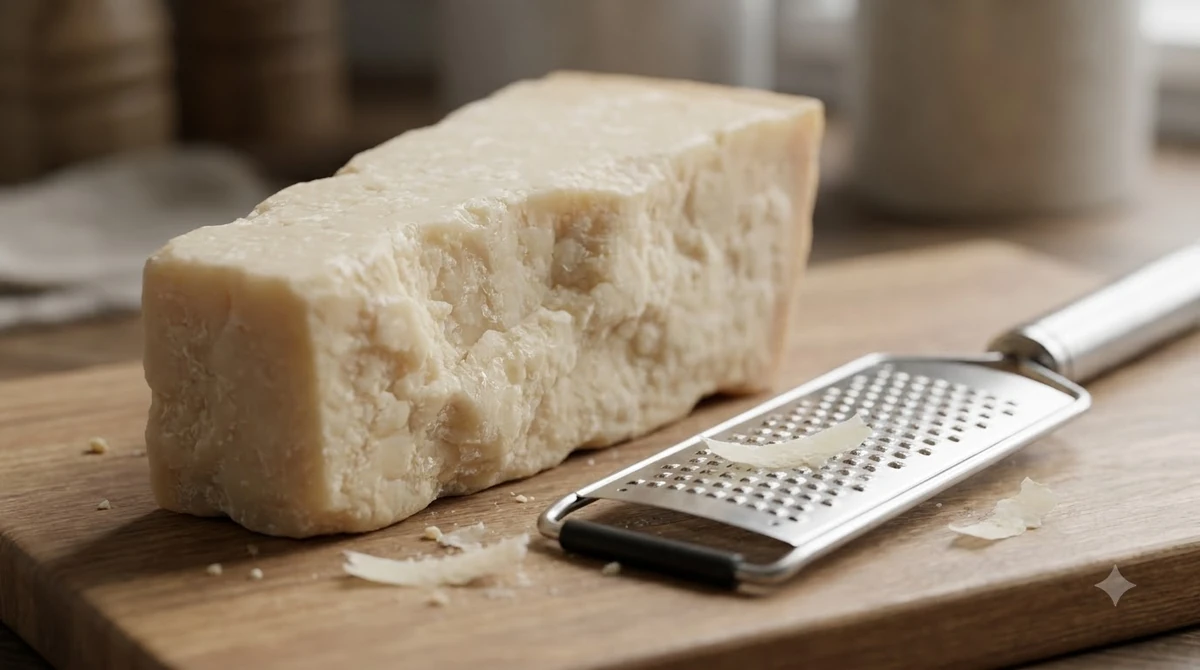
- Parmigiano-Reggiano or another grating cheese
- Fresh basil or parsley for finishing, optional
This article does not list oven temperatures, pan temperatures or cook times, because those figures need a source you can check. Follow the times in your chicken parmesan recipe, and confirm doneness with a thermometer rather than the clock alone.
Step-by-Step Chicken Parmesan Recipe Method
Every chicken parmesan recipe follows the same core order: bread the cutlets, cook them until golden, top them with sauce and cheese, then check that the chicken reaches a safe internal temperature before serving.
- Dry the chicken and pound it to an even thickness so it cooks at the same rate.
- Set up three shallow dishes: flour, beaten egg, and breadcrumbs.
- Coat each cutlet in flour, dip it in egg, then press it firmly into the crumbs.
- Fry the cutlets in hot oil until golden on both sides, or use the oven if your recipe calls for it.
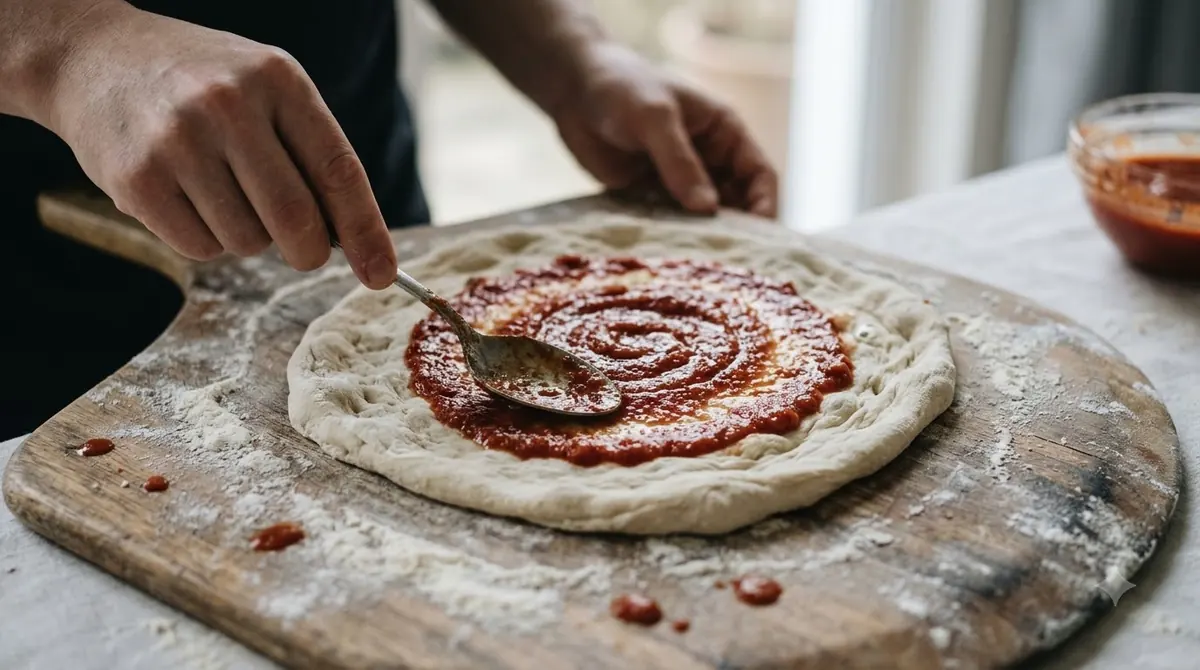
- Spoon tomato sauce over each cutlet.
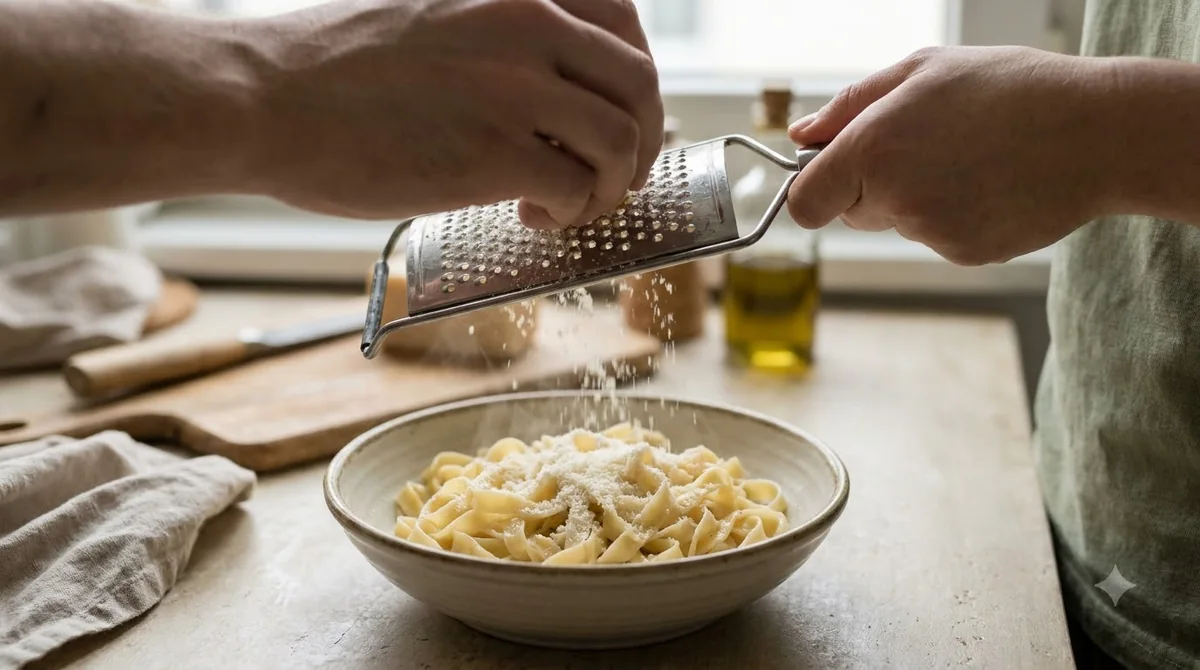
- Add mozzarella and grated Parmigiano-Reggiano on top.
- Heat until the cheese melts, then check the thickest cutlet with a food thermometer.
The type of breadcrumb changes the coating. Dry crumbs are made from toasted, dry bread and give a sandy, crisp result. Fresh crumbs are larger and give a softer coating. Panko is flaky and suits a crunchy coating on fried foods.
If the chicken is too dry for the crumbs to stick, brush it with buttermilk, egg or another liquid first.
Cook in batches if your pan is small, and keep finished cutlets on a rack rather than stacking them. Stacking traps steam, which softens the coating you just built.

Choosing the Right Cheese
Mozzarella gives the stretchy melt on top, while Parmigiano-Reggiano adds a sharp, savory finish, and that choice shapes every chicken parmesan recipe. Many cooks use both, and the choice depends on how much flavor you want from the cheese.
Fresh mozzarella is a soft cheese usually sold in balls of about 90 grams, and it is best eaten soon after purchase. Low-moisture mozzarella is denser and is often used in baked dishes.
Parmigiano-Reggiano is a protected designation of origin cheese made in parts of Emilia-Romagna and Lombardy, and it must age at least 12 months. Wikipedia’s Parmigiano-Reggiano entry explains the protected status and aging rules.
| Cheese | What it is | Use on chicken parmesan |
|---|---|---|
| Fresh mozzarella | Soft and high in moisture, usually sold in balls of about 90 g | Melts over the top; eat soon after buying |
| Low-moisture mozzarella | Denser and partly dried | Suits baked dishes such as lasagna and pizza |
| Parmigiano-Reggiano | Protected designation of origin cheese, aged at least 12 months | Grated over the top for a savory finish |
| Generic parmesan | Outside the EU, the name can refer to a locally made imitation | Budget option; US federal rules require at least 10 months of curing |
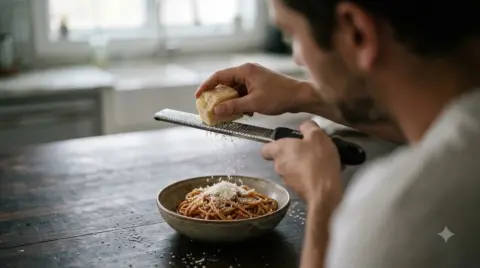
If you want to know how the labels differ, our guide to Parmigiano Reggiano vs Parmesan explains it, and a block of the real cheese grates best on one of the tools in our best Parmesan cheese graters. Provolone is another common choice on chicken parmigiana, according to the same Wikipedia article. Use it in place of mozzarella if your recipe calls for it or if you prefer its flavor.
Food Safety When Cooking Chicken
The CDC says chicken should be cooked to a safe internal temperature of 165°F, and a food thermometer is the reliable way to confirm it. Check the thickest part of the cutlet rather than the edges.
The CDC also states that raw chicken is ready to cook and does not need to be washed first. If you choose to rinse it, run the water gently to reduce splashing, then clean the sink and nearby surfaces. CDC guidance on chicken covers both points.
A golden crust does not prove the center is cooked, so every chicken parmesan recipe needs a thermometer check. Use the thermometer before you serve, and keep cooked and raw food apart on the counter.
Common Mistakes to Avoid
Most soggy or dry results from a chicken parmesan recipe come from crowded pans, wet breading that does not stick, or skipping the thermometer.
- Skipping the flour step, so the egg and crumbs have nothing to grip.
- Using dry crumbs on very dry chicken without a light moistening first.
- Crowding the pan, which lowers the oil temperature and makes the coating greasy.
- Drowning the cutlets in sauce, which softens the crust before it is served.
- Using a generic grated cheese when the recipe calls for Parmigiano-Reggiano, which is a different product with a 12-month aging rule.
- Serving before the thickest part has been checked with a thermometer.
Serving Ideas and Variations
Chicken parmesan is often served with pasta, tucked into a sandwich, or in the Australian parma style with chips and salad.
In North America the cutlet is often served on pasta or beside it, for example over spaghetti, and chicken parm sandwiches are also common. In Australia it became a pub staple in the 1980s, according to Wikipedia.
Asian-style versions add soy sauce to the tomato sauce and are sometimes served with rice or stir-fried noodles. The core method stays the same in every chicken parmesan recipe: breaded chicken, sauce, and melted cheese. If you like the same breaded-and-baked idea without meat, try our eggplant parmesan recipe.
Frequently Asked Questions
What is the best cheese for chicken parmesan?
Mozzarella gives the melted layer, and Parmigiano-Reggiano adds a sharp, savory finish, so many cooks use both. Choose the type your chicken parmesan recipe names, and remember that Parmigiano-Reggiano must age at least 12 months.
Is chicken parmesan safe at 165°F?
Yes, the CDC gives 165°F as the safe internal temperature for chicken. Measure the thickest part of each cutlet with a food thermometer, because the breading color does not show whether the center is done.
Can you bake chicken parmesan instead of frying it?
Frying is the usual approach described for chicken parmigiana, while some older home recipes used the oven mainly to melt the cheese. Baking is a common way to use less oil, but follow a tested chicken parmesan recipe for its time and temperature.
Why does the breading fall off the chicken?
Breading sticks best to a damp surface, so a dry cutlet may need a light coat of buttermilk, egg or another liquid first. Press the crumbs on firmly and let the coated cutlets sit briefly before cooking.
Can I make chicken parmesan ahead of time?
Make-ahead steps depend on the chicken parmesan recipe you use, so check its storage advice first. Texas A&M’s leftover storage guidance says to refrigerate cooked food within 2 hours, keep leftovers 3 to 4 days in the refrigerator, and reheat them to 165°F as measured with a food thermometer.
Cook the chicken to 165°F, choose the cheese that suits your taste, and use a tested chicken parmesan recipe for amounts and times. With those three checks, your chicken parmesan will be safe to serve and easy to repeat next time.
 6 min readLearnHow to Make Chicken Parmesan in the Oven with a Crispy CoatingUpdated Nov 13, 2026
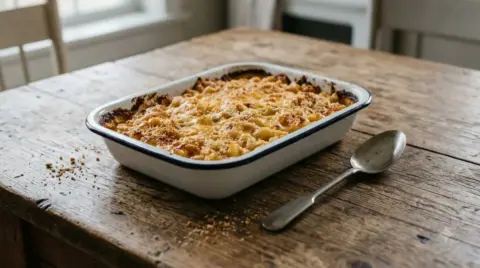
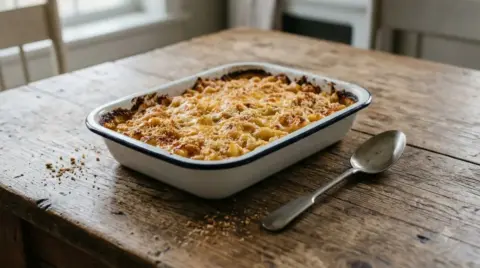 8 min readLearnChicken Alfredo Bake Recipe: Creamy, Cheesy and Easy to Make AheadUpdated Nov 11, 2026
 10 min readLearnEggplant Parmesan Recipe: Simple Steps and Mistakes to AvoidUpdated Nov 10, 2026
 8 min readLearnGarlic Parmesan Pasta Recipe: Silky Sauce in 25 MinutesUpdated Nov 12, 2026
 9 min readLearnChicken Piccata Pasta Recipe: Lemon, Caper and Butter SauceUpdated Nov 12, 2026
 8 min readLearnBuffalo Chicken Pizza Recipe for Home Ovens and OoniUpdated Nov 6, 2026