

Fazzoletti pasta is a thin, square fresh pasta from Genoa in Liguria, northwest Italy. Its name means “handkerchiefs” in Italian, which describes the shape. The traditional dressing is pesto alla genovese, and the dough is simple, but the sheets must be rolled very thin.
What Is Fazzoletti Pasta?
Fazzoletti pasta is a fresh egg pasta cut into large squares that look like handkerchiefs, which is the literal meaning of the Italian word. Wikipedia’s list of pasta classifies it as a short-cut pasta from Liguria, made as thin rectangles or squares.
The pasta has several names. Italian sources use fazzoletti di seta, meaning “silk handkerchiefs.” In Genoese dialect it is called mandilli de saea, and the Genoa tourism site spells it mandilli de sea. Visit Genoa describes it as a typical fresh pasta from Genoa that is similar to lasagnette, with a square shape that resembles a handkerchief.
Where Fazzoletti Pasta Comes From
Fazzoletti pasta comes from Genoa, and most accounts tie its origin to the city’s trade with the East. The sources agree on the place but not on a date, so the history is best read as a well-supported story rather than a documented timeline.
The Pasta Project links the pasta to Genoa’s silk trade. It says there is little doubt that the pasta was invented during the years of that trade, but the page gives no specific date. Food historians link its origin to trade with the East, and silk was among the most traded goods of Genoa, a wealthy medieval maritime republic.
Visit Genoa takes a broader view. It describes the dish as having ancient origins dating back to the times of the Republic, and it also links the pasta to Genoa’s trade contacts with the East. That wording is tourism language, and the page gives no dates.
Readers should separate what is supported from what is claimed. The Genoa origin is well supported by every source. The exact date of invention is not. The Pasta Project also says Ligurians began pairing fazzoletti pasta with pesto around the mid-1800s, but it gives no source for that date.
How Thin and How Big Are the Sheets?
Fazzoletti pasta sheets are rolled as thin as possible without breaking, and the classic recipe cuts them into 15 cm squares.
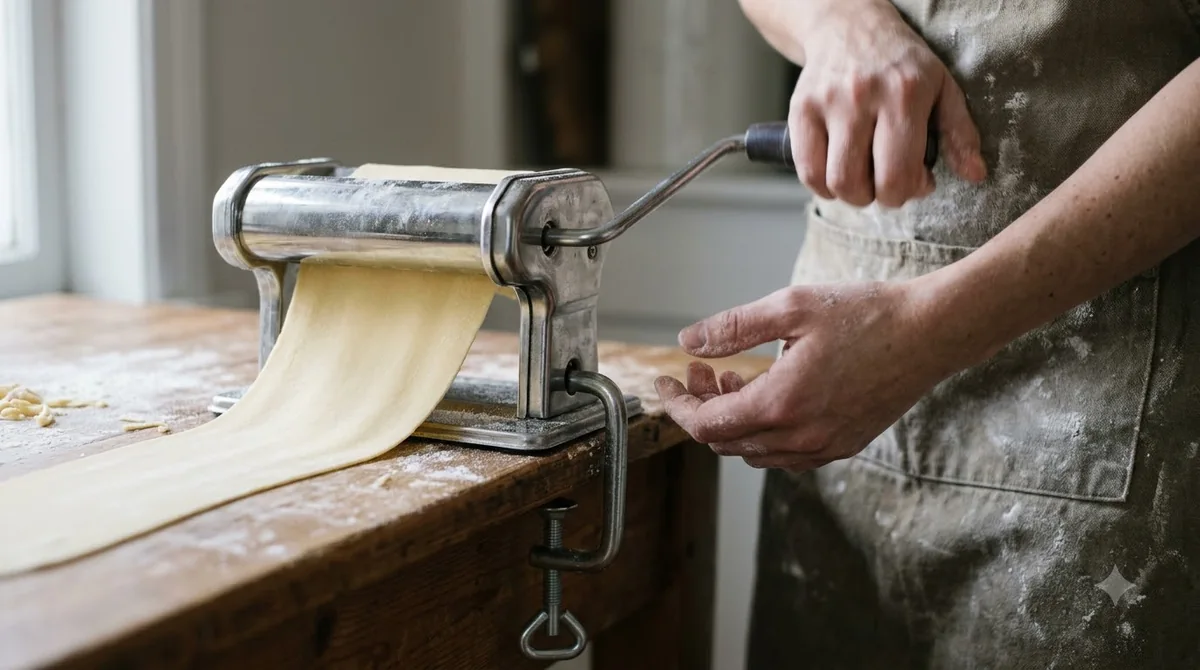
The Pasta Project describes the goal as rolling the dough until it is as thin as possible without breaking. When rolled by hand, the sheet should be thin enough that you can see your fingers through it. The recipe page does not give a thickness in millimeters, so the test is by feel. If you have never rolled sheets before, our fresh pasta dough recipe walks through the basics.
Great Italian Chefs describes the sheet as rolled to almost veil-like thinness so that it floats on top of the sauce. That is the look the name refers to, and it is why thickness matters more than the size of the square.
The main recipe for fazzoletti pasta cuts the sheet into 15 by 15 cm squares. Use the same cut for every batch of fazzoletti pasta so the pieces cook at the same rate, and keep the squares flat until they go into the water.
How to Make Fazzoletti Pasta at Home
The main recipe from The Pasta Project uses 200 g of Italian 00 flour, 2 large eggs and a pinch of salt. Knead the dough for 7 to 10 minutes, then rest it for at least 30 minutes before rolling.
Flour amounts vary. The author says the usual ratio is one egg to 100 g of flour. A reader reported that 175 g worked, while 250 g was too dry. The recipe advises adding water or white wine if the dough is dry, or flour if it is too wet.
- Combine 200 g of Italian 00 flour, 2 large eggs and a pinch of salt.
- Knead the dough for about 7 to 10 minutes.
- Rest the dough for at least 30 minutes.
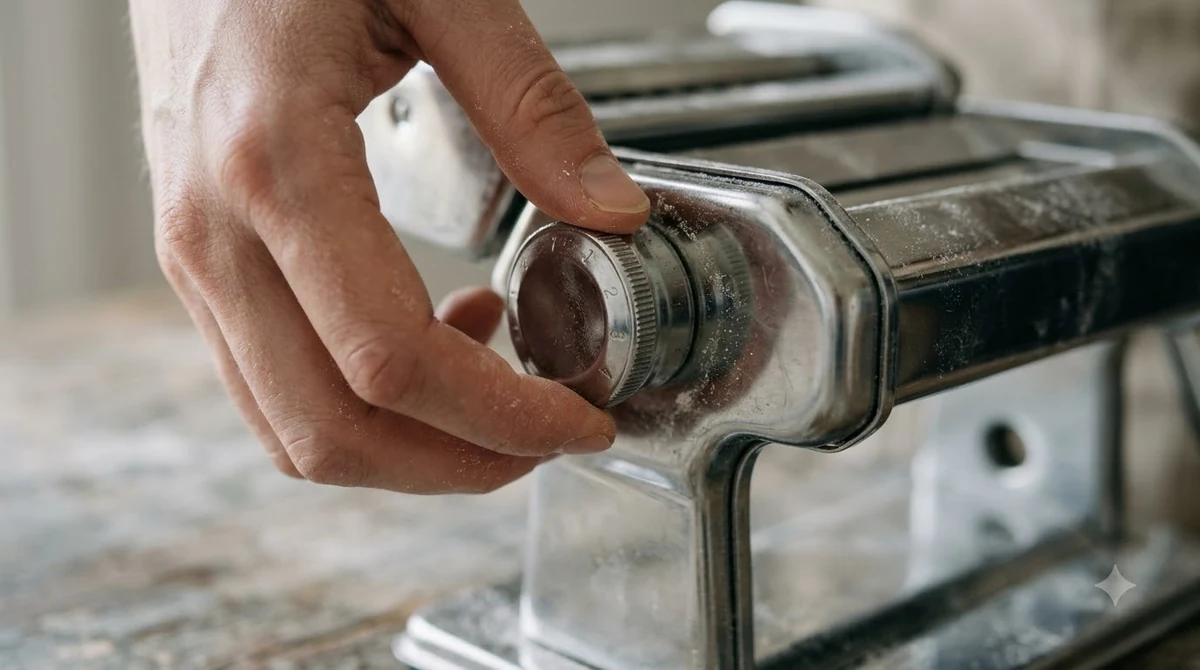
- Roll the dough through a pasta machine 3 or 4 times on setting 6, then a couple of passes on setting 4.
- Keep rolling until the sheet is as thin as possible without breaking, dusting with semolina as needed.
- Cut the sheet into 15 cm squares.
The recipe lists semolina for dusting, which is the only dusting step given. Hand rolling is the other option, and the page says to keep rolling until the sheet is thin enough to see through.
The same recipe page lists other dough formulas as well: 300 g of flour with 1 egg, half a cup of tepid water and a tablespoon of olive oil, or a dough made with egg yolks only. The 200 g version is the one the page presents as the main recipe.
How Long to Cook Fazzoletti and What to Serve With It
Fazzoletti pasta cooks in about 4 to 5 minutes, and the traditional sauce is pesto alla genovese. Visit Genoa says it is dressed with pesto alla genovese and suggests eating it in a typical Genoese tavern, possibly in a caruggio of the old town.
The Pasta Project says to boil the pasta for about 4 to 5 minutes and to cook only 2 to 4 pieces at a time, depending on the size of the pot. The main recipe also adds one tablespoon of extra virgin olive oil to the cooking water to help keep the sheets from sticking, although the author notes that adding oil is not common in Italy.
The Pasta Project plates it by spreading pesto on the bottom of the plate, adding the pasta, then topping it with more pesto and pine nuts, with extra grated Parmigiano as an option. Pesto is the sauce every source in this article names for fazzoletti pasta, so it is the safest choice for a first batch.
How Fazzoletti Compares With Other Ligurian Pasta
Fazzoletti is a flat, square egg pasta, while trofie, trenette, pansotti and corzetti each have a different shape and a different traditional sauce.
| Pasta | Shape | Traditional sauce | Egg dough |
|---|---|---|---|
| Fazzoletti | Thin square sheet, 15 cm in the main recipe | Pesto alla genovese | Yes, 2 eggs in the main recipe |
| Trofie | Hand-rolled twists | Often pesto | Traditionally made without eggs |
| Trenette | Slightly wider than linguine | Usually pesto genovese | Not stated |
| Pansotti | Triangular filled pasta | Often walnut sauce | Not stated |
| Corzetti | Stamped pasta coins | Walnut sauce or crema ai pinoli | Not stated |
Great Italian Chefs describes trofie as hand-rolled twists that are traditionally made without eggs, and trenette as slightly wider than linguine. It also calls Liguria the proud birthplace of ravioli, which is a reminder that the region has many filled pastas as well as sheets, from homemade ravioli to pansotti. For the hand-rolled twist shape, read about trofie pasta, and for the stamped coins, see corzetti pasta.
Frequently Asked Questions
Is fazzoletti pasta the same as lasagna sheets?
Not quite. The Pasta Project says the method is close to making lasagna sheets, but fazzoletti squares are normally much thinner. Our guide on how to make lasagna shows the thicker version. The thinness is the main difference you will notice when you roll the dough.
Can you make fazzoletti pasta without a pasta machine?
Yes. The Pasta Project describes hand rolling as an option, and says to keep rolling until the sheet is thin enough to see your fingers through it. Then cut the sheet into 15 cm squares, the same as the machine version.
Is fazzoletti pasta hard to find?
It can be. Great Italian Chefs says fazzoletti is a little harder to find than the other Ligurian pasta dishes it lists. Making fazzoletti pasta at home from the 200 g flour recipe is one practical way to get it, and the dough needs only flour, eggs and salt.
When did people start serving it with pesto?
The Pasta Project says Ligurians began pairing it with pesto around the mid-1800s. The page gives no source for that date, so treat it as a claim rather than a confirmed fact.
What were fazzoletti served with before pesto?
According to The Pasta Project, early versions were served with light sauces, including prescinsêua cheese, ricotta, cinnamon, and mushroom and hazelnut sauces. These older sauces show that the pasta was not always tied to pesto.
If you want to try fazzoletti pasta, start with the 200 g flour recipe and weigh the flour rather than measuring by cup. Expect to adjust by a few grams, because flour amounts vary with egg size and flour type. Roll the sheets as thin as you can without breaking them, then cut them into 15 cm squares.