

This Garofalo pasta review finds a traditional bronze-drawn Italian pasta made in Gragnano by Pastificio Lucio Garofalo, a company that documents its pasta-making back to 1789. One independent seven-brand test named it overall winner, but the sources read for this page do not give one verdict on the whole line.
Whether it is worth buying depends on the shape, the sauce you plan to make, and the price on the day you buy. The sections below separate verified facts from retailer claims and mark what could not be confirmed. This Garofalo pasta review reads three sources: the company site, a Great British Chefs feature and a 177 Milk Street test.
What Pastificio Lucio Garofalo Makes
Pastificio Lucio Garofalo is an Italian pasta maker based in Gragnano (NA), Italy, and its US website says its history is documented since 1789. The site calls Gragnano its historic production site and says its history is documented since 1789, making it one of the oldest in the industry. That wording is the company’s own, so this Garofalo pasta review treats it as a claim.
According to the company’s US product website, the range is organized into three product lines and four shape families:
- Lines: High Protein, Durum Wheat Semolina Pasta, and Gluten Free Pasta.
- Shape families: long cuts, short cuts, special shapes, and soup cuts.
- Featured products on the site include N° 9 Spaghetti, Pappardelle, Penne Ziti Rigate High Protein, Gluten Free Spaghetti, and Gluten Free Penne Rigate.
The site does not list retailers on the product page. It links to a store finder, so shoppers who want an in-person option should start there. For the shapes themselves, our bronze-cut pasta brands guide shows where Garofalo sits among similar brands.
What Bronze-Drawn Means for Garofalo
Garofalo uses bronze dies for most of its shapes, which leaves a rough, porous surface that helps sauce cling, according to Great British Chefs. The same feature says all Gragnano PGI pasta is bronze-drawn. For a plain explainer of the process, read our guide to what bronze-cut pasta is.
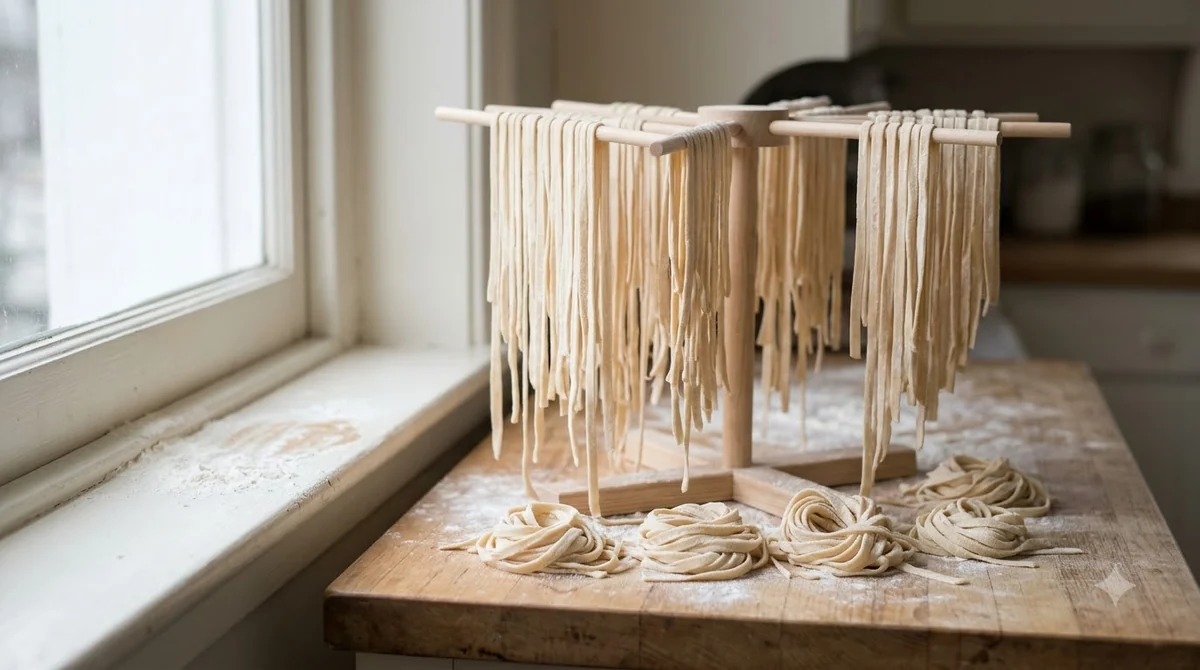
The article describes dough pushed through bronze plates as coming out with small abrasions, which it says teflon-drawn pastas lack. Teflon dies still have a role, since the article cites capellini, a shape that has to hold its form in broth or soup. The bronze die is a texture choice, not a guarantee of quality on its own, and this Garofalo pasta review cannot show that the die alone explains the test result.
The Pasta di Gragnano PGI rules cover the basics, and they explain why Garofalo sits in this category:
- The recipe uses only durum wheat semolina and water.
- The pasta is made in Gragnano, and the PGI status was awarded in 2013.
- The Gragnano Città della Pasta Consortium was set up in 2003 and has 16 producers, with Garofalo the largest of them.
- Drying happens at temperatures between forty and eighty degrees. The article gives the range without a unit and does not state a drying time.
The article also says Garofalo’s products are exported to over sixty countries, so the brand is not limited to one local market. That claim comes from a trade-style feature, not from an independent audit, so this Garofalo pasta review treats it as a reported figure.
Garofalo Pasta Review: What Testers Found
In a seven-brand test by 177 Milk Street, Garofalo was named overall winner after placing second in a plain boil and first in pasta alla gricia. The test is the strongest single review found for this Garofalo pasta review, but it is one test, not a full ranking of every shape.
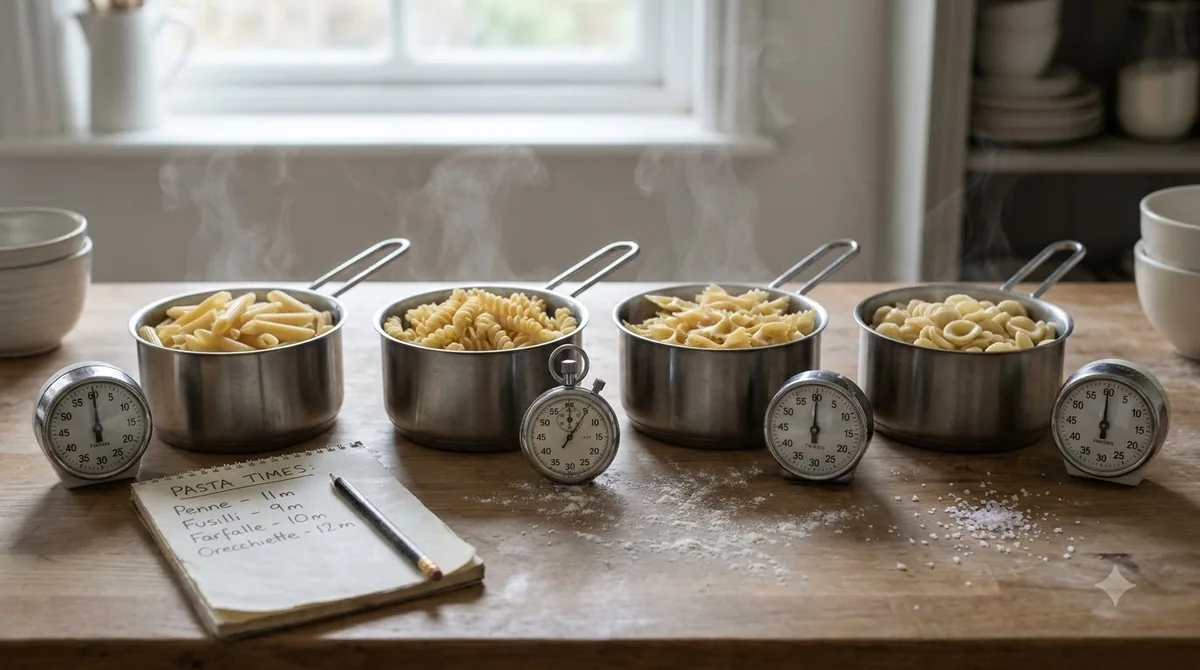
The method was simple. Each pasta was first boiled in salted water and dressed with neutral oil, then cooked in the magazine’s pasta alla gricia recipe. The magazine’s notes on Garofalo focus on how the pasta behaved in the sauce:
- Testers noted its golden color.
- The texture was described as pleasantly chewy, and the pasta held sauce well.
- Its starchy cooking water made a glossy sauce that clung to the noodles.
The magazine listed the test price at $3.29 per 16 ounces. That figure is from the test, not a current offer, and the listing date was not confirmed, so check the price on the day you shop.
Other brands in the same test also drew praise. La Molisana was praised for a pleasantly chewy texture, and Martelli for its excellent chew, so no single brand suits every sauce. Martelli placed in the top three too, yet in the gricia it released too much starch and made a sauce the tasters called gloppy, which shows how much the sauce changes a ranking. Our La Molisana pasta review covers that brand in more detail, and the Garofalo pasta review verdict stays limited to the shapes tested.
Where to Buy and How to Choose a Shape
Start with the store finder on the company’s site, then compare the shape, the price per ounce, and the die statement on the pack before you buy. Online listings, including those on marketplaces such as Amazon, vary in pack size and price, so check the weight and unit price on each one. The steps below are the checklist this Garofalo pasta review recommends.
- Choose the shape first. Long shapes suit smooth sauces, and short or ridged shapes suit chunky sauces.
- Read the pack for the PGI mark and any bronze-die wording.
- Compare the price per 16 ounces, not the sticker price of the pack.
- Cook to the time printed on the pack, and taste a strand a minute or two early.
The sources read for this Garofalo pasta review did not confirm three points: whether the organic line is available in the US, the 14 percent protein figure that some retailer listings show, and any current price. Check the pack, the store finder, and the live listing before buying; this Garofalo pasta review does not quote a current price. Reddit and forum comments were not used as a fact source in this Garofalo pasta review.
Cooking Garofalo Pasta at Home
Garofalo’s own cooking tips, published on its Swedish site, are a useful starting point for any Garofalo pasta review. The company suggests about 10 grams of salt per litre of water, and says a large pot with plenty of water matters more than an exact ratio, because short shapes need less room than long ones. The page does not say when to add the salt, so add it once the water is boiling, as most cooks do.
- Break one piece open after the printed time. If the core is still white, the pasta is undercooked, and the company says the white core should almost disappear when it is ready.
- Start testing a minute or two before the time on the pack, because listed times differ between sellers.
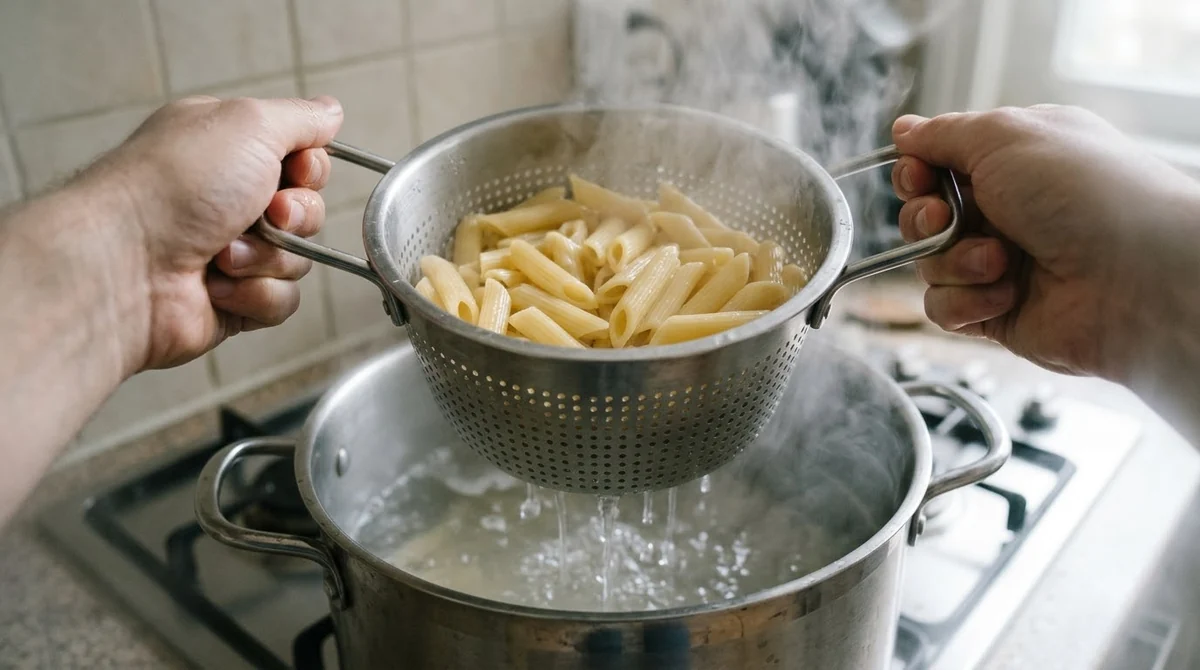
- Drain, then finish the pasta in the sauce pan with a splash of cooking water, which helps the sauce cling to the rough surface.
Cook times for Garofalo vary by shape. Retailer listings quote about 11 minutes for spaghetti and penne, 12 for elicoidali, 13 for rigatoni and 7 for tagliatelle. Those are listing figures, not lab tests, so the printed time on your own pack is the one to follow. Thicker shapes such as large tubes may need a little longer than the listed time.
Checking the Pack Before You Buy Garofalo Pasta
A Garofalo pack should give the shape name, the net weight, the ingredients, and a cooking time. Most US retailer listings for a garofalo pasta review show 500 g packs, so you can compare price per gram across sellers. Look for the Gragnano origin on the label if you want the regional style, and check the best-by date before you buy a large multi-pack.
Some Garofalo lines are labelled high protein or gluten free, so read the front and the ingredient list rather than assuming one name covers every product. For this garofalo pasta review, the label is the final source for diet and allergy questions. If you have a condition that requires strict limits, check the package and the company’s contact details before you serve it.
Frequently Asked Questions
Is Garofalo pasta bronze-drawn?
Great British Chefs says bronze dies are used for most Garofalo shapes and for all Gragnano PGI pasta. Because the die type can vary by shape, this Garofalo pasta review advises you to read the pack or the product listing for the specific shape you plan to buy.
Where is Garofalo pasta made?
Garofalo pasta is made in Gragnano, a town in the Naples area of Italy. The company’s US site gives its address as Gragnano (NA), Italy, and says the town is its historic production site.
Is Garofalo pasta good for everyday cooking?
In a seven-brand test by 177 Milk Street, Garofalo was named overall winner. One test is useful, but it is not a guarantee, so buy a shape you cook often before stocking up on a large pack.
Does Garofalo make gluten-free or high-protein pasta?
Yes. The company’s US site lists a Gluten Free Pasta line and a High Protein line, and it names Gluten Free Spaghetti, Gluten Free Penne Rigate, and Penne Ziti Rigate High Protein among its featured products.
Where can I buy Garofalo pasta in the US?
The company’s US site has a store finder, but the product page does not list retailers. Online marketplaces also carry the brand, with prices and pack sizes that change, so compare the unit price before you buy.
If you want a bronze-drawn pasta with a documented Gragnano origin, Garofalo is a reasonable choice to try in one shape. Buy a single pack first, cook the shape you use most, and judge the sauce hold and texture for yourself before buying in bulk. For more on how it compares with other Italian brands, see our De Cecco pasta review; the verdict of this Garofalo pasta review is to try one shape first.
 9 min readGear & PantryBarilla Al Bronzo Review: Is Bronze-Die Pasta Worth It?Updated Nov 9, 2026
 9 min readGear & PantryWhat Is Bronze Cut Pasta and Is It Worth Buying?Updated Nov 5, 2026
 8 min readGear & PantryRummo Pasta Review: Bronze-Cut Texture, Price and Who Should BuyUpdated Nov 8, 2026
 7 min readGear & PantryKosterina Olive Oil Review: Is the Price Worth It?Updated Nov 10, 2026
 9 min readGear & PantryBrightland Olive Oil Review: Is It Worth the Price in 2026?Updated Nov 16, 2026
 9 min readGear & PantryGraza Olive Oil Review: Is It Worth the Price?Updated Nov 16, 2026