
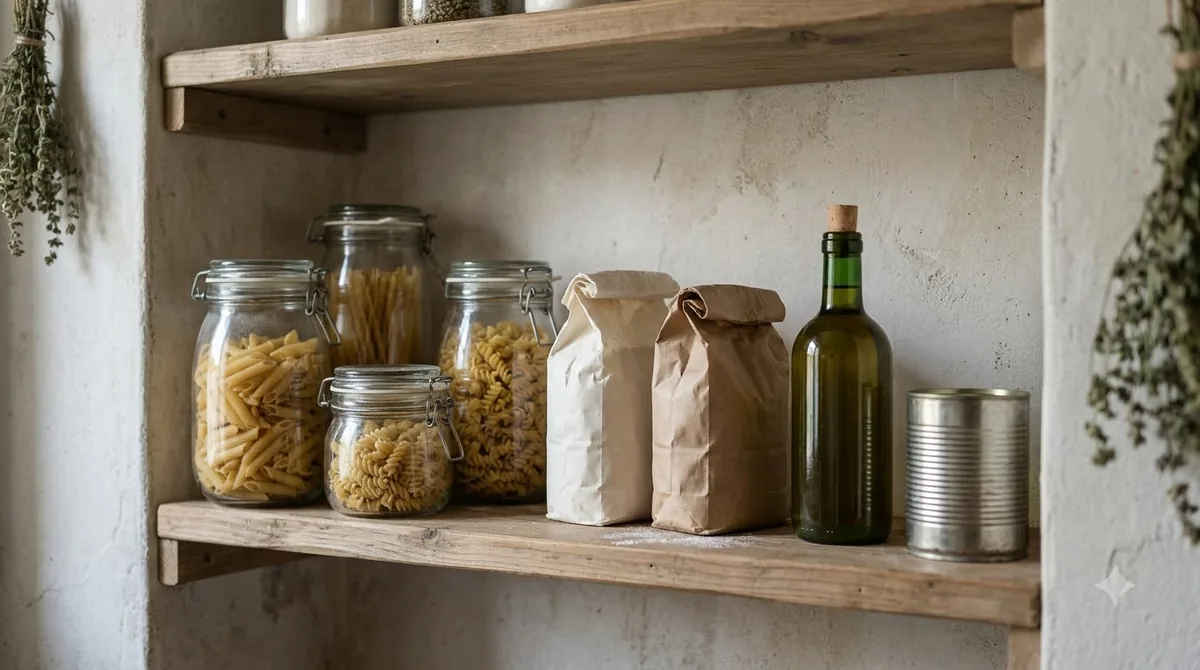

This barilla al bronzo review starts with the answer: Barilla Al Bronzo is a dried pasta made with a bronze die, a metal plate that shapes the dough as it is pushed out. The bronze surface is rougher than the smooth Teflon-coated dies used for most supermarket pasta, so sauce clings better. It costs more, and the official specifics (shapes, ingredients, cooking time) should be checked on the box because we could not confirm them from the brand’s own pages. This Barilla Al Bronzo review covers what the sources we could read say, where the evidence is thin, and how to judge a bronze-die pasta for yourself.
Watch This Barilla Al Bronzo Review Video
This barilla al bronzo review video covers how bronze dies create a rough texture, the slow drying process, and starchy water performance. It helps home cooks decide whether to upgrade for light oil sauces or save money with standard options for baked dishes.
Watch Barilla Al Bronzo Review: Is Bronze Cut Pasta Worth the Extra Cost? on YouTube
Barilla Al Bronzo review: what the bronze die is
Barilla Al Bronzo is the brand’s line of pasta made with bronze dies. Al bronzo is an Italian term for pasta cut through a bronze die, and it is the same idea that other brands describe as bronze-cut pasta or bronze-die pasta. In the dough stage, pasta is pushed through a die that has holes matching the shape. Most factories use dies coated with Teflon, which give a smooth finish. Bronze is a porous metal, so the pasta comes out with a rougher, more rustic texture. Tasting Table’s bronze-cut guide describes the surface this way.
Tasting Table also reports that Barilla describes a newly developed bronze die with micro-engraving, aimed at a “rough cut” that home cooks can use, the kind professional chefs prefer. That is the brand’s own description, carried by a publisher, and we did not read it on Barilla’s site. Treat it as a claim to check, not a measured result.
The same report notes that the vast majority of commercially made pasta still uses Teflon dies. That is why a bronze-die box stands out on the shelf. Tasting Table’s comparison piece covers the same difference from the consumer side.
Why the bronze die matters for sauce in a Barilla Al Bronzo review
The main reason people buy bronze-die pasta is sauce grip, and it is the core of this Barilla Al Bronzo review. A rough surface gives thin sauces and small pieces of meat or cheese more to hold on to, so they do not slide off into the bottom of the plate. Tasting Table says toppings “will more readily stick to the pores in the pasta the bronze die creates,” which matches the mechanism described above.
The difference shows up in a few places. A Barilla Al Bronzo review that ignores the surface would miss the point of the die, so the table below compares the two surfaces directly. It lists only what the two sources we read actually state.
| Feature | Bronze die | Teflon die |
|---|---|---|
| Surface | Slightly rough, rustic, porous | Smooth, glossy |
| Drying | Lower heat, often more than a day | High heat, faster |
| Color after drying | Paler | Deeper yellow |
| Starch in cooking water | More starch released | Less noted |
| Price | Higher than standard pasta | Standard supermarket price |
The sauce-grip advantage is a surface effect, so it matters most with sauces that are thin or oily and do not coat smooth pasta well. With a thick ragu or a cheese sauce, the difference is smaller in practice. We did not measure this ourselves.
Why it costs more and dries longer
Bronze-cut pasta costs more than standard supermarket pasta. Tasting Table gives four reasons: bronze dies are more expensive, they limit how much pasta can be made in a run, drying takes longer, and the grain used is often of higher quality. Each of these is a cost the brand must recover at the shelf, which is why price is the first thing to weigh in a Barilla Al Bronzo review. Another bronze-cut brand is covered in this Rummo pasta review.
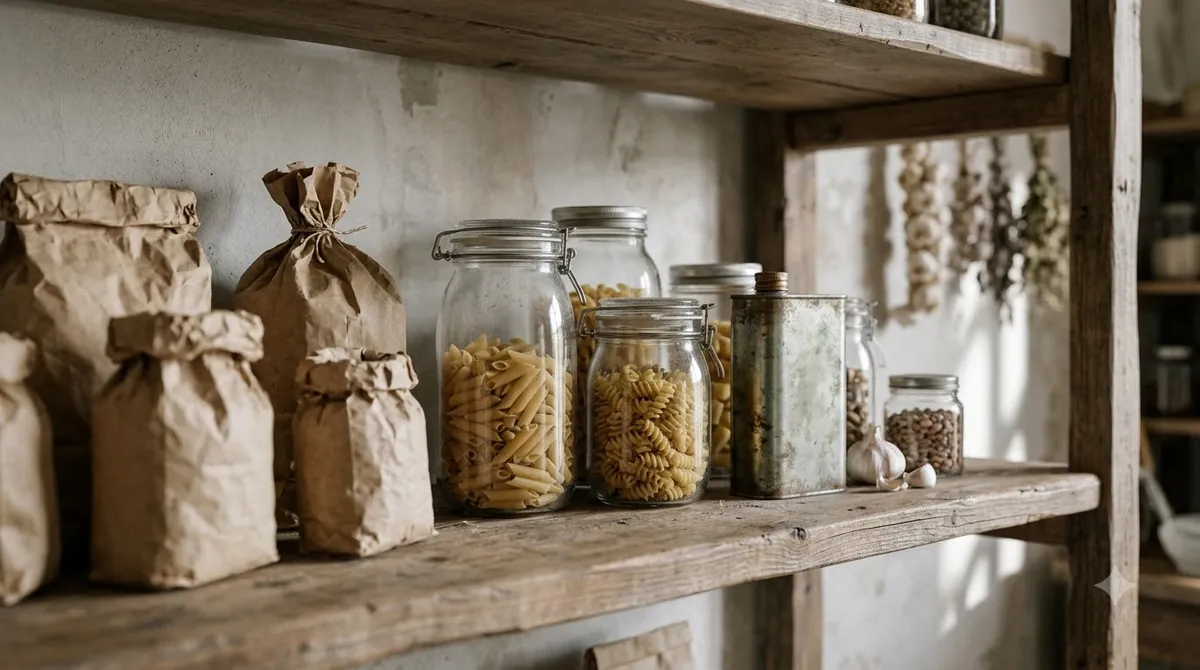
The drying step explains much of the difference. Bronze-cut pasta is typically dried at lower heat for a long time, “often for more than a day.” Factory pasta made with Teflon dies is often dried at high heat to save time. High heat gives the pasta a deeper yellow color and a smoother finish, while the slower method leaves it paler. Both are production choices that trade time, heat and cost against surface texture.
A higher price does not guarantee a better result for every cook. If you mostly use pasta in baked dishes or heavy meat sauces, the surface difference may not be noticeable. If you usually serve pasta with a light olive oil, garlic, or tomato sauce, the extra grip is easier to see.
Is barilla al bronzo good? A fair verdict by use case
The verdict of this Barilla Al Bronzo review is that Barilla Al Bronzo is a reasonable choice if sauce adhesion is your main concern and you accept a higher price. It is less compelling if you cook mostly with heavy sauces, if you cook for a crowd where cost matters more, or if you want a result you can confirm from independent testing.
A useful Barilla Al Bronzo review should also say who the pasta is not for. Our sources do not give a clear answer on taste. The Tasting Table guide focuses on texture, sauce grip and cooking water, and does not claim a taste gap between bronze-cut and Teflon-cut pasta. For a broader view, read the reviews on the retailer site where you buy, or compare it with this Garofalo pasta review, and look for reviewers who cook the pasta with the same sauce you use.
- Choose it if you serve thin sauces, oil-based dishes or salads, where the rough surface helps the most.
- Choose a standard Teflon-die pasta if price is the main factor, or if you mainly cook baked dishes.
- Try one box before you buy in bulk, so you can judge the texture with your own sauce.
How to cook it and judge it at home
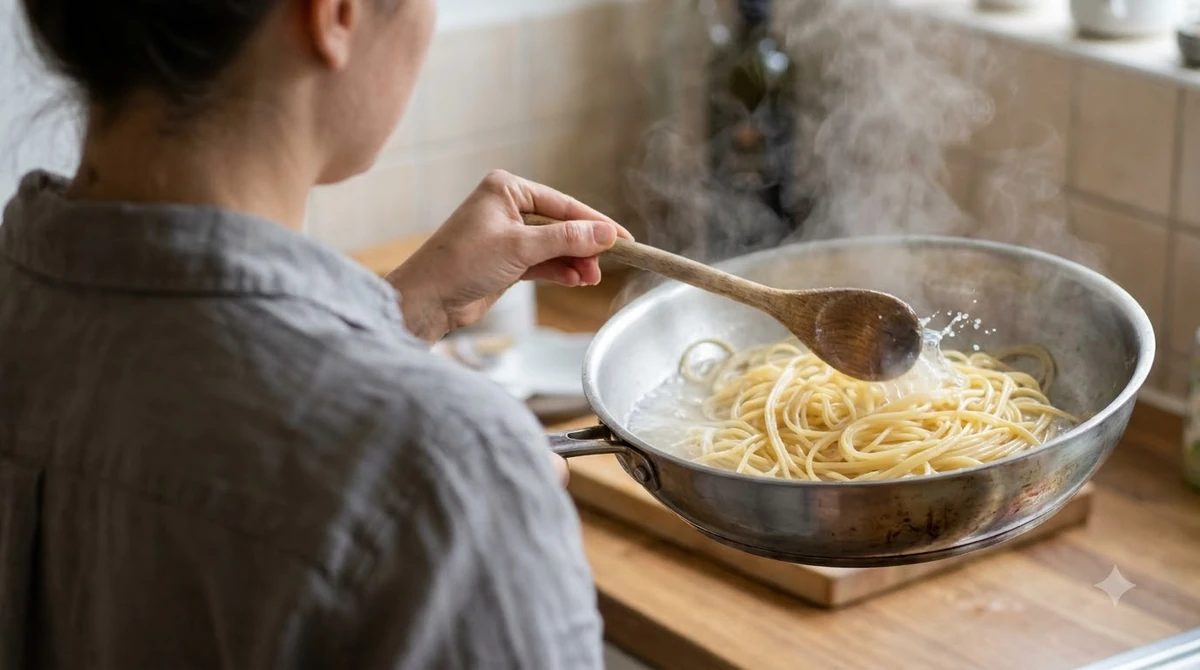
Whatever your verdict in this Barilla Al Bronzo review, the cooking step decides most of the result. Bronze-cut pasta releases more starch into the cooking water, and the water becomes starchy quickly. Use a large pot with plenty of salted water, and keep a cup of the cooking water before you drain. That starchy water is what binds a sauce to the pasta.
Tasting Table recommends draining the pasta a few minutes early if you plan to finish it in the sauce, and not rinsing it. The steps below are a simple way to run a Barilla Al Bronzo review of your own box.
- Read the cooking time on the box, then start tasting one piece two minutes before that time.
- Drain the pasta a few minutes early and keep about half a cup of the cooking water.
- Toss the pasta in the sauce over low heat with a splash of the starchy water until the sauce coats each piece.
- Compare the same sauce on a standard pasta and note how much sauce stays on the plate.
What we could not verify
Every Barilla Al Bronzo review is only as good as its sources, and ours has gaps. We could not open Barilla’s own product pages, so the following points are not confirmed in this article: the full list of shapes in the Al Bronzo line, the ingredient list on each box, the cooking time printed by the brand, and the current shelf price. Check these on the box or on the brand’s site before you buy.
We also did not use retailer star ratings or review counts in this Barilla Al Bronzo review, because the figures we saw were from search results and not from pages we read in full. Independent reviews we found were short, and none reported a clear test result with numbers. Discussion threads were not read.
Frequently Asked Questions
Is Barilla Al Bronzo good?
In this Barilla Al Bronzo review, the answer is that it is a good choice for sauce adhesion, based on the bronze die’s rougher surface. Whether it is good for your cooking depends on your sauces and budget. Taste it with your own recipe before you buy a large pack.
Is bronze-cut pasta worth the price?
It is worth it if you serve thin or oily sauces often. Bronze dies cost more to run, and drying takes longer, so the price reflects real production costs. For heavy sauces and baked dishes, a standard pasta may be enough.
How can I tell if a pasta is bronze-cut?
Look for wording such as bronze-die, bronze-cut or al bronzo on the front or back of the box, and see this list of bronze cut pasta brands for other labels to check. The surface is also rougher to the touch than a smooth, glossy strand of standard pasta. If the box says nothing about the die, this Barilla Al Bronzo review suggests you assume it is a standard Teflon-die pasta unless the brand says otherwise.
Does the bronze die change the taste?
The sources we read focus on texture, sauce grip and cooking water, and do not show a proven taste gap. Most of the difference you notice will come from how the sauce clings.
In short, the Barilla Al Bronzo review verdict is simple: bronze-die pasta is a sensible upgrade when sauce grip is your priority. Check the box for the details the brand does not let us confirm here, cook one box with your usual sauce, and decide from your own plate. More pasta and pantry picks are in the gear and pantry guides.
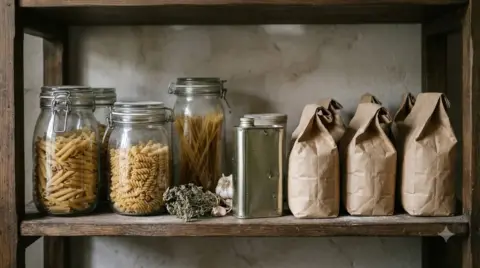
 9 min readGear & PantryGarofalo Pasta Review: Is This Bronze-Drawn Italian Pasta Worth It?Updated Nov 8, 2026
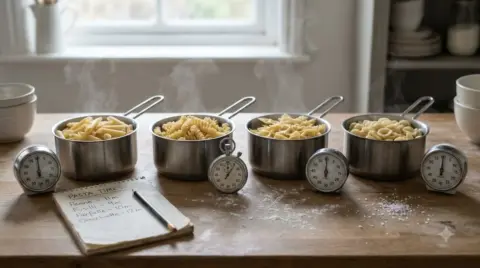
 9 min readGear & PantryWhat Is Bronze Cut Pasta and Is It Worth Buying?Updated Nov 5, 2026
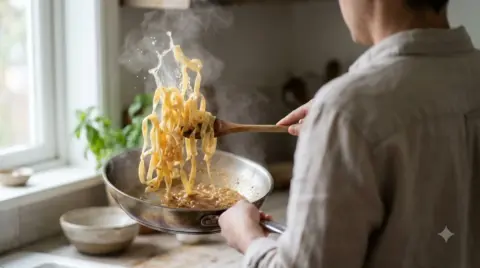
 8 min readGear & PantryRummo Pasta Review: Bronze-Cut Texture, Price and Who Should BuyUpdated Nov 8, 2026
 8 min readGear & PantryDe Cecco vs Barilla: Which Pasta Wins the Taste Test?Updated Nov 15, 2026
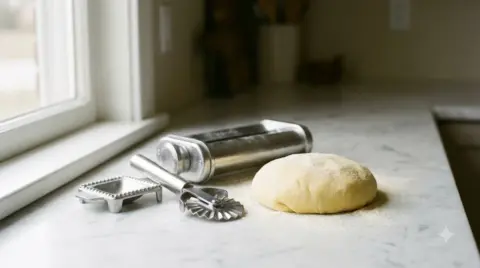 9 min readGear & PantryBest Pasta Extruder Dies for Home Cooks in 2026Updated Nov 17, 2026
 9 min readGear & PantryBrightland Olive Oil Review: Is It Worth the Price in 2026?Updated Nov 16, 2026